
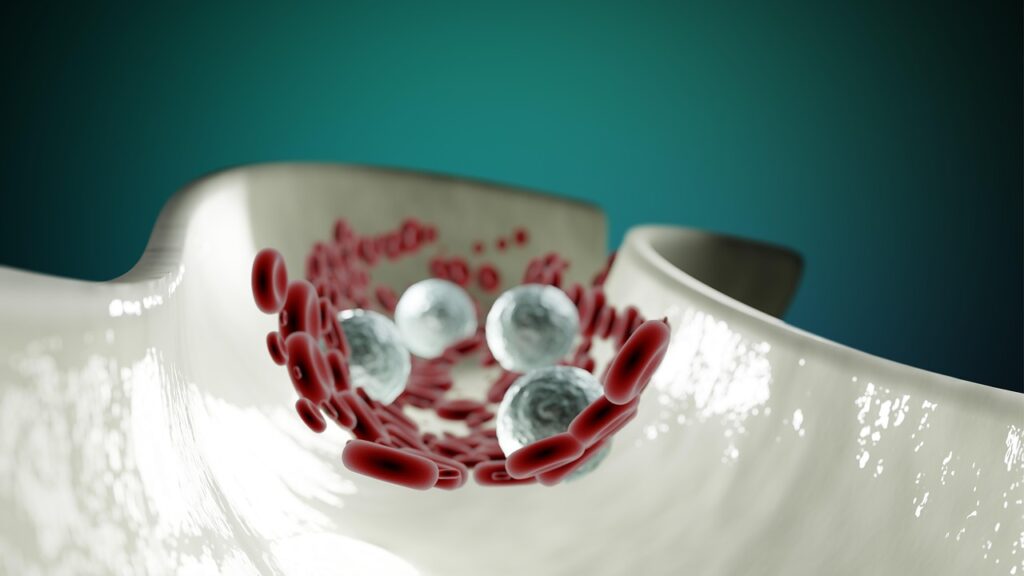
A high white blood cell (WBC) count on a routine blood test can be unsettling, but here is the most important thing to understand up front: a high WBC count is a sign, not a diagnosis. It tells you your body is responding to something — most often an infection, inflammation, stress, smoking, or a medication — and occasionally it points to a serious blood or bone-marrow disorder. For that reason, the safe and effective approach is not to figure out how to lower white blood cell count naturally on your own, but to work with a clinician to find and treat the cause. Normal WBC counts generally fall between about 4,500 and 11,000 cells per microliter of blood, though exact reference ranges vary by lab, according to MedlinePlus. This guide explains what an elevated count means, when it is urgent, and which everyday habits genuinely support a healthy immune system — while being clear about what they can and cannot do.
Why “Lowering” a WBC Count Is the Wrong Way to Think About It
White blood cells are your immune system’s front line. When your body detects a threat — a bacterial infection, an allergen, tissue damage after surgery or a burn — it ramps up WBC production to respond. That rise is the immune system working exactly as it should. So a high count is rarely the problem itself; it is the body’s reaction to a problem. Doctors call a high count leukocytosis.
This is why “lowering the number naturally” is the wrong frame. If an infection is driving the count up, the answer is to treat the infection — not to suppress your immune response. If chronic inflammation, smoking, or a steroid medication is responsible, the answer is to address that specific cause with your clinician. And if the count is high because of a blood or bone-marrow disorder such as leukemia, then chasing the number with diet or supplements is not just ineffective, it can dangerously delay the evaluation and treatment you actually need. MedlinePlus is explicit that a white blood count “can show if the number of your white blood cells is too high or too low, but it can’t confirm a diagnosis.” The count is a starting point for investigation, not a target to manipulate.
The right first step after an abnormal result is almost always a conversation with the doctor who ordered the test. They will look at the count in context — alongside your symptoms, your medical history, and the rest of the complete blood count (CBC), including the differential that breaks the total down into neutrophils, lymphocytes, monocytes, eosinophils, and basophils. A high neutrophil count suggests something different from a high lymphocyte count, and that pattern helps direct the workup. Often the next step is simply to repeat the CBC after any acute illness has passed, because many elevations are temporary.
Common Causes of an Elevated WBC Count
Per MedlinePlus, a higher-than-normal white blood count can be caused by a wide range of things, including:
- Infections — bacterial, viral, or fungal — the most common reason for a temporary rise.
- Inflammatory conditions such as rheumatoid arthritis or inflammatory bowel disease.
- Allergic reactions, including asthma flares.
- Tissue damage from a burn, injury, surgery, or heart attack.
- Physical or emotional stress, and even intense exercise, which can raise the count briefly.
- Smoking, which keeps counts chronically higher than in nonsmokers.
- Medicines, especially corticosteroids (such as prednisone), and some others like lithium.
- Pregnancy, which naturally raises WBC counts.
- Blood and bone-marrow cancers such as leukemia and Hodgkin disease.
Most of these causes are benign and self-limited. A modest elevation after a cold, a stressful week, or a hard workout usually means very little. But because the same lab number can reflect anything from a passing virus to a serious disorder, an abnormal result should never be interpreted — or “corrected” — on your own. That interpretation is a job for a clinician.
When to See a Doctor Promptly
Some patterns deserve prompt medical attention rather than a wait-and-see approach. Talk to a healthcare provider soon — and do not try to self-treat the number — if a high WBC count comes with any of the following:
- Persistent or high fever, chills, or drenching night sweats
- Easy bruising or bleeding, including nosebleeds, bleeding gums, or tiny red spots on the skin (petechiae)
- Unexplained weight loss or loss of appetite
- Extreme, unshakable fatigue or weakness
- Frequent or hard-to-shake infections
- Swollen lymph nodes, an enlarged spleen, or bone or joint pain
- A count that is very high, keeps rising on repeat tests, or was flagged with abnormal cells on the differential
These are the kinds of features that, taken together, can point to leukemia or another bone-marrow disorder. According to MedlinePlus, leukemia is a cancer in which the bone marrow makes large numbers of abnormal white blood cells that crowd out healthy cells; warning signs include fever or night sweats, tiredness, easy bruising or bleeding, weight loss, and petechiae, and diagnosis relies on blood tests and often a bone marrow biopsy — not on symptoms alone. The Leukemia & Lymphoma Society and the NHLBI similarly emphasize that a CBC is a screening step, and that any suspicion of a blood disorder needs a proper diagnostic workup. None of this means a high count is cancer — the overwhelming majority are not — but it does mean an abnormal result should be evaluated rather than ignored or self-managed.
Do not ignore or try to self-normalize an abnormal blood result. If a high white blood cell count comes with fever, easy bruising or bleeding, drenching night sweats, unexplained weight loss, extreme fatigue, or frequent infections, contact a healthcare provider promptly — these can be signs of leukemia or another bone-marrow disorder that needs medical evaluation, not natural remedies.
Habits That Support a Healthy Immune System
Once your clinician has ruled out a condition that needs treatment — or has identified a modifiable cause like smoking, excess weight, or chronic inflammation and asked you to address it — general healthy habits can support a more balanced immune system over time. It is worth being honest about what these habits do: they support overall health and can help modestly lower chronic inflammation that contributes to a mildly elevated count. They are not cures, and they do not replace medical evaluation of an abnormal result.
Eat an Anti-Inflammatory Diet
Chronic low-grade inflammation is one common driver of a persistently elevated WBC count, and diet is one lever that can influence it. Diets rich in fruits, vegetables, whole grains, legumes, and healthy fats are associated with lower inflammatory markers. Omega-3 fatty acids, found in salmon, mackerel, sardines, walnuts, and flaxseed, have well-documented anti-inflammatory properties. Leafy greens like spinach and kale, and berries such as blueberries and strawberries, supply antioxidants and flavonoids that help regulate the immune response. Turmeric contains curcumin, a compound studied for its effect on inflammatory markers.
Reducing pro-inflammatory foods matters just as much. Processed meats, refined sugars, sugary drinks, excessive alcohol, and trans fats can all feed the chronic low-grade inflammation that keeps counts elevated. If you are exploring dietary changes for other markers too, our guides on lowering cholesterol naturally and reducing inflammation naturally share the same foundational principles.
Manage Chronic Stress
Psychological stress has a measurable effect on white blood cell production. When you are stressed, your body releases cortisol and adrenaline, which can prompt the bone marrow to release more white blood cells as part of the fight-or-flight response. Brief spikes are normal; sustained stress keeps that system switched on. Regular meditation or deep-breathing practice, yoga or tai chi, and seven to nine hours of quality sleep each night all help lower the physiological stress load, since sleep deprivation alone can raise inflammatory markers.
Move Regularly — But Time Your Blood Draw
Regular moderate exercise — walking, swimming, cycling, or light jogging for 30 to 60 minutes most days — is associated with lower chronic inflammation and better immune regulation over time. There is an important catch for interpreting a test, though: intense or prolonged exercise temporarily raises WBC counts. Marathon runners, for example, can see counts spike well above normal right after a race, a normal acute response that resolves within a day or two. According to the Mayo Clinic, moderate regular activity supports immune function — but if you are having blood work done, it is wise to avoid strenuous exercise the day before so the result reflects your baseline.
Quit Smoking
Smoking is one of the most well-established causes of a chronically elevated white blood cell count. Tobacco smoke drives ongoing inflammation in the lungs and body, keeping WBC production elevated as a defensive response; smokers’ counts run meaningfully higher than nonsmokers’ on average. The encouraging part is that counts tend to fall after quitting, with inflammatory markers moving back toward normal over months to years depending on how long and how heavily someone smoked. Beyond the blood count, quitting is one of the single most valuable things you can do for your cardiovascular and lung health.
Reach and Keep a Healthy Weight
Obesity is closely linked to chronic low-grade inflammation, which can keep white blood cell counts persistently above normal. Visceral fat around the abdomen is metabolically active and releases inflammatory signals that stimulate WBC production. Losing even a modest amount of weight — roughly 5 to 10 percent of body weight — can meaningfully lower inflammatory markers. A balanced approach combining dietary change with regular activity works best; our wellness guide covers sustainable strategies in more depth.
A Word on Supplements
Some supplements — omega-3 fish oil, vitamin D (particularly if you are deficient), garlic extract, and green tea’s EGCG — have been studied for anti-inflammatory effects, and a few show modest benefit for inflammatory markers. But supplements should be seen as, at most, a complement to the foundational habits above, and they are not a way to normalize an abnormal blood result. No supplement is a substitute for finding out why a count is high. Always tell your doctor about any supplement you take or plan to take, since some interact with medications and can affect lab results or bleeding risk.
Frequently Asked Questions
Can you lower a white blood cell count naturally?
You cannot — and should not try to — simply push down the number itself. What you can do is address a modifiable cause your clinician identifies, such as quitting smoking, treating an infection, reducing chronic inflammation, or reaching a healthy weight. If those factors are driving a mild elevation, the count often improves as your overall health improves. But an abnormal result always warrants medical evaluation first.
How quickly can a WBC count change?
It depends on the cause. If a recent infection or a bout of stress is responsible, the count often normalizes within days to weeks once the trigger passes — which is why doctors frequently just repeat the CBC. Changes tied to quitting smoking or losing weight typically take one to several months to show up in blood work.
Is a slightly high WBC count dangerous?
A mildly elevated count, such as 11,000 to 13,000 cells per microliter, is common and often caused by temporary factors like stress, recent illness, or strenuous exercise. On its own it is usually not dangerous, but a persistently elevated count — or one accompanied by red-flag symptoms — should be evaluated by a doctor, who will decide whether further testing is needed.
Can dehydration cause a high white blood cell count?
Dehydration concentrates the blood, which can make several blood values, including WBC, look higher on a test. Being well-hydrated before blood work supports a more accurate reading. General fluid needs vary from person to person, so follow your own clinician’s guidance rather than a fixed rule.
Should I be worried if my WBC is 12,000?
A count of 12,000 is only mildly above the typical range and often reflects a temporary factor. It is not a number to self-treat. Your doctor will interpret it alongside the differential, your symptoms, and your history to decide whether it is meaningful or simply worth rechecking.
The Bottom Line
Searching for how to lower white blood cell count naturally is understandable, but the healthiest reframe is this: a high count is a message from your body, and the goal is to understand and address the message — with a clinician — rather than to silence it. For many people the cause is temporary or benign, and general healthy habits like not smoking, eating an anti-inflammatory diet, managing stress, staying active, and keeping a healthy weight support a well-regulated immune system while benefiting the whole body. But those habits are supportive, not curative. If your count is very high, keeps rising, or comes with fever, bruising, bleeding, night sweats, weight loss, or extreme fatigue, see a doctor promptly, because those features can point to leukemia or another bone-marrow disorder. Never ignore or try to self-normalize an abnormal blood result. For more on managing chronic conditions, see our medical conditions guide.
Medical disclaimer: This article is general educational information, not medical advice, and is not a substitute for care from a qualified clinician. A high white blood cell count is a sign of an underlying cause, not a disease to treat on your own. Do not use diet, supplements, or lifestyle changes to try to normalize an abnormal blood result — have it evaluated. Seek prompt care if a high count comes with fever, bruising or bleeding, night sweats, unexplained weight loss, or extreme fatigue.
Sources
- MedlinePlus (U.S. National Library of Medicine) — White Blood Count (WBC)
- MedlinePlus (U.S. National Library of Medicine) — Leukemia
- Leukemia & Lymphoma Society (LLS) — Leukemia overview and symptoms (lls.org)
- National Heart, Lung, and Blood Institute (NHLBI) — Blood tests and blood disorders (nhlbi.nih.gov)
- Mayo Clinic — Exercise and immune function