
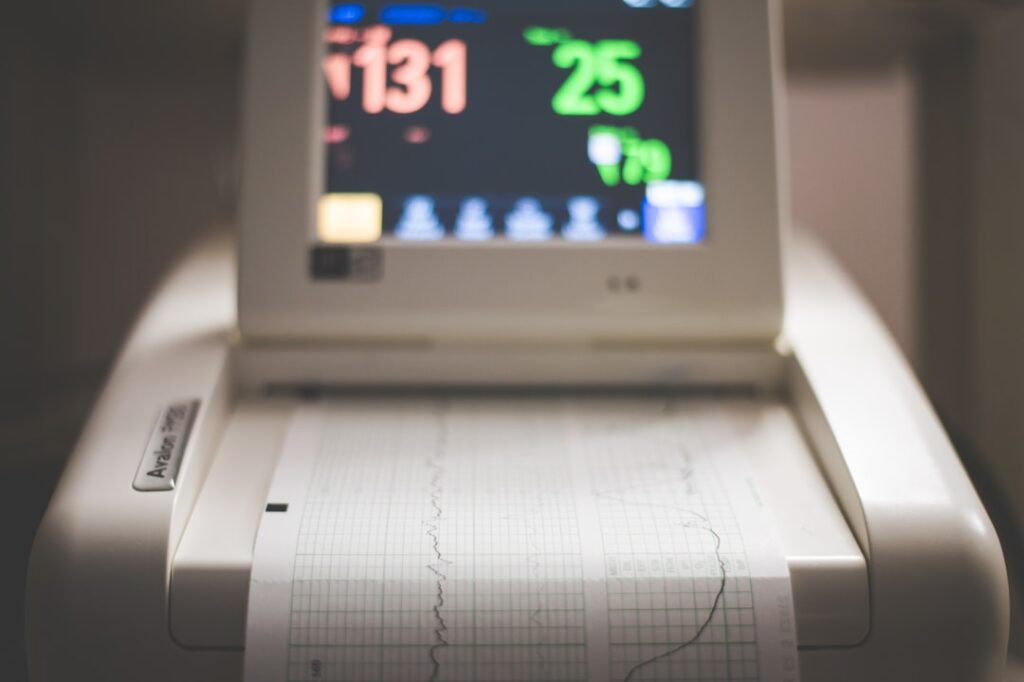
Call 911 (or your local emergency number) if a racing, pounding, or irregular heartbeat comes with chest pain or pressure, shortness of breath, fainting or near-fainting, severe lightheadedness, or confusion. A very fast pulse (for example, well above 100 beats per minute at rest that will not settle), a persistently irregular pulse, or a very slow pulse with symptoms (fainting, extreme fatigue, breathlessness) also needs urgent evaluation. A resting heart rate that is consistently high, even without dramatic symptoms, should be checked by a clinician rather than managed with lifestyle changes alone. Never stop or change a prescribed heart or rate-control medicine on your own.
Learning how to lower heart rate naturally is one of the most useful things a generally healthy person can do to support long-term cardiovascular fitness. But it is important to start with an honest frame: a faster-than-average resting heart rate is sometimes completely normal, and sometimes it is the body flagging a problem that lifestyle habits cannot fix. Knowing which situation you are in matters far more than any single breathing exercise or supplement.
A normal resting heart rate for most adults ranges from 60 to 100 beats per minute (bpm), according to the American Heart Association. Well-conditioned athletes often sit at 40 to 60 bpm because a stronger heart pumps more blood with each beat. A resting rate that runs toward the higher end, or above it, can reflect ordinary, reversible things — caffeine, stress, poor sleep, dehydration, a fever, or simply being out of shape. It can also reflect something that needs medical attention, such as an arrhythmia like atrial fibrillation, an overactive thyroid, anemia, or heart disease. This guide covers the evidence-based habits that can support a healthy resting heart rate, and, just as importantly, when a high heart rate needs a doctor rather than a walking routine. For a broader look at heart-healthy living, visit our wellness guide.
First, Is a Fast Heart Rate Even a Problem?
Your heart rate is supposed to change. It rises with activity, caffeine, stress, dehydration, illness, and strong emotion, and it falls with rest and sleep. A single high reading, or a rate that climbs when you stand up, walk upstairs, or feel anxious, is usually normal physiology, not a warning sign.
A resting heart rate persistently above 100 bpm is called tachycardia. Sometimes tachycardia is a healthy response to a temporary demand (fever, pain, exercise, caffeine). Other times it points to an underlying condition. The Cleveland Clinic and Mayo Clinic list common medical causes of a genuinely elevated resting heart rate, including:
- Arrhythmias such as atrial fibrillation (AFib) or supraventricular tachycardia, where the heart’s electrical signaling misfires
- Overactive thyroid (hyperthyroidism), which speeds up metabolism and heart rate
- Anemia, where a low red blood cell count forces the heart to pump faster to deliver oxygen
- Dehydration or blood loss, which lowers blood volume
- Fever or infection
- Heart disease, including heart failure or valve problems
- Medications, stimulants, and withdrawal, including some cold remedies, decongestants, asthma inhalers, thyroid medicine, nicotine, and recreational stimulants
This is why a persistently high resting heart rate deserves a professional evaluation. A clinician can check your thyroid, look for anemia, review your medications, and record your heart’s rhythm with an ECG or a wearable monitor. If the cause is one of these conditions, the treatment is the treatment for that condition — not a breathing app. Lifestyle habits still help overall health, but they are supportive, not curative. If you have already been diagnosed with a heart condition, keep taking any prescribed rate-control or heart medicine exactly as directed, and never stop it to try a “natural” approach without talking to your prescriber first.
Why Your Resting Heart Rate Matters
For people without an underlying heart problem, resting heart rate is a rough window into cardiovascular fitness. A higher resting rate means the heart works harder at baseline, and large population studies have linked higher resting heart rates with worse long-term cardiovascular outcomes. That association does not mean a high number is always dangerous in an individual — it reflects averages across big groups — but it is one reason improving fitness is worthwhile.
Several everyday factors influence your resting heart rate:
- Fitness level: Regular exercisers tend to have lower resting heart rates
- Stress and anxiety: Chronic stress keeps the sympathetic (“fight or flight”) nervous system activated
- Caffeine and stimulants: These temporarily raise heart rate
- Dehydration: Forces the heart to pump faster to maintain blood pressure
- Sleep quality: Poor or short sleep raises resting heart rate
- Illness and fever: Temporarily increase heart rate
- Medications and thyroid function: Both can raise or lower heart rate
- Body weight and deconditioning: Both increase cardiac workload
The strategies below can help a healthy person nudge a high-normal resting heart rate downward over weeks to months. They are a complement to medical care, not a replacement for it.
Cardiovascular Exercise: The Most Effective Supportive Strategy
Aerobic exercise is the single most effective lifestyle change for lowering resting heart rate in a healthy person. Regular cardiovascular activity strengthens the heart muscle so it pumps more blood per beat (greater stroke volume), which means it does not need to beat as often at rest.
The current U.S. Physical Activity Guidelines and the American Heart Association recommend at least 150 minutes of moderate-intensity aerobic activity, or 75 minutes of vigorous-intensity activity, per week, plus muscle-strengthening activity twice a week. Many people see their resting heart rate drift down over the first weeks to months of consistent training, though the exact pace varies from person to person.
Effective aerobic options:
- Brisk walking: Accessible for all fitness levels and easy on the joints
- Swimming: A full-body workout with minimal joint stress
- Cycling: Good for sustained aerobic training
- Jogging or running: Highly efficient for cardiovascular conditioning
- Rowing: Engages both upper and lower body
Start gradually if you are new to exercise, and check with your clinician first if you have a heart condition, are older, or have been inactive. Even 10 to 15 minutes of daily walking can make a measurable difference within a few weeks. Consistency matters more than intensity: exercising most days at a moderate pace generally beats a couple of hard sessions per week.
Breathing Techniques and Vagal Stimulation
Your autonomic nervous system has two branches: the sympathetic (fight or flight) and the parasympathetic (rest and digest). Activating the parasympathetic branch through slow breathing and vagal maneuvers can lower heart rate in the moment and, with regular practice, support a calmer baseline.
The vagus nerve is the main nerve of the parasympathetic system, and stimulating it slows the heart and promotes relaxation. These techniques are helpful for stress-driven, temporary elevations. They are not a treatment for a diagnosed arrhythmia — and if you have been taught specific vagal maneuvers by a cardiologist for a rhythm problem, follow their instructions rather than self-experimenting.
Deep diaphragmatic breathing:
- Sit or lie in a comfortable position
- Place one hand on your chest and the other on your abdomen
- Inhale slowly through your nose for about 4 seconds, feeling your abdomen rise
- Pause briefly
- Exhale slowly through your mouth for about 6 seconds
- Repeat for 5 to 10 minutes
Box breathing (4-4-4-4):
- Inhale for 4 seconds
- Hold for 4 seconds
- Exhale for 4 seconds
- Hold for 4 seconds
- Repeat for 5 to 10 minutes
Cool water on the face: Splashing cool water on your face or resting a cool, damp cloth on your forehead can activate the “dive reflex,” which briefly stimulates the vagus nerve. Some people find this helpful during acute anxiety. If a racing heart is accompanied by any of the red-flag symptoms in the box above, seek emergency care rather than trying to manage it at home.
Stress Management and Mindfulness
Chronic stress is one of the most common reasons a healthy person’s resting heart rate runs high. When the body stays in a stress state, adrenaline and cortisol keep the heart rate elevated. Reducing that background stress can help.
Mind-body practices such as mindfulness meditation, yoga, and tai chi have been studied for cardiovascular health, and regular practice is associated with modest reductions in resting heart rate and blood pressure for many people. The benefits build with consistency.
Effective stress-reduction strategies:
- Meditation: Even 10 minutes daily can help activate the parasympathetic nervous system
- Yoga: Combines movement with breath control and mindfulness
- Progressive muscle relaxation: Systematically tensing and releasing muscle groups
- Time in nature: Associated with lower cortisol and heart rate
- Journaling: Helps process emotions and reduce rumination
- Social connection: Strong relationships buffer the effects of stress
Aim to build at least one stress-reduction practice into your daily routine. Five minutes every day tends to help more than one long session a week.
Diet and Hydration
What you eat and drink affects heart rate. Some nutrients support a steady rhythm, while certain substances can push it up.
Foods and nutrients that support heart health:
- Omega-3 fatty acids: Found in salmon, sardines, mackerel, walnuts, and flaxseed, and studied for modest effects on resting heart rate
- Magnesium: Found in dark leafy greens, nuts, seeds, and whole grains; important for normal heart rhythm
- Potassium: Found in bananas, sweet potatoes, avocados, and beans; supports the heart’s electrical signaling
- Antioxidant-rich foods: Berries, green tea, and colorful vegetables help counter oxidative stress
If you take heart, kidney, or blood pressure medicine, talk to your clinician before adding potassium or magnesium supplements, because too much can be harmful and can interact with medications. Food sources are generally the safest starting point.
Substances to limit:
- Caffeine: Moderate coffee intake (roughly 1 to 2 cups daily) is generally fine for most healthy adults, but high intake or energy drinks can raise resting heart rate; cut back if yours runs high
- Alcohol: Even moderate drinking can temporarily raise heart rate, and heavy drinking is strongly linked to atrial fibrillation
- Excess sodium: Raises blood pressure, which strains the cardiovascular system
- Added sugars: Diets high in refined sugar contribute to inflammation and cardiovascular strain
- Nicotine: A stimulant that raises heart rate and harms the heart and vessels
Hydration: Dehydration forces the heart to beat faster to maintain blood pressure and circulation. Most healthy adults do well drinking to thirst and keeping urine pale yellow; needs rise with exercise, heat, and illness. There is nothing magic about a fixed “eight glasses a day,” and people with heart failure or kidney disease may be told to limit fluids — so follow your clinician’s guidance if that applies to you.
Sleep and Recovery
Quality sleep is essential for heart rate regulation. During deep sleep, heart rate falls to its lowest levels as the parasympathetic system dominates. Chronic short or poor sleep keeps resting heart rate elevated, and even a week of bad sleep can nudge it up by several beats per minute.
Tips for better sleep:
- Keep a consistent sleep schedule, even on weekends
- Keep the bedroom cool, dark, and quiet
- Avoid screens for at least 30 minutes before bed
- Limit caffeine after early afternoon
- Avoid heavy meals within two to three hours of bedtime
- Limit alcohol, which fragments sleep and raises overnight heart rate
If you snore heavily, wake gasping, or feel unrefreshed despite enough time in bed, ask your clinician about testing for sleep apnea. Untreated sleep apnea is an important and treatable driver of elevated heart rate and cardiovascular risk.
Tracking Your Progress
Monitoring your resting heart rate over time helps you see what is working. Measure it the same way each time — ideally first thing in the morning, before getting out of bed.
How to measure manually:
- Place your index and middle fingers on the inside of your wrist (radial pulse) or the side of your neck (carotid pulse)
- Count the beats for 30 seconds and multiply by 2 (or count 15 seconds and multiply by 4)
- Note whether the rhythm feels regular or irregular
Many smartwatches and fitness trackers also record resting heart rate and can flag an irregular rhythm. These consumer devices are useful for spotting trends but are not diagnostic; bring unusual readings, and especially any “possible AFib” or irregular-rhythm alerts, to a clinician. Track weekly and look for gradual downward trends rather than reacting to single readings.
A realistic timeline for a healthy person making consistent changes:
- Weeks 1 to 2: Small improvements from better sleep, hydration, and stress reduction
- Weeks 3 to 6: Aerobic exercise begins to produce measurable changes
- Months 2 to 3: Consistent effort often yields a noticeable reduction
- Months 4 to 6: Continued training and lifestyle changes produce further gains
Individual results vary widely, and a number that will not budge despite genuine effort is another reason to get checked.
Frequently Asked Questions
What is a dangerously high resting heart rate?
A resting heart rate consistently above 100 bpm is called tachycardia and should be discussed with a clinician. Seek immediate medical attention if a fast heart rate comes with chest pain, shortness of breath, dizziness, fainting, or an irregular pulse, as these can indicate a serious cardiac problem. There is no single “safe” number for everyone; context and symptoms matter.
Can anxiety cause a high resting heart rate?
Yes. Anxiety activates the sympathetic nervous system, releasing adrenaline that raises heart rate, and chronic anxiety can keep it elevated for extended periods. Addressing the underlying anxiety through therapy, breathing techniques, exercise, and, when appropriate, medication prescribed by a clinician can help. Because anxiety and heart conditions can feel similar, a first episode of a racing heart is worth getting evaluated rather than assuming it is “just stress.”
Can lifestyle changes replace my heart medication?
No. Lifestyle changes support cardiovascular health, but they are not a substitute for prescribed treatment of a diagnosed heart condition such as atrial fibrillation, heart failure, or coronary artery disease. Never stop or reduce a rate-control or heart medicine on your own. If you want to improve your habits, tell your prescriber; they can help you do it safely and adjust medications only if and when it is appropriate.
How quickly can I lower my resting heart rate?
Breathing techniques can slow a stress-driven heart rate within minutes for temporary relief. For a lasting reduction in resting heart rate, most healthy people who exercise consistently see measurable changes over several weeks to a few months. Larger improvements typically take a few months of steady effort.
Does losing weight lower heart rate?
For many people, yes. Excess body weight increases the heart’s workload, and losing weight, especially combined with regular exercise, can lower resting heart rate. The healthiest approach is gradual, sustainable change rather than crash dieting, which can itself stress the heart.
When should I see a doctor about my heart rate?
See a clinician if your resting heart rate is consistently above 100 bpm, if you notice sudden or unexplained changes, if you feel palpitations or an irregular pulse, or if a fast (or very slow) heart rate comes with fatigue, dizziness, breathlessness, or chest discomfort. Some medications and medical conditions require professional diagnosis and management. For more on related conditions, see our medical conditions guide.
Putting It All Together
For a generally healthy person, learning how to lower heart rate naturally comes down to a combination of aerobic fitness, good sleep, stress management, sensible nutrition, and steady hydration. No single habit works in isolation, but together they can help move a high-normal resting heart rate in the right direction over weeks to months.
Start with one or two manageable changes, such as a daily 20-minute walk and five minutes of slow breathing before bed. Once those become habits, layer in dietary tweaks and more activity, and track your resting heart rate weekly to stay motivated. For more ways to support your overall health, explore our wellness guide.
Above all, remember the frame: a fast resting heart rate can be harmless or it can be a signal. If yours is persistently high, comes with warning symptoms, or will not improve with genuine lifestyle effort, get evaluated. Lifestyle change is a powerful support for a healthy heart — but it is not a stand-in for diagnosis and treatment when something is actually wrong.
This article is general education, not medical advice, and is not a substitute for care from a qualified clinician. It does not diagnose or treat any heart condition. Do not start, stop, or change any prescribed medicine on your own. A persistently high or irregular resting heart rate should be evaluated by a healthcare professional, and any heart rate change accompanied by chest pain, shortness of breath, fainting, or severe dizziness is a medical emergency — call 911 or go to the nearest emergency room.
Sources
- American Heart Association — All About Heart Rate (Pulse)
- Mayo Clinic — Heart rate: What’s normal?
- Cleveland Clinic — Tachycardia (Fast Heart Rate)
- MedlinePlus (U.S. National Library of Medicine) — Pulse and Tachycardia
- U.S. Department of Health and Human Services — Physical Activity Guidelines for Americans