
- Elevated hemoglobin (erythrocytosis or polycythemia) is a sign of an underlying cause — not a disease you normalize at home with diet or remedies.
- Common causes include dehydration, smoking, chronic lung or heart disease with low oxygen, sleep apnea, living at high altitude, testosterone therapy, EPO use, and polycythemia vera (a bone-marrow disorder).
- The most important step is to get evaluated so a clinician can find the cause; the right treatment depends entirely on what that cause turns out to be.
- Healthy habits like hydration, quitting smoking, and treating sleep apnea support your health and may help if they are the cause — but they are not a self-cure for an abnormal lab.
- High hemoglobin can thicken the blood and raise clot and stroke risk; severe headache, vision changes, chest pain, shortness of breath, or stroke signs are emergencies — call 911.
If a blood test came back showing high hemoglobin and you searched for how to lower hemoglobin naturally, start here: an elevated hemoglobin level is a sign, not a disease you cure at home. It is a clue that something in your body is driving red blood cell production up — or that your blood is simply concentrated — and the safest, most genuinely “natural” first step is to find out why with a clinician, not to try to drink or diet the number down. This article explains what high hemoglobin actually means, what causes it, the warning signs that need urgent care, and how it is properly evaluated and managed. It is general education, not medical advice.
As a rough reference, adult hemoglobin often runs about 13.5 to 17.5 grams per deciliter in men and about 12 to 15.5 g/dL in women, though laboratories set their own ranges and normal values shift with age, sex, pregnancy, and altitude. When hemoglobin climbs above the normal range, blood can become thicker, which is associated with a higher risk of clots, stroke, and heart complications. That is exactly why an abnormal result deserves a real explanation rather than a home remedy.
High Hemoglobin Is a Sign, Not a Diagnosis
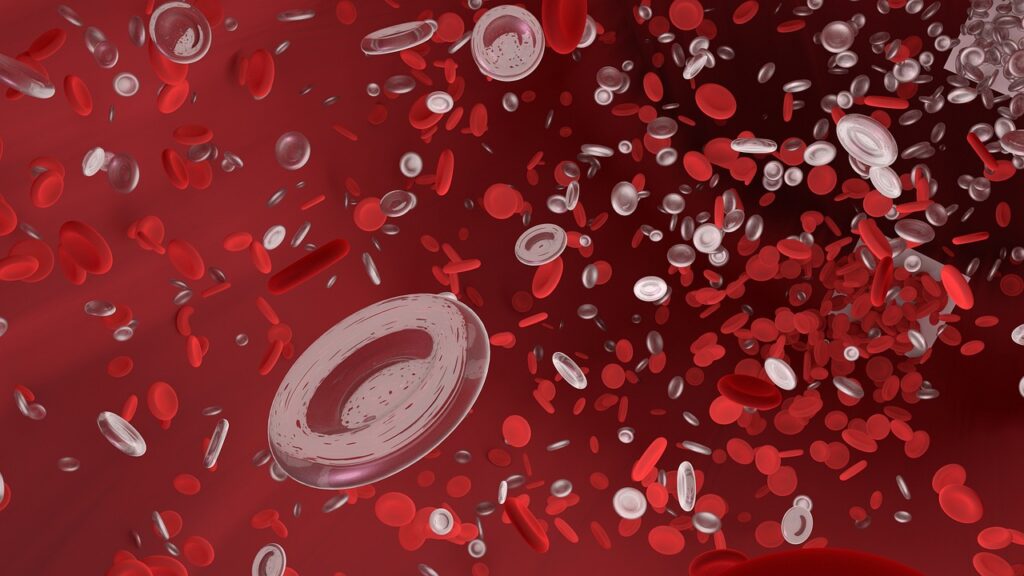
Hemoglobin is the protein in red blood cells that carries oxygen. Doctors describe an elevated red-cell picture as erythrocytosis or polycythemia. Neither term is a stand-alone illness; both point back to a cause. Broadly, high hemoglobin falls into two buckets. In relative polycythemia, the number of red cells is normal but the plasma (the fluid part of blood) is reduced — most often from dehydration — so the concentration only looks high. In absolute polycythemia, the body is truly making too many red cells, either as a response to low oxygen or because of a problem in the bone marrow itself.
The reason this distinction matters is practical: the treatment for a concentrated sample (rehydrate, then recheck) is completely different from the treatment for a bone-marrow disorder. You cannot tell which is which from home, and trying to “lower” the number without knowing the cause can mask a serious problem or lead you to do the wrong thing.
What Causes High Hemoglobin
Because the cause dictates everything that follows, it is worth understanding the usual suspects. According to the Mayo Clinic and other clinical references, common contributors include:
- Dehydration: low fluid volume concentrates the blood and can make hemoglobin look elevated even when red-cell production is normal.
- Smoking: carbon monoxide in tobacco smoke displaces oxygen on hemoglobin, so the body compensates by making more red cells.
- Chronic lung or heart disease: conditions such as COPD, emphysema, and some congenital heart disease lower blood oxygen, prompting more red-cell production.
- Obstructive sleep apnea: repeated drops in oxygen overnight can drive hemoglobin up.
- Living at high altitude: thinner air means less oxygen, and the body adapts by raising red-cell counts.
- Testosterone therapy: testosterone can stimulate red blood cell production and is a well-recognized cause of elevated hemoglobin that a prescriber should monitor.
- Erythropoietin (EPO) or blood doping: using EPO or anabolic agents to boost performance can push hemoglobin to dangerous levels.
- Polycythemia vera: a bone-marrow disorder — considered a chronic blood cancer — in which the marrow overproduces red cells (and sometimes white cells and platelets), usually linked to a JAK2 gene mutation.
- Kidney or other tumors: rarely, tumors that secrete excess erythropoietin can raise red-cell production.
Some of these are benign and easily reversible; others are serious and need ongoing medical management. That range is the whole point: the same lab value can mean “you were dehydrated” or “you have a blood cancer that needs treatment.” Only an evaluation can tell them apart.
Why “Lowering It Naturally” Is the Wrong Goal
It is tempting to look for foods, drinks, or supplements that will pull hemoglobin down. But treating a number instead of its cause is risky. If polycythemia vera is behind the result, home measures will not manage the clotting risk and can delay the medical care that actually protects you. If low oxygen from sleep apnea or lung disease is the driver, the real fix is treating that condition — not restricting iron. Chasing the number can also hide a worsening problem while giving a false sense that it is handled.
So reframe the aim. The goal is not to lower hemoglobin at home; it is to identify and treat the cause with a clinician. Healthy habits still matter, but they play a supporting role, not a curative one.
How High Hemoglobin Is Actually Evaluated and Treated
When hemoglobin is elevated, a clinician typically repeats the blood count to confirm it, reviews your history and medications, and looks for clues on exam. Depending on the picture, further testing may include an oxygen level (pulse oximetry or arterial blood gas), an erythropoietin (EPO) level, testing for the JAK2 mutation, imaging, or a sleep study. These tests sort out whether the marrow is overactive, whether low oxygen is the trigger, or whether a medication or dehydration explains it.
Treatment then follows the cause. Rehydration handles a concentrated sample. Treating lung disease, heart disease, or sleep apnea addresses low-oxygen causes. Adjusting or monitoring testosterone therapy is a conversation with the prescriber. For polycythemia vera, care is directed by a hematologist and may include therapeutic phlebotomy (medically supervised removal of blood to reduce red-cell concentration), low-dose aspirin, and cytoreductive medications when appropriate. These are prescribed and monitored by clinicians — this article gives no doses and is not a substitute for that care.
Lifestyle Steps That Support Your Health
The habits below are genuinely good for you and may help if they are part of your cause — but think of them as support for a medical plan, not a self-cure for an abnormal lab. Make significant changes with your clinician, especially so you do not mask the underlying problem.
Stay well hydrated. Adequate fluids keep blood from becoming unnecessarily concentrated. Most healthy adults can let thirst and pale-yellow urine be a rough guide, but fluid needs vary with body size, activity, climate, and other health conditions — and some heart and kidney conditions require fluid limits, which is one more reason to individualize this with a professional rather than forcing large volumes of water.
Quit smoking. Because carbon monoxide from tobacco binds hemoglobin far more readily than oxygen, smoking is a major, reversible driver of elevated hemoglobin. Stopping lets carbon monoxide levels fall quickly, and red-cell production tends to ease over the following weeks and months. Quitting is one of the most impactful things you can do for this and for your overall health.
Treat sleep apnea. If you snore heavily, wake unrefreshed, or have been told you stop breathing at night, ask about testing. Effective treatment of sleep apnea can improve nighttime oxygen and, when apnea is the cause, help normalize hemoglobin.
Review medications and supplements with a professional. If you use testosterone therapy, EPO, or anabolic agents, your hemoglobin should be monitored by the prescriber; never adjust these on your own. If you take a multivitamin, there is no need to seek out iron on purpose, but do not start restricting nutrients on your own either.
Stay active in a sustainable way. Regular moderate activity supports cardiovascular health. Very intense endurance training and training at high altitude can actually raise hemoglobin, so if your level is elevated, discuss your exercise plan with your clinician. If you are also working on other markers, our guides on lowering blood pressure and reducing cholesterol pair well with an overall healthy routine.
What About Diet, Iron, and “Natural Remedies”?
You will find lists online suggesting you cut iron-rich foods, load up on foods that block iron absorption, or take grapefruit, green tea, or turmeric to bring hemoglobin down. Here is the honest picture: while iron is required to build hemoglobin and food chemistry can influence iron absorption, deliberately manipulating your diet or iron intake to self-treat an abnormal lab is not a validated approach, and iron management in conditions like polycythemia vera is a clinical decision — self-directed iron restriction can cause its own problems. There is no well-established food, drink, or supplement that reliably and safely lowers an elevated hemoglobin on its own, and framing these as treatments can delay real care.
The same caution applies to supplements in either direction: do not start iron, vitamin B12, or folic acid unless a clinician recommends them, and do not begin restrictive regimens hoping to drop your count. For general, safe guidance on supplements that support overall health, see our wellness guide — and bring any specific plan to your own clinician first.
A Note on Blood Donation
Removing blood does lower red-cell concentration, which is exactly why doctors use therapeutic phlebotomy to manage certain conditions. But that is a prescribed medical treatment with defined targets and monitoring. Using volunteer blood donation as a do-it-yourself way to manage a diagnosed blood disorder is not appropriate: blood centers screen donors for eligibility, they are not set up to treat your condition, and self-directed phlebotomy without medical oversight can be unsafe. If your clinician determines you need blood removed, they will arrange and monitor it properly.
Frequently Asked Questions
Is high hemoglobin dangerous?
It can be, depending on the cause and how high it is. Thicker blood is associated with a higher risk of clots, stroke, and heart problems, and markedly elevated levels or an underlying disorder like polycythemia vera need medical management. That is why an elevated result should be evaluated rather than self-treated.
Can drinking more water lower hemoglobin?
If part of the reason your level looks high is dehydration, restoring normal hydration can bring a concentrated sample back toward normal. It will not fix an elevated level caused by low oxygen or a bone-marrow disorder. Rehydrate sensibly and have the level rechecked with your clinician rather than assuming water alone is the answer.
How is the cause of high hemoglobin found?
A clinician usually repeats the blood count and may order oxygen testing, an erythropoietin level, JAK2 mutation testing, imaging, or a sleep study. These tests distinguish dehydration and low-oxygen causes from marrow disorders and guide the right treatment.
Does altitude affect hemoglobin levels?
Yes. Living at higher elevations stimulates more red blood cell production to compensate for lower oxygen in the air. This is a normal adaptation and one reason reference ranges vary by location — mention where you live to your clinician when discussing results.
Can lifestyle changes alone fix high hemoglobin?
Sometimes, when the cause is itself a lifestyle factor — for example, hemoglobin that falls after quitting smoking or after sleep apnea is treated. But lifestyle changes are not a reliable cure for an abnormal lab in general, and they should complement, not replace, an evaluation to find the cause.
The Bottom Line
Searching how to lower hemoglobin naturally is understandable, but the most useful thing you can do is shift the question from “how do I bring the number down?” to “why is it high, and what does the cause need?” Get evaluated, let a clinician identify the driver, and treat that. Hydration, quitting smoking, and treating sleep apnea genuinely support your health and can help when they are the cause — but they are not a home cure, and remedies marketed to lower hemoglobin are not proven. For related reading, see our medical conditions guide.
Elevated hemoglobin is a sign, not a disease you normalize at home. It points to a cause — dehydration, smoking, low-oxygen lung or heart disease, sleep apnea, high altitude, testosterone therapy, EPO use, or polycythemia vera (a bone-marrow disorder). The right move is to get evaluated so a clinician can find and treat the cause. Hydration, quitting smoking, and treating sleep apnea support your health and may help if they are the cause, but they are not a self-cure, and no food, supplement, or remedy reliably lowers an abnormal hemoglobin on its own. This article is general education, not medical advice.
Sources
- Mayo Clinic — high hemoglobin count: causes and when to seek evaluation
- Cleveland Clinic — polycythemia and elevated hemoglobin/hematocrit
- National Heart, Lung, and Blood Institute (NHLBI), NIH — polycythemia vera overview and management
- MedlinePlus / U.S. National Library of Medicine (NIH) — hemoglobin and hematocrit testing