
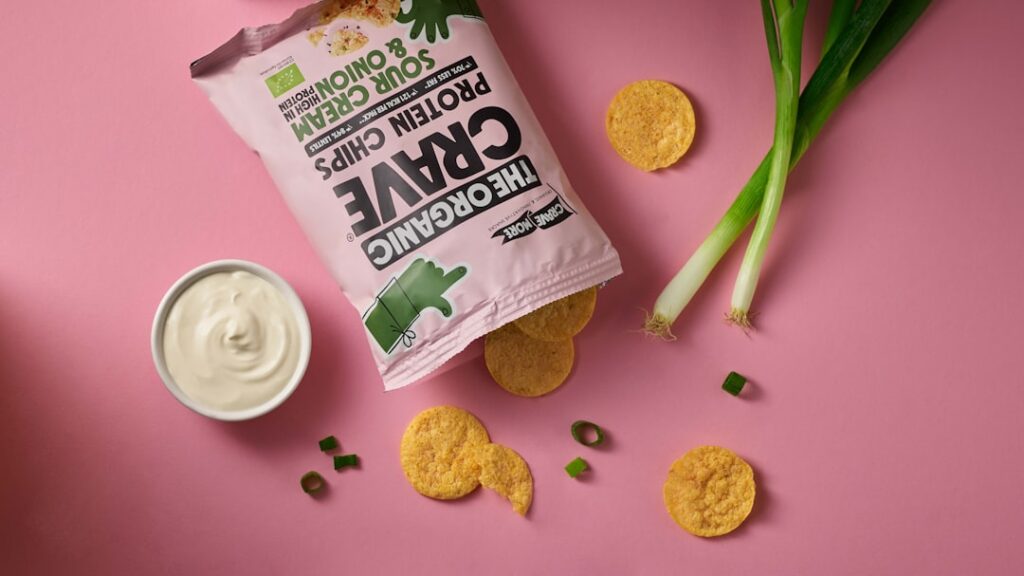
Chips are one of the country’s top-selling salty snacks, and their reputation as nutritional wastelands isn’t entirely deserved — at least not across the board. The healthiest chips on the market today can deliver fiber, protein, and better fat profiles than traditional options, without sacrificing the crunch and saltiness that make chips satisfying. The key is knowing what to look for on the label and remembering that “healthier” doesn’t mean “eat the whole bag.” Because manufacturers reformulate products and adjust package sizes, always confirm the numbers on the current label rather than trusting a figure you saw once. For a complete look at nutrition fundamentals, our preventive health and wellness guide covers dietary guidelines and smart eating strategies.
What Makes a Chip “Healthier”
No chip is a superfood. But when you’re going to snack — and most of us will — some choices are meaningfully better than others. Registered dietitians and nutrition researchers generally evaluate chips on five criteria: total calories per serving, sodium content, fiber and protein (which affect how full you feel), fat quality (are the fats from a source like avocado oil or from seed oils, and is the chip fried or baked?), and ingredient simplicity (fewer additives, recognizable ingredients).
A reasonable benchmark for a “healthier” chip is something in the neighborhood of 130 to 150 calories per serving, a modest amount of sodium (ideally under about 200 mg), at least a couple of grams of fiber, little or no added sugar, and a short ingredient list. Very few traditional potato chips meet all five criteria, which is why the healthiest options tend to be built on alternative bases — beans, lentils, vegetables, or whole grains. Treat the numbers below as general, label-dependent ranges; the exact figures for any product can change with reformulation, so check the package.
Top Healthier Chip Categories
Bean and Lentil Chips
Bean- and lentil-based chips (such as Beanitos and various lentil chip brands) tend to stand out because their protein and fiber come from the legume base itself rather than from added isolates. Depending on the brand, a one-ounce serving commonly provides a few grams each of protein and fiber at roughly 120 to 140 calories, with moderate sodium — but the exact amounts vary by product and flavor, so read the label. Legumes are a smart base: the Mayo Clinic includes beans and lentils in heart-healthy eating patterns for their fiber, folate, and potassium.
Vegetable-Based Chips
Some vegetable chips (for example, brands made from dehydrated red bell pepper, sweet potato, kale, or a mix of root vegetables) deliver a bit more fiber and some of the vitamins found in the source vegetables. Others are fried and are closer to standard chips in calories and fat. Be cautious with “veggie” chips and “veggie straws” that are mostly potato or corn starch tinted with a little vegetable powder for color — check the ingredient list to confirm that real vegetables appear near the top and that the fiber and nutrient numbers actually beat plain potato chips.
Baked and Air-Popped Options
Air-popped and baked chips (popped chip brands, baked versions of mainstream chips, and puffed chickpea snacks) generally cut fat substantially compared with fried chips — often a meaningful reduction in grams of fat per serving. The trade-off is that some baked options are low in protein and fiber and can still be high in sodium, so a lower fat number alone doesn’t make a chip a standout. Chickpea-based puffs are a nice middle ground because the base adds some protein and fiber. As always, compare the specific label.
Whole-Grain Chips
Multigrain tortilla chips that blend corn with seeds like flax, quinoa, and sunflower (from brands that emphasize whole grains) are a modest step up from standard tortilla chips, typically adding a little fiber, protein, and some plant omega-3 (ALA) from the seeds. Whole-grain chips generally provide more sustained energy than refined-flour options because their complex carbohydrates digest more slowly. The improvement is real but usually incremental — check that the first ingredient is a whole grain.
Seaweed Snacks
For the calorie-conscious, roasted seaweed snacks are in a category of their own — very low in calories and fat per serving with a satisfying crispness, plus iodine (important for thyroid function) and some vitamin K and folate. The trade-off is that they don’t deliver the substantial, filling crunch of traditional chips; they work best as a light snack or a complement to other foods. Watch sodium on seasoned varieties.
Chips to Limit
Standard fried potato chips and many flavored varieties tend to be calorie-dense with meaningful fat and sodium and little protein or fiber, which makes them easy to overeat because they don’t fill you up. Heavily flavored chips can add extra sodium along with artificial colors and flavor enhancers. None of this makes an occasional serving “dangerous,” but these are the options to keep occasional and portion-controlled rather than daily staples.
A couple of common myths are worth clearing up. Kettle-cooked chips are often assumed to be “healthier,” but the kettle method mainly changes texture, not the calorie or fat content. And chips advertised as “made with avocado oil” or “cooked in coconut oil” may swap the type of fat but usually keep a similar total fat and calorie count — a better oil doesn’t automatically mean fewer calories.
Reading Chip Labels: What to Watch For
The front of a chip bag is marketing; the back is reality. Start with the serving size — it’s usually about one ounce (roughly 28 grams), which is often smaller than what people pour into a bowl. A single-serve bag is typically one to one-and-a-half ounces, while a “party size” bag can contain many servings despite the name.
Check sodium per serving. Under 140 mg qualifies as “low sodium” by U.S. FDA labeling standards; many chips land higher, which is reasonable for a single serving but adds up quickly across multiple servings. The American Heart Association notes that most Americans’ sodium comes from processed and restaurant foods, with salty snacks a notable contributor, so watching portions helps.
Scan the ingredient list for length and recognizability. The healthiest chips tend to have a handful of ingredients — the base food (beans, potato, corn), oil, and salt. A long list with additives such as maltodextrin, added flavor enhancers, artificial colors, or hydrogenated oils signals a more heavily processed product. That doesn’t make them harmful in moderation, but it does mean you’re further from a whole-food snack.
Smart Snacking Strategies
Even the healthiest chips should be portion-controlled. One ounce is the standard serving size on most labels, but many people eat two to three servings at a sitting when eating straight from the bag. Pre-portioning into a small bowl or buying single-serve bags helps; eating from a smaller container tends to reduce how much you eat.
Pairing chips with protein and healthy fat amplifies satiety. Hummus, guacamole, bean dip, and Greek-yogurt-based dips turn a chip snack into something more balanced. This pairing slows the blood-sugar response from carbohydrate-heavy chips and keeps you satisfied longer — a useful strategy for anyone managing blood sugar. For more on how diet intersects with chronic health conditions, see our medical conditions guide.
Frequently Asked Questions
Are baked chips actually healthier than fried chips?
In terms of fat and calories, usually yes — baked chips typically contain less fat and somewhat fewer calories per serving than fried versions. However, they can still be low in protein and fiber and just as high in sodium. Baked is a better choice than fried, but legume-based chips with more protein and fiber are often better still. Compare the labels.
Are vegetable chips healthy?
It depends on the product. Chips made from actual dehydrated vegetables retain some of the vegetable’s nutrition. But many “veggie straws” and “veggie chips” are mostly potato or corn starch with a little vegetable powder for color and offer no more fiber or vitamins than regular potato chips. Always check the ingredient list and nutrition facts.
How many chips is a reasonable serving?
One ounce — often roughly 15 to 18 standard chips, or fewer if they’re thick — is the serving size listed on most labels. That’s about what fits in a cupped hand. If portion control is hard, buy single-serve bags or pre-portion from a larger bag before you sit down.
Is there such a thing as a “guilt-free” chip?
Not literally — every chip contributes calories and usually sodium. But choosing a legume-, vegetable-, or whole-grain-based option, keeping to a labeled serving, and pairing it with a protein-rich dip lets you enjoy the crunch as part of a balanced diet without overdoing it.
The Bottom Line
The healthiest chips are those made from legumes, whole grains, or actual vegetables, prepared with minimal processing, and eaten in reasonable portions — with bean-based chips generally leading for their protein, fiber, and short ingredient lists, and baked or air-popped options offering real fat reductions. Still, no chip — however “healthy” — should replace fruits, vegetables, nuts, and other whole foods as your main snacks. Because brands reformulate, verify calories, sodium, fiber, protein, and ingredients on the current label rather than any single quoted number. Use chips as an occasional, portion-controlled complement to a diet built on real food. This article is general nutrition information, not personalized dietary or medical advice; a registered dietitian or clinician can tailor guidance to your needs.
Sources
- Mayo Clinic — healthy eating, legumes, and snacking guidance (mayoclinic.org).
- American Heart Association — sodium and salty snacks; reading nutrition labels (heart.org).
- U.S. Food & Drug Administration — Nutrition Facts label, serving sizes, and sodium labeling (“low sodium” definitions) (fda.gov).
- Dietary Guidelines for Americans, USDA and U.S. Department of Health and Human Services (dietaryguidelines.gov).