
- Fasting glucose is a single-moment snapshot; HbA1c reflects average blood sugar over roughly the past 2–3 months.
- Neither test is universally "better" — clinicians often use them together and confirm results before diagnosing.
- Reference ranges and units can vary by lab, so read your result against the range printed on your own report.
- Many factors (illness, anemia, hemoglobin variants, timing of your last meal) can affect one test or the other.
- Only a licensed clinician can interpret results in the context of your health history — do not self-diagnose or change treatment.
If you have had blood work done, you may have seen two different blood sugar measurements: a fasting glucose value and an HbA1c (also written A1C). They both relate to blood sugar, but they measure different things over different time frames. Understanding what each one reflects can help you have a more informed conversation with your clinician — though only a licensed professional can interpret your results and decide what, if anything, they mean for you.
What fasting glucose measures
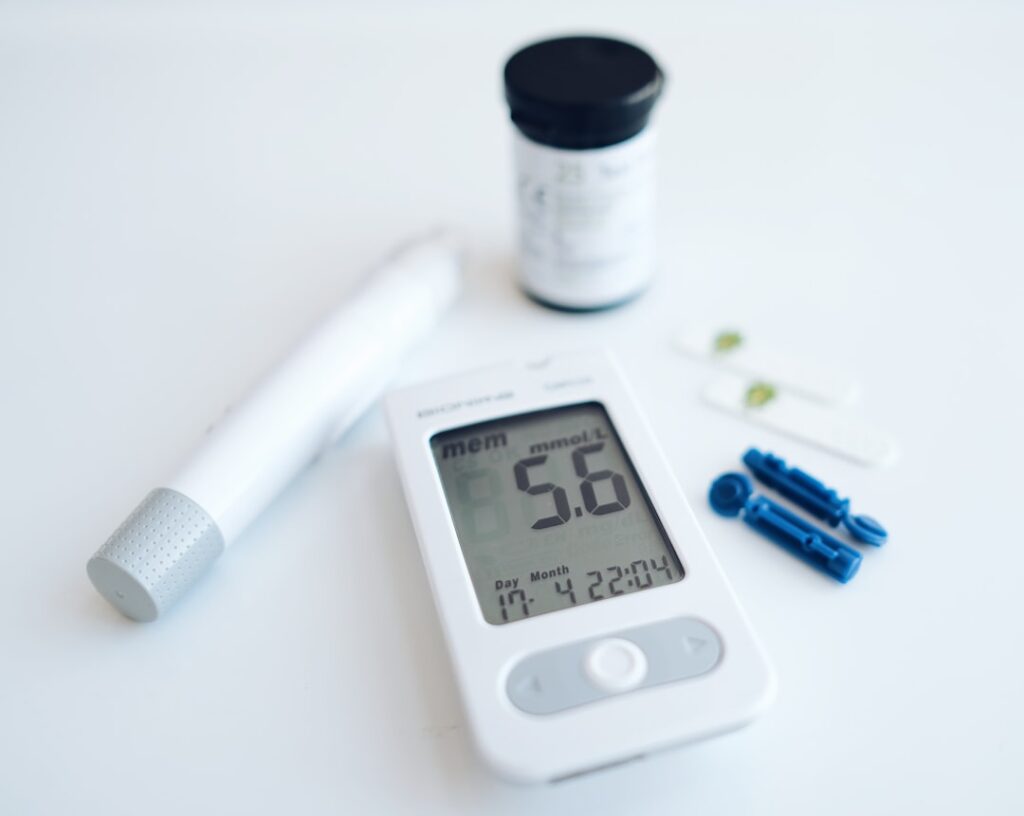
A fasting plasma glucose (FPG) test measures the amount of glucose in your blood at a single moment, after you have not eaten for typically 8 or more hours. Because it is a snapshot, the number can be influenced by what and when you last ate, stress, illness, certain medications, and even how well you slept. Two people with the same long-term blood sugar patterns can show different fasting values on different mornings.
According to organizations such as the American Diabetes Association (ADA) and MedlinePlus, fasting glucose is one of several tests clinicians may use when evaluating blood sugar. It is quick and widely available, but a single reading is generally not enough to establish a diagnosis on its own.
What HbA1c measures
HbA1c estimates your average blood glucose over roughly the previous two to three months. It works by measuring the percentage of hemoglobin (the oxygen-carrying protein in red blood cells) that has glucose attached to it. Because red blood cells live for around three months, the test reflects a longer window rather than a single moment — and it does not require fasting.
That longer view is why HbA1c is often used to monitor blood sugar trends over time. However, it can be affected by conditions that change red blood cell turnover — such as certain anemias, recent blood loss, pregnancy, or inherited hemoglobin variants — which is one reason results are always read in context.
Typical ranges (and why your lab’s numbers matter most)
The figures below reflect commonly cited thresholds from bodies like the ADA and CDC for non-pregnant adults. Units and cut-offs can vary by laboratory and country, and different guidelines exist for children, pregnancy, and specific conditions. Always compare your result against the reference range printed on your own report.
| Category (general guide) | Fasting glucose | HbA1c |
|---|---|---|
| Typical / expected range | Below ~100 mg/dL | Below ~5.7% |
| Elevated / “prediabetes” range | ~100–125 mg/dL | ~5.7%–6.4% |
| Range that may suggest diabetes | ~126 mg/dL or higher | ~6.5% or higher |
These are educational reference points, not a diagnosis. A single result in any range does not by itself confirm a condition; clinicians typically repeat or combine tests before drawing conclusions.
HbA1c vs. fasting glucose: how they differ
- Time window: Fasting glucose = one moment; HbA1c = a 2–3 month average.
- Preparation: Fasting glucose usually requires fasting; HbA1c generally does not.
- Day-to-day swings: Fasting glucose can vary more from day to day; HbA1c is steadier.
- Potential interference: HbA1c can be skewed by red-blood-cell conditions and hemoglobin variants; fasting glucose can be skewed by recent food, stress, or illness.
Because each captures something the other misses, clinicians frequently look at both — sometimes alongside an oral glucose tolerance test — rather than relying on one number.
So which test is “better”?
There is no single answer that fits everyone, and the honest response is that “better” depends on the situation and the person. Fasting glucose can flag a high value on a given day; HbA1c smooths out the noise and shows a trend. For some people with certain blood conditions, one test may be more reliable than the other, which is exactly why interpretation belongs with a clinician who knows your history. If you are exploring your overall health, you may also find our broader wellness guide hub and our overview of how vitamin D forms compare useful as general education.
When to talk to a clinician
If your results fall outside your lab’s reference range, if you have symptoms such as unusual thirst, frequent urination, fatigue, or blurred vision, or if you simply want to understand your numbers, speak with a licensed healthcare professional. They can order confirmatory testing, factor in your medications and medical history, and advise on next steps. This article is not a substitute for that conversation, and nothing here should be used to self-diagnose or change any treatment.
Frequently asked questions
Can I have a normal fasting glucose but an elevated HbA1c (or vice versa)?
Yes. Because they measure different time frames, the two can disagree. A clinician looks at the whole picture and may repeat testing.
Do I need to fast for an HbA1c test?
Generally no — HbA1c does not require fasting. Fasting glucose typically does. Follow the specific instructions your provider gives you.
Why are the numbers on my report different from what I read online?
Labs can use different units, methods, and reference ranges. The range printed alongside your result is the one that applies to you.
Can other conditions affect these tests?
Yes. Anemia, recent blood loss, pregnancy, certain hemoglobin variants, illness, and some medications can affect one or both tests. This is a key reason results are interpreted in context.
Is one test enough to diagnose diabetes?
Usually not on its own. Guidelines from bodies like the ADA generally call for confirmation, often with a repeat or a second type of test.
How often should these be checked?
That depends entirely on your individual risk factors and health history — a decision to make with your clinician, not from a general article.
This article is for general education and is not medical advice. Supplements and therapies affect people differently and can interact with medications or conditions. Talk to your doctor, pharmacist, or a licensed clinician before making changes to your health routine.
Sources
- American Diabetes Association (ADA) — diagnostic criteria and blood sugar testing guidance
- Centers for Disease Control and Prevention (CDC) — A1C and blood sugar education
- MedlinePlus (U.S. National Library of Medicine) — blood glucose and A1C test overviews
- Mayo Clinic — patient education on glucose testing and HbA1c
- NIH National Institute of Diabetes and Digestive and Kidney Diseases (NIDDK) — blood glucose and A1C information