
Gestational diabetes is very manageable, but some symptoms need prompt attention. Call your prenatal provider the same day, or go to the emergency room, if you notice signs of preeclampsia – a severe or persistent headache, changes in vision (blurring, spots, or light sensitivity), sudden or severe swelling of the face or hands, or pain in the upper right abdomen. Also seek urgent care for very high blood sugar (with excessive thirst, frequent urination, nausea, or confusion), very low blood sugar (shakiness, sweating, confusion, or fainting – especially if you take insulin), or decreased or absent fetal movement. When in doubt, call – these signs are checked quickly and taken seriously.
Gestational diabetes affects an estimated 2 to 10 percent of pregnancies in the United States each year, making it one of the most common pregnancy complications, according to the CDC. Gestational diabetes is a form of high blood sugar that develops during pregnancy in women who did not have diabetes before conceiving. While the diagnosis can be alarming, the condition is highly manageable – and proper management protects both mother and baby from serious complications. What many women do not realize is that gestational diabetes also signals a significantly increased long-term risk of developing type 2 diabetes after delivery. This guide covers everything from screening to postpartum planning. For related conditions, see our medical conditions guide.
How Gestational Diabetes Develops
During pregnancy, the placenta produces hormones essential for fetal development – including human placental lactogen, estrogen, progesterone, and cortisol. These hormones have a side effect: they make the mother’s cells less responsive to insulin, a phenomenon called insulin resistance. In most pregnancies, the pancreas compensates by producing more insulin. Gestational diabetes develops when the pancreas cannot keep up with the increased demand.
Insulin resistance is a normal part of pregnancy – it exists to help ensure the fetus receives adequate glucose for growth. The problem arises when maternal blood sugar rises above the range that is safe for both mother and baby. This typically occurs in the second and third trimesters, when placental hormone production peaks. According to the American College of Obstetricians and Gynecologists, gestational diabetes is most commonly diagnosed between 24 and 28 weeks of gestation.
The underlying mechanism is similar to type 2 diabetes – insulin resistance combined with relative insulin deficiency – but the trigger is the metabolic demands of pregnancy. After delivery, when placental hormones are removed from the equation, blood sugar levels typically return to normal. However, the fact that the pancreas could not compensate during pregnancy reveals an underlying vulnerability that often manifests as type 2 diabetes later in life.
Screening and Diagnosis
The standard approach to screening in the United States is a two-step process. At 24 to 28 weeks of gestation, pregnant women who are not already known to have diabetes undergo a glucose challenge test (GCT). This involves drinking a 50-gram glucose solution and having blood sugar measured one hour later. A result at or above a set threshold (commonly around 130 to 140 mg/dL, depending on the practice) is considered a positive screen and warrants further testing.
Women who screen positive proceed to the three-hour oral glucose tolerance test (OGTT). After an overnight fast, a baseline blood sugar is drawn, followed by a 100-gram glucose solution, with blood sugar measured at one, two, and three hours. According to the American Diabetes Association, gestational diabetes is diagnosed when two or more values meet or exceed established thresholds (the commonly used Carpenter-Coustan criteria: fasting 95 mg/dL, one hour 180 mg/dL, two hours 155 mg/dL, three hours 140 mg/dL).
An alternative one-step approach, recommended by some international guidelines, uses a 75-gram OGTT with lower diagnostic thresholds. This approach identifies more women with gestational diabetes, but there is ongoing debate about whether treating the additional cases improves outcomes. Women at high risk – those with obesity, a family history of diabetes, prior gestational diabetes, or polycystic ovary syndrome – may be screened earlier in pregnancy, often at the first prenatal visit, and re-screened later if the early test is normal.
Risk Factors
Being overweight or having obesity before pregnancy is among the strongest risk factors for gestational diabetes. A higher pre-pregnancy BMI substantially increases risk compared with a normal-weight woman, and excessive weight gain during pregnancy can compound it.
Age plays a role – risk tends to increase with advancing maternal age. A personal history of gestational diabetes is a strong predictor; recurrence rates in later pregnancies are high, though estimates vary widely by population. Having a first-degree relative with type 2 diabetes is also significant.
Racial and ethnic disparities exist. Hispanic, African American, Native American, South Asian, and Pacific Islander women face higher rates of gestational diabetes compared with white women, even after adjusting for BMI and other factors – differences that reflect a mix of genetic and social determinants of health. Polycystic ovary syndrome, which is itself characterized by insulin resistance, increases risk. A previous pregnancy resulting in a large baby (macrosomia) or a prior stillbirth also raises suspicion for underlying glucose intolerance.
Risks to the Baby
Uncontrolled gestational diabetes exposes the developing baby to chronically elevated blood glucose. Glucose crosses the placenta freely, and in response, the fetal pancreas produces excess insulin. This combination of high glucose and high insulin drives accelerated fetal growth, leading to macrosomia – typically defined as a birth weight above about 4,000 grams (roughly 8 pounds 13 ounces). Macrosomic babies are at increased risk for birth injuries, including shoulder dystocia (the shoulders becoming stuck during delivery), brachial plexus injuries, and clavicle fractures.
After birth, babies of mothers with gestational diabetes may experience hypoglycemia (low blood sugar) because their pancreas continues to produce excess insulin even after the high-glucose placental supply is cut off. Other neonatal complications can include respiratory distress, jaundice, and low calcium or magnesium levels. These conditions are typically manageable with newborn care but can be distressing for new parents.
There are also potential long-term consequences. Children born to mothers with gestational diabetes have an increased risk of childhood obesity and metabolic problems, and they may be more likely to develop type 2 diabetes themselves. Research published in Diabetes Care suggests that intrauterine exposure to high blood sugar can influence a child’s metabolism into later life – a concept sometimes called “metabolic programming.” Good glucose control during pregnancy helps reduce these risks.
Risks to the Mother
Women with gestational diabetes face an increased risk of preeclampsia – a dangerous pregnancy complication characterized by high blood pressure and signs of organ stress (such as protein in the urine). Preeclampsia can progress to organ damage, seizures (eclampsia), and, in severe cases, threaten the life of mother or baby, which is why the warning signs at the top of this guide should never be ignored. The risk of cesarean delivery is also higher, largely due to macrosomia and labor complications.
The most significant long-term risk is the development of type 2 diabetes after pregnancy. According to the NIDDK, a large share of women with gestational diabetes – commonly cited as up to about half – go on to develop type 2 diabetes within roughly 5 to 10 years of delivery. This risk can be substantially reduced through lifestyle changes; the Diabetes Prevention Program demonstrated meaningful reductions in diabetes risk with lifestyle intervention (and, in some participants, metformin) among women with prior gestational diabetes.
Recurrent gestational diabetes in future pregnancies is also common and tends to occur earlier and be more pronounced. Women with gestational diabetes should be counseled about these risks and encouraged to optimize their health before subsequent pregnancies.
Blood Sugar Management During Pregnancy
The primary goal of gestational diabetes management is to keep blood sugar within a target range that minimizes risks to mother and baby. The American Diabetes Association’s commonly used self-monitored targets are: fasting below 95 mg/dL, one hour after a meal below 140 mg/dL, or two hours after a meal below 120 mg/dL. Your own targets should be confirmed with your care team, since they can be individualized.
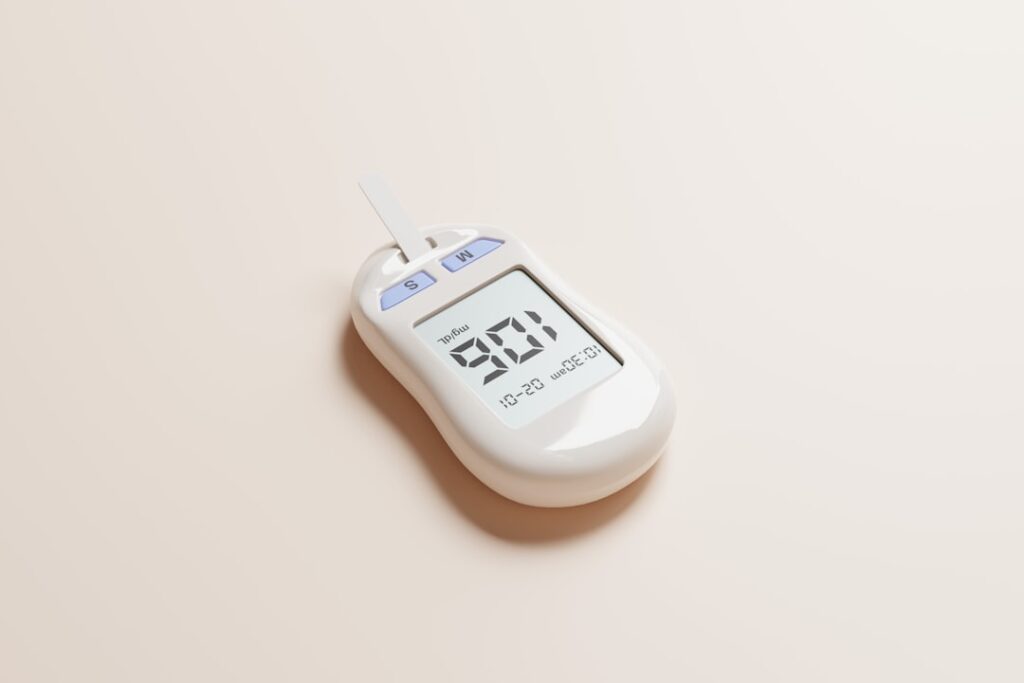
Blood sugar monitoring is the cornerstone of management. Many women are asked to check their blood sugar four times daily – fasting and after each meal – using a glucometer, though some providers use continuous glucose monitors. Consistent monitoring lets you and your provider identify patterns, judge the effect of dietary changes, and decide whether medication is needed.
Medical nutrition therapy (MNT) is the first-line treatment. A registered dietitian can help you build a meal plan that provides adequate nutrition for pregnancy while keeping blood sugar in range. Key principles include distributing carbohydrate intake across three meals and two to three snacks, choosing complex carbohydrates over simple sugars, pairing carbohydrates with protein and healthy fats, and avoiding large carbohydrate loads at a single sitting. Most women with gestational diabetes can reach their targets with dietary changes alone.
Medication and Insulin Therapy
When diet and lifestyle changes do not achieve target blood sugar – often after a week or two of trying – medication is added. Insulin is generally considered the standard treatment for gestational diabetes because it does not cross the placenta and has the longest safety record in pregnancy. Regimens are individualized; some women need only a long-acting basal insulin, while others need both basal and mealtime insulin. This guide does not provide doses – insulin regimens are prescribed and adjusted only by your clinician.
Oral medications, particularly metformin and (less commonly now) glyburide, are sometimes used as alternatives to insulin. Metformin has a growing body of evidence in pregnancy, though it does cross the placenta, and a substantial proportion of women who start metformin – roughly half in some trials – eventually need supplemental insulin to reach targets. Glyburide crosses the placenta minimally but has been associated in some data with higher rates of neonatal hypoglycemia and macrosomia compared with insulin, so it is used more selectively.
The choice between insulin and oral agents should be a shared decision between you and your provider, weighing blood sugar levels, patient preference, cost, and individual risk factors. Whatever treatment is chosen, close blood sugar monitoring remains essential, and doses should never be self-adjusted.
Exercise and Physical Activity
Regular physical activity improves insulin sensitivity and helps control blood sugar in women with gestational diabetes. ACOG generally recommends at least 150 minutes of moderate-intensity aerobic activity per week during pregnancy, assuming no contraindications. Walking after meals is particularly effective – even a 10- to 15-minute post-meal walk can reduce blood sugar spikes.
Safe activities during pregnancy commonly include brisk walking, swimming, stationary cycling, prenatal yoga, and low-impact aerobics. Activities to avoid include contact sports, activities with a high risk of falling, and exercise performed lying flat on the back after the first trimester (which can compress the vena cava and reduce blood flow to the uterus). Always discuss your exercise plan with your obstetrician, especially if you have other pregnancy complications.
The psychological benefits of exercise should not be underestimated. A diagnosis of gestational diabetes often brings anxiety and guilt. Regular physical activity can improve mood, reduce stress, and provide a sense of control over the condition.
Delivery Planning and Postpartum Care
The timing and mode of delivery depend on how well blood sugar has been controlled, the estimated fetal weight, and other pregnancy factors. For women with well-controlled gestational diabetes, delivery around 39 to 40 weeks is typical. If glucose control has been poor or the baby appears large on ultrasound, earlier delivery may be recommended. Induction of labor is common, and a planned cesarean may be considered when the estimated fetal weight is very high.
After delivery, blood sugar usually normalizes quickly as placental hormones clear, and insulin or oral diabetes medications are generally discontinued right after birth. However, postpartum glucose testing is critical. The ADA recommends an oral glucose tolerance test at about 4 to 12 weeks postpartum to screen for persistent diabetes or prediabetes, followed by lifelong screening every one to three years.
Breastfeeding is strongly encouraged for women with gestational diabetes. It supports postpartum weight loss, improves maternal glucose metabolism, and may reduce the child’s later risk of obesity and diabetes. The World Health Organization recommends exclusive breastfeeding for the first six months of life, with continued breastfeeding alongside complementary foods thereafter, for those able to do so.
Long-Term Prevention of Type 2 Diabetes
The postpartum period is a critical window for preventing type 2 diabetes. Unfortunately, many women lose contact with their healthcare providers after the initial postpartum visits, and the lifestyle changes practiced during pregnancy often lapse. Research shows that postpartum weight retention and sedentary behavior are strong predictors of future diabetes.
The same strategies that work for prediabetes apply here: achieving and maintaining a healthy weight, engaging in regular physical activity, and making sustainable dietary changes. The Diabetes Prevention Program has shown these measures are effective specifically in women with a history of gestational diabetes, and metformin may be considered for some higher-risk women. Cost should not be a barrier to follow-up care – our healthcare costs guide can help you understand and plan for the expense of monitoring and prevention.
Planning future pregnancies is also important. Entering pregnancy at a healthier weight and with better baseline glucose tolerance reduces the risk and severity of recurrent gestational diabetes. Preconception counseling with your obstetrician or endocrinologist can help you optimize your metabolic health before conceiving again.
Frequently Asked Questions
Did I cause my gestational diabetes?
No. Gestational diabetes is caused by the hormonal changes of pregnancy in combination with genetic predisposition. While excess weight increases risk, many normal-weight women develop gestational diabetes, and many women with obesity do not. The condition reflects a complex interaction between placental hormones and your body’s insulin-producing capacity – it is not a result of anything you did wrong during pregnancy.
Will my baby have diabetes?
Your baby will not be born with diabetes. However, children born to mothers with gestational diabetes have an increased long-term risk of obesity and type 2 diabetes, particularly if they were exposed to high blood sugar in the womb. Good glucose control during pregnancy and promoting healthy lifestyle habits for your child can help lower this risk.
Can I eat fruit if I have gestational diabetes?
Yes, in controlled portions. Fruit contains natural sugar and carbohydrates that affect blood sugar. Pair fruit with a protein source (such as cheese or nuts), choose lower-glycemic options (berries, apples, pears), and limit portions to one serving at a time. Fruit juice is best avoided because it causes rapid blood sugar spikes without the fiber of whole fruit. A dietitian can help you fit fruit into your plan.
Will gestational diabetes go away after delivery?
In most cases, blood sugar returns to normal within days to weeks after delivery. However, gestational diabetes indicates an underlying vulnerability to insulin resistance. A significant share of women – up to roughly half in long-term studies – develop type 2 diabetes within 5 to 10 years, which is why postpartum screening and ongoing healthy habits matter so much.
How often should I check my blood sugar during pregnancy?
Many providers recommend checking blood sugar four times daily: once fasting (first thing in the morning) and once after each meal (either one or two hours after the first bite, depending on your provider’s preference). If your levels are consistently well-controlled on diet alone, your provider may reduce the monitoring frequency over time. Follow the specific plan your care team gives you.
Taking Charge for You and Your Baby
A gestational diabetes diagnosis can feel overwhelming, but it is one of the most manageable pregnancy complications when addressed proactively. Work closely with your obstetrician, endocrinologist, or midwife and a registered dietitian. Monitor your blood sugar consistently, stay physically active, and do not hesitate to start medication if dietary changes are not enough – the goal is healthy outcomes for both you and your baby, and there is no merit badge for avoiding insulin.
After delivery, do not let your guard down. Keep your postpartum glucose-testing appointment, maintain the healthy habits you developed during pregnancy, and talk to your doctor about your long-term diabetes risk. And throughout, pay attention to the warning signs – preeclampsia symptoms, very high or low blood sugar, and reduced fetal movement all warrant a prompt call. Gestational diabetes is both a pregnancy condition and a lifelong call to action for your metabolic health.
This article is general education, not medical advice, and is not a substitute for care from your prenatal provider. It contains no medication dosing on purpose: insulin and oral-agent regimens, and blood sugar targets, are individualized by your clinician. If you have signs of preeclampsia, very high or low blood sugar, or decreased fetal movement, contact your provider the same day or go to the emergency room.
Sources
- CDC, Gestational Diabetes – cdc.gov
- ACOG (American College of Obstetricians and Gynecologists), Gestational Diabetes – acog.org
- American Diabetes Association, Standards of Care (Management of Diabetes in Pregnancy) – diabetesjournals.org
- NIDDK, Gestational Diabetes – niddk.nih.gov
- MedlinePlus (U.S. National Library of Medicine), Gestational Diabetes – medlineplus.gov