
Choosing the right foods to eat when you have acid reflux can meaningfully reduce the frequency and severity of heartburn, regurgitation, and other uncomfortable symptoms. Diet is one of the most practical tools for managing gastroesophageal reflux disease (GERD), and many people find real relief simply by adjusting what — and how — they eat.
Acid reflux occurs when stomach acid flows back into the esophagus, irritating the lining and causing that familiar burning sensation. According to the National Institute of Diabetes and Digestive and Kidney Diseases (NIH/NIDDK), GERD is common in the United States, affecting roughly one in five people. Understanding which foods to eat when you have acid reflux and which to limit gives you practical, everyday control over your symptoms. This guide is educational and is not a substitute for personalized medical advice.
How Food Affects Acid Reflux
Food influences reflux through several mechanisms. Some foods relax the lower esophageal sphincter (LES), the muscular valve that normally keeps stomach contents from flowing upward. Others can increase stomach acid, delay stomach emptying, or directly irritate an already-inflamed esophagus.
The Mayo Clinic explains that the LES normally opens to let food into the stomach and then closes tightly. When it relaxes at the wrong time, acid can escape upward. Choosing foods that are gentler on digestion — and paying attention to portion size and timing — can reduce how often that happens. One important caveat: triggers are highly individual. A food that bothers one person may be perfectly fine for another, which is why a personal food-and-symptom diary is so useful.
For a deeper understanding of reflux-related conditions, see our medical conditions guide and our overview of symptoms of pancreatitis, which can sometimes be confused with severe upper-abdominal pain.
Best Vegetables for Acid Reflux
Vegetables are naturally low in fat and sugar, making them among the safest foods for people with reflux. They also provide fiber, which supports healthy digestion.
Green leafy vegetables: Spinach, kale, and lettuce are low-acid and generally well tolerated.
Broccoli and cauliflower: These cruciferous vegetables are usually gentle on reflux, though some people notice gas or bloating; introduce them gradually and note your tolerance.
Cucumbers: With high water content and a mild flavor, cucumbers are easy to digest and rarely provoke symptoms.
Sweet potatoes: Complex carbohydrates like sweet potatoes are easy on the stomach and provide sustained energy. Bake or steam them rather than frying.
Asparagus, green beans, and peas: These are gentle on the digestive system and provide fiber and nutrients without irritating the esophagus.
Best Proteins for Acid Reflux
Protein is essential, but the type and preparation matter for reflux management. Lean, non-fried choices are best.
Lean poultry: Skinless chicken and turkey breast are low in fat. Bake, grill, or poach rather than frying, and remove the skin, where much of the fat sits.
Fish and seafood: Salmon, tilapia, shrimp, and other seafood provide lean protein, and fatty fish add anti-inflammatory omega-3 fatty acids. Bake or broil rather than frying.
Eggs: Egg whites are a particularly safe choice because the fat is concentrated in the yolk. If whole eggs do not trigger your symptoms, they are a nutritious option.
Tofu and tempeh: Plant-based proteins are generally well tolerated and low in fat, and tofu takes on the flavor of whatever it is cooked with.
Legumes: Beans, lentils, and chickpeas offer protein and fiber. Some people with reflux get gas or bloating from legumes, so introduce them gradually.
Best Grains and Starches for Acid Reflux
Complex carbohydrates are generally safe and make a satisfying base for meals.
Oatmeal: A standout choice — oatmeal is filling, high in fiber, and easy on the stomach. High-fiber diets are associated with fewer reflux symptoms in some research summarized by the Cleveland Clinic. Choose steel-cut or rolled oats over sugary instant varieties.
Brown rice: A whole grain that is easy on the stomach and pairs well with lean proteins and vegetables.
Whole grain bread: Choose whole grain over white for more fiber, and skip breads made with a lot of added fat, such as croissants or butter rolls.
Potatoes: Both white and sweet potatoes are starchy and generally well tolerated. Bake or boil rather than making french fries.
Couscous and quinoa: Light, mild grains that provide carbohydrates (and, in quinoa’s case, protein) without triggering reflux for most people.
Best Fruits for Acid Reflux
Fruit can be tricky because many varieties are acidic, but several are gentle and beneficial.
Bananas: Low in acid and easy to digest, bananas are one of the most reflux-friendly fruits.
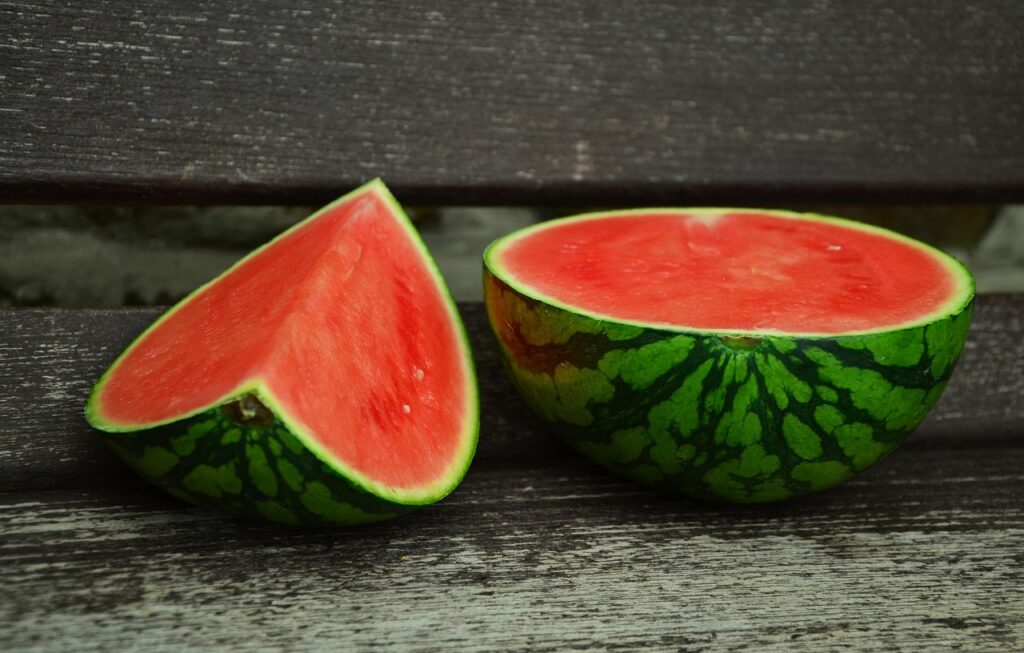
Melons: Watermelon, cantaloupe, and honeydew are low-acid and high in water, and they rarely trigger symptoms.
Pears: Mild and low in acid, pears are a good source of fiber and are usually well tolerated.
Apples: Most people with reflux tolerate apples well, especially less tart varieties. If raw apples bother you, try them baked or stewed.
Ginger: Long used to ease nausea and digestive discomfort, ginger — fresh, in tea, or grated into cooking — is a soothing addition for many people with reflux.
Beverages That Are Often Well Tolerated
What you drink matters as much as what you eat.
Water: Plain water is the best default. The Mayo Clinic suggests spacing fluids so you are not overfilling the stomach at meals.
Herbal teas: Caffeine-free options such as chamomile or ginger tea can feel soothing. Avoid peppermint tea, which can relax the LES and worsen reflux in some people.
Plant-based milks: Almond, oat, and soy milk are alternatives for people who find dairy triggers symptoms.
Low-acid choices: If you enjoy juice, lower-acid options such as pear or melon juice are gentler than citrus or tomato juice.
Foods to Limit With Acid Reflux
While this guide focuses on what to eat, a short list of common triggers completes the picture. Remember that triggers vary from person to person, so use this as a starting point, not a strict rulebook:
- Fried and fatty foods: Slow stomach emptying and can relax the LES
- Citrus fruits and juices: High acidity can irritate the esophagus
- Tomatoes and tomato-based sauces: Acidic and a common trigger
- Chocolate: Contains compounds that can relax the LES
- Coffee and caffeinated drinks: May stimulate acid and relax the LES
- Mint: Can relax the LES
- Alcohol: Can irritate the esophagus and relax the LES
- Spicy foods: May irritate an inflamed esophagus
- Carbonated beverages: Add pressure in the stomach
- Onions and garlic: Trigger symptoms for some people, especially raw
For more everyday strategies, visit our wellness guide.
Lifestyle Habits That Reduce Reflux
Diet works best alongside a few habits that many clinicians recommend:
- Eat smaller, more frequent meals rather than large ones.
- Avoid lying down for about 2–3 hours after eating.
- Elevate the head of the bed (or use a wedge) if nighttime reflux is an issue.
- Reach and maintain a healthy weight; extra abdominal weight increases pressure on the stomach.
- Avoid tight clothing around the waist, and if you smoke, ask your clinician about quitting — tobacco can worsen reflux.
When to See a Doctor: Red Flags
Diet and lifestyle help many people, but reflux is sometimes a sign of something that needs medical attention. See a clinician promptly if you have any of the following, which the Mayo Clinic and gastroenterology guidelines identify as warning signs:
- Difficulty swallowing, or food that feels stuck, or pain when swallowing
- Unintended weight loss
- Vomiting blood, or stools that are black, tarry, or bloody
- Persistent nausea or vomiting
- Frequent symptoms (for example, more than twice a week) or symptoms that do not improve with over-the-counter treatment, which can raise the risk of complications such as Barrett’s esophagus over time
Chest pain is different: chest pain can be caused by reflux, but it can also signal a heart attack, which is a medical emergency. Do not assume chest pain is “just heartburn.” If you have chest pain or pressure — especially with shortness of breath, sweating, nausea, or pain spreading to the arm, jaw, or back — call 911 immediately. When in doubt, get evaluated.
Frequently Asked Questions
Can you cure acid reflux with diet alone?
Many people with mild-to-moderate reflux get substantial relief from diet and lifestyle changes. However, chronic or severe GERD may also need medication or other treatment. Research summarized by the NIH suggests that combining dietary changes with habits such as weight management, elevating the head of the bed, and not eating close to bedtime tends to work best. Talk with a clinician if symptoms persist.
Is yogurt good for acid reflux?
Plain, low-fat yogurt is generally well tolerated and its probiotics may support digestion. Flavored yogurts high in sugar or with added citrus, and full-fat yogurt, bother some people. Start small and note your own response.
What is the best breakfast for acid reflux?
Oatmeal topped with banana is a classic reflux-friendly breakfast. Other options include egg whites with sauteed vegetables, whole grain toast with almond butter, or a smoothie made with banana, almond milk, and spinach. Traditional triggers such as coffee, orange juice, bacon, and pastries are best limited.
Does drinking water help acid reflux?
Water can help by diluting and washing down acid, but drinking a large amount during a meal can overfill the stomach. Sipping through the day and drinking most fluids between meals is a reasonable approach.
Key Takeaways
The best foods to eat when you have acid reflux include non-citrus fruits, vegetables, lean proteins, whole grains, oatmeal, and ginger — low-fat, low-acid, non-spicy choices that are gentle on digestion. Limit common triggers such as fried and fatty foods, citrus, tomato, chocolate, caffeine, alcohol, mint, and carbonated drinks, while remembering that triggers are individual and a food-and-symptom diary is the surest way to find yours. Pair diet with lifestyle habits: smaller meals, not lying down after eating, elevating the head of the bed, and a healthy weight. Seek medical care for red flags — trouble or pain swallowing, weight loss, vomiting blood or black stools, or persistent symptoms — and treat chest pain as a possible emergency by calling 911. This article is for general education and is not medical advice; a clinician can tailor a plan to you.
Sources
- Mayo Clinic — Gastroesophageal reflux disease (GERD): symptoms, causes, diet, and when to see a doctor (mayoclinic.org).
- National Institute of Diabetes and Digestive and Kidney Diseases (NIH/NIDDK) — Acid Reflux (GER & GERD) (niddk.nih.gov).
- MedlinePlus (U.S. National Library of Medicine) — GERD and heartburn (medlineplus.gov).
- Cleveland Clinic — GERD diet and fiber (my.clevelandclinic.org).
- American College of Gastroenterology — GERD clinical guidance and alarm symptoms (gi.org).