
- Direct primary care (DPC) is a flat monthly membership for unlimited primary care, wholesale labs, and direct doctor access — it is NOT insurance, so you still need a separate plan for hospital, specialty, and emergency care.
- Orlando DPC fees generally run about $55–$95/month for an adult, with families often $170–$250/month; wholesale labs and in-house generics can save substantially versus billed prices (verify current local pricing directly with each clinic).
- Big Orlando systems (AdventHealth, Orlando Health, Nemours) are insurance-based, not DPC; find verified DPC practices through the DPC Frontier mapper and Hint Connect rather than a single recommended clinic.
- 2026 update: H.R.1 (the "One Big Beautiful Bill Act," signed July 4, 2025) makes a qualifying DPC arrangement — generally a fee under $150/month from a primary-care clinician — HSA-compatible starting in 2026, replacing the old rule that generally disallowed it; confirm with a tax advisor because IRS guidance is still developing.
- Medicare patients can join a DPC clinic if the physician has formally opted out of Medicare and signs a private contract; Medicare still covers hospital, specialty, and outside-lab services.
- DPC is not for emergencies — call 911 for chest pain, stroke symptoms, or severe injury, and 988 for a mental health crisis.
Central Florida’s healthcare market has grown rapidly alongside the population boom in Orange, Seminole, Lake, and Osceola counties. The big systems — AdventHealth, Orlando Health, and Nemours — dominate primary care, but appointment waits can stretch and out-of-pocket costs keep climbing for working families and self-employed professionals. Direct primary care Orlando clinics offer an alternative: a flat monthly subscription that covers unlimited primary care visits, basic labs at wholesale, and direct doctor access. Florida’s DPC scene has expanded steadily over the past several years, with clusters commonly reported in Winter Park, Lake Nona, Apopka, and Clermont. This guide walks through what membership typically costs in Orlando, how DPC fits with central Florida insurance, and how to evaluate a clinic — including an important 2026 change to how health savings accounts interact with DPC.
What Direct Primary Care Is and How It Differs from Insurance-Based Primary Care
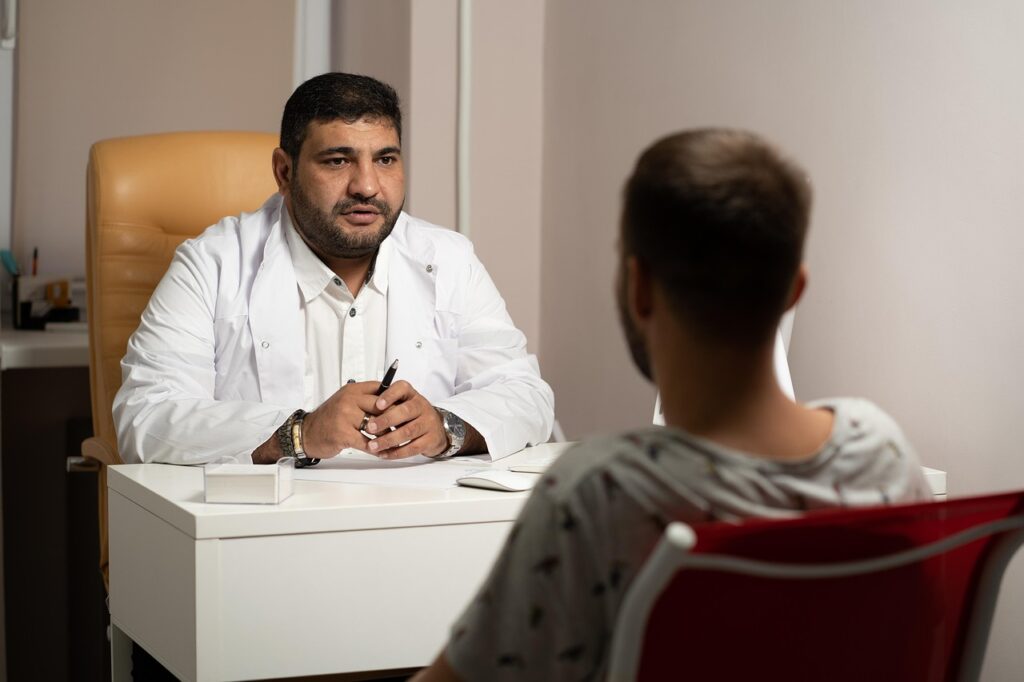
Direct primary care is a flat-fee membership model. You pay your physician a monthly subscription, and the clinic does not bill insurance for office visits or routine in-house services. The AAFP describes DPC as a model in which physicians typically keep much smaller patient panels — often in the range of 600 to 800 patients, well below the 2,000 to 2,500 common in insurance-based primary care.
For Orlando patients, that smaller panel tends to produce tangible differences. Visits often run 30 to 60 minutes versus the 15 to 20 typical at large systems, same-day or next-day scheduling is common, and patients can usually text or message their physician between appointments. DPC also differs from concierge medicine: concierge practices generally charge a high annual retainer (often $1,500 to $5,000 or more) on top of insurance and still bill the plan for visits, whereas DPC replaces the office-visit billing entirely with the membership fee. Availability, hours, and exact services vary by practice, so verify the specifics with any clinic you are considering.
Typical DPC Monthly Fees in Orlando
Orlando’s DPC pricing tends to track the national range, though individual clinics set their own fees and rates change over time — treat the figures below as ballpark estimates and confirm current pricing directly with each practice. Adult fees commonly run about $55 to $95 per month, with $65 to $85 a frequent rate. Couples often pay roughly $120 to $170 combined, and a family of four typically lands somewhere around $170 to $250 a month. Children commonly run about $20 to $40 per month and seniors about $80 to $115.
Much of the value sits on the labs and medications side. Wholesale labs can run roughly $5 to $15 each for a CMP, lipid panel, or A1c, versus $50 to $200 or more when billed through a hospital lab. In-house generics may dispense for a few dollars for a 30-day supply of common medications such as lisinopril, metformin, sertraline, or atorvastatin, compared with typical retail cash prices — though exact dispensary pricing varies by clinic. For broader cost benchmarks, see our healthcare costs guide.
Finding DPC Clinics and Networks in Orlando
Insurance-based primary care in metro Orlando is dominated by large systems such as AdventHealth, Orlando Health, and Nemours Children’s Health (for pediatrics). None of those operate as pure DPC. Some hybrid membership practices (for example, models that charge an annual membership fee and bill insurance) also operate in central Florida; those are not pure DPC either, because they still run visits through your plan.
Pure DPC in Orlando is made up primarily of independent family medicine and internal medicine practices, often run by physicians who left hospital systems to escape insurance billing. Rather than recommending any single clinic, this guide points you to neutral directories you can search yourself. The most reliable starting point for verified clinics is the DPC Frontier practice mapper at mapper.dpcfrontier.com. Cross-reference it with Hint Connect. Because listings and practice status change, verify that any clinic is still open, still pure DPC (not billing insurance), and accepting new patients before you rely on it. For Florida-wide context, also see our Tampa DPC guide, Jacksonville DPC guide, and Miami DPC guide.
How DPC Works with Insurance, Medicare, Medicaid, and HSA/FSA
DPC is not insurance. You still need separate coverage for hospitalizations, specialty care, advanced imaging, surgery, and emergencies. Most Orlando DPC patients pair their membership with a high-deductible health plan (HDHP), an ACA marketplace plan, catastrophic or wrap-around coverage, or a healthcare sharing ministry. Think of DPC as covering the routine, everyday care and pairing it with a plan that protects you against the large, unpredictable bills.
Medicare patients can generally join a DPC clinic if the physician has formally opted out of Medicare and the patient signs a private contract. Medicare continues to cover hospital, specialty, and lab services obtained outside the clinic. Florida Medicaid generally does not pair with DPC. Always confirm a physician’s Medicare opt-out status in writing before joining.
2026 Update: DPC and Health Savings Accounts (HSAs)
This is the biggest recent change for anyone weighing DPC. For years, the general rule was that you could not use HSA dollars to pay a DPC membership, and an HSA-qualifying high-deductible health plan technically wasn’t supposed to be paired with a separate monthly medical retainer — a position rooted in older IRS guidance (including IRS Notice 2014-23). Many patients simply paid their membership out of pocket.
That framing has now shifted. H.R.1, the “One Big Beautiful Bill Act,” was signed into law on July 4, 2025, and it includes a provision treating a qualifying DPC arrangement as compatible with an HSA beginning in 2026. According to DPC Frontier‘s analysis of the law, a DPC arrangement generally qualifies when the fee is under roughly $150 per month per individual (a higher combined cap applies for families, indexed over time) and the care is provided by a primary-care clinician — typically one trained in family medicine, internal medicine, geriatric medicine, or pediatric medicine. When it qualifies, a DPC fee can be paid with HSA funds, and having the DPC arrangement no longer disqualifies you from contributing to an HSA through an HDHP.
Two important cautions. First, this is new law and the IRS implementing guidance is still developing, so exact definitions, the current-year fee thresholds, and paperwork requirements may be refined — confirm the details with a qualified tax advisor before you rely on HSA payment for a DPC membership. Second, not every DPC arrangement will qualify; higher-fee or bundled arrangements may fall outside the threshold. For the mechanics of HSAs and FSAs generally, see our HSA and FSA guide, and always verify FSA eligibility with your specific plan administrator.
What’s Included in a DPC Membership
Standard inclusions typically cover unlimited primary care visits, annual physicals, chronic disease management (for conditions such as hypertension, diabetes, asthma, thyroid disease, anxiety, and depression), routine women’s health, sports and school physicals, and minor in-office procedures such as joint injections, skin biopsies, and laceration repair. Most Orlando clinics also include unlimited messaging and some form of telehealth — see our telehealth guide for how virtual care now fits into standard primary care.
Commonly excluded: hospital admissions, specialty consultations, advanced imaging, surgery, ER care, and prescriptions filled at outside pharmacies. Some clinics also offer in-house EKG, urinalysis, and rapid strep, flu, or COVID tests, sometimes at no extra charge. Inclusions differ from practice to practice, so read the membership agreement carefully and ask what is and is not covered.
Pros and Cons of DPC in Orlando
The potential benefits for Orlando families and self-employed central Floridians are meaningful: predictable monthly cost, longer visits, faster access, no surprise bills for routine care, and often real savings on labs and generics. A frequently cited peer-reviewed analysis (Klemes et al., 2016) reported lower hospitalization and emergency-room utilization among DPC members compared with matched controls — a finding that may be particularly relevant for the chronic-condition patients common in central Florida’s growing population. As with any single study, results reflect specific populations and should not be read as a guarantee of individual outcomes.
Trade-offs are real too: you still need a separate plan for hospital, specialty, and emergency care; the local DPC supply, while growing, can be thinner than in some Texas or Colorado markets; and patients in outlying counties such as Polk or Volusia may have fewer nearby clinic options. Run the numbers against your own expected healthcare use before committing.
How to Find a DPC Doctor in Orlando
Begin with the DPC Frontier mapper for Orange, Seminole, Lake, Osceola, and Volusia counties. Cross-reference it with Hint Connect and the DPC Coalition. When you tour a clinic, ask whether they bill any insurance (a pure DPC clinic does not), what wholesale lab and dispensary pricing looks like, the panel size, whether the physician has hospital admitting privileges or a referral network, and how after-hours coverage works on weekends and holidays. If you are on Medicare, confirm opt-out status in writing; if you plan to use an HSA, confirm the fee falls under the qualifying threshold and check with your tax advisor.
For a deeper foundation on the model itself, including what to ask in a meet-and-greet, see our direct primary care guide.
When to seek emergency care: DPC is not for emergencies. Call 911 or go to the nearest ER for chest pain, stroke symptoms, severe shortness of breath, major trauma, or a severe allergic reaction. Call or text 988 for a mental health emergency. For urgent but non-emergency concerns, call your DPC doctor first — most can triage by phone or video and direct you to urgent care if needed.
Frequently Asked Questions
Is direct primary care worth it in Orlando if I have employer insurance?
It depends on how you use care. Patients who see a primary care doctor more than two or three times a year, manage chronic conditions, or have high-deductible plans often come out ahead once labs and generics are factored in. Light users with low-copay employer plans may not see a clear payback. Compare the annual membership cost against your actual expected primary-care spending.
Can I use my HSA to pay an Orlando DPC membership?
As of 2026, generally yes — if the arrangement qualifies. Under H.R.1 (signed July 4, 2025), a qualifying DPC arrangement (generally a fee under about $150/month per person from a primary-care clinician) is treated as HSA-compatible, reversing the older rule that generally disallowed it. IRS implementing guidance is still developing, so confirm the current thresholds and requirements with a qualified tax advisor before relying on HSA payment.
Does Medicare work with Orlando DPC clinics?
Some Orlando DPC physicians have formally opted out of Medicare and accept patients via private contract. Medicare continues to cover hospital, specialty, and lab services obtained outside the DPC clinic. Always confirm Medicare opt-out status in writing before joining.
How much do labs cost at an Orlando DPC clinic?
Most clinics pass through wholesale pricing from a reference lab. Common panels — CMP, lipid, A1c, TSH — often run about $5 to $15 each, versus $50 to $200 or more when billed through a hospital lab. Exact pricing varies by clinic, so ask for a current lab price list.
What happens if I need surgery or a specialist?
Your DPC physician refers you out, and your insurance, Medicare, or sharing ministry covers the specialist consultation, imaging, or surgery. Many central Florida DPC doctors also help patients find negotiated cash-pay rates with local specialists and imaging centers.
Medical & financial disclaimer: This article is general education, not medical, insurance, or tax advice. Direct primary care is not insurance — keep separate coverage for hospital, specialty, and emergency care. Orlando prices, clinic listings, and availability change; verify current details directly with any clinic before joining. The 2026 HSA change under H.R.1 is new law with IRS guidance still developing — confirm eligibility and thresholds with a qualified tax advisor. For an emergency, call 911; for a mental health crisis, call or text 988.
The Bottom Line: Is DPC Right for You in Orlando?
Direct primary care can fit Orlando families, self-employed central Floridians, and retirees who want predictable primary care costs, longer doctor visits, and meaningful lab and generic savings — provided they keep major medical coverage for hospital, specialty, and emergency care. The 2026 HSA change makes qualifying memberships easier to pay for pre-tax, but the details are still settling, so verify with a tax advisor. Use the DPC Frontier mapper to identify nearby clinics, schedule one or two meet-and-greets, confirm the specifics in writing, and run the math against your actual annual healthcare spend before joining.
Sources
- American Academy of Family Physicians (AAFP) — Direct Primary Care overview: model definition, panel size, and the distinction between DPC and concierge care
- DPC Frontier — analysis of H.R.1 (“One Big Beautiful Bill Act,” signed July 4, 2025) and DPC–HSA eligibility beginning 2026 (fee threshold and qualifying clinician types); DPC Frontier practice mapper for locating verified clinics
- Internal Revenue Service (IRS) — Health Savings Account rules (Publication 969) and prior IRS Notice 2014-23 (older, now-superseded framing); implementing guidance for the 2026 DPC-HSA change still developing
- Klemes et al., 2016 — peer-reviewed analysis reporting lower hospitalization and emergency-room utilization among DPC members versus matched controls