
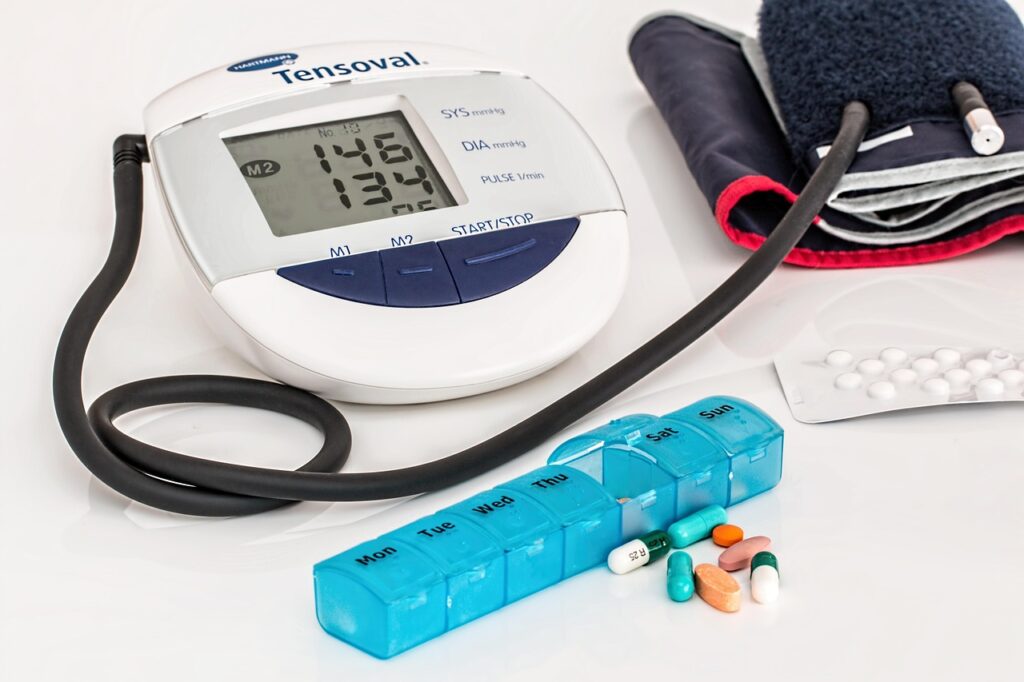
- Clinical trials for hypertension are research studies that test new ways to prevent, diagnose, or treat high blood pressure, and volunteers help answer questions that routine care cannot.
- ClinicalTrials.gov is the main public database for finding blood pressure studies, and the NHLBI funds and lists many hypertension trials.
- Trials generally move through phases 1 to 4, from small safety studies to larger tests of effectiveness and post-approval monitoring.
- Joining a trial is voluntary, requires informed consent, and you can withdraw at any time; participation does not guarantee you will receive an experimental treatment or benefit from it.
- Never stop or change your current blood pressure treatment to join a study without talking to your own doctor and the research team.
- This article is general education only and is not a substitute for medical advice from your own clinician.
Clinical trials for hypertension are research studies that test new ways to prevent, diagnose, or treat high blood pressure in real people. They are how medicine learns whether a new medication, device, or approach actually works and is safe. If you are curious about taking part, it helps to understand what trials are, how to find one, and — just as important — what protections you have and what participation does and does not promise. The guide below is educational and is not medical advice about whether a trial is right for you.
Drawing on MedlinePlus, from the National Library of Medicine, ClinicalTrials.gov, and the National Heart, Lung, and Blood Institute (NHLBI), this article explains how to search for blood pressure studies and how to think about joining one safely.
What a clinical trial is
MedlinePlus describes clinical trials as research studies that test how well new medical approaches work in people. They may compare a new treatment against standard care, test a new use for an existing therapy, or study prevention and screening. In hypertension research this can mean testing a new medication, a combination of drugs, a lifestyle program, a device, or a different blood pressure target. Every trial follows a written plan, called a protocol, that spells out who can join and exactly what will happen.
Understanding trial phases
Most drug and treatment research moves through a series of phases, each answering a different question.
| Phase | Main question | Typical size |
|---|---|---|
| Phase 1 | Is it safe, and what dose can people tolerate? | A small group of volunteers |
| Phase 2 | Does it appear to work, and is it still safe? | A larger group |
| Phase 3 | How does it compare with standard care in a large group? | Many participants, often at multiple sites |
| Phase 4 | How does it perform after approval, over the long term? | Ongoing monitoring in wide use |
Knowing the phase gives you a sense of how early or established a study is. Earlier phases focus on safety in smaller groups, while later phases test effectiveness in larger populations.
How to find blood pressure studies
The main public resource is ClinicalTrials.gov, a searchable database run by the National Library of Medicine that lists studies in the United States and around the world. You can search by condition, such as “hypertension” or “high blood pressure,” and filter by location, recruitment status, and study type. Each listing describes the study’s purpose, its eligibility criteria, where it is being conducted, and how to contact the research team.
The NHLBI, which leads a great deal of heart and blood pressure research, also points people to its studies through ClinicalTrials.gov. A well-known example is the NHLBI-supported Systolic Blood Pressure Intervention Trial, or SPRINT, which compared a lower systolic blood pressure target with a standard one in thousands of adults and helped shape how clinicians think about blood pressure goals. Your own doctor and local academic medical centers can also tell you about studies that may fit your situation.
Eligibility and informed consent
Every trial has inclusion and exclusion criteria — for instance, a certain age range, blood pressure level, or absence of specific other conditions. These rules exist to answer the research question cleanly and to keep participants safe, so not everyone who applies will qualify. If you may be eligible, the team walks you through informed consent: a process, not just a form, in which they explain the study’s purpose, what is involved, the possible risks and benefits, and your rights, and give you time to ask questions before you decide. Studies are also reviewed by an independent Institutional Review Board (IRB) that checks that they are ethical and that risks are reasonable.
Your rights as a participant
Two protections are worth emphasizing. First, taking part is completely voluntary, and you can withdraw at any time, for any reason, without your regular medical care being penalized. Second, research is not the same as guaranteed treatment. Depending on the study’s design, you might receive standard care rather than the experimental approach, and no trial can promise that an experimental treatment will help you. Volunteering contributes to knowledge that can help future patients, and it may or may not benefit you directly.
Do not stop your current treatment to join
This is the most important safety point. High blood pressure is usually managed continuously, and stopping or changing your medication on your own can be risky. Never halt or alter your current blood pressure treatment in order to qualify for or join a study without first talking to your own doctor and the research team. They can tell you whether a trial fits your care, how your existing treatment would be handled, and what the study would mean for you. Keeping up with routine care — including the routine blood tests your clinician orders — remains important throughout.
Questions worth asking
Before enrolling, it is reasonable to ask what the study is trying to learn, what will be expected of you and for how long, what the possible risks and benefits are, whether you might receive a placebo or standard care, who to contact with problems, and how your regular treatment will be managed. For broader background on blood pressure and related conditions, see our Medical Conditions guide. A clinical trial can be a meaningful way to contribute to research, and the right decision is one you make together with your own doctor.
Frequently asked questions
Where do I search for hypertension clinical trials?
ClinicalTrials.gov is the main public database. You can search by a condition such as “hypertension” or “high blood pressure” and filter by location and recruitment status. The NHLBI also lists its blood pressure studies there, and your doctor may know of local trials.
What do the trial phases mean?
Broadly, phase 1 tests safety in a small group, phases 2 and 3 test effectiveness and safety in progressively larger groups, and phase 4 monitors a treatment after it is approved. The phase tells you how early or established a study is.
Is joining a clinical trial safe?
Trials follow a strict protocol and are reviewed by an independent ethics board (IRB), and informed consent explains the risks before you decide. No research is risk-free, which is exactly why these protections and your right to ask questions and withdraw exist.
Will I definitely get the new treatment?
Not necessarily. Depending on the study design you may receive standard care or a placebo instead of the experimental treatment, and no trial can guarantee a benefit. Participation contributes to knowledge that helps future patients.
Can I leave a study after I start?
Yes. Participation is voluntary, and you can withdraw at any time and for any reason. Your regular medical care should not be affected if you choose to leave.
Should I stop my blood pressure medicine to qualify?
No. Never stop or change your current treatment on your own to join a study. Talk to your own doctor and the research team first so any changes are handled safely.
This article is general education and is not medical advice. Talk to a qualified clinician about your situation.
Sources
- MedlinePlus, National Library of Medicine — Clinical Trials: what they are, voluntary participation, IRB oversight, and that research is not guaranteed treatment
- ClinicalTrials.gov, National Library of Medicine — Study Basics / Learn About Studies: finding studies, informed consent, and the right to withdraw
- National Heart, Lung, and Blood Institute (NHLBI) — Find NHLBI Clinical Trials; Systolic Blood Pressure Intervention Trial (SPRINT) study overview and trial phases