
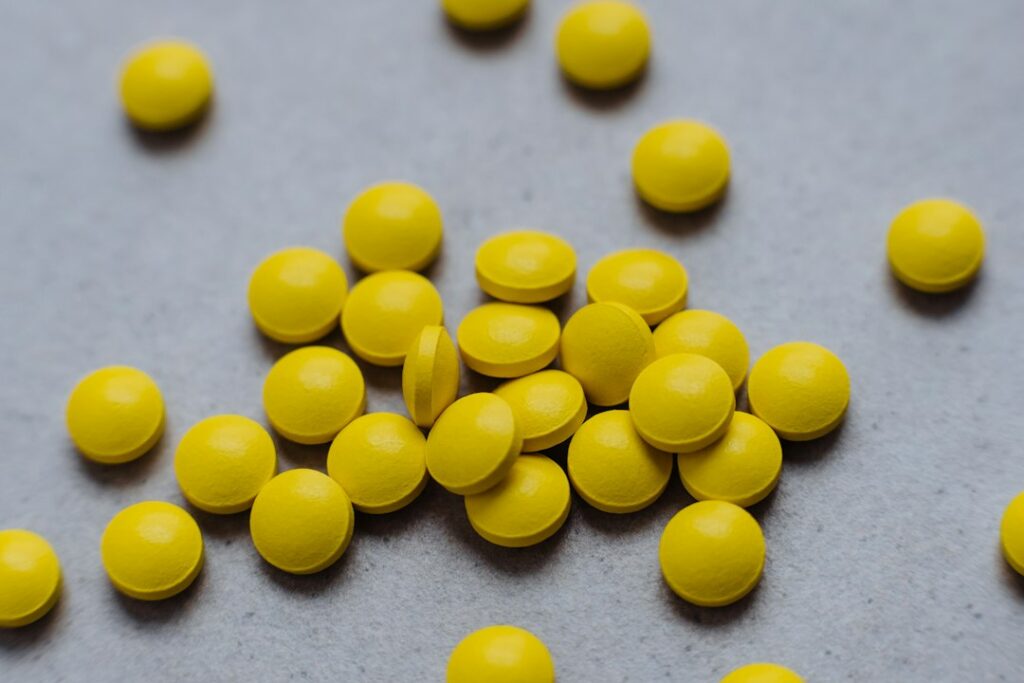
The smallest capsule on the shelf is often the most important. Gabapentin 100mg is the starting dose many prescribers reach for when easing sensitive patients onto therapy — older adults, those with reduced kidney function, people coming off long-term use, and anyone who has reacted badly to larger starting doses in the past. It is also a common dose for restless legs syndrome and for off-label uses such as menopausal hot flashes, where full anticonvulsant doses would be unnecessary. Understanding what 100 mg can and cannot do helps explain why gabapentin is titrated slowly and why “one size fits all” simply does not apply.
Important: gabapentin is a prescription-only medicine. This article is general education, not a dosing plan. The right dose for any individual is set by a prescriber and depends on the condition being treated, kidney function, age, and other medicines. Take gabapentin exactly as your own prescriber directs, and do not start, change, or stop it on your own.
What Gabapentin Does
Gabapentin is a GABA analog that does not actually bind GABA receptors. Instead, it attaches to the alpha-2-delta subunit of voltage-gated calcium channels in the central nervous system, reducing the release of excitatory neurotransmitters such as glutamate and substance P. The practical result is quieter, less hyperexcitable nerve signaling — useful for seizures, nerve pain, restless legs, and some other conditions.
According to the FDA prescribing information for Neurontin, immediate-release gabapentin is approved for postherpetic neuralgia (nerve pain after shingles) and as add-on treatment of partial-onset seizures in adults and children. MedlinePlus notes that an extended-release form is also used for restless legs syndrome. The long list of off-label uses — diabetic neuropathy, fibromyalgia, restless legs, anxiety symptoms, alcohol withdrawal, menopausal hot flashes, chronic itch — reflects decades of clinical experience beyond the FDA indications, and off-label use is a decision for the prescriber and patient together.
Why a 100 Mg Capsule Exists
Gabapentin comes in 100, 300, 400, 600, and 800 mg strengths. The 100 mg capsule is valuable because it allows precise, small-increment adjustments. Clinicians commonly use it in situations such as:
- Starting older adults gently, where a low bedtime dose is increased slowly over days as tolerated
- Kidney impairment, where a small daily amount may be the entire appropriate dose for someone with reduced creatinine clearance
- Tapering off, where small decrements make a gentler, prescriber-directed wean
- Restless legs syndrome, where a low bedtime dose is often enough
- Hot flashes and some other off-label uses, where lower total daily doses are typical
For most nerve-pain conditions, 100 mg on its own is usually a starting point rather than an effective treatment dose. Mayo Clinic and the FDA label describe target ranges that are considerably higher, reached gradually. What that target is for any one person, and how quickly to get there, is a clinical judgment — not a number to copy from an article.
Dosing Is Individualized, Not a Fixed Schedule
You will see day-by-day “titration schedules” for gabapentin online, but they are illustrations of how clinicians think, not instructions to self-follow. In practice, a prescriber typically starts low — often a single small dose at bedtime — and increases the amount and frequency step by step, watching for benefit and side effects, until reaching a dose that helps without causing problems. The starting point, the size of each increase, the interval between increases, and the final target all vary with the condition, the person’s age and kidney function, and the other medicines they take.
Regulatory guidance also sets guardrails. The FDA label notes that for some indications, doses above roughly 1,800 mg per day did not add benefit in studies, while higher doses are sometimes used under specialist supervision. The point for a reader is simple: your dose, your schedule, and your maximum are decisions your prescriber makes for you. If a dose is not working, the answer is to talk to the prescriber — not to add capsules on your own. For more on how targets differ by use, see our companion articles on the lowest effective gabapentin dose for nerve pain and the maximum gabapentin doses.
Capsules can generally be taken with or without food, though some people find that a light meal reduces stomach upset. Because gabapentin’s effect fades between doses, prescribers often spread it across the day rather than giving it all at once.
Absorption: Why Doubling the Dose Does Not Double the Effect
Gabapentin is absorbed through a saturable transporter in the small intestine, so its absorption is nonlinear. At around 100 mg, a relatively high fraction of the dose is absorbed; at much larger single doses, the fraction absorbed falls substantially. That is one reason prescribers often divide larger daily totals into several smaller doses rather than one big one — spreading doses through the day can produce steadier blood levels than concentrated dosing. This is background pharmacology to understand the drug, not a cue to change how you take it; dividing or combining doses is a change to make only with your prescriber.
Side Effects
At lower daily doses, side effects tend to be mild, but they can occur at any dose. The most common issues reported include:
- Dizziness (more common at higher doses)
- Drowsiness and fatigue
- Peripheral edema (ankle swelling), often dose-related
- Unsteady walking or poor coordination
- Mild weight gain with long-term use
MedlinePlus lists serious effects that warrant prompt medical attention, including rash, swelling of the face or throat, difficulty breathing, unusual bruising, confusion, or extreme sleepiness. Like other antiseizure medicines, gabapentin carries a small risk of new or worsening mood changes or suicidal thoughts (roughly 1 in 500 people in pooled analyses); any such change should be reported to a clinician right away. Because gabapentin can cause drowsiness and dizziness, do not drive or operate machinery until you know how it affects you.
A December 19, 2019 FDA Drug Safety Communication highlighted the risk of serious, sometimes fatal, breathing problems (respiratory depression) when gabapentin is combined with opioids, benzodiazepines, or other CNS depressants, or used by people with lung disease or by older adults. This risk is a central reason to be honest with your prescriber and pharmacist about every medicine, supplement, and amount of alcohol you use.
Kidney Function and Gabapentin
Gabapentin is cleared almost entirely by the kidneys, so reduced kidney function calls for a lower dose. The FDA label provides specific adjustments by creatinine clearance, and for people with significantly reduced kidney function a small daily amount may be the entire appropriate dose — which is exactly where the 100 mg capsule is useful. These adjustments are calculated by a clinician using your lab values; they are not something to estimate at home. Our medical conditions guide covers more on managing medicines with chronic kidney disease.
Interactions and Cautions
Gabapentin has relatively few drug interactions because it is not metabolized by cytochrome P450 enzymes. Notable ones include:
- Aluminum/magnesium antacids can reduce gabapentin absorption — prescribers often advise separating them by about 2 hours
- Opioids (such as morphine) can raise gabapentin levels and, more importantly, add to sedation and breathing risk
- Benzodiazepines and other CNS depressants increase sedation and respiratory-depression risk
- Alcohol amplifies drowsiness and unsteadiness
Pregnancy and breastfeeding: the FDA retired the old A/B/C/D/X pregnancy letter categories in 2015, so gabapentin is no longer simply “category C.” Whether to use gabapentin during pregnancy or while breastfeeding is an individualized risk–benefit conversation with the prescriber, and people who take antiseizure medicines during pregnancy may be asked to enroll in a pregnancy registry that tracks outcomes. Tell your clinician if you are pregnant, planning pregnancy, or breastfeeding.
Stopping Gabapentin: Do Not Quit Abruptly
MedlinePlus is explicit: “Do not stop taking gabapentin without talking to your doctor.” Stopping suddenly after regular use can cause withdrawal symptoms — anxiety, trouble sleeping, nausea, pain, and sweating — and in people taking it for epilepsy, abrupt discontinuation can increase the risk of seizures. When gabapentin is stopped, it is usually tapered gradually under medical direction. If you want to come off gabapentin, ask your prescriber to plan the taper; do not design one yourself from figures online.
Overdose and Emergencies
Taking too much gabapentin can cause drowsiness, slurred speech, double vision, unsteadiness, a slowed heart rate, low blood pressure, and — in severe cases or in combination with other depressants — dangerously slowed breathing, coma, or death. The danger is greatest when gabapentin is combined with opioids, benzodiazepines, or alcohol.
If you suspect an overdose or accidental extra dose and the person is awake and stable, contact Poison Control right away at 1-800-222-1222 or use the online tool at poison.org — help is free, confidential, and available 24 hours a day. If someone has collapsed, cannot be woken, is having a seizure, or is struggling to breathe, call 911 immediately. Also seek emergency care for a new rash with fever or blistering, swelling of the face or throat, or sudden severe confusion after taking gabapentin.
Is Gabapentin a Controlled Substance?
As of 2026, gabapentin is not a federally controlled substance under the DEA. However, a small but growing number of states — around eight — have reclassified it as a Schedule V controlled substance because of misuse concerns and its role in some overdose deaths, and several additional states require gabapentin prescriptions to be reported to their prescription drug monitoring programs. Rules change over time and vary by state, so refill limits and reporting requirements depend on where you live. Physical dependence can develop with prolonged use, which is another reason any change should be prescriber-directed.
Frequently Asked Questions
Is gabapentin 100 mg strong enough for nerve pain?
Usually it is a starting point rather than an effective treatment dose. Studies generally show benefit at higher daily totals reached by gradual titration. Whether and how far to increase is a decision for your prescriber, based on your response and side effects.
Can gabapentin 100 mg be taken long term?
Yes, when clinically indicated. Low-dose gabapentin for conditions such as restless legs can be continued for months or years with periodic reassessment of benefit, side effects, and continued need by your clinician.
How long does gabapentin stay in your system?
In people with normal kidney function the half-life is roughly 5 to 7 hours, so the drug is largely eliminated within a day or two. Reduced kidney function extends this substantially — much longer in people on dialysis — which is one reason dosing is adjusted for kidney function.
Is gabapentin addictive?
Gabapentin is not federally scheduled in most of the country, but physical dependence can develop with prolonged use, misuse does occur, and some states now classify it as a controlled substance. Never stop it abruptly after regular use; if you want to come off it, ask your prescriber to plan a taper.
What should I do if I miss a dose or take an extra one?
Follow the instructions your prescriber or pharmacist gave you rather than doubling up on your own. If you have taken more than prescribed, contact Poison Control at 1-800-222-1222, and call 911 for any serious symptoms such as trouble breathing or extreme drowsiness.
The Bottom Line
Gabapentin 100 mg is the smallest capsule — a common starting dose, a maintenance dose for some milder indications, and a useful building block for prescriber-directed tapers. For most nerve-pain conditions it is a starting point, not a destination. Because the right dose is individualized and the drug carries real risks when combined with other depressants or stopped suddenly, the safest approach is to take it exactly as prescribed, keep your clinician informed, and never adjust or stop it on your own. For more, see our coverage of gabapentin dosing for nerve pain, maximum gabapentin doses, and gabapentin and drowsiness.
Medical disclaimer: This article is for general educational purposes only and is not medical advice, a diagnosis, or a treatment or dosing plan. Gabapentin is a prescription-only medicine, and dosing must be individualized by a licensed prescriber based on your condition, kidney function, age, and other medications. Do not start, change, or stop gabapentin on your own. Always take it exactly as prescribed, and talk to your doctor or pharmacist with questions. In a suspected overdose call Poison Control at 1-800-222-1222, and call 911 for any life-threatening emergency.
Sources
- U.S. Food & Drug Administration — Prescribing information for gabapentin (Neurontin)
- MedlinePlus (U.S. National Library of Medicine) — Gabapentin (a694007)
- Mayo Clinic — Gabapentin (oral route): description, dosing, and side effects
- FDA Drug Safety Communication, December 19, 2019 — Serious breathing problems with gabapentin and pregabalin
- Poison Control (poison.org) — Neurontin (gabapentin); National poison helpline 1-800-222-1222
- U.S. DEA Diversion Control Division — Gabapentin drug fact sheet
- American Society of Health-System Pharmacists (ASHP) — Policy on gabapentin scheduling