
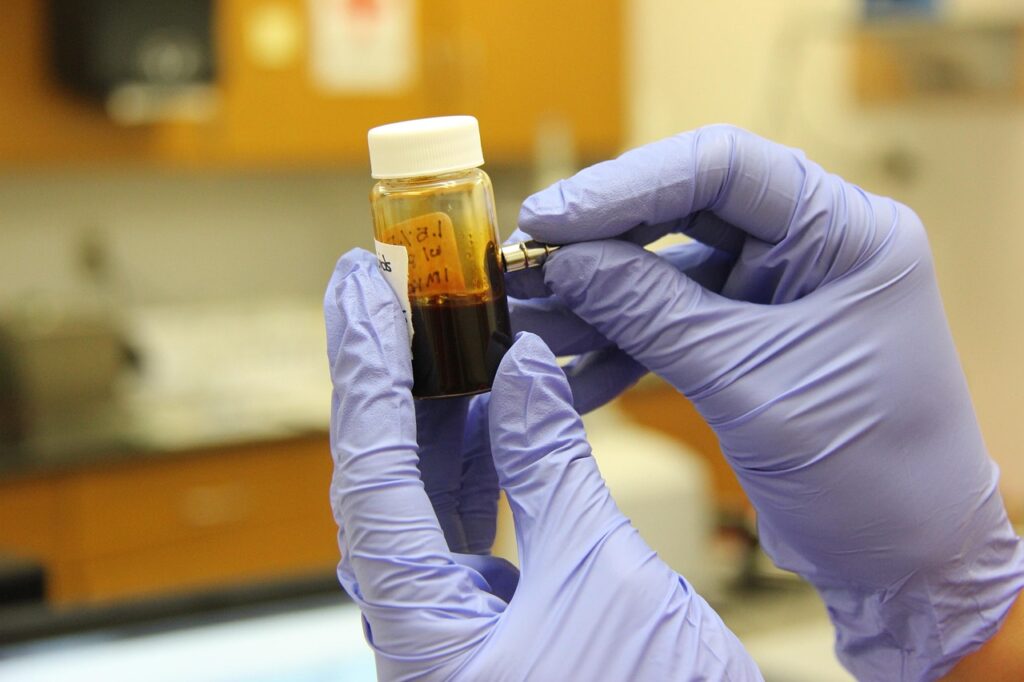
- Cystic fibrosis trials study CFTR modulators, infection and mucus treatments, and gene-based approaches.
- Trials follow phases, from early safety testing to larger effectiveness studies.
- ClinicalTrials.gov and the CF Foundation's trial finder are key ways to search.
- Informed consent lets you or your child ask questions and withdraw at any time.
- Research is not guaranteed treatment, and placebo or comparison groups are common.
- Never change your CF care plan to join a study without your CF care team.
Cystic fibrosis (CF) is a genetic condition that affects the lungs, digestive system, and other organs by causing thick, sticky mucus. Research has transformed CF care in recent years, especially with medications that target the underlying protein defect. Clinical trials remain central to that progress. This guide explains what CF trials study, how they are organized, and how to find and evaluate studies safely.
What cystic fibrosis trials study
According to the National Heart, Lung, and Blood Institute (NHLBI), CF is caused by changes in the CFTR gene. Trials reflect several research directions: CFTR modulators (medications that help the defective protein work better), treatments for lung infections and inflammation, therapies to clear mucus, nutritional and digestive approaches, and emerging gene-based therapies. Because CF is caused by many different CFTR variants, some studies focus on specific genetic mutations, and eligibility can depend on which variants you carry.
The phases of a clinical trial
Drug trials generally move through defined phases, each with a different purpose.
| Phase | Main goal | Typical size |
|---|---|---|
| Phase 1 | Check safety and dosing | Small |
| Phase 2 | Look at early effectiveness and side effects | Larger |
| Phase 3 | Confirm benefit vs. placebo or standard care | Large |
| Phase 4 | Track long-term safety after approval | Varies |
How to find cystic fibrosis clinical trials
Two main resources can help. ClinicalTrials.gov, the free NIH registry, lets you search “cystic fibrosis” by location, age, and status. The Cystic Fibrosis Foundation also maintains a clinical trials finder and a network of accredited CF care centers that participate in research. Your CF care team is often the best first contact, since they know your genetic profile and history. Each listing includes eligibility, procedures, sites, and a contact. If you are comparing research options, our guides to asthma clinical trials and long COVID studies follow the same search process for other lung-related conditions.
Informed consent and your rights
Every legitimate trial begins with informed consent: the study team explains the purpose, procedures, risks, benefits, and your rights, and answers questions before you decide. For children, a parent or guardian consents and the child may give age-appropriate assent. Participation is voluntary — you can withdraw at any time without losing your regular care. Helpful questions include: Is my specific CFTR variant eligible? Is there a placebo group? How often are visits, and what tests are involved?
Research is not guaranteed treatment
Keeping realistic expectations matters. A study treatment is not yet proven, so it may not help, and many trials include a placebo or comparison arm. Participating can still offer close monitoring by CF specialists, but it should complement your existing care. Do not stop or change your CFTR modulators, airway clearance, enzymes, or other treatments to qualify for a study without your CF care team’s guidance. CF management is highly individualized, and abrupt changes can be risky.
What taking part usually involves
The experience varies by study, but a CF trial often starts with a screening visit to confirm eligibility — which may include genetic information, lung function tests (spirometry), sputum samples, and bloodwork — followed by scheduled visits over weeks or months. Interventional trials may use randomization (assignment by chance to a treatment or comparison group) and blinding (where you, and sometimes the team, do not know your assignment) to keep results unbiased. Because people with CF already follow demanding daily routines, it is reasonable to ask how study visits and any added treatments fit alongside your airway clearance, enzymes, and modulators. Your CF care team can help you judge whether the added time and procedures are manageable.
Safety, eligibility, and who should be cautious
Eligibility often depends on your specific CFTR variants, age, lung function, current medications, infections, liver or kidney health, and pregnancy status. These criteria protect participants and keep results meaningful. Some studies exclude certain infections, organ transplant recipients, or pregnancy for safety. Institutional Review Boards oversee trials to help protect participants. Be cautious of any program that charges high fees for unproven “cures” or pressures you to abandon proven care. Keep your CF care team informed and bring a current medication and treatment list to every visit.
Frequently asked questions
Do I need a specific gene mutation to join a CF trial?
Sometimes. Certain CFTR-modulator trials enroll only specific variants, while others are open more broadly. Each listing states its genetic criteria.
Are cystic fibrosis trials free to join?
Study procedures and any investigational treatment are typically provided at no cost, and some reimburse travel. Confirm with the study team.
Can children take part?
Yes, some studies enroll children with parental consent and the child’s assent. Pediatric eligibility is listed in each study’s criteria.
Will I get a placebo?
Possibly, in some randomized trials. Others compare against standard care. The consent form explains the design.
How do I know a trial is legitimate?
Legitimate CF studies are usually registered on ClinicalTrials.gov, listed by the CF Foundation, and overseen by an ethics board. Be wary of programs charging for unproven treatments.
Where can I learn more about CF care?
Your CF care team and the CF Foundation are strong starting points; for general background, see our wellness guide hub.
This article is for general education and is not medical advice. Supplements and therapies affect people differently and can interact with medications or conditions. Talk to your doctor, pharmacist, or a licensed clinician before making changes to your health routine.
Sources
- ClinicalTrials.gov (U.S. National Institutes of Health) — trial registry and search
- Cystic Fibrosis Foundation — clinical trials finder and accredited care centers
- National Heart, Lung, and Blood Institute (NHLBI) — cystic fibrosis and CFTR
- MedlinePlus — clinical trials and cystic fibrosis basics
- U.S. Food and Drug Administration (FDA) — clinical trial phases and participant protections