
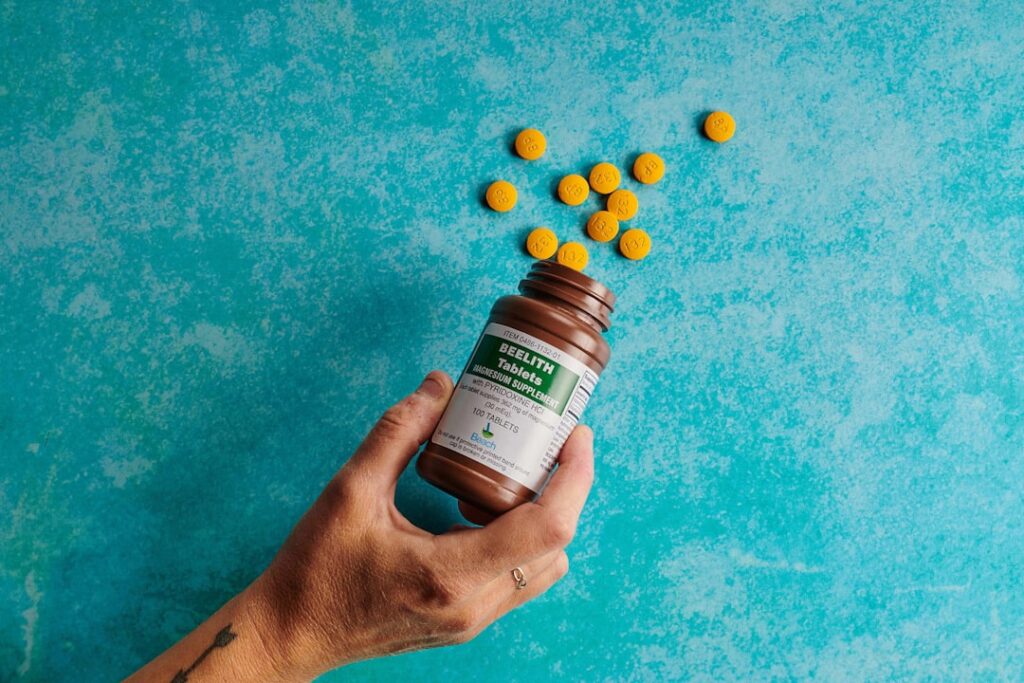
Americans spend well over $15 billion a year on vitamins and mineral supplements, making them one of the most popular health products in the country. With that kind of spending, it is reasonable to ask can you buy vitamins with HSA dollars. The short answer is usually no — vitamins purchased for general health and wellness are not HSA- or FSA-eligible. But vitamins that a clinician recommends to treat a specific diagnosed condition can qualify with the right documentation. This guide explains where the line sits in 2026, the important limits of a letter of medical necessity, the handful of notable exceptions, and how to actually get reimbursed.
The distinction is the same one that runs through every FSA/HSA eligibility question: general wellness spending is not a medical expense, but treating a diagnosed condition is.
Why Most Vitamins Do Not Qualify
The IRS classifies vitamins taken for general health as dietary supplements rather than medical expenses. Publication 502 states that you generally cannot include the cost of nutritional supplements, vitamins, herbal supplements, or “natural medicines” in medical expenses unless they are recommended by a medical practitioner as treatment for a specific medical condition diagnosed by a physician.
A daily multivitamin, a vitamin C supplement taken during cold season, or fish oil capsules taken for general heart health all fall into the general-wellness category. The IRS does not consider maintaining good health to be the same as treating disease, even when the scientific evidence supports health benefits from supplementation. For more on supplement eligibility broadly, see our guide on supplements and FSA eligibility.
What the IRS Warned in 2024 (IR-2024-65)
This point trips up a lot of people, so it is worth being blunt about it. In 2024 the IRS issued news release IR-2024-65, cautioning consumers that some companies were misrepresenting nutrition, wellness, and general-health expenses as medical care to make them look reimbursable through FSAs, HSAs, HRAs, and similar accounts. The core message: a letter of medical necessity, on its own, does not convert a general-wellness vitamin into a qualified medical expense. A “doctor’s note” that is based on self-reported information, or that is generated by an online questionnaire, is not a magic pass. The expense still has to genuinely treat a specific condition that a clinician has diagnosed. Self-diagnosis is not sufficient. If a reimbursement is claimed for something that does not actually qualify, the burden falls on you — potentially as taxable income plus a penalty — not on the company that sold the letter.
The IRS reinforced this in its frequently asked questions on nutrition, wellness, and general-health expenses, which spell out that food and supplements for general health are not medical care even when a provider suggests them. Treat aggressive marketing that promises “your supplements are HSA-eligible with our free LMN” with real skepticism.
When Vitamins Become HSA Eligible
Vitamins cross the eligibility threshold when a licensed healthcare provider determines they are medically necessary to treat a specific diagnosed condition and provides written documentation. Common qualifying scenarios include vitamin D supplements recommended for a diagnosed vitamin D deficiency (confirmed by low 25-hydroxyvitamin D levels), iron supplements for diagnosed iron-deficiency anemia, vitamin B12 for pernicious anemia or documented B12 deficiency, and folic acid recommended during pregnancy or for certain medical conditions. In each case, it is the diagnosed condition plus the clinician’s recommendation — not the supplement itself — that creates eligibility.
Notable Exceptions: Prenatal Vitamins and Glucosamine/Chondroitin
A few supplements are widely treated as eligible without the usual friction:
Prenatal vitamins are among the most commonly approved vitamin purchases for HSA and FSA reimbursement. Pregnancy is a qualifying medical purpose, and prenatal vitamins are standard care recommended by the American College of Obstetricians and Gynecologists. Many administrators approve prenatal vitamin claims without requiring a separate letter, though keeping documentation on file is always safer.
Glucosamine and chondroitin supplements are the other well-known exception. Because they are typically taken to treat a specific joint condition such as arthritis rather than for general wellness, many HSA and FSA administrators treat them as eligible. These two are frequently cited as the classic supplement exceptions precisely because they map to a treatment purpose rather than a wellness one. Even so, because administrator policies differ, it is worth confirming before you rely on it.
How to Get Your Vitamins Covered
If your doctor has determined that you need a specific vitamin to treat a diagnosed condition, getting reimbursed generally requires a letter of medical necessity (LMN). A useful letter includes your diagnosed condition (with the relevant diagnostic code), the specific supplement recommended, the dosage and frequency, an explanation of why it is medically necessary, and your provider’s signature and credentials. Remember the caveat above: the LMN must reflect a genuine diagnosis, not a self-reported wellness goal.
Submit the letter to your HSA administrator before or alongside your first reimbursement claim. Purchase the specific vitamin your doctor recommended and save the itemized receipt. File a manual reimbursement claim through your administrator’s portal, since your HSA card will likely be declined for vitamin purchases at retail stores because of merchant category codes.
Prescription Vitamins vs Over-the-Counter
Prescription-strength vitamins — such as high-dose prescription vitamin D or prescription-strength folic acid — are treated like any other prescription medication and are HSA-eligible on that basis. Your pharmacist fills the prescription, and you pay with your HSA card at the pharmacy counter; no additional documentation beyond the prescription is needed.
Over-the-counter vitamins recommended by your doctor for a medical condition require the letter of medical necessity because there is no prescription on file to verify the medical purpose. The vitamin itself may be identical to a product someone buys for general wellness, so the documentation is what distinguishes a qualified medical expense from a personal purchase.
Common Vitamins and Their Eligibility Status
Generally not eligible (general wellness): daily multivitamins for general health, vitamin C taken to prevent colds or “boost immunity,” fish oil or omega-3 for general heart health, biotin for hair and nails, and collagen for skin health.
Potentially eligible with the right basis: vitamin D for diagnosed deficiency (with documentation), iron for diagnosed anemia, B12 for documented deficiency or pernicious anemia, prenatal vitamins, calcium with vitamin D recommended for osteoporosis, potassium for diagnosed hypokalemia, and glucosamine/chondroitin for a joint condition. In every qualifying case, the key is a diagnosed condition plus appropriate provider documentation — and, where an administrator requires it, an LMN.
The HSA Advantage for Long-Term Vitamin Costs
If you have a qualifying condition that requires ongoing supplementation, using your HSA provides a meaningful benefit. HSA funds roll over year to year, so you do not face the same deadline pressure as FSA users. You can set aside funds knowing they will be available for next month’s purchase and the month after that. At a combined tax savings of roughly 30% to 40% (depending on your bracket and state), a $30 monthly supplement effectively costs you about $18 to $21 out of pocket when paid with HSA dollars.
Over years of treatment, these savings add up. A vitamin D deficiency that requires ongoing supplementation at $25 per month costs about $300 per year, and the HSA tax savings of roughly $90 to $120 per year compound meaningfully over a decade. Just be sure the underlying expense genuinely qualifies before you count on the deduction. Learn more about maximizing your HSA for various expenses.
Frequently Asked Questions
Can I buy gummy vitamins with my HSA?
The form factor — gummy, tablet, capsule, or liquid — does not affect eligibility. What matters is whether the vitamin is recommended to treat a diagnosed condition. A gummy prenatal vitamin is just as eligible as a tablet version. A gummy multivitamin taken for general health is not eligible regardless of format.
Does a letter of medical necessity guarantee my vitamins are covered?
No. As the IRS emphasized in IR-2024-65, an LMN by itself does not make a general-wellness supplement qualify. The letter has to document a genuine diagnosis and a treatment purpose, and your administrator still applies its own rules. Treat any service that sells “instant” LMNs for everyday supplements with caution.
Do I need a new letter of medical necessity every year?
Policies vary by HSA administrator. Some accept a letter that covers an ongoing condition without an expiration date; others require annual renewal. Check with your administrator about their documentation requirements for recurring supplement claims.
Can I buy vitamins with my HSA at Costco or Amazon?
You can purchase eligible vitamins anywhere, but your HSA debit card will likely be declined at general retailers for vitamin purchases. Buy where you find the best price, pay out of pocket, and submit a manual reimbursement claim with your receipt and LMN on file. The retailer does not affect eligibility.
Are vitamin IV infusions HSA eligible?
Vitamin IV infusions administered by a medical provider to treat a diagnosed deficiency or medical condition may qualify as medical treatment. Elective IV vitamin therapy marketed for energy, wellness, or hangover recovery is not eligible because it serves a general-wellness purpose rather than treating a diagnosed condition.
The Bottom Line
For most people, the answer to can you buy vitamins with HSA is no. Vitamins taken for general wellness are personal expenses, not medical ones, and — as the IRS reminded consumers in IR-2024-65 — a letter of medical necessity alone cannot change that. The path to eligibility runs through a diagnosed condition, a clinician’s recommendation, and documentation on file, with prenatal vitamins and glucosamine/chondroitin as the best-known exceptions. Because administrator policies differ, always verify with your own HSA administrator before assuming a purchase qualifies. If you have a documented medical reason for a specific vitamin, get the paperwork in order and take advantage of the tax savings; otherwise, save your HSA dollars for the healthcare expenses that clearly qualify.
TL;DR: Vitamins for general health are usually NOT HSA/FSA-eligible. They can qualify only when a clinician recommends them to treat a specific diagnosed condition — and an LMN alone does not make a wellness supplement eligible (see IRS IR-2024-65). Prenatal vitamins and glucosamine/chondroitin are notable exceptions. Prescription-strength vitamins are eligible like any prescription; OTC ones usually need an LMN and a manual claim. Rules vary, so verify with your HSA administrator.
This article is general information, not tax, legal, or financial advice, and tax rules change. Eligibility depends on your specific situation and your plan’s terms. Confirm any expense with your HSA/FSA administrator and consult a qualified tax professional before relying on a deduction or reimbursement.
Sources
- IRS Publication 502 — Medical and Dental Expenses
- IRS news release IR-2024-65 (March 6, 2024) — personal expenses for general health and wellness are not reimbursable under FSAs, HSAs, HRAs, or MSAs
- IRS — FAQs on medical expenses related to nutrition, wellness, and general health
- American College of Obstetricians and Gynecologists — prenatal care