
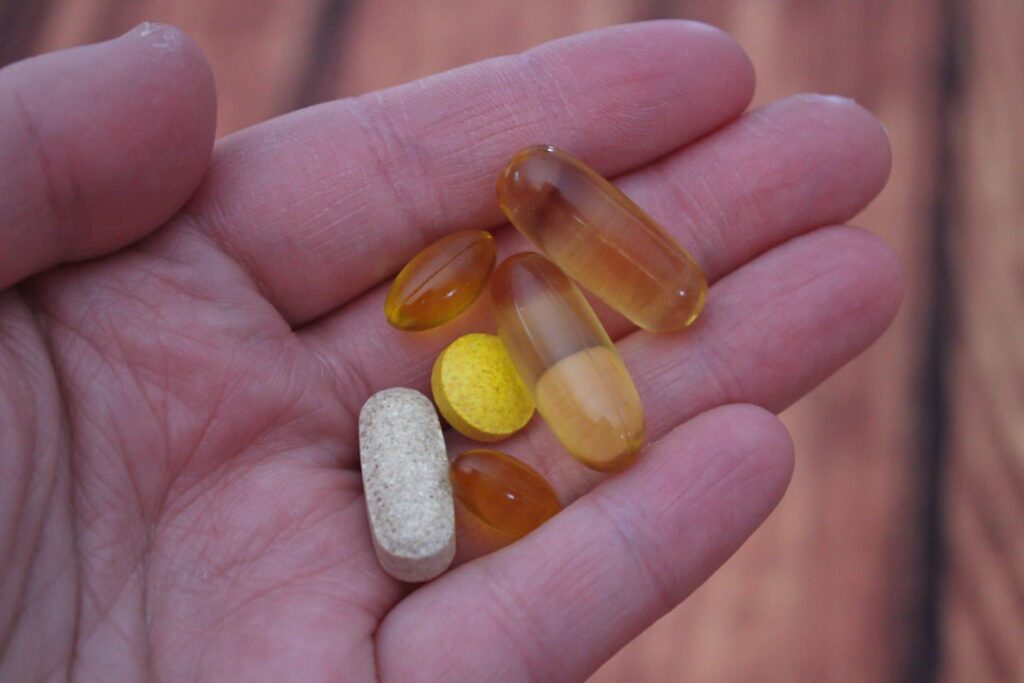
- "Arthritis" covers different conditions; osteoarthritis and rheumatoid arthritis are managed differently, and supplements are not a cure for either.
- Evidence for joint supplements is mixed: omega-3 has the more consistent support for rheumatoid arthritis symptoms, while glucosamine/chondroitin results are inconsistent.
- Turmeric/curcumin and SAMe have some supportive but limited data for osteoarthritis pain.
- Doses studied are background only; several supplements interact with blood thinners and other drugs.
- Joint pain that is persistent, swollen, or worsening needs a medical diagnosis, not just supplements.
Joint pain is one of the most common reasons people reach for supplements, and the shelves are full of products promising to rebuild cartilage or melt away stiffness. The truth is more nuanced. Some joint supplements have modest, real evidence; others are popular mainly through momentum and marketing. And because “arthritis” is not one disease, what might help depends on which type you have. Here is a careful, evidence-based overview.
Not all arthritis is the same
Osteoarthritis is the “wear and tear” type, where cartilage breaks down over time, commonly in the knees, hips, and hands. Rheumatoid arthritis is an autoimmune disease in which the immune system attacks the joints, causing inflammation that can damage them if untreated. This distinction matters: rheumatoid arthritis needs proper medical treatment to protect the joints, and no supplement substitutes for that. Supplements are, at most, a possible add-on for symptom relief, and they should be discussed with the clinician managing your care.
Supplements and what the evidence shows
Omega-3 fatty acids (fish oil). Omega-3s have some of the more consistent evidence here, particularly for easing morning stiffness and tender joints in rheumatoid arthritis. Effects are modest and build over time, and omega-3s are studied as a complement to standard treatment, not a replacement.
Glucosamine and chondroitin. These are among the most popular osteoarthritis supplements, but large, high-quality trials have produced inconsistent results, with many finding little benefit over placebo. Some people report relief; the average effect in research is small and uncertain.
Turmeric/curcumin. Curcumin, the active compound in turmeric, has some supportive but limited data for osteoarthritis pain, though study quality varies and absorption is a challenge.
SAMe. S-adenosylmethionine has some evidence for osteoarthritis pain in older studies, potentially comparable to certain anti-inflammatory effects, but the data are limited.
For a broader framework on weighing supplement claims, see our wellness and supplement guides.
Doses studied in research
These figures describe what researchers used, not a recommendation for you. The right approach depends on your diagnosis and medications, so talk to your doctor or pharmacist first.
| Supplement | Mainly studied for | Notes |
|---|---|---|
| Omega-3 (fish oil) | Rheumatoid arthritis symptoms | More consistent, modest effect |
| Glucosamine/chondroitin | Osteoarthritis | Inconsistent trial results |
| Turmeric/curcumin | Osteoarthritis pain | Supportive but limited data |
| SAMe | Osteoarthritis pain | Limited, older evidence |
What tends to help beyond supplements
For osteoarthritis in particular, some of the most effective steps are not found in a bottle. Staying physically active with joint-friendly exercise, strengthening the muscles around affected joints, and losing even a modest amount of excess weight can meaningfully reduce load and pain, especially in the knees and hips. Physical therapy, heat or cold, assistive devices, and, when appropriate, medications prescribed by a clinician all have a role. For rheumatoid arthritis, early and consistent medical treatment is the priority because it protects the joints from lasting damage. Supplements, at most, are a possible add-on to this bigger picture.
How to try a joint supplement thoughtfully
If you decide to try one, treat it as a time-limited experiment. Pick a single product from a reputable brand with third-party testing rather than a crowded blend, give it a fair trial of a couple of months, and keep a simple record of your pain and function so you can judge whether it truly helps. Tell your clinician and pharmacist what you are taking, since some joint supplements interact with common medications.
Safety & who should avoid it
Dietary supplements are not evaluated by the FDA and are not intended to diagnose, treat, cure, or prevent any disease. Most joint supplements are generally well tolerated, but there are cautions.
- High-dose omega-3 and turmeric may increase bleeding risk, especially with blood thinners or before surgery.
- Glucosamine is often derived from shellfish, a concern for people with shellfish allergy, and may affect blood sugar in some people.
- SAMe can interact with antidepressants and is not advised for people with bipolar disorder.
- If you are pregnant, breastfeeding, have an autoimmune condition, or take any medication, check with a clinician first.
Persistent joint swelling, redness, warmth, or pain that limits daily life should be evaluated, since early treatment of inflammatory arthritis protects the joints. If you are managing several health goals at once, such as other everyday health goals, keep your clinician informed of everything you take.
Frequently asked questions
Do glucosamine and chondroitin rebuild cartilage? There is no reliable evidence they rebuild cartilage, and trial results for pain are inconsistent.
Which supplement has the best evidence? Omega-3 has the more consistent support, mainly for rheumatoid arthritis symptoms.
Is turmeric as good as an anti-inflammatory drug? Some studies are encouraging, but the data are limited and it is not a proven replacement for prescribed treatment.
How long should I try a supplement? Studies often ran for weeks to months; a fair trial usually takes time, and you should reassess with your clinician.
Can supplements replace arthritis medication? No, especially for rheumatoid arthritis, where medication protects the joints.
When should I see a doctor? For persistent, swollen, or worsening joints, or any new joint symptoms, get a proper diagnosis.
This article is for general education and is not medical advice. Supplements and therapies affect people differently and can interact with medications or conditions. Talk to your doctor, pharmacist, or a licensed clinician before making changes to your health routine.
Sources
- NIH Office of Dietary Supplements — omega-3 and glucosamine information
- National Center for Complementary and Integrative Health (NCCIH) — glucosamine/chondroitin, turmeric, and SAMe research
- MedlinePlus — osteoarthritis and rheumatoid arthritis overviews
- Mayo Clinic — patient guidance on arthritis management
- Cochrane — systematic reviews of supplements for osteoarthritis and rheumatoid arthritis