
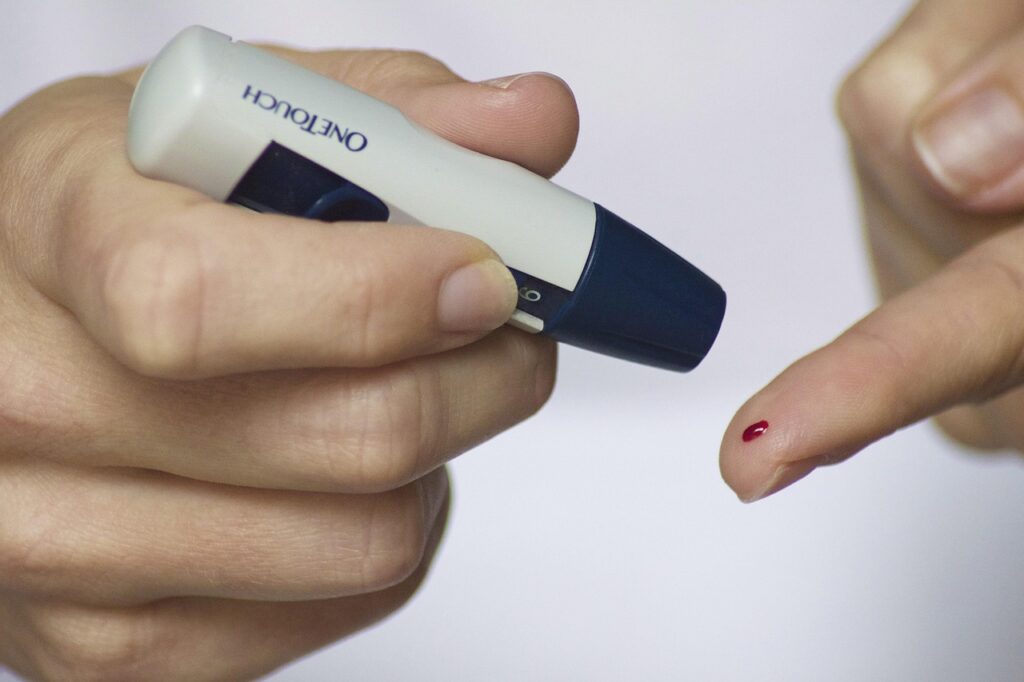
- An IgE allergy blood test measures immunoglobulin E, an antibody linked to allergic responses.
- It can support diagnosis but does not by itself prove you are allergic to something.
- A positive result means sensitization, which is not the same as a clinical allergy.
- Reference ranges and units vary by laboratory and method, so read your own report.
- A clinician interprets results alongside your history and symptoms; do not self-diagnose.
- Severe allergic reactions with trouble breathing are a 911 emergency.
An allergy blood test that measures immunoglobulin E (IgE) is one tool doctors use to investigate possible allergies. It is sometimes ordered instead of, or alongside, skin testing. This guide explains what the test measures, why it is ordered, and why results always need a clinician’s interpretation. It is educational information, not medical advice.
What the test measures
IgE is a type of antibody your immune system can make in response to specific substances, called allergens, such as pollen, pet dander, dust mites, molds, or certain foods. According to MedlinePlus, an allergy blood test can measure total IgE (the overall amount in your blood) or allergen-specific IgE (the amount aimed at a particular allergen). Higher specific IgE suggests your immune system has recognized and reacted to that allergen. You may see these tests referred to by older brand-style names, but they all measure IgE antibodies.
Why a doctor might order it
A clinician may order IgE testing when your history suggests an allergy and they want supporting evidence. Blood testing can be useful when skin testing is not a good option, for example if you have a skin condition like severe eczema, if you cannot stop antihistamines before a skin test, or if you have had a serious reaction and skin testing carries risk. It can also help track a picture over time. Mayo Clinic notes that blood tests are generally safe and require only a standard blood draw.
Understanding reference ranges
Reference ranges and units vary widely by laboratory and testing method. Always read the range printed on your own report rather than comparing to a number you found online. Results are often reported in a graded scale for allergen-specific IgE.
| What the report may show | General meaning (lab-specific) |
|---|---|
| Low or undetectable specific IgE | Little or no measurable sensitization to that allergen |
| Rising specific IgE levels | Greater likelihood of sensitization; higher does not always mean worse symptoms |
| Elevated total IgE | Can occur with allergies, but also with other conditions |
What high or low results may suggest
A key point trips up many people: a positive IgE result shows sensitization, meaning your body made antibodies to an allergen. Sensitization is not the same as a clinical allergy. Some people test positive for an allergen but have no symptoms when exposed. Conversely, a low or negative result does not always rule out a problem. This is exactly why the number cannot stand alone. A clinician weighs your test against your symptoms, timing of reactions, and exposure history before drawing conclusions. For context on how other blood markers work, see our explainers on the ferritin blood test and cortisol testing.
Why interpretation belongs to your clinician
Do not use an IgE result to start avoiding foods, stop medications, or diagnose yourself. Unnecessary food avoidance can affect nutrition, and misreading results can miss the real trigger. An allergist or your primary care clinician can decide whether further testing, such as a supervised oral food challenge, is appropriate. Learn more in our wellness guide hub.
What to expect during the test
From your side, an IgE allergy blood test is straightforward. A member of the lab team draws a small sample of blood from a vein, usually in your arm, and sends it for analysis. There is generally no need to avoid food or drink beforehand, and, unlike skin testing, you typically do not have to stop antihistamines first, though you should confirm this with the clinician who ordered it. Testing can look at a single suspected allergen or a panel of several at once. Ordering a very large panel “just to see” is not always helpful, because more tests can turn up more sensitizations that are not causing symptoms. Many allergists prefer to test for allergens that fit your specific history, which keeps the results easier to interpret and act on.
How it compares with skin testing
Skin prick testing and IgE blood testing both look for sensitization, just in different ways. Skin testing places tiny amounts of allergen on or just under the skin and watches for a small reaction, with results available quickly during the visit. Blood testing avoids the skin entirely, which helps when someone has widespread eczema, has taken antihistamines recently, or has a history of severe reactions. Neither approach is a lie detector for allergy on its own, and both can show positives that do not match real-world symptoms. Your clinician chooses the method, or a combination, based on your situation and what question they are trying to answer.
A safety note
A severe allergic reaction (anaphylaxis) is a medical emergency. Signs can include trouble breathing, swelling of the lips or throat, widespread hives, dizziness, or fainting. Call 911 immediately and use an epinephrine auto-injector if one has been prescribed. Testing is for planning, not for managing an active reaction.
Frequently asked questions
Is a blood test better than a skin test?
Neither is simply “better.” Each has strengths, and the right choice depends on your situation. Your clinician chooses based on your history, skin condition, and medications.
Do I need to stop antihistamines before the blood test?
Generally no, which is one reason blood testing is used when someone cannot pause antihistamines. Follow whatever instructions your ordering clinician or lab gives.
Does a positive result mean I am allergic?
Not on its own. It shows sensitization. Whether it reflects a true clinical allergy depends on your symptoms and exposure history, which a clinician evaluates.
Can the numbers predict how severe my reaction will be?
Not reliably. Higher IgE levels do not consistently predict reaction severity, so numbers should not be used to gauge risk on their own.
Why do my results use different units than a friend’s?
Different laboratories and methods report differently. Always compare your result to the reference range on your own report.
How long do results take?
Turnaround varies by lab, often a few days. Your ordering clinician will share and explain the results.
This article is for general education and is not medical advice. Lab tests and their reference ranges vary by laboratory and person, and results can be affected by many factors. Talk to your doctor or a licensed clinician to interpret any test result and before making changes to your health routine.
Sources
- MedlinePlus (NIH) — allergy blood testing and IgE
- Mayo Clinic — allergy testing overview
- CDC — allergens and allergic conditions