
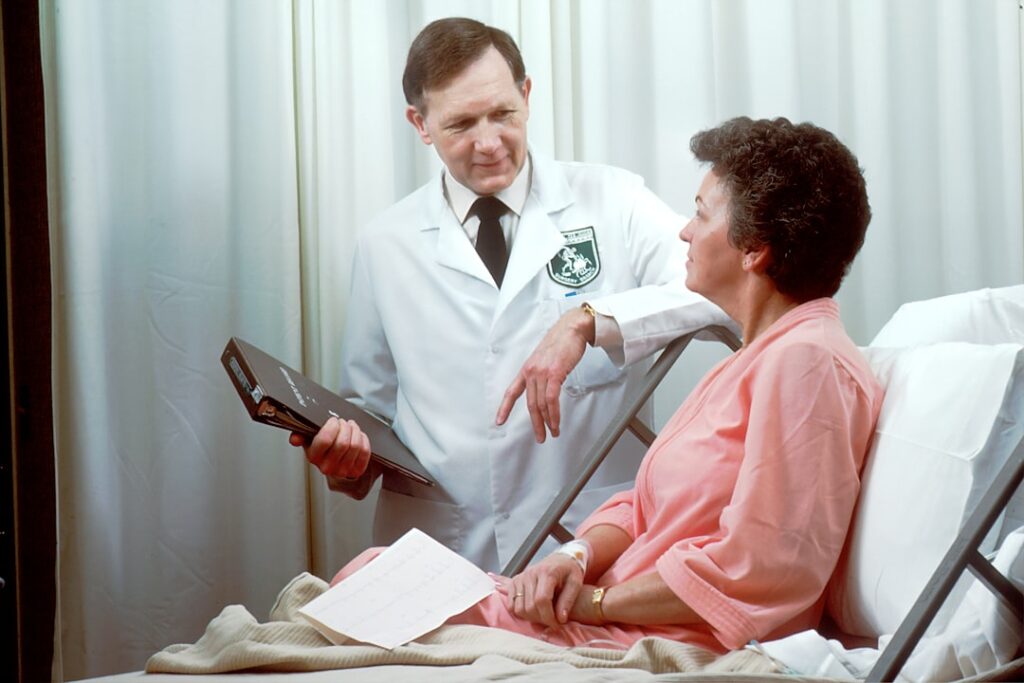
Your doctor says you need to be “NPO after midnight” before your procedure, and you are left wondering what that actually means. What does NPO mean in medical terms? NPO is an abbreviation of the Latin phrase nil per os, which translates to “nothing by mouth.” It is an instruction to stop eating and drinking — including water in some cases — for a specified period before a medical procedure, surgery, or test. NPO orders are among the most common pre-procedure instructions in medicine, and understanding why they exist helps you follow them correctly and avoid potentially dangerous complications.
This article is general education, not medical advice. The single most important rule with any NPO order is to follow the specific instructions your own surgical, procedural, or clinical team gives you, because those instructions are tailored to your procedure and your health. Medical abbreviations appear throughout your healthcare experience, and our wellness guide helps you build health literacy alongside practical wellness knowledge.
What NPO Stands For
NPO comes from the Latin nil per os: nil means “nothing,” per means “through” or “by,” and os means “mouth.” The phrase literally translates to “nothing through the mouth.” In practice, it means do not eat, drink, chew gum, suck on candy, or take anything orally unless specifically instructed otherwise by your medical team.
You may also see it written as “NPO” (all capitals), “npo” (lowercase), or occasionally “n.p.o.” with periods. Some hospitals use the plain-English phrase “nothing by mouth” or the abbreviation “NBM” (nothing by mouth) interchangeably. The meaning is identical regardless of formatting. NPO has long appeared in hospital order sets across the country, though, as discussed below, many organizations now encourage writing the phrase out in full to reduce the chance of misreading.
Why Doctors Order NPO
The primary reason for NPO orders before procedures involving sedation or anesthesia is to prevent aspiration — the inhalation of stomach contents into the lungs. Under anesthesia, the protective reflexes that normally keep food and liquid out of your airway (coughing, gagging, swallowing) are suppressed. If there is food or liquid in your stomach, it can reflux into your throat and be inhaled into your lungs.
Aspiration pneumonia and related lung injury are serious and potentially life-threatening complications. Aspiration under anesthesia is considered relatively uncommon when proper fasting protocols are followed, but published estimates of how often it happens vary between sources, and when it does occur it can be dangerous. Acidic stomach contents can damage lung tissue, causing inflammation, infection, and, in severe cases, acute respiratory distress syndrome (ARDS). Preventing that outcome is the reason your team asks you to fast.
Beyond aspiration prevention, NPO orders serve other purposes. Before certain blood tests (fasting glucose, lipid panels, some metabolic panels), NPO helps ensure accurate results that are not skewed by a recent meal. Before gastrointestinal procedures like colonoscopy or upper endoscopy, an empty stomach and bowel provide clearer visualization. Before some imaging studies (abdominal ultrasound, certain MRI protocols), fasting reduces artifact and improves image quality.
Current NPO Guidelines: It Is Not Always “After Midnight”
The traditional “NPO after midnight” instruction has been giving way to more evidence-based, patient-friendly guidance in many hospitals. Modern preoperative fasting recommendations from the American Society of Anesthesiologists (ASA) recognize that prolonged fasting is often unnecessary, uncomfortable, and can even be counterproductive — contributing to dehydration, low blood sugar, and patient anxiety.
A commonly cited framework for healthy patients undergoing elective procedures with general anesthesia looks roughly like this. Clear liquids (water, black coffee, clear juice without pulp, tea without milk) may be allowed up to about 2 hours before anesthesia. Breast milk is often permitted up to about 4 hours before. Infant formula and non-human milk up to about 6 hours before. A light meal (toast, crackers) up to about 6 hours before. A heavier or fatty meal (fried food, meat) generally calls for at least 8 hours of fasting. These are general reference points, and some newer guidance discusses allowing modest amounts of clear fluids closer to the procedure in specific circumstances — which is exactly why individualized instructions matter.
Despite these more flexible frameworks, many facilities still use the simpler “NPO after midnight” instruction because it is easier to communicate and reduces the risk of confusion. Your specific NPO instructions may vary based on the type of procedure, your medical conditions (diabetes, gastroparesis, obesity, and GERD may call for longer fasting), the sedation planned, and your anesthesiologist’s judgment. Always follow the specific instructions given to you by your surgical or procedural team rather than a general timetable you read online.
A Note on Abbreviations and Safety
Abbreviations save time, but they can also be misread, and misreading a medical order can harm patients. The Institute for Safe Medication Practices (ISMP) maintains a widely referenced list of error-prone abbreviations and encourages clinicians to write potentially ambiguous shorthand out in full. In that spirit, many hospitals now prefer the clear phrase “nothing by mouth” on patient-facing instructions, and The Joint Commission requires accredited organizations to maintain a list of approved abbreviations and a “do not use” list to reduce dangerous mix-ups. For you as a patient, the practical takeaway is simple: if any instruction is unclear — including whether “NPO” allows sips of water — ask your care team to spell out exactly what you can and cannot have, and when.
What Happens If You Eat or Drink When NPO
Breaking NPO instructions is one of the most common reasons for same-day surgical cancellations. If you eat or drink when you were supposed to be fasting, you must tell your medical team — the consequences of not disclosing are far more serious than a rescheduled procedure.
If you disclose the lapse, your anesthesia provider will assess the situation. Depending on what you consumed, how much, and how long ago, they may delay the procedure for a few hours to allow the stomach to empty, reschedule for another day, or in some cases proceed if the intake was a small amount of clear liquid and enough time has passed. A sip of water to take an essential medication (which is often permitted — more on that below) is very different from a full breakfast.
If you do not disclose and undergo anesthesia with a full stomach, you risk aspiration. This is not a theoretical concern — aspiration during anesthesia is a recognized cause of harm in surgical patients. Honesty with your anesthesia team is a patient-safety imperative, even if it means your surgery is postponed. No one will be upset that you told them; they will be grateful you kept yourself safe.
NPO and Medications: What You Can Still Take
One of the most common questions from patients with NPO orders is whether they should take their regular morning medications. The answer is nuanced and depends on the specific medication, so treat the categories below as general context, not as instructions for your own regimen.
Medications often continued with a small sip of water even during NPO: many blood pressure medications, anti-seizure medications, thyroid medications, and certain cardiac medications. Guidance from professional bodies such as the American College of Cardiology and standard anesthesia practice generally favor continuing essential cardiovascular medications on the day of surgery with a small sip of water, because abruptly stopping some of them can be risky. Your team will tell you which of yours to take.
Medications often held before surgery: blood thinners such as warfarin, apixaban, and rivaroxaban (frequently stopped days in advance under a clinician’s direction), diabetes medications (insulin doses are typically adjusted and many oral diabetes drugs held the morning of surgery to help prevent low blood sugar), and certain supplements (fish oil, vitamin E, and some herbal products that can affect bleeding). Diuretics (“water pills”) are commonly held to avoid dehydration and electrolyte problems during surgery.
Never make medication decisions on your own when NPO. Your surgical team and anesthesiologist will provide specific instructions about which medications to take and which to hold, and those instructions can differ from the general patterns above. If you did not receive clear guidance, call the surgical center the day before your procedure and ask.
NPO in Special Situations
NPO orders apply in several contexts beyond pre-surgical fasting, each with its own rationale.
Gastrointestinal illness: Patients with severe vomiting, bowel obstruction, or acute pancreatitis may be placed on NPO status to rest the GI tract. In these cases, nutrition and hydration are often provided intravenously until the person can safely resume eating and drinking. NPO for GI rest can last from hours to several days depending on the condition and the care team’s assessment.
Stroke and swallowing evaluation: After a stroke, patients are often kept NPO until a swallowing assessment (dysphagia screening) is completed. A stroke can impair the swallowing reflex, and allowing food or drink before testing risks aspiration. Screening for swallowing difficulty before any oral intake is a widely recommended safety step for stroke patients.
Pre-diagnostic testing: Fasting blood work (glucose, lipid panels, some hormone levels) often requires NPO for 8 to 12 hours before the draw. Unlike surgical NPO, water is usually permitted — and even encouraged — before fasting lab work, but confirm this with the clinician who ordered the test, since instructions vary.
Frequently Asked Questions
Can I drink water when NPO?
It depends on the specific NPO order. Under many modern anesthesia frameworks, clear liquids including water are allowed up to about 2 hours before anesthesia for healthy patients. However, some procedures and facilities still use strict NPO instructions that include no water at all. Always follow the specific instructions given by your care team, and if you are unsure, call and ask rather than assuming.
Can I brush my teeth when NPO?
Generally yes, as long as you spit out the water and toothpaste rather than swallowing. Most anesthesia providers consider brushing acceptable during NPO periods. Avoid mouthwash you might accidentally swallow. If your written instructions specifically prohibit anything in the mouth, follow those directions.
How long does NPO usually last?
For surgical procedures, NPO commonly lasts several hours before the scheduled start time, often in the range of 6 to 12 hours depending on what you last ate. For fasting blood work, 8 to 12 hours is typical. For conditions like bowel obstruction or pancreatitis, NPO can last days until things improve. After surgery, NPO continues until your care team confirms it is safe to resume oral intake — sometimes within hours for minor procedures, potentially longer after abdominal surgery.
What if I am diabetic and NPO?
Diabetes calls for careful NPO management, because prolonged fasting can raise the risk of hypoglycemia (dangerously low blood sugar), especially for people taking insulin or certain oral drugs. A surgical team will typically adjust insulin, decide which oral medications to hold the morning of surgery, and monitor blood glucose closely. Ask your team well in advance exactly how to handle your diabetes medications on the day of your procedure.
Does NPO mean I cannot take my heart or blood pressure pills?
Not necessarily. Many essential cardiovascular medications are meant to be taken on the morning of surgery with a small sip of water precisely because stopping them can be risky. But this is decided case by case, so confirm each medication with your surgical or anesthesia team rather than guessing.
The Bottom Line
Now you know what NPO means in medical terms: it is nil per os, Latin for “nothing by mouth.” NPO orders exist primarily to protect you from aspiration during sedation and anesthesia — an uncommon but serious complication that proper fasting helps prevent. Follow your specific NPO instructions carefully, disclose any lapse honestly to your care team, and ask about medication management if you take daily prescriptions.
While NPO guidance has evolved to be more patient-friendly — the strict “nothing after midnight” approach is giving way to shorter, evidence-based fasting windows — the safest approach is always to follow the instructions your specific care team provides. For more medical abbreviations explained, see our guides on what STAT means, what PRN means on prescriptions, and what NKA stands for in medical records.
This article is general education and is not medical advice. NPO instructions are individualized to your procedure and health. Always follow the specific fasting and medication instructions your surgical, procedural, or clinical team gives you, and call them with any questions before your procedure.
Sources
- MedlinePlus, “Nothing by mouth before surgery”
- Mayo Clinic, patient education on preparing for surgery and anesthesia
- Cleveland Clinic, health library on anesthesia and fasting before surgery
- American Society of Anesthesiologists (ASA), practice guidelines for preoperative fasting
- Institute for Safe Medication Practices (ISMP), “List of Error-Prone Abbreviations, Symbols, and Dose Designations”
- The Joint Commission, standards on approved and “do not use” abbreviations