
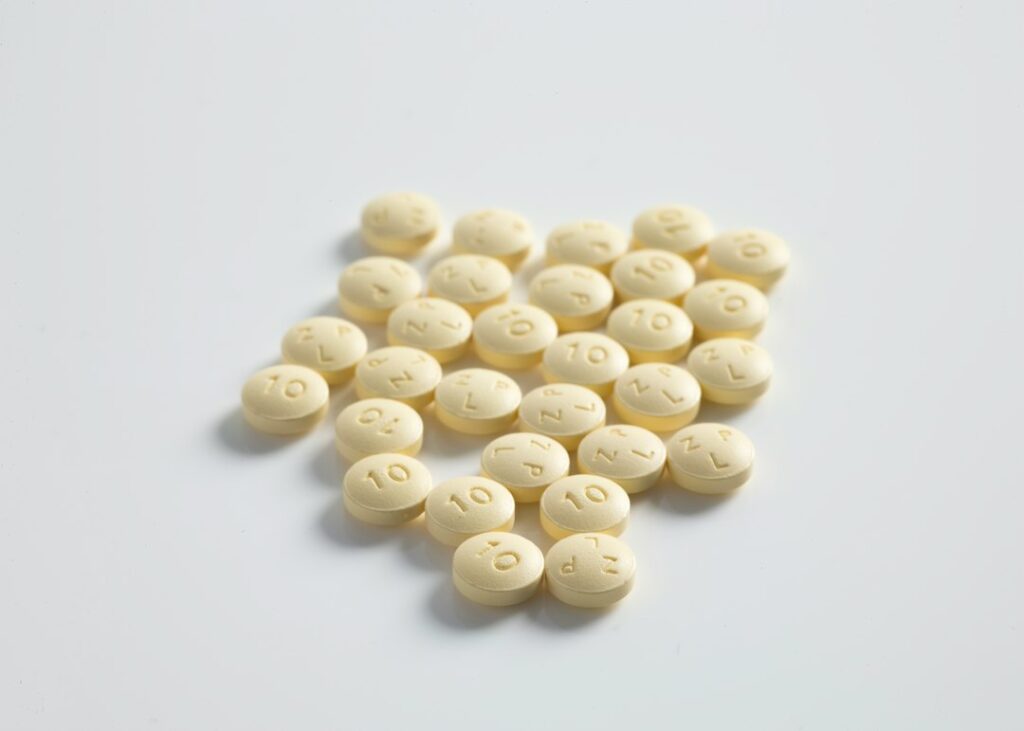
- Tylenol is a brand name; acetaminophen is the drug inside it — so "Tylenol vs acetaminophen" is really the same medicine.
- Generic or store-brand acetaminophen contains the identical active ingredient as Tylenol and is usually cheaper.
- Acetaminophen relieves mild to moderate pain and reduces fever but does little for inflammation.
- For most adults the limit is generally no more than 4,000 mg in 24 hours from all sources, because too much can cause serious liver damage.
- Acetaminophen is hidden in many cold, flu, and prescription pain combination products, making accidental double-dosing a real risk.
- Read every label's active ingredients and call Poison Control at 1-800-222-1222 for a suspected overdose, even if you feel fine.
Standing in the pharmacy aisle, it is easy to wonder whether Tylenol and acetaminophen are different medicines, or whether one works better than the other. The simple answer is that they are the same drug: Tylenol is a brand name, and acetaminophen is the active ingredient inside it. There is nothing to “choose between” in terms of the medicine itself. This article explains what that means in practice, what acetaminophen is used for, the daily limit that protects your liver, and the very common trap of taking it twice without realizing. It is general education, not medical advice.
Tylenol is a brand; acetaminophen is the drug
Acetaminophen is the generic (chemical) name of the medicine. Tylenol is the best-known brand name for that same medicine in the United States. So a bottle labeled “Tylenol” and a bottle labeled “acetaminophen” — including store and pharmacy house brands — contain the identical active ingredient, working the same way in the body. As Drugs.com puts it plainly, acetaminophen is the same as Tylenol, with acetaminophen being the generic name for the brand-name product. The main everyday difference is price: generic acetaminophen is typically cheaper than the branded version, while delivering the same drug at the same strength.
One more naming note that trips people up: outside the US, this exact drug is usually called paracetamol. If you want the international angle, see acetaminophen vs paracetamol — again, the same medicine, just a different regional name.
What acetaminophen is used for
According to MedlinePlus, acetaminophen relieves mild to moderate pain and reduces fever. People commonly use it for headaches, muscle aches, backaches, toothaches, arthritis discomfort, and the aches of colds and flu. It works by changing how the body perceives pain and by helping to lower a fever. Unlike nonsteroidal anti-inflammatory drugs (NSAIDs) such as ibuprofen, it does little to reduce inflammation — a difference we cover in acetaminophen vs ibuprofen. Acetaminophen is often chosen because it is generally gentle on the stomach and can suit people who cannot take NSAIDs, though it is not right for everyone.
| Tylenol | Generic acetaminophen | |
|---|---|---|
| What it is | Brand name | The drug itself |
| Active ingredient | Acetaminophen | Acetaminophen (same) |
| What it treats | Pain and fever | Pain and fever (same) |
| Typical cost | Usually higher | Usually lower |
| Main safety concern | Liver (overdose) | Liver (overdose) — same |
The 4,000 mg daily limit and your liver
Because Tylenol and generic acetaminophen are the same drug, the safety rules are identical. The key one concerns the liver. Always follow the specific product’s label, but as general guidance reflected by MedlinePlus and manufacturer information:
- For most adults, the limit is generally no more than 4,000 mg (4 grams) in 24 hours from all sources combined. Some people who take it often, or who have liver concerns, are advised to stay lower.
- Taking too much — a single large overdose or repeatedly stacking doses over time — can cause serious, sometimes fatal liver damage, occasionally severe enough to require a transplant.
- Regular heavy alcohol use adds strain to the liver; if you have several alcoholic drinks a day, talk to a clinician before using acetaminophen regularly.
To put the limit in perspective: taking two 500 mg tablets four times in a day already reaches 4,000 mg, so there is little room left for any additional acetaminophen from another product.
The hidden-in-combinations trap
The most common real-world danger is not one big overdose — it is accidental doubling up. Acetaminophen is an ingredient in a huge range of combination products: multi-symptom cold and flu remedies, sinus formulas, nighttime pain-and-sleep products, and many prescription pain medicines that pair it with an opioid such as codeine, hydrocodone, or oxycodone. On labels it is sometimes abbreviated APAP. Someone taking Tylenol for a headache and a cold-and-flu product for congestion — both containing acetaminophen — can quietly exceed the daily limit. The safeguards are simple: read the active-ingredient list on everything you take, do not combine two products that both contain acetaminophen (or APAP), and be especially careful when a prescription painkiller is in the mix.
So which is “better”?
There is no medical “better” between Tylenol and acetaminophen, because they are the same drug at the same doses with the same effects and the same risks. The only practical decision is brand versus generic, which is really a cost question — the generic gives you the identical medicine, usually for less. What matters far more than the label is using it safely: staying within the daily limit, watching for it in combination products, and getting individual guidance from a clinician if you have liver problems, drink regularly, take other daily medicines, or are choosing a pain reliever during pregnancy.
Frequently asked questions
Is Tylenol the same as acetaminophen? Yes. Tylenol is a brand name and acetaminophen is the drug inside it. Store-brand acetaminophen contains the same active ingredient.
Is generic acetaminophen as good as Tylenol? Yes — it is the identical active ingredient at the same strength, usually at a lower price.
Can I take Tylenol and acetaminophen together? No. That would be taking the same drug twice and risks a dangerous overdose. Count both toward one daily limit.
How much acetaminophen is too much? For most adults, more than 4,000 mg in 24 hours from all sources risks liver damage. Follow your product’s label, and some people should take less.
Why is acetaminophen in my cold medicine? Many multi-symptom cold, flu, and pain products include it (sometimes labeled APAP). That is why it is easy to double up by accident — always read the active ingredients.
What should I do if I think I took too much? Call Poison Control at 1-800-222-1222 or seek care right away, even if you feel fine, because liver damage may not cause symptoms at first.
This article is general education and is not medical advice. Talk to a qualified clinician about your situation.
For more on common medicines and when symptoms need care, see our medical conditions guide.
Sources
- MedlinePlus (U.S. National Library of Medicine) — Acetaminophen drug information (uses, dosing, liver warning, combination products)
- Drugs.com — “Is acetaminophen the same as Tylenol?” and acetaminophen/Tylenol overviews (brand vs generic, 4,000 mg limit, avoiding other acetaminophen products)