
Benign prostatic hyperplasia (BPH) affects more than half of men by age 60 and almost 90 percent by age 85, often causing weak urinary stream, frequent nighttime urination, and incomplete bladder emptying. TURP surgery — short for transurethral resection of the prostate — has been the standard surgical treatment for BPH for decades. The procedure removes obstructing prostate tissue from inside the urethra, with no external incisions. Modern variations using bipolar energy and laser systems have made the surgery safer and more accessible than the original monopolar TURP introduced in the mid-20th century. Importantly, TURP is a treatment for symptoms and obstruction, not a decision to make lightly or on your own — it sits at the end of a stepwise process that usually begins with lifestyle measures and medication.
What TURP Is and Who Needs It
BPH is non-cancerous enlargement of the prostate that compresses the urethra and obstructs urine flow. According to the National Institute of Diabetes and Digestive and Kidney Diseases (NIDDK), treatment indications for surgery include severe symptoms not controlled by medication, urinary retention requiring catheterization, recurrent urinary tract infections, bladder stones, kidney damage from back-pressure, and persistent blood in the urine from prostate tissue.
Surgery is rarely the first step. Most men move through a ladder of options: watchful waiting and lifestyle changes for mild symptoms, then medication, then a minimally invasive procedure or TURP if symptoms remain bothersome or complications develop. MedlinePlus notes that TURP relieves the symptoms of an enlarged prostate most of the time, but the right timing and technique are individualized. Whether you are a candidate — and which procedure fits — is a decision your urologist makes with you, based on your symptom severity, prostate anatomy, overall health, and personal priorities such as preserving ejaculation.
TURP is typically considered for prostates between roughly 30 and 80 grams. Larger glands often do better with simple prostatectomy or laser enucleation (HoLEP). Smaller glands may respond to less invasive office procedures. Prostate size is usually estimated with ultrasound or other imaging before a technique is chosen.
How the Procedure Is Performed
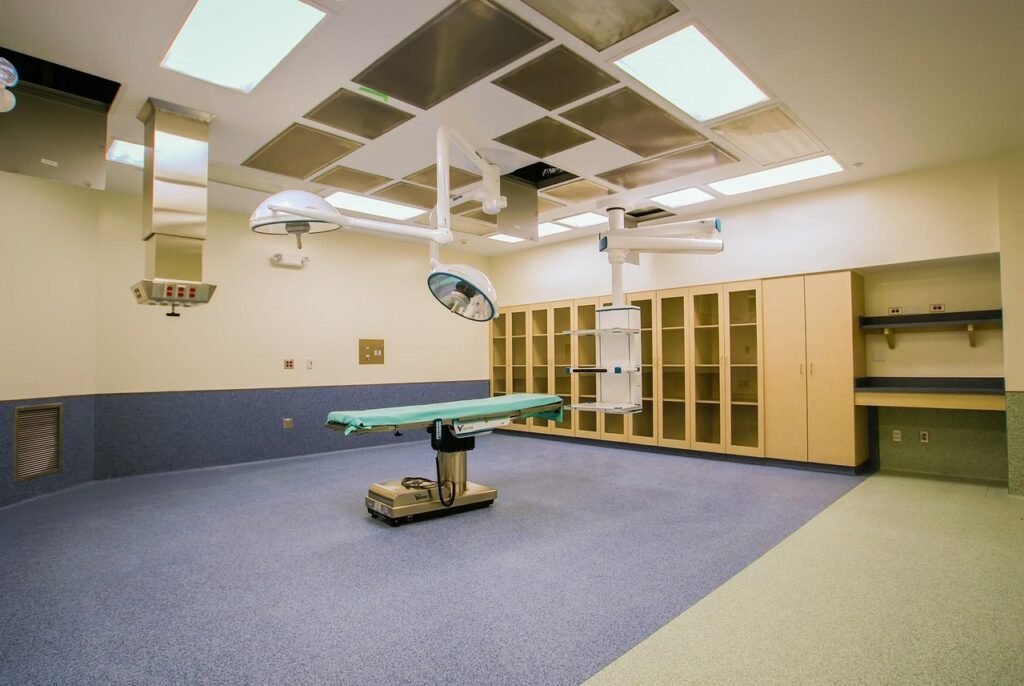
TURP uses no external incisions. Under spinal or general anesthesia, the surgeon passes a resectoscope — a slim instrument combining a camera, irrigation channel, and electrical loop — through the urethra into the prostate. Tissue is shaved away in small chips that are flushed out at the end of the procedure. The American Urological Association describes the modern bipolar version, which uses saline irrigation rather than the older glycine solution and significantly reduces the risk of “TURP syndrome” (fluid absorption causing electrolyte imbalance).
Total operating time is usually 60 to 90 minutes. After surgery, a three-way catheter with continuous bladder irrigation runs for 24 to 48 hours to clear blood and small clots. Hospital stays typically run 1 to 2 nights, though some centers now perform same-day discharge in selected patients.
Laser variations of TURP, including HoLEP (holmium laser enucleation), GreenLight PVP (photoselective vaporization), and ThuLEP (thulium laser), achieve similar results with less bleeding and shorter catheter times in many cases. HoLEP in particular can treat very large prostates that once required open surgery, though it is a technically demanding procedure that is not available everywhere.
Preparation and What to Expect on the Day
Pre-operative work-up usually includes a urinalysis and urine culture (active infection must be treated first), basic labs, an electrocardiogram, and sometimes urodynamic testing. PSA testing and a prostate exam are routine to help ensure cancer is not present, since TURP treats BPH and does not treat or prevent prostate cancer. Blood thinners are stopped on a schedule set by your care team — never adjust these on your own.
You will fast after midnight and arrive several hours before surgery. After the procedure, you wake up with the irrigation catheter in place. Pain is usually mild because there are no external incisions, though bladder spasms can be uncomfortable and are treated with anticholinergic medications. Most patients walk the same day, which also helps lower the risk of blood clots.
Recovery Timeline
The catheter is usually removed at 1 to 3 days, after which you spend a few hours in the hospital to confirm you can urinate. Cleveland Clinic notes that most men return to desk work within 2 weeks and to full activity, including exercise and sex, within 4 to 6 weeks.
Expect blood-tinged urine off and on for 2 to 6 weeks as the prostate heals. Increased urinary frequency and urgency are common during the first month and usually settle as the raw surface heals over. Most surgeons advise drinking plenty of water, avoiding heavy lifting for about 4 weeks, and not driving while on opioid medication. Constipation should be avoided to prevent straining and bleeding, so a high-fiber diet or a stool softener is often recommended. These are general patterns, not personalized instructions — follow the specific discharge plan your surgeon gives you.
When to seek emergency care: Call 911 or go to the nearest emergency room if you experience inability to urinate, heavy bleeding with clots, fever above 101 degrees Fahrenheit, severe pelvic pain, calf pain or swelling, sudden shortness of breath, or signs of severe urinary tract infection such as flank pain with chills.
Risks, Complications, and Outcomes
TURP is one of the most studied surgical procedures in urology, with decades of outcome data. Most men experience significant improvement in urinary symptoms — peak flow rates roughly double on average, and quality-of-life scores improve substantially. Still, no procedure is risk-free, and the tradeoffs matter.
Common side effects include retrograde ejaculation (semen flows backward into the bladder during orgasm) in roughly 50 to 75 percent of men. The orgasm sensation is preserved, but ejaculate volume drops dramatically. This is generally permanent and is the main reason younger or fertility-conscious patients sometimes prefer prostatic urethral lift (UroLift) or water vapor therapy (Rezum), which are more likely to preserve antegrade (forward) ejaculation.
Other risks include bleeding (a small percentage of men require a transfusion), urinary tract infection, urethral stricture or bladder neck scarring (a few percent of cases), urinary incontinence (uncommon and usually temporary), and erectile dysfunction (a minority of men report new erectile changes, though baseline aging and BPH itself also contribute). Reported complication rates vary between studies and surgeons, which is one reason it is reasonable to ask about a surgeon’s own experience and outcomes.
Alternatives and When TURP May Not Be Needed
Many men with mild to moderate BPH respond to medication and never need surgery. Alpha-blockers (such as tamsulosin or alfuzosin) relax prostate smooth muscle and improve flow within days. 5-alpha-reductase inhibitors (finasteride, dutasteride) shrink the prostate over months. Combination therapy is common for moderate symptoms, and the newer combination of a 5-alpha-reductase inhibitor with tadalafil helps some men. Medication choice and dosing are decisions for your clinician.
Less invasive procedures include UroLift (small implants that hold the prostate lobes apart), Rezum (steam injection that ablates prostate tissue), iTind (a temporary nitinol implant), and prostatic artery embolization (an image-guided option performed by interventional radiology). These generally preserve sexual function and have shorter recoveries but tend to be less durable than TURP. For very large prostates, simple prostatectomy or HoLEP may be preferred. Aquablation (robotically controlled waterjet ablation) is a newer, image-guided option that treats a range of prostate sizes and may lower the risk of ejaculatory problems compared with TURP, though longer-term durability data are still accumulating. For acute kidney issues from prostatic obstruction, the broader urologic workup may overlap with conditions covered in kidney stone management.
How TURP Compares With Common Alternatives
| Option | How it works | Ejaculation preserved? | Relative durability |
|---|---|---|---|
| TURP | Tissue removed via resectoscope | Often no (retrograde common) | High |
| HoLEP / laser enucleation | Laser removes inner tissue; treats large glands | Often no | High |
| UroLift | Implants hold lobes open | Usually yes | Lower (may need retreatment) |
| Rezum | Steam ablates tissue | Usually yes | Moderate |
| Aquablation | Robotic waterjet ablation | Often better preserved than TURP | Promising; longer-term data emerging |
This table is a simplified orientation, not medical advice — the best choice depends on your anatomy and goals and should be worked out with your urologist.
Cost Considerations
Costs vary widely by region, facility, and insurance, so treat any figure as an estimate to verify. Without insurance, TURP has commonly been quoted in the roughly $10,000 to $20,000 range in the US, including surgeon, anesthesia, and facility fees. Laser and robotic variations may cost more due to equipment. With commercial insurance, out-of-pocket costs often run from around $1,000 to several thousand dollars after your deductible, depending on your plan. Medicare covers TURP for appropriate diagnoses; it has been a Medicare-covered service for decades. Always ask for an itemized, written estimate and confirm coverage in advance. Our healthcare costs guide covers how to estimate hospital, anesthesia, and surgeon fees, and the medical conditions resource library covers BPH and related urologic issues.
Frequently Asked Questions
Will I be able to have sex normally after TURP?
Erectile function is usually preserved, though a minority of men report new erectile changes. Retrograde ejaculation occurs in most patients — the orgasm feels normal but little or no semen is released. Fertility is significantly reduced as a result, which is worth discussing beforehand if it matters to you.
How long do TURP results last?
Most men get long-term symptom relief from TURP. A minority require retreatment within about 8 to 10 years, usually because the prostate continues to grow. Repeat TURP or an alternative procedure are options if symptoms recur.
How does TURP compare to UroLift or Rezum?
TURP usually achieves the largest improvement in flow rates and is more durable, but causes retrograde ejaculation in most men. UroLift and Rezum are more likely to preserve sexual function and have shorter recoveries, but generally offer smaller flow improvements and may need retreatment sooner. The right choice depends on prostate size, symptom severity, and how much ejaculatory preservation matters to you.
Will I still need BPH medications after surgery?
Many men can stop alpha-blockers and 5-alpha-reductase inhibitors after TURP because the obstruction has been physically removed. Some need to continue medication for residual symptoms or unrelated conditions such as overactive bladder. Do not start or stop any prescription on your own — ask the clinician who manages your care.
Is TURP a treatment for prostate cancer?
No. TURP treats obstruction from benign enlargement. It does not treat or prevent prostate cancer, which is why PSA testing and a prostate exam are part of the pre-operative evaluation.
The Bottom Line
TURP remains the benchmark surgical treatment for BPH and provides durable symptom relief for most men who undergo it. Useful conversations with your urologist include whether you are a candidate for less invasive options first, what your prostate size suggests for the right procedure, what the expected impact on ejaculation is, and what the surgeon’s complication rates and case volume look like. For men who place high value on preserving ejaculation, the conversation may extend to UroLift, Rezum, Aquablation, or robotic simple prostatectomy. Ultimately, which procedure — if any — is right for you is a decision your urologist makes together with you.
TL;DR
TURP removes obstructing prostate tissue through the urethra to relieve BPH symptoms when medication and minimally invasive options are not enough. It works well and is durable, but most men develop retrograde (dry) ejaculation. Alternatives such as UroLift, Rezum, laser enucleation, and Aquablation may fit different prostate sizes or better preserve ejaculation. Recovery to desk work is about 2 weeks; costs vary and should be verified.
This article is for general education only and is not medical advice. It is not personalized to your situation and cannot replace an evaluation by a qualified clinician. Which treatment is appropriate — and when — is a decision your urologist makes with you. See a doctor for diagnosis and treatment, and call 911 or go to the emergency room for warning signs like inability to urinate, heavy bleeding, or high fever.
Sources
- MedlinePlus (U.S. National Library of Medicine) — Transurethral resection of the prostate
- National Institute of Diabetes and Digestive and Kidney Diseases (NIDDK) — Prostate Enlargement (Benign Prostatic Hyperplasia)
- American Urological Association — Management of Benign Prostatic Hyperplasia (BPH) Guideline
- Cleveland Clinic — Transurethral Resection of the Prostate (TURP)
- Urology Care Foundation (AUA) — Benign Prostatic Hyperplasia (BPH)