
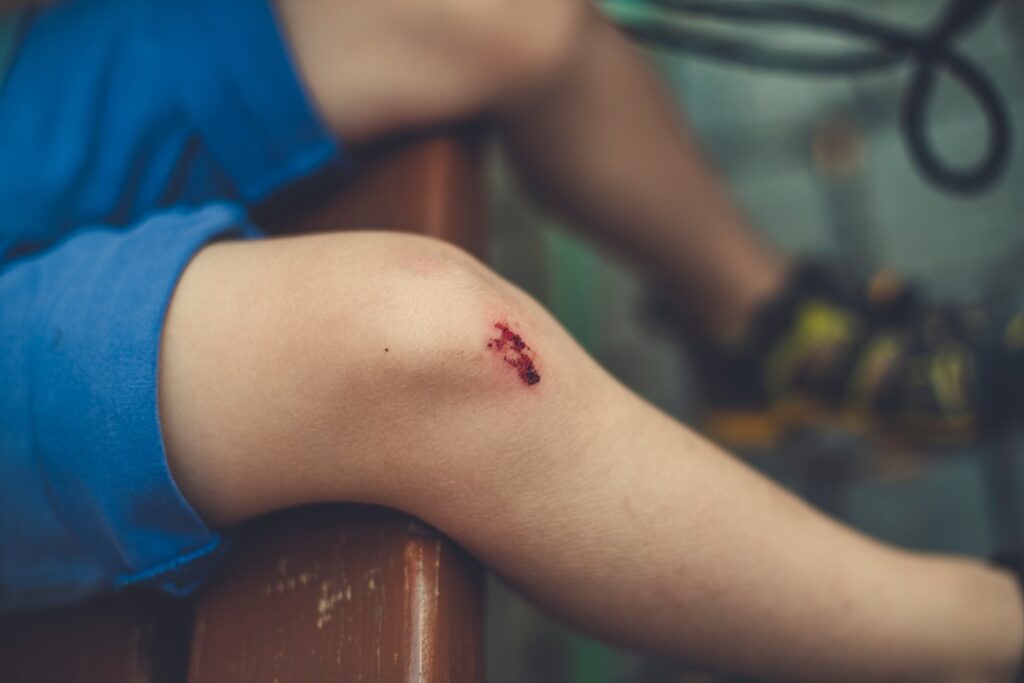
The symptoms of torn meniscus can range from a minor nuisance to a significant limitation on your mobility, depending on the type and severity of the tear. A torn meniscus is one of the most common knee injuries, affecting athletes, active adults, and older individuals whose cartilage has weakened with age. If you have been experiencing knee pain, swelling, stiffness, or a sensation that your knee is catching or locking, you may be dealing with the symptoms of torn meniscus.
Your menisci are two C-shaped pieces of cartilage that act as shock absorbers between your thighbone (femur) and shinbone (tibia). They cushion the joint, distribute weight, and help stabilize the knee during movement. When a meniscus tears, it can disrupt these functions and create symptoms ranging from mild discomfort to an inability to fully straighten or bend the knee. This guide will help you understand what a torn meniscus feels like, how it is diagnosed, and — importantly — when your knee injury may be serious enough to need prompt care. It is educational information, not medical advice.
What Causes a Torn Meniscus?
Meniscus tears occur through two primary mechanisms: acute trauma and degenerative wear.
Acute tears typically happen during activities that involve forceful twisting, pivoting, or sudden changes in direction while the foot is planted and the knee is bent. Contact sports like football and basketball, along with activities such as tennis and skiing, are common settings for acute meniscus tears. According to the American Academy of Orthopaedic Surgeons, meniscus tears are frequently accompanied by other knee injuries, including ACL tears.
Degenerative tears develop gradually as the cartilage weakens with age. In older adults, even relatively minor movements such as squatting or stepping off a curb can cause a tear. The cartilage becomes thinner and more brittle, making it increasingly vulnerable to damage. For more on knee health and related conditions, visit our medical conditions guide.
Common Symptoms of a Torn Meniscus
The symptoms you experience depend on the type, size, and location of the tear. Here are the most frequently reported signs.
Knee pain: Pain along the joint line of the knee (the inner or outer edge where the femur meets the tibia) is the most common symptom. It may be sharp during certain movements — twisting, squatting, or climbing stairs — and settle into a dull ache at rest. Pain is often localized to the side of the knee where the tear occurred.
Swelling: A torn meniscus often triggers swelling, though the timeline varies. With an acute tear, swelling may build over the first day or two after the injury. Degenerative tears may produce more gradual, intermittent swelling. The swelling reflects joint irritation and increased fluid in the knee.
Stiffness and limited range of motion: Many people find it difficult to fully bend or straighten the affected knee. The knee may feel stiff, particularly after sitting for a while or first thing in the morning.
Mechanical Symptoms That Point to a Tear
Some of the most distinctive symptoms of a torn meniscus involve mechanical dysfunction of the joint. These signs help distinguish a meniscus tear from other knee problems.
Catching or locking: A loose piece of torn meniscus can wedge in the joint, causing the knee to catch or lock in a bent position. You may feel a sudden “catch,” as if something is blocking normal movement. True locking — where you genuinely cannot fully straighten the knee — strongly suggests a displaced fragment and warrants prompt evaluation, as it often needs a procedure to correct.
Popping or clicking: Many people report hearing or feeling a pop at the moment of injury. Ongoing clicking, popping, or grinding during movement afterward may mean the torn tissue is interfering with the smooth mechanics of the joint.
Giving way: A sensation that the knee is going to give out or buckle, especially during weight-bearing or pivoting, can occur with a torn meniscus. This instability can be both physically limiting and unsettling.
Types of Meniscus Tears and Their Symptoms
Not all meniscus tears are the same, and the pattern of the tear influences both the symptoms and the treatment approach.
Radial tears: Run from the inner edge toward the outer edge. They may cause pain and clicking and, because they disrupt the meniscus’s ability to distribute load, can contribute to further cartilage wear if not addressed.
Horizontal tears: Run along the length of the meniscus and often occur with degenerative changes. They may produce moderate pain and swelling with fewer mechanical symptoms than other patterns.
Bucket-handle tears: A large, displaced tear in which a portion of the meniscus flips into the center of the joint like a bucket handle. This pattern frequently causes locking and a significant loss of range of motion, and it is among the most likely to need surgical treatment.
Flap tears: A flap of tissue breaks away and can fold over, causing catching during movement. Symptoms may come and go depending on whether the flap is displaced during activity.
Torn Meniscus vs. Other Knee Injuries
Several knee conditions share symptoms with a torn meniscus, so an accurate diagnosis matters.
ACL tear: Typically involves a sudden pop, quick swelling, and a strong sense of instability. It shares features with a meniscus tear, produces more generalized instability, and the two injuries often occur together.
Knee osteoarthritis: Degenerative meniscus tears and osteoarthritis frequently coexist and share symptoms such as pain, stiffness, and swelling. Imaging can help distinguish them, though managing one often helps the other.
Patellofemoral pain: Pain from the kneecap area can mimic meniscus pain but is usually felt at the front of the knee rather than along the joint line, and is often aggravated by stairs, prolonged sitting, and squatting. If a torn meniscus eventually leads to more advanced joint problems, you may want to review information about knee replacement surgery cost.
When to See a Doctor
Consult a healthcare provider if you experience any of the following:
- Knee pain and swelling that do not improve after a few days of home care
- A sensation of catching, locking, or giving way in the knee
- Inability to fully bend or straighten the knee
- Inability to bear weight on the leg
- Knee symptoms that interfere with daily activities or exercise
- A significant knee injury with immediate, substantial swelling and pain
Seek prompt evaluation if your knee is truly locked and you cannot straighten it, as this may indicate a displaced tear (such as a bucket-handle tear) that benefits from timely treatment. Persistent mechanical symptoms like catching and locking should not be ignored, because they can lead to further cartilage damage over time.
Red Flags: Get Urgent Care
Some knee problems are not simple meniscus tears and need urgent, same-day attention:
- A knee that is hot, red, and swollen along with a fever or feeling unwell can signal a joint infection (a septic joint), which is a medical emergency and needs urgent evaluation and treatment.
- A knee that looks deformed or out of place after an injury (a possible dislocation or fracture) needs urgent care.
- Severe pain, an inability to move or bear any weight on the leg, or numbness, a cold foot, or loss of pulse below the knee after an injury also warrant emergency evaluation.
If you are unsure how serious your knee injury is, it is safer to be checked.
Diagnosis and Treatment
A healthcare provider usually begins with a physical examination, including specific maneuvers (such as the McMurray or Thessaly tests) that rotate and stress the knee to reproduce symptoms. If these suggest a tear, MRI imaging is the standard for confirming the diagnosis and evaluating the tear’s type and location.
Treatment depends on the tear’s characteristics, your age, activity level, and symptoms. Conservative treatment — rest, ice, compression, and elevation (RICE), along with activity modification, physical therapy, and, when appropriate, anti-inflammatory medication used as directed — is often effective for smaller, stable tears, especially degenerative ones. Many meniscus tears respond well to nonsurgical management.
Surgical options include arthroscopic meniscus repair, which preserves the tissue, and partial meniscectomy, which removes the damaged portion. Repair is generally preferred when possible, particularly in younger patients and for tears in the better-vascularized outer zone of the meniscus, where healing potential is higher. Your surgeon can explain which approach fits your specific tear.
Frequently Asked Questions
Can a torn meniscus heal on its own?
It depends on the location. The outer third of the meniscus has a blood supply (the “red zone”), and small tears there can heal with conservative treatment. The inner two-thirds have little to no blood supply (the “white zone”), and tears there are unlikely to heal on their own. The size and pattern of the tear also affect healing potential.
How long does recovery from a torn meniscus take?
Recovery varies with the severity and the treatment. With conservative management, many people improve over several weeks. Recovery after arthroscopic removal of the damaged portion is often a few weeks, while recovery after a meniscus repair is typically longer — often several months — because the repaired tissue needs time to heal. Your care team will give you a timeline based on your situation.
Can I still walk with a torn meniscus?
Many people can walk with a torn meniscus, especially with smaller tears. However, walking may be painful, and continuing to walk on a significantly torn meniscus can worsen the tear or cause additional joint damage. If walking causes significant pain, locking, or giving way, limit weight-bearing and seek evaluation.
Do I need surgery for a torn meniscus?
Not always. Many tears — particularly degenerative and small, stable ones — can be managed successfully with physical therapy, activity modification, and appropriate anti-inflammatory treatment. Surgery is more often considered for tears that cause persistent mechanical symptoms (locking, catching), large displaced tears, tears that do not respond to conservative treatment, or active individuals aiming to return to high-level sport.
Can a torn meniscus lead to arthritis?
A torn meniscus can increase the long-term risk of knee osteoarthritis. The meniscus helps distribute load across the joint, and when it is damaged the underlying cartilage faces more stress. This risk exists whether the tear is treated conservatively or surgically. Maintaining a healthy weight, staying active with appropriate exercises, and addressing knee problems early can help reduce it.
The Bottom Line
The symptoms of torn meniscus typically include joint-line knee pain, swelling, stiffness, and mechanical signs such as catching, locking, popping, and giving way, with severity depending on the tear’s type and location. Many tears improve with conservative care, but a truly locked knee, significant swelling, an inability to bear weight, or instability deserves prompt medical evaluation. Treat a hot, red, swollen knee with fever — or an obviously deformed knee after injury — as an urgent problem. This article is educational information and is not a substitute for a diagnosis and treatment plan from a qualified clinician. For more on musculoskeletal conditions, visit our medical conditions guide.
Sources
- Mayo Clinic — Torn meniscus: symptoms, causes, and treatment
- Cleveland Clinic — Meniscus tear; septic (infectious) arthritis
- American Academy of Orthopaedic Surgeons (AAOS / OrthoInfo) — Meniscus tears
- MedlinePlus (U.S. National Library of Medicine) — Meniscus tears; knee injuries