
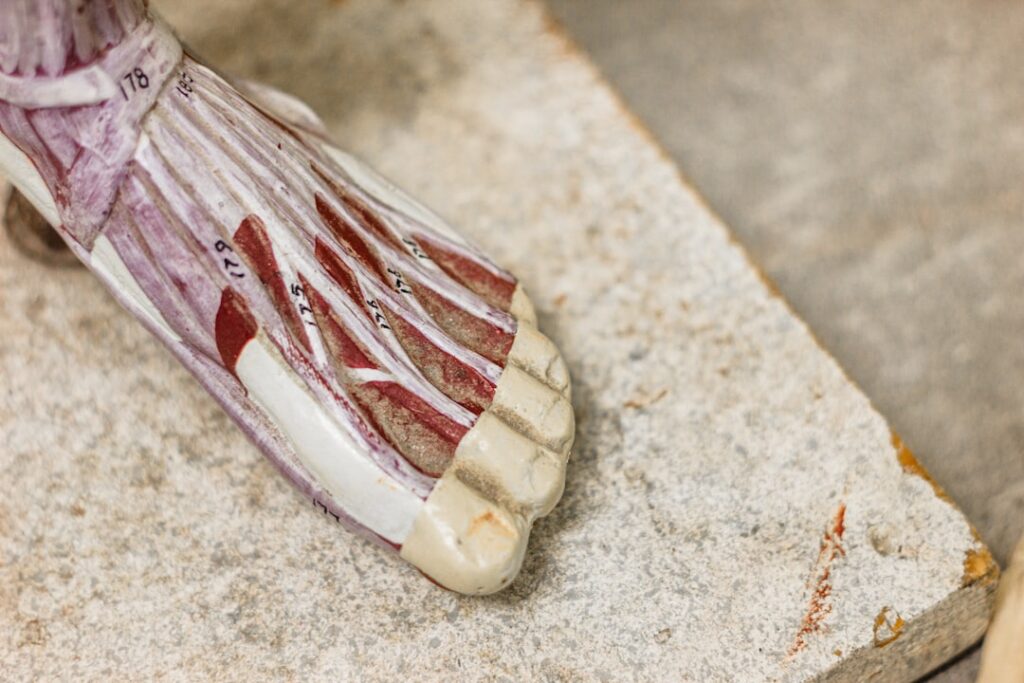
- The symptoms of peripheral neuropathy usually start in the feet and hands in a "stocking-glove" pattern — tingling, numbness, burning or shooting pain, and sensitivity — often mild at first.
- Diabetes is the single most common cause, but nerve damage can also come from vitamin B12 deficiency, alcohol, thyroid disease, autoimmune conditions, infections, chemotherapy, and other medications.
- The most important step is to get evaluated to find the underlying cause: many causes are treatable or reversible when caught early, while long-standing nerve damage can become permanent.
- Red flags that need urgent care include rapidly spreading or worsening weakness (a possible sign of Guillain-Barre syndrome), and any foot ulcer, non-healing wound, or infection in someone with diabetes.
- Call 911 for sudden, severe weakness or numbness on one side, sudden trouble speaking or walking, or a rapidly ascending weakness — these can signal a stroke or other emergency, not ordinary neuropathy.
- This article is general education, not medical advice; don't self-diagnose or self-treat nerve symptoms — see a clinician for evaluation.
An estimated 20 million or more Americans have some form of peripheral neuropathy, according to the National Institute of Neurological Disorders and Stroke (NINDS), and the true number is likely higher because many cases go undiagnosed. The symptoms of peripheral neuropathy often begin subtly — a slight tingling in the toes, an odd numbness in the fingertips — and escalate slowly enough that people assume they are just part of getting older. Recognizing these warning signs early, and getting evaluated to find the cause, can make the difference between treatable nerve trouble and permanent nerve damage.
What Is Peripheral Neuropathy?
Peripheral neuropathy is damage to the peripheral nerves — the vast network of nerves that carry signals between your brain, spinal cord, and the rest of your body. These nerves control sensation, movement, and automatic functions such as blood pressure and digestion. When they are damaged, signals get disrupted: pain may occur without a cause, sensation may fade or disappear, or muscles may weaken and waste away.
Peripheral neuropathy is not a single disease but rather the end result of many different underlying causes. Diabetes is the most common, and the Cleveland Clinic and NINDS note it accounts for a large share of cases. Other causes include autoimmune disorders, infections, inherited conditions, physical trauma, nutritional deficiencies (particularly vitamin B12 deficiency), thyroid disease, kidney disease, exposure to toxins, and certain medications, including some chemotherapy drugs. Because the treatment depends on the cause, identifying that cause is the central task of any workup.
Early Symptoms of Peripheral Neuropathy
The earliest symptoms of peripheral neuropathy typically affect the feet and hands in a pattern clinicians call “stocking-glove distribution.” The longest nerves — those reaching your toes and fingers — are usually damaged first, which is why symptoms tend to start at the far ends of the limbs and gradually move inward over time.
Tingling and pins-and-needles sensations. This is often the very first sign. The feeling is similar to when your foot “falls asleep,” except it occurs without any positional cause and may persist for hours or be constant. Many people first notice it at night when lying still.
Numbness. Gradually, the tingling may give way to areas of reduced sensation or complete numbness. You may find that you cannot feel temperature changes in your feet, or that you cut or burn yourself without realizing it. This loss of protective sensation is particularly dangerous for people with diabetes, because foot injuries can go unnoticed and progress to ulcers and infections.
Heightened sensitivity to touch. Paradoxically, some people develop allodynia — pain from stimuli that should not be painful. The weight of a bedsheet on your feet or the texture of socks can become unbearable. This happens because damaged nerves misfire, sending exaggerated pain signals to the brain.
Progressive and Advanced Symptoms
As peripheral neuropathy advances, symptoms expand beyond simple sensory changes and can significantly impair daily life.
Burning, Stabbing, or Electric-Shock Pain
Neuropathic pain is distinct from ordinary pain. People describe it as burning, stabbing, shooting, or like electric shocks. It can be constant or come in waves, and it often worsens at night. Neuropathic pain is widely recognized as one of the harder types of chronic pain to treat because it does not respond well to standard over-the-counter pain relievers, and it usually calls for medications that act specifically on nerve signaling.
Muscle Weakness and Wasting
When motor nerves are affected, the muscles they serve begin to weaken. You may notice difficulty gripping objects, buttoning shirts, or opening jars. In the lower legs, foot drop — an inability to lift the front part of the foot — can develop, causing stumbling and falls. Over time, affected muscles may visibly shrink (atrophy).
Loss of Coordination and Balance
Damage to sensory nerves impairs proprioception, the unconscious awareness of your body’s position. Without accurate feedback from the nerves in your feet, maintaining balance becomes difficult, particularly in dim lighting or on uneven surfaces. Falls become a serious concern, especially for older adults, who may face fractures and loss of independence as a result.
Autonomic Symptoms
If the autonomic nerves are damaged, you may experience symptoms that seem unrelated to nerve damage: excessive sweating or an inability to sweat, dizziness upon standing (orthostatic hypotension), digestive problems such as bloating, nausea, or constipation, bladder dysfunction, and sexual dysfunction. These autonomic symptoms of peripheral neuropathy are sometimes the most disruptive to quality of life and are easy to overlook because they don’t obviously point to the nerves.
Types of Peripheral Neuropathy
Understanding which type you have helps predict the pattern and severity of symptoms.
Sensory neuropathy affects the nerves that carry sensation and produces tingling, numbness, pain, and temperature sensitivity. This is the most common type.
Motor neuropathy damages the nerves controlling voluntary muscle movement, leading to weakness, cramps, muscle twitching, and atrophy.
Autonomic neuropathy involves the nerves that regulate involuntary body functions, causing problems with heart rate, blood pressure, digestion, and bladder control.
Mixed neuropathy involves two or all three nerve types at once, which is common in diabetic neuropathy. Many people with diabetes-related nerve damage experience a combination of sensory and autonomic symptoms.
Clinicians also distinguish polyneuropathy (many nerves affected symmetrically, as in diabetes) from mononeuropathy (a single nerve, as in carpal tunnel syndrome). The distribution of your symptoms is one of the first clues a doctor uses to narrow down the cause.
Common Causes and Risk Factors
Diabetes remains the leading cause. The CDC notes that a large share of people with diabetes develop some form of nerve damage over their lifetime, and poorly controlled blood sugar accelerates it. Because diabetic neuropathy can quietly progress for years, screening matters even before symptoms appear.
Other significant causes include:
- Autoimmune diseases: Lupus, rheumatoid arthritis, Sjogren’s syndrome, and Guillain-Barre syndrome can all trigger nerve inflammation and damage.
- Infections: Shingles (which can leave postherpetic neuralgia), HIV, Lyme disease, and hepatitis C are associated with neuropathy.
- Nutritional deficiencies: Low levels of vitamin B12, B6, B1, and vitamin E can cause or worsen neuropathy. (Notably, too much B6 from supplements can also cause nerve damage.)
- Alcohol use: Chronic heavy drinking damages nerves directly and contributes to nutritional deficiencies that compound the problem.
- Medications and toxins: Certain chemotherapy agents, some antibiotics and anticonvulsants, and exposure to heavy metals can cause drug- or toxin-induced neuropathy.
- Thyroid and kidney disease: An underactive thyroid and chronic kidney disease are both linked to nerve damage.
- Physical trauma: Compression injuries (carpal tunnel syndrome, for example) and injuries from accidents can damage specific nerves.
- Idiopathic: In a meaningful share of cases, no cause is found despite a thorough workup. These are classified as idiopathic peripheral neuropathy.
Why Finding the Cause Matters
The most important thing to understand about the symptoms of peripheral neuropathy is that they are a signal, not a diagnosis in themselves. According to the Mayo Clinic, early and accurate diagnosis is crucial because treating the underlying cause can slow, halt, or in some cases reverse nerve damage. A B12 deficiency can be corrected. A medication can be changed. Blood sugar or thyroid levels can be brought under control. But nerves heal slowly and imperfectly, and damage that is allowed to continue for months or years can become permanent. That is the central reason not to wait out unexplained numbness, tingling, or weakness: the window in which treatment works best is early.
How Peripheral Neuropathy Is Diagnosed
Diagnosis typically begins with a detailed neurological examination. Your doctor will test your reflexes, muscle strength, sensitivity to touch and vibration, and your ability to feel temperature changes. Based on those findings, additional tests may be ordered.
Nerve conduction studies (NCS) and electromyography (EMG) measure how quickly and strongly electrical signals travel through your nerves and muscles, and can confirm the presence and extent of nerve damage. Blood tests check for diabetes or prediabetes, vitamin deficiencies, thyroid and kidney problems, and autoimmune markers. In some cases, a nerve biopsy or a skin biopsy is performed to examine nerve-fiber density, and imaging or genetic testing may be added when an inherited or structural cause is suspected.
When to See a Doctor
Talk to your healthcare provider if you experience persistent tingling or numbness in your hands or feet, unexplained pain that feels like burning or electric shocks, progressive muscle weakness, difficulty with balance or coordination, or any new sensation changes that last more than a few days. Don’t try to self-diagnose or self-treat nerve symptoms — the value of an evaluation is in identifying a cause you can actually act on.
If you have diabetes, the CDC recommends a comprehensive foot exam at least once a year to screen for neuropathy, even if you have no symptoms — and a prompt visit for any foot sore, blister, or wound that is slow to heal, because in a numb foot a small injury can become a serious infection before you feel it. For additional condition information, visit our medical conditions guide.
Red flags — seek urgent or emergency care
Call 911 or go to the nearest emergency room if you have sudden, severe weakness or numbness on one side of the body, sudden trouble speaking, sudden difficulty walking, or a rapidly spreading or “ascending” weakness that climbs from the feet upward. Rapidly progressing weakness can be a sign of Guillain-Barre syndrome, and one-sided weakness can signal a stroke — both are emergencies, not ordinary neuropathy.
Get urgent care for a new loss of bladder or bowel control, or — if you have diabetes — for any foot ulcer, non-healing wound, or spreading redness, warmth, or drainage that suggests infection.
Treatment and Management
Treatment targets both the underlying cause and the symptoms. Controlling blood sugar is the cornerstone of managing diabetic neuropathy. Correcting a vitamin deficiency, changing a medication that is causing neuropathy, or treating an autoimmune or thyroid condition can slow or stop further nerve damage.
For symptom relief, clinicians commonly prescribe medications such as gabapentin, pregabalin, duloxetine, and certain tricyclic antidepressants — all of which require a prescription and dosing set by your doctor, not self-adjustment. Topical treatments like capsaicin cream or lidocaine patches can help with localized pain. Physical therapy can address muscle weakness and balance problems. If you are dealing with related joint issues from an altered gait, you might benefit from home bursitis treatments while working on the underlying neuropathy.
Lifestyle measures also play an important role: regular moderate exercise, a balanced diet, limiting alcohol, not smoking, and meticulous daily foot care (checking for injuries, wearing well-fitting shoes) can all help manage symptoms and prevent complications.
Frequently Asked Questions
Can peripheral neuropathy be reversed?
It depends on the cause and how early treatment begins. Neuropathy caused by a treatable condition — such as a vitamin deficiency or a medication side effect — can sometimes improve substantially or fully resolve. Diabetic neuropathy is generally not reversible, but progression can be slowed significantly with good blood sugar control. The longer nerves remain damaged, the less likely full recovery becomes, which is why early evaluation matters so much.
What does peripheral neuropathy feel like in the feet?
Most people describe it as tingling, burning, or a sensation of walking on cotton or pebbles. Some feel sharp, stabbing pains, while others lose sensation entirely and feel nothing at all. The symptoms of peripheral neuropathy vary widely from person to person and can change over time.
Is peripheral neuropathy the same as sciatica?
No. Sciatica is pain caused by compression or irritation of the sciatic nerve, usually from a herniated disc in the lower spine, and it typically affects one leg. Peripheral neuropathy involves damage to multiple peripheral nerves and usually affects both feet or both hands symmetrically. Learn more about what sciatica feels like to understand the differences.
Does peripheral neuropathy get worse over time?
Without treatment, many forms of peripheral neuropathy are progressive. The rate varies: diabetic neuropathy often worsens gradually over years, while some toxic or medication-induced neuropathies can advance quickly. Treating the underlying cause is the most effective way to slow or halt progression.
When is nerve weakness an emergency?
Weakness that comes on suddenly, affects one side of the body, or spreads rapidly upward from the feet is a medical emergency — it can indicate a stroke or Guillain-Barre syndrome, and you should call 911. This is different from the slow, symmetric weakness of chronic neuropathy, which still needs evaluation but is not a same-minute emergency.
Can exercise help with peripheral neuropathy?
Research suggests that regular moderate exercise — walking, swimming, cycling — can reduce neuropathic pain, improve strength and balance, and help control blood sugar in people with diabetes. The NINDS and other authorities include physical activity in comprehensive neuropathy management. Always talk with your doctor before starting a new exercise program, especially if you have numb feet or balance problems.
The Bottom Line
The symptoms of peripheral neuropathy — tingling, numbness, burning pain, muscle weakness, and autonomic dysfunction — signal that your peripheral nerves are under stress or sustaining damage. Early recognition, and above all finding and treating the underlying cause, gives you the best chance of slowing progression and preserving nerve function. If you notice persistent changes in sensation or unexplained weakness, do not wait for the symptoms to escalate. A neurological evaluation and basic blood work can identify the problem and set you on a path toward effective management.
This article is general education and is not medical advice. It cannot diagnose your symptoms or replace an in-person evaluation. Talk to a qualified clinician about nerve symptoms, and call 911 for sudden, severe, or rapidly worsening weakness or numbness.
Sources
- Mayo Clinic — Peripheral neuropathy: symptoms, causes, diagnosis, and treatment.
- Cleveland Clinic — Peripheral Neuropathy.
- National Institute of Neurological Disorders and Stroke (NINDS) — Peripheral Neuropathy.
- Centers for Disease Control and Prevention (CDC) — Diabetes and nerve damage; annual foot exams.
- MedlinePlus (U.S. National Library of Medicine) — Peripheral neuropathy; Guillain-Barre syndrome.