
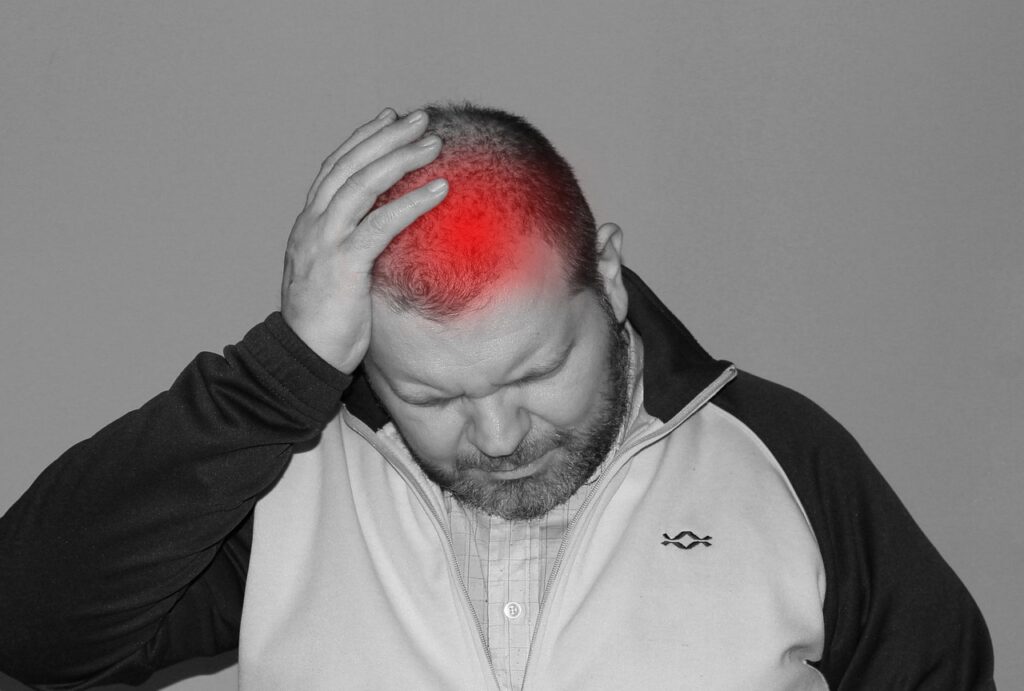
Fibromyalgia is a real condition, but it is a diagnosis of exclusion—so new or dramatically different symptoms deserve a fresh look, not an automatic write-off. Call 911 or go to the nearest emergency room for a sudden severe headache unlike any before, chest pain or trouble breathing, sudden weakness or numbness on one side, difficulty speaking, sudden vision changes, or any symptom that feels dramatically different from your usual pattern—these are not caused by fibromyalgia and may signal something serious. And please don’t self-diagnose: several treatable conditions mimic fibromyalgia, so see a clinician to confirm what is actually going on. If you are struggling emotionally or thinking about suicide, call or text 988 (the Suicide & Crisis Lifeline) anytime.
The symptoms of fibromyalgia extend far beyond the widespread pain most people associate with the condition. Crushing fatigue, cognitive difficulties known as “fibro fog,” sleep that leaves you exhausted despite hours in bed, and heightened sensitivity to stimuli that should not be painful are equally defining features of this complex disorder. Fibromyalgia affects an estimated 4 million US adults—roughly 2% of the adult population—according to the CDC. Despite its prevalence, it remains widely misunderstood and often takes years to diagnose, with patients frequently seeing several doctors before getting the correct answer. Recognizing the full spectrum of symptoms is the critical first step toward getting the right help. Our medical conditions guide covers additional health conditions you may want to explore. This article is general education, not medical advice.
What Is Fibromyalgia?
Fibromyalgia is a chronic pain condition characterized by widespread musculoskeletal pain, fatigue, sleep disturbance, and cognitive impairment. It is not an autoimmune disease in the traditional sense—it does not cause joint destruction, tissue inflammation, or organ damage—though it frequently coexists with autoimmune conditions like rheumatoid arthritis, lupus, and Sjogren’s syndrome. It is also not a psychiatric disorder, despite outdated perceptions that persist in some circles.
Current research points to abnormal pain processing in the central nervous system as the core mechanism. In fibromyalgia, the brain and spinal cord amplify pain signals—a phenomenon called central sensitization. Neuroimaging studies have demonstrated measurable differences in how the fibromyalgia brain processes pain, with increased activation in pain-processing regions even in response to stimuli that healthy people rate as mild or non-painful. Functional MRI studies have confirmed that these differences are objective and reproducible.
The condition disproportionately affects women, who account for the large majority of diagnoses, according to the National Institute of Arthritis and Musculoskeletal and Skin Diseases. Symptoms often begin after physical trauma (a car accident, surgery, or significant illness), a period of intense psychological stress, or a major life disruption, though they can also develop gradually with no identifiable trigger. Genetic predisposition plays a role—fibromyalgia runs in families, and first-degree relatives of patients have a markedly increased risk of developing the condition.
Widespread Pain: The Hallmark Symptom
Pain is the defining feature of fibromyalgia, but it behaves differently from pain caused by injury, inflammation, or structural damage. It is described as a constant, dull, aching soreness that has persisted for at least three months and occurs on both sides of the body, both above and below the waist. People frequently compare it to the whole-body muscular ache of a severe flu—except the flu never ends. Some describe burning, stabbing, or shooting sensations superimposed on the baseline ache, particularly during flares.
Pain intensity is not static—it fluctuates based on triggers. Weather changes (especially cold, damp conditions), physical overexertion, emotional stress, poor sleep, hormonal shifts around menstruation, and illness can all provoke flares. Some days the pain is manageable and you function near-normally; other days it is debilitating enough to prevent basic tasks. This unpredictability—never knowing how you will feel tomorrow—is one of the most psychologically challenging aspects of living with fibromyalgia.
Historically, diagnosis relied on 18 specific tender points—anatomically defined spots that were painful when pressed with a standardized force. The American College of Rheumatology updated its diagnostic criteria in 2010 and revised them again in 2016, moving away from the tender-point exam toward a more comprehensive assessment using the Widespread Pain Index (WPI) and the Symptom Severity Scale (SSS). These newer criteria better capture the full clinical picture, including the cognitive symptoms, fatigue, and unrefreshing sleep that the original tender-point approach ignored.
Fatigue and Sleep Disruption
Fatigue in fibromyalgia is not ordinary tiredness—it is not the exhaustion you feel after a hard day that a good night’s sleep resolves. People describe a bone-deep, debilitating weariness that is present upon waking and persists throughout the day regardless of rest. Even after eight, nine, or ten hours, many wake feeling completely unrefreshed—a phenomenon researchers term non-restorative sleep. For some, the fatigue is more limiting than the pain itself.
Sleep studies have revealed specific disruptions in sleep architecture. Fibromyalgia patients have reduced deep sleep (slow-wave sleep), increased alpha-wave intrusion during deep sleep (an “alpha-delta” pattern), and more frequent arousals through the night. Deep sleep is when the body performs tissue repair, releases growth hormone, and consolidates immune function—losing access to this restorative phase helps explain the persistent fatigue and body pain.
Comorbid sleep disorders are extremely common and significantly worsen symptoms. A large share of fibromyalgia patients also have one or more of the following: restless legs syndrome, obstructive sleep apnea, periodic limb movement disorder, or chronic insomnia. Identifying and treating these—through a formal sleep study, CPAP therapy, or targeted, clinician-directed sleep treatment—can produce dramatic improvement in overall symptom burden, sometimes more than pain-focused treatments alone.
Cognitive Difficulties: “Fibro Fog”
Cognitive impairment, widely known as “fibro fog” and increasingly recognized by researchers, affects a majority of people with fibromyalgia. The cluster includes difficulty concentrating and sustaining attention, trouble finding words during conversation, short-term memory lapses—forgetting why you walked into a room, losing your train of thought mid-sentence—slowed mental processing, and difficulty with multitasking and executive function.
This is not subjective perception alone. Research has documented measurable, objective deficits in working memory, processing speed, and executive function among fibromyalgia patients compared with age-matched healthy controls. On some tasks, cognitive performance is comparable to that of substantially older adults.
Fibro fog tends to worsen during pain flares, periods of poor sleep, and times of emotional stress—the same triggers that exacerbate physical symptoms. Some people find the cognitive impairment more disabling than pain or fatigue, particularly in intellectually demanding jobs. While no medication targets fibro fog directly, improving sleep quality, achieving better pain control, regular aerobic exercise (which has shown cognitive benefits in fibromyalgia studies), and stress management can all provide meaningful improvement.
Heightened Sensitivity
Many people with fibromyalgia experience amplified sensory responses that extend well beyond heightened pain sensitivity. These hypersensitivities reflect the central sensitization that underlies the condition—the nervous system is essentially turned up too high, amplifying sensory input across multiple channels.
- Allodynia: pain from stimuli that should not be painful at all. Light touch, the pressure of clothing (waistbands, bra straps, sock elastic), a gentle hug, or even a breeze can trigger genuine pain. Allodynia is one of the most distinctive and distressing features of the condition.
- Hyperalgesia: an exaggerated pain response to stimuli that are only mildly painful for most people. A minor bump, a routine blood draw, or post-exercise soreness registers as far more intense than it should.
- Light sensitivity: bright, fluorescent, or screen glare can trigger headaches, eye pain, and worsening of overall symptoms.
- Noise sensitivity: loud or sudden sounds, crowded environments, and background noise most people filter out can become overwhelming and exhausting.
- Temperature sensitivity: cold exposure is particularly problematic—many patients experience marked pain intensification in cold weather or air conditioning. Heat intolerance is also reported, though less commonly.
- Chemical and scent sensitivity: strong odors from perfumes, cleaning products, smoke, or fuel can trigger headaches, nausea, dizziness, and flares.
Other Common Symptoms and Comorbidities
Fibromyalgia is increasingly understood as a systemic condition that affects multiple body systems. Patients frequently report a constellation of associated symptoms and comorbid conditions that expand the picture well beyond pain and fatigue:
- Headaches and migraines: tension headaches and migraines are common, often related to neck muscle tension and central sensitization.
- Irritable bowel syndrome (IBS): abdominal pain, bloating, alternating constipation and diarrhea, and food sensitivities overlap so often with fibromyalgia that some researchers consider them related manifestations of central sensitization.
- Temporomandibular joint (TMJ) dysfunction: jaw pain, clicking, grinding (bruxism), and limited jaw opening.
- Numbness and tingling: paresthesias, particularly in the hands, feet, arms, and legs—distinct from neurological numbness but nonetheless distressing.
- Anxiety and depression: a substantial share of patients meet criteria for a comorbid mood or anxiety disorder. Whether this stems from living with chronic pain, a shared neurobiological mechanism, or both remains an active research question—but it is common, treatable, and worth raising with your clinician.
- Painful menstrual periods (dysmenorrhea): many women report worsening symptoms premenstrually and during menstruation.
- Morning stiffness: significant joint and muscle stiffness lasting 30 minutes or more after waking, sometimes mimicking inflammatory arthritis.
- Interstitial cystitis / painful bladder syndrome: bladder pain, urgency, and frequency without infection.
- Restless legs syndrome: an irresistible urge to move the legs, particularly at rest and at night, further disrupting sleep.
How Fibromyalgia Is Diagnosed
Fibromyalgia is a diagnosis of exclusion—meaning your doctor will first rule out conditions that produce overlapping symptoms, such as rheumatoid arthritis, lupus (systemic lupus erythematosus), hypothyroidism, Sjogren’s syndrome, multiple sclerosis, polymyalgia rheumatica, vitamin D deficiency, sleep apnea, and hepatitis C. This step is not a formality; it is the safeguard that keeps a treatable condition from being missed. Expect a thorough physical exam, comprehensive blood work (complete blood count, inflammatory markers like ESR and CRP, a thyroid panel, ANA, and vitamin D level), and possibly imaging. There is no single blood test or scan that diagnoses fibromyalgia, but the diagnostic process is essential to ensure you are not overlooking something else.
Because the workup matters, this is a condition to bring to a clinician rather than diagnose yourself from a symptom list online. If you need help finding a specialist, our guide on how to find a fibromyalgia doctor walks you through locating a knowledgeable provider.
Managing Fibromyalgia (Clinician-Directed)
There is no cure for fibromyalgia, and no supplement, diet, or device has been shown to cure it—so be cautious of anyone promising one. What does help is a multimodal plan combining several approaches, tailored to you with your clinician:
- Regular exercise is the single most evidence-based intervention. Low-impact aerobic activity (walking, swimming, cycling, water aerobics) plus gentle strength and flexibility work, started low and increased gradually, improves pain, fatigue, sleep, and mood over time. The “start low, go slow” approach helps avoid post-activity flares.
- Sleep care: consistent sleep habits and treatment of any coexisting sleep disorder can substantially reduce symptom burden.
- Psychological and behavioral therapies: cognitive behavioral therapy (CBT) and related approaches help with pain coping, sleep, stress, and mood, and have solid evidence in fibromyalgia. Mindfulness and pacing strategies also help many people.
- Medications can be part of the plan and are chosen and dosed by your clinician. Three medications are FDA-approved specifically for fibromyalgia—pregabalin, duloxetine, and milnacipran—and other agents are sometimes used off-label. This article names them for context only and gives no doses: the right choice depends on your other conditions and your response, and starting, stopping, or changing any of these should be done only with your prescriber. Opioids are generally not recommended for fibromyalgia.
Treating coexisting depression or anxiety is part of comprehensive care, not a sign that the pain is imaginary. If your mood is suffering, say so at your appointment. And if you ever feel unsafe or are thinking about suicide, reach out right away—call or text 988 to connect with the Suicide & Crisis Lifeline, any time of day.
When to See a Doctor
Schedule an appointment with your primary care doctor or a rheumatologist if you have experienced widespread body pain lasting more than three months along with persistent fatigue, unrefreshing sleep, or cognitive difficulties not explained by another known condition. Bring a written list of your symptoms—when they started, how they have evolved, what makes them better or worse, and how they affect daily functioning.
Seek emergency care for the red flags in the box at the top of this article: a sudden severe headache unlike any before, chest pain or difficulty breathing, sudden one-sided weakness or numbness, difficulty speaking or sudden vision changes, or any symptom that feels dramatically different from your usual fibromyalgia pattern. Fibromyalgia itself does not cause these—their presence may indicate a separate, potentially life-threatening condition that needs immediate evaluation.
Frequently Asked Questions
Can fibromyalgia symptoms come and go?
Yes. Fibromyalgia characteristically follows a relapsing-remitting pattern for most people. Flares—periods of intensified pain, fatigue, cognitive impairment, and other symptoms—can last days to weeks and are often triggered by identifiable factors: physical or emotional stress, poor sleep, weather changes, illness, hormonal shifts, or overexertion. Between flares, symptoms may improve substantially but rarely disappear entirely. Learning to identify and manage your personal triggers is a key part of long-term management.
What does fibromyalgia pain feel like?
Most people describe it as a deep, persistent, whole-body aching soreness—like having the flu every day, or the day-after soreness from an intense workout that never resolves. Many also report burning, stabbing, or throbbing sensations that migrate across the body. The pain is not localized to joints (as in arthritis) but felt in the muscles, soft tissues, and sometimes the skin itself. It affects both sides of the body and areas both above and below the waist—the “widespread” component is a diagnostic requirement.
Is fibromyalgia a real medical condition?
Yes, unequivocally. Fibromyalgia is recognized as a legitimate medical condition by the World Health Organization (ICD-11 code MG30.01), the American College of Rheumatology, the NIH, the American Medical Association, and every major international medical organization. Functional neuroimaging has demonstrated measurable, reproducible differences in pain processing and brain connectivity. Three FDA-approved medications specifically target fibromyalgia. Anyone who dismisses it as imaginary is working from outdated information.
Does fibromyalgia get worse with age?
Not necessarily, and the trajectory is highly individual. Some people experience gradually worsening symptoms—particularly if the condition is poorly managed—but many stabilize or significantly improve with appropriate multimodal treatment. Longitudinal research suggests that outcomes are mixed across a population, and the people most likely to improve are those who engage in regular exercise, maintain healthy sleep habits, manage stress effectively, and have access to supportive healthcare providers.
What is the difference between fibromyalgia and chronic fatigue syndrome?
Both share prominent fatigue, and there is significant overlap—many patients with one meet criteria for the other. The primary distinction is the defining symptom: fibromyalgia is defined by widespread pain with fatigue as a major secondary feature, while chronic fatigue syndrome (myalgic encephalomyelitis/chronic fatigue syndrome, or ME/CFS) is defined by profound fatigue and post-exertional malaise—a characteristic worsening of all symptoms after physical or mental exertion—with pain as a common but secondary feature. That post-exertional crash is the most distinctive differentiator.
What to Do Next
Fibromyalgia is not a condition to diagnose or manage entirely on your own, but it is one where being an informed, proactive patient makes an enormous difference. If the constellation described here sounds familiar—widespread pain, persistent fatigue, cognitive fog, unrefreshing sleep, and heightened sensitivity—bring a detailed written symptom log to your next appointment, including duration, severity, functional impact, and any patterns in triggers and relieving factors.
Early diagnosis and a multimodal approach—regular aerobic exercise (the most evidence-based intervention), sleep optimization, stress management, cognitive behavioral therapy, and appropriate clinician-directed medication—can substantially improve quality of life. Fibromyalgia is a chronic condition, but a manageable one. Many people lead full, active, productive lives with the right support and treatment plan. The journey starts with recognition and a conversation with your doctor.
This article is general education, not medical advice, and is not a substitute for care from a qualified clinician. Fibromyalgia requires professional diagnosis to rule out other conditions, and treatment should be individualized and supervised by a doctor. Do not start, stop, or change any medication on your own, and do not use any dose you read online. If you are in emotional crisis or thinking about suicide, call or text 988 (the Suicide & Crisis Lifeline). For medical emergencies, call 911.
Sources
- Centers for Disease Control and Prevention (CDC), Fibromyalgia – https://www.cdc.gov/arthritis/types/fibromyalgia.html
- National Institute of Arthritis and Musculoskeletal and Skin Diseases (NIAMS), Fibromyalgia – https://www.niams.nih.gov/health-topics/fibromyalgia
- American College of Rheumatology, Fibromyalgia – https://rheumatology.org/patients/fibromyalgia
- Mayo Clinic, Fibromyalgia – https://www.mayoclinic.org/diseases-conditions/fibromyalgia/symptoms-causes/syc-20354780
- 988 Suicide & Crisis Lifeline – https://988lifeline.org/