
In pulmonary hypertension, fainting or near-fainting — especially during or right after exertion — is a dangerous warning sign that the heart may not be able to keep blood flowing under stress. Call 911 or seek emergency care for fainting, severe or sudden breathlessness, chest pain or pressure, a racing or irregular heartbeat, or bluish lips or fingertips. Do not push through exertion that makes you feel faint, and never stop your pulmonary hypertension medicines on your own — abrupt withdrawal of some of these drugs can be life-threatening.
Unlike ordinary high blood pressure, which affects arteries throughout the body, pulmonary hypertension specifically targets the arteries in the lungs — and it can be devastating. In this condition, the pressure in the pulmonary arteries rises to abnormal levels, forcing the right side of the heart to work progressively harder until it can eventually fail. Because early symptoms mimic common conditions like asthma or simple deconditioning, many patients wait a long time — often more than two years from symptom onset to diagnosis, as the American Thoracic Society has noted. That delay costs precious time. Understanding the causes, recognizing the symptoms, and reaching specialized care can dramatically alter the course of this disease. For additional cardiovascular conditions, see our medical conditions guide. This article is educational and does not replace care from a qualified clinician.
What Is Pulmonary Hypertension?
Pulmonary hypertension (PH) is defined by a mean pulmonary arterial pressure greater than 20 mmHg at rest, measured by right heart catheterization — a threshold lowered from the older 25 mmHg cutoff by the 2022 European Society of Cardiology/European Respiratory Society (ESC/ERS) guidelines. Those guidelines also incorporate pulmonary vascular resistance into the definition of pre-capillary disease. The pulmonary circulation is normally a low-pressure system, operating at roughly one-fifth the pressure of the body’s main circulation. When that pressure rises, the effects cascade through the heart and lungs.
Elevated pulmonary pressure increases the workload (afterload) on the right ventricle — the chamber that pumps blood to the lungs. Over time, the right ventricle thickens to compensate, but it can eventually enlarge and fail. Right ventricular failure is the leading cause of death in pulmonary hypertension. The condition also impairs gas exchange in the lungs, which contributes to low oxygen levels and the breathlessness that dominates the clinical picture.
Crucially, pulmonary hypertension is not a single disease but the shared endpoint of many different underlying conditions. The World Health Organization classification divides PH into five groups based on the underlying mechanism, and distinguishing between these groups is essential because the treatments differ fundamentally — a drug that helps one group can harm another.
The Five Groups of Pulmonary Hypertension
Group 1: Pulmonary Arterial Hypertension (PAH)
PAH involves progressive remodeling and narrowing of the small pulmonary arteries themselves. Causes include idiopathic PAH (no identifiable cause), heritable PAH (genetic mutations, most commonly in the BMPR2 gene), drug- and toxin-induced PAH (notably from certain appetite suppressants and methamphetamine), and PAH associated with connective tissue diseases (especially scleroderma), HIV infection, congenital heart disease, and portal hypertension. PAH is the form most responsive to targeted pulmonary vasodilator therapies and is the focus of most drug development.
Group 2: PH Due to Left Heart Disease
This is the most common form of pulmonary hypertension overall. When the left side of the heart struggles — from valve disease, cardiomyopathy, or heart-failure-related dysfunction — blood backs up into the pulmonary veins, passively raising pulmonary pressures. Treatment focuses on optimizing the underlying left-heart condition, not on PAH-specific vasodilators, which can be harmful in this setting.
Group 3: PH Due to Lung Disease or Hypoxia
Chronic lung diseases — including COPD, interstitial lung disease, and sleep apnea — can cause PH through chronic low oxygen (hypoxia), which triggers constriction and remodeling of lung vessels. Treatment centers on managing the underlying lung disease and providing supplemental oxygen. Living at high altitude is another contributor to Group 3 PH.
Group 4: Chronic Thromboembolic Pulmonary Hypertension (CTEPH)
CTEPH occurs when organized blood clots from a prior pulmonary embolism persist and scar within the pulmonary arteries, causing chronic obstruction and elevated pressures. It is the one form of PH that is potentially curable — a specialized surgery called pulmonary thromboendarterectomy can remove the obstructing material at experienced centers. Balloon pulmonary angioplasty and the medication riociguat are options for people who are not surgical candidates.
Group 5: PH With Unclear or Multifactorial Mechanisms
This group includes PH associated with blood disorders (such as sickle cell disease and myeloproliferative disorders), systemic conditions like sarcoidosis, metabolic disorders, and other miscellaneous causes. Treatment is directed at the underlying condition wherever possible.
Symptoms and Early Warning Signs
The most common early symptom of pulmonary hypertension is shortness of breath during physical activity. At first, people often attribute it to being out of shape, getting older, or having asthma. As the condition progresses, breathlessness occurs with less and less exertion, and eventually at rest. This gradual onset is a key reason for diagnostic delays.
Other symptoms include fatigue, dizziness or lightheadedness (particularly with exertion), chest pressure or pain, palpitations, and fainting (syncope). Exertional fainting or near-fainting is especially ominous, because it suggests the right ventricle cannot raise cardiac output enough to meet the demands of activity — the reason it sits at the top of the red-flag box above. As right heart failure develops, swelling in the ankles and legs, abdominal distension from fluid or liver congestion, and reduced appetite become prominent.
Some patients also have Raynaud’s phenomenon (color changes in the fingers or toes with cold or stress), which can point toward an underlying connective tissue disease as the cause of PAH. The NHLBI emphasizes that unexplained shortness of breath, especially in a younger or middle-aged person, should prompt consideration of pulmonary hypertension in the differential diagnosis rather than being dismissed.
Diagnosis
Diagnosing pulmonary hypertension requires a systematic approach. Evaluation typically begins with an echocardiogram, which can estimate pulmonary artery pressure and assess the size and function of the right ventricle. An echocardiogram that suggests elevated pressure warrants further investigation. However, echocardiographic estimates can be imprecise, and right heart catheterization remains the gold standard for confirming the diagnosis and defining the hemodynamic profile.
Right heart catheterization threads a thin, flexible catheter through a vein into the right side of the heart and pulmonary arteries. It directly measures pulmonary artery pressure, cardiac output, and pulmonary vascular resistance — the data needed to classify the type of PH and guide treatment. In suspected PAH, a vasoreactivity test (using inhaled nitric oxide or another agent) is performed during catheterization to identify the small subset of patients who may respond to calcium channel blockers.
Additional workup includes pulmonary function tests, high-resolution CT of the chest, a ventilation-perfusion (V/Q) scan (essential for ruling out CTEPH — and one that should not be skipped, since CTEPH is treatable), blood tests (including autoimmune panels, HIV, and liver function), a sleep study when sleep apnea is suspected, and a six-minute walk test to gauge functional capacity. Guidelines from the ESC/ERS and specialty societies recommend a comprehensive, algorithmic approach so the correct group is identified before treatment begins — because getting the group wrong can mean giving the wrong drugs.
Treatment for Pulmonary Arterial Hypertension (Group 1)
Treatment of PAH has advanced dramatically over the past two decades. Approved medications target several biological pathways: the endothelin pathway, the nitric oxide pathway, and the prostacyclin pathway. Combination therapy targeting two or more pathways at once has become standard for most PAH patients, and all of these drugs are prescribed and titrated by specialists — this guide does not list specific doses.
Endothelin receptor antagonists block the vessel-narrowing effects of endothelin-1. Drugs that enhance the nitric oxide pathway (phosphodiesterase-5 inhibitors and the soluble guanylate cyclase stimulator riociguat) promote vessel relaxation. Prostacyclin-pathway therapies — given by continuous intravenous or subcutaneous infusion, by inhalation, or orally — are potent options generally reserved for more severe disease, and an oral prostacyclin receptor agonist offers a more convenient alternative for some patients.
Landmark trials established that starting with combination therapy, rather than one drug at a time, reduces the risk of clinical worsening for most newly diagnosed PAH patients. A newer development to be aware of: sotatercept (Winrevair), an activin-signaling inhibitor first approved in 2024, represents a distinct treatment class that targets the abnormal blood-vessel remodeling underlying PAH rather than only relaxing the vessels. Studies have reported improvements in exercise capacity and, in higher-risk patients, in the risk of disease progression; because it is relatively new, its exact place in therapy is still being defined, and it is used as an add-on to background PAH treatment under specialist supervision. As always, treatment decisions and dosing belong to a pulmonary hypertension specialist.
Treatment for Other PH Groups
For Group 2 PH (left heart disease), treatment focuses on optimizing heart failure management — diuretics, guideline-directed medicines, and, when appropriate, valve or other cardiac interventions. PAH-specific vasodilators are generally not recommended and may worsen outcomes.
For Group 3 PH (lung disease), the cornerstones are supplemental oxygen to keep saturations up, treatment of the underlying lung condition, and pulmonary rehabilitation. Inhaled treprostinil has been approved for PH associated with interstitial lung disease, providing an option for a group that previously had no approved PH-specific therapy.
For Group 4 PH (CTEPH), surgical pulmonary thromboendarterectomy is the treatment of choice and can be curative. This complex operation, performed at specialized centers, removes organized clot material from the pulmonary arteries. For people who are not surgical candidates, balloon pulmonary angioplasty and riociguat are effective alternatives, and essentially all CTEPH patients need lifelong anticoagulation. Because some PAH and CTEPH therapies are expensive — certain infused prostacyclins can cost well into the tens of thousands of dollars per year or more — planning ahead matters; our healthcare costs guide outlines options, and manufacturer and foundation assistance programs can help.
Managing Daily Life With Pulmonary Hypertension
Living with pulmonary hypertension requires ongoing adjustments. Physical activity, once discouraged, is now recognized as beneficial when done under appropriate guidance. Supervised exercise rehabilitation programs have been shown to improve exercise capacity and quality of life. The key is to work within your limits — move gently, and stop before becoming severely breathless or lightheaded, given the red flags described above.
Modest sodium restriction and diuretics help manage fluid retention. Supplemental oxygen may be needed during activity, sleep, or continuously, depending on severity. Pregnancy is strongly discouraged in women with PAH because of a high risk to the mother, so effective contraception counseling is essential; anyone considering pregnancy should discuss the risks in depth with their PH team first.
Vaccinations against influenza, COVID-19, pneumococcal disease, and RSV are recommended, because respiratory infections can trigger dangerous decompensation. Air travel may require supplemental oxygen because of reduced cabin pressure, so discuss trips with your PH specialist in advance. Mental health support matters too — depression and anxiety are common, and support groups such as the Pulmonary Hypertension Association can provide valuable peer connection.
Prognosis and Emerging Therapies
The outlook in pulmonary hypertension depends heavily on the underlying cause, the severity at diagnosis, and the response to treatment. Before targeted therapies existed, survival in PAH was often measured in just a few years. With modern combination therapy and earlier diagnosis, multi-year survival has improved substantially in registry studies — a real advance, though PAH remains a serious disease that requires lifelong management.
Risk stratification tools (such as the REVEAL risk score and the ESC/ERS risk assessment) guide treatment intensity. Low-risk patients have the best prognosis, while high-risk patients — those with severe functional limitation, poor hemodynamics, and markers of right heart failure — face more guarded outcomes. A central goal of treatment is to move patients from higher- to lower-risk categories, and to keep them there.
For patients who progress despite maximal medical therapy, lung transplantation or heart-lung transplantation remains an option, with bridging strategies to support them while they wait. Research into remodeling-targeted drugs (building on the activin-signaling approach), gene-based therapies, and precision-medicine strategies guided by genetic and molecular profiling continues to expand the pipeline, offering realistic hope for further gains.
Frequently Asked Questions
Is pulmonary hypertension the same as regular high blood pressure?
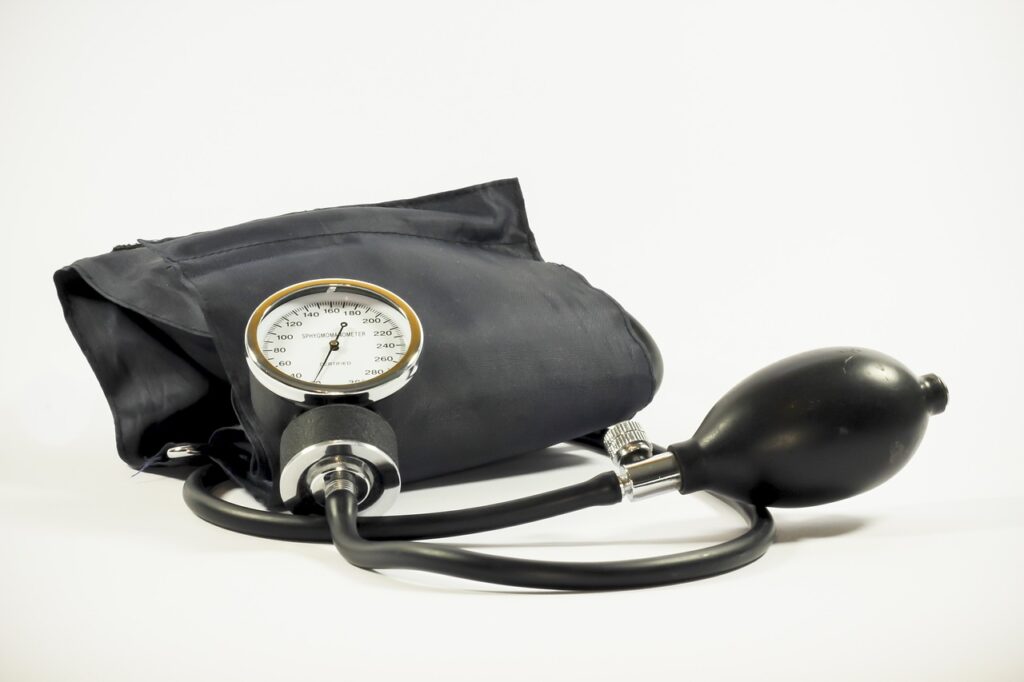
No. Systemic hypertension (ordinary high blood pressure) affects arteries throughout the body and is measured with an arm cuff. Pulmonary hypertension specifically affects the arteries in the lungs and is confirmed by right heart catheterization. The two have different causes, symptoms, and treatments, though they can coexist — and long-standing systemic hypertension can indirectly contribute to pulmonary hypertension through left heart disease.
Can pulmonary hypertension be cured?
CTEPH (Group 4) can potentially be cured with pulmonary thromboendarterectomy surgery. For most other types there is no cure, but treatment can significantly improve symptoms, functional capacity, and survival. Some forms — such as PH driven by treatable sleep apnea or valve disease — may improve substantially when the underlying condition is corrected.
Why does it take so long to diagnose pulmonary hypertension?
The early symptoms — mainly shortness of breath and fatigue — are nonspecific and overlap with common conditions like asthma, heart failure, and being out of shape. Primary care providers may not consider PH early. The need for right heart catheterization to confirm the diagnosis adds another step. Greater awareness among patients and clinicians is the main way to shorten these delays, so it is reasonable to ask directly about PH if unexplained breathlessness is limiting you.
Can I fly with pulmonary hypertension?
Many PH patients can fly safely with proper preparation. Aircraft cabins are pressurized to the equivalent of several thousand feet of altitude, which reduces available oxygen. Your PH specialist may recommend supplemental oxygen during the flight even if you do not use it at sea level. Discuss altitude, flight duration, and available medical facilities at your destination before booking.
What medications should I avoid with pulmonary hypertension?
Certain medicines can worsen PH or interact with PH treatments. Decongestants containing pseudoephedrine or phenylephrine are generally avoided. Beta-blockers are usually not recommended in PAH unless specifically needed for another condition. NSAIDs can promote fluid retention. Always tell every healthcare provider about your PH diagnosis and current medicines, and check with your PH team before starting anything new, including over-the-counter products and supplements.
Should I stop exercising if it makes me breathless?
Not necessarily — supervised, appropriately dosed activity is beneficial in PH. But you should stop and rest before becoming severely breathless or faint, and you should seek urgent care if exertion causes fainting, chest pain, or bluish lips. The safest approach is a supervised rehabilitation program designed with your PH specialist rather than pushing through symptoms on your own.
Finding the Right Care Team
Pulmonary hypertension is complex and benefits greatly from management at a specialized PH center. These centers have multidisciplinary teams — pulmonologists, cardiologists, nurse specialists, and pharmacists — with focused expertise in PH. The Pulmonary Hypertension Association maintains a directory of accredited comprehensive care centers.
If you have unexplained shortness of breath that limits your activities, ask your doctor specifically about pulmonary hypertension. If you have been diagnosed, seek care at or consultation with a PH specialty center. Advocate for yourself — this is a condition where expertise matters, and the right treatment at the right time can add both years to your life and quality to those years.
This article is general education, not medical advice, and is not a substitute for care from a qualified clinician. Pulmonary hypertension requires diagnosis and lifelong, individualized treatment supervised by a specialist, and all medicines and doses must be prescriber-directed — never started, stopped, or changed on your own. Seek emergency care for fainting or near-fainting (especially with exertion), severe breathlessness, chest pain, a racing or irregular heartbeat, or bluish lips or fingertips.
Sources
- NHLBI (National Heart, Lung, and Blood Institute), Pulmonary Hypertension — nhlbi.nih.gov
- 2022 ESC/ERS Guidelines for the Diagnosis and Treatment of Pulmonary Hypertension — escardio.org
- American Thoracic Society (ATS), Pulmonary Hypertension Resources — thoracic.org
- MedlinePlus (U.S. National Library of Medicine), Pulmonary Hypertension — medlineplus.gov
- Pulmonary Hypertension Association (PHA), Accredited PH Care Centers — phassociation.org