
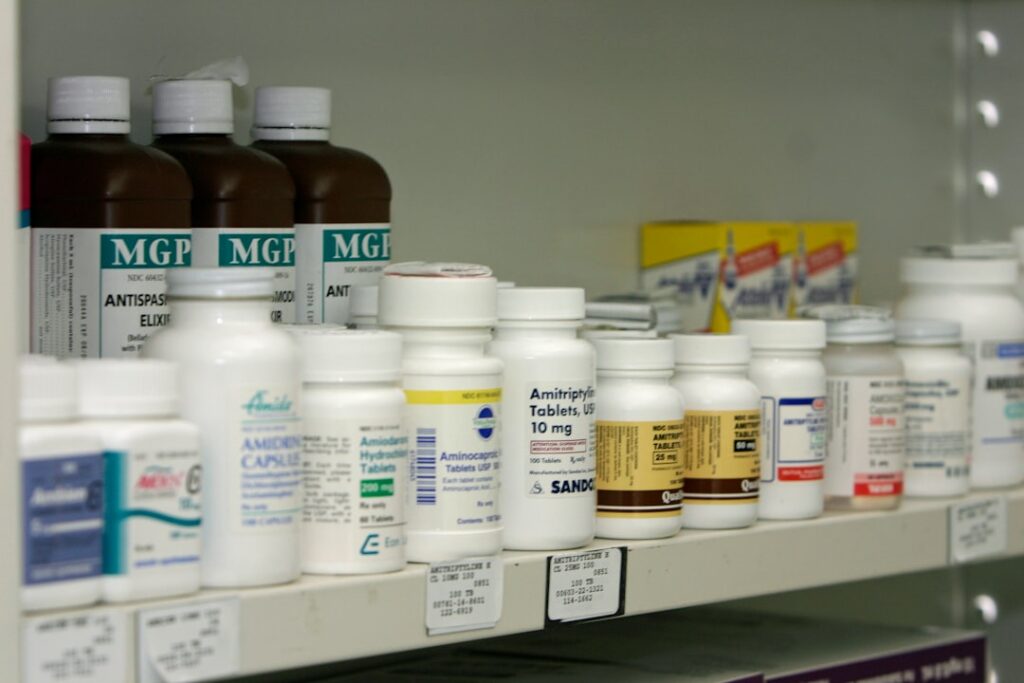
- A prescription cost estimator is any tool — insurer portal, coupon service, or government site — that shows roughly what a drug will cost before you reach the pharmacy counter.
- Your insurer's own estimator is usually the most accurate for covered drugs because it knows your plan's deductible balance, tier, and pharmacy network.
- Third-party tools like GoodRx (70,000+ pharmacies) and SingleCare (35,000+) show cash-with-coupon prices that can beat insurance on many generics — but you can't combine a coupon with your plan.
- Every estimate is exactly that: prices change by ZIP code, plan year, and mid-year formulary updates, so treat quotes as ballparks and confirm at the pharmacy.
- Federal "gag clause" rules let pharmacists tell you the cheaper option, so it's worth asking whether cash-with-coupon or your copay is lower.
- Medicare beneficiaries have new tools in 2026: the Part D out-of-pocket cap ($2,100), the Medicare Prescription Payment Plan to spread costs monthly, and negotiated prices on the first 10 drugs.
PASTE BELOW THIS LINE INTO THE WORDPRESS EDITOR
— (everything below is the HTML body) —
Sticker shock at the pharmacy counter is one of the most consistent complaints in U.S. healthcare, and it happens because prescription prices are among the least transparent numbers in medicine. A prescription cost estimator is any tool that lets you check what a drug will cost before you reach the counter, whether through your insurer, a third-party coupon service, or a government database. Knowing how to use these tools together can easily save hundreds of dollars a year on chronic medications, and the quality of available estimators has improved dramatically over the past several years. One caveat up front: every estimator gives an estimate, not a guarantee, so treat the number as a ballpark and confirm it at the pharmacy. For a broader look at how to manage prescription expenses, see our healthcare costs guide.
What a prescription cost estimator does
A good estimator answers one question: if I fill this exact drug, at this dose and quantity, at this pharmacy, how much will I actually pay today? The better tools account for your insurance plan’s deductible, tier placement, preferred-pharmacy status, quantity limits, and prior-authorization requirements. Third-party tools like GoodRx instead show you a cash price with a coupon, bypassing insurance entirely.
Because prescription prices vary by ZIP code, pharmacy contract, and plan year, an estimator that uses real-time data beats one that relies on averages or list prices. Even then, the quote is a snapshot: prices and coverage can shift between the moment you look and the moment you fill.
Insurer-provided estimators
Every major U.S. health insurer now publishes a member-facing cost estimator. Aetna uses the CVS Caremark tool inside its member portal. Anthem runs a CarelonRx-powered tool through Sydney Health. UnitedHealthcare uses OptumRx’s Price & Save feature. Cigna’s Express Scripts ties into myCigna. Blue Cross Blue Shield plans vary by state but generally offer similar formulary and pharmacy price lookups.
These insurer tools almost always give the most accurate quote for covered drugs because they know your plan’s current-year rules and your remaining deductible. The downside is that they show your plan’s copay only, not what you could pay with a cash coupon — which is sometimes lower.
Aetna’s estimator
Accessible through aetna.com or the Aetna Health app, Aetna’s tool integrates with Caremark formulary data and shows side-by-side retail versus mail-order pricing.
Anthem’s estimator
Anthem’s Price a Medication feature, accessed through Sydney Health, returns per-fill cost estimates and suggests lower-cost formulary alternatives when available.
Third-party estimator tools
Outside of insurance, a handful of tools dominate. GoodRx is the most comprehensive, covering more than 70,000 U.S. pharmacies and most prescription drugs. SingleCare offers similar coverage at over 35,000 pharmacies, sometimes with better prices on specific drugs. WellRx, Blink Health, and RxSaver compete in the same space. Each tool lets you enter a drug name, strength, and quantity, pick a ZIP code, and compare cash prices across local pharmacies with coupons ready to download. In 2026, both GoodRx and SingleCare frequently advertise deep discounts on common generics at big-box pharmacies, occasionally dropping certain drugs to just a few dollars.
These third-party tools do not require insurance. You cannot combine a coupon with your plan at the same time, but you can always compare the two numbers and pick the lower one. For a deeper look at the mechanics, see our explainer on how GoodRx works.
Government-backed and neutral price tools
Medicare’s Plan Finder on medicare.gov lets Part D beneficiaries compare monthly prescription costs across different Part D and Medicare Advantage plans using current CMS-approved formulary and pricing data. It is free and unaffiliated with any pharmacy benefit manager or insurer. Several independent reference databases also publish wholesale acquisition cost and average sales price data pulled from federal sources; these are useful as neutral benchmarks, though they reflect list-type prices rather than what you will pay at the register, so use them for context rather than a final number.
What’s new for Medicare in 2026
If you have Medicare, three changes make estimating — and capping — drug costs easier than in past years. First, the Part D annual out-of-pocket cap is $2,100 in 2026 (up from the $2,000 cap introduced in 2025); once your covered out-of-pocket spending hits that ceiling, your plan pays 100 percent for the rest of the year. The standard Part D deductible is $615 in 2026. Second, the Medicare Prescription Payment Plan, required under the Inflation Reduction Act, lets any Part D enrollee spread out-of-pocket drug costs into interest-free monthly installments instead of paying a large bill all at once at the pharmacy — it does not lower your total, but it smooths the timing. Third, Medicare’s Drug Price Negotiation Program produced its first negotiated prices on 10 widely used drugs, which take effect in 2026 and cut out-of-pocket costs on those medications for many beneficiaries. When you run Plan Finder, these features are baked into the estimates.
How to use multiple estimators together
The smartest approach combines insurer and third-party tools. Start with your insurance estimator to see your copay and deductible impact. Then check GoodRx and SingleCare for the same drug at the same pharmacy. If the cash coupon is lower, ask the pharmacist to run it as cash pay. If your copay is lower, run insurance. Federal “gag clause” rules — from the Know the Lowest Price Act and the Patient Right to Know Drug Prices Act of 2018 — require pharmacists to tell you the cheaper option when asked.
This ritual takes about two minutes and often reveals savings of $20 to $100 per fill on common generics. On specialty drugs, insurance almost always wins, but it costs nothing to verify.
Limitations and gotchas
Estimators only reflect current data. Mid-year formulary changes, deductible-accumulator adjustments, and manufacturer rebates can make actual costs drift from quotes. Coupon cards cannot stack with insurance. Specialty drugs must fill through designated specialty pharmacies, which are not always included in retail estimator results. Prior-authorization delays can push actual fill dates beyond the quote window, and prices change in the meantime. In short, an estimate points you in the right direction; the pharmacy’s final ring-up is the number that counts, so confirm before you assume.
For tool-specific guides, see our articles on the Aetna prescription cost estimator and the Anthem prescription cost estimator.
Frequently asked questions
Are prescription cost estimators free?
Yes, almost all of them. Insurer tools come bundled with your health plan at no additional cost. GoodRx, SingleCare, and WellRx are free to use, though they may prompt you to create a free account to save coupons or compare pharmacies.
Why does GoodRx sometimes beat my insurance copay?
On generics, GoodRx negotiates cash prices that can be lower than insurer-negotiated copay floors. On brand and specialty drugs, insurance usually wins. The 2018 federal gag-clause ban lets pharmacists tell you which number is cheaper so you can choose.
Can I trust Medicare’s Plan Finder for accurate drug costs?
Generally yes. It pulls from current CMS-approved Part D formulary and pricing data and is reliable for covered drugs. Still, verify with your specific plan’s customer service for complex prior-authorization cases.
Do estimators work for brand-name drugs?
Yes, though savings are smaller than on generics. Third-party coupons typically reduce brand-drug prices by 10 to 20 percent. Insurance and manufacturer copay cards usually deliver much larger brand-drug savings for eligible patients.
The bottom line
A prescription cost estimator is free, fast, and underused. Most Americans skip this step and pay whatever the pharmacy rings up, when a two-minute lookup could have cut the bill by half. Use your insurer’s tool for covered drugs, cross-check generics against GoodRx and SingleCare, and consult Medicare’s Plan Finder for a neutral benchmark. Remember that each result is an estimate — make the comparison a habit before every new fill, confirm the price at the counter, and you will pay the lowest legitimate price your situation allows.
Prescription-price tools provide estimates, not guarantees. Actual costs vary by pharmacy, plan, ZIP code, and plan year, and can change without notice. This article is general information, not medical, insurance, or financial advice. Confirm the current price with the pharmacy and your plan, and talk to a pharmacist or clinician about your medications.
Sources
- GoodRx and SingleCare — pharmacy network size and cash-with-coupon pricing
- Medicare.gov / CMS — Plan Finder; Part D out-of-pocket cap and deductible; Medicare Prescription Payment Plan; Drug Price Negotiation Program
- Insurer and PBM member tools — Aetna/CVS Caremark, Anthem/CarelonRx (Sydney Health), UnitedHealthcare/OptumRx, Cigna/Express Scripts
- Know the Lowest Price Act & Patient Right to Know Drug Prices Act of 2018 — pharmacist “gag clause” ban
- AARP Public Policy Institute — 2026 Medicare prescription-drug cost changes