
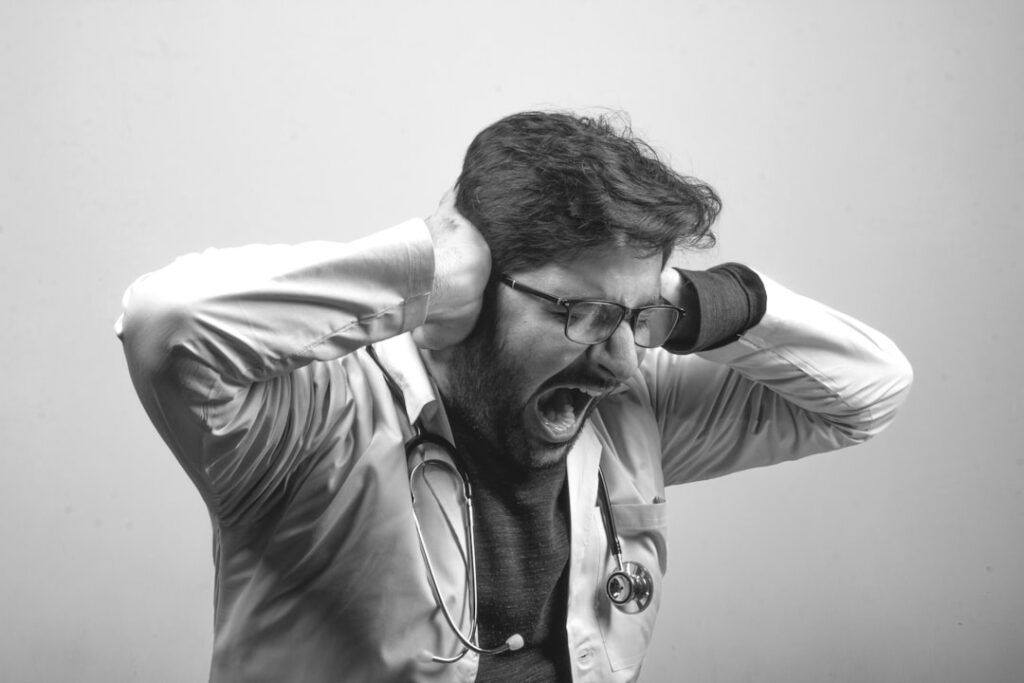
Panic disorder affects a meaningful share of U.S. adults — often cited at roughly 2 to 3 percent in a given year and around 4 to 5 percent over a lifetime (figures vary by survey). The condition is more than occasional anxiety — it involves recurrent, unexpected panic attacks plus persistent worry about future attacks, often producing significant avoidance of situations where attacks have occurred. Many patients first present to emergency rooms convinced they are having a heart attack, since the physical symptoms can be nearly indistinguishable.
This guide covers what panic disorder actually is, how it differs from generalized anxiety, and which treatments produce lasting results. It is general educational information, not medical advice or a substitute for evaluation by a clinician. For more on related conditions, see our medical conditions resource hub.
When to seek emergency care: Severe chest pain, shortness of breath, or pain radiating to the arm or jaw — particularly new symptoms, symptoms different from your usual panic pattern, or symptoms in anyone over 40 or with cardiac risk factors — should be evaluated urgently to rule out a heart attack. Do not assume it is “just” panic. If you think you might be having a heart attack, call 911. If you are having thoughts of suicide or are in emotional crisis, call or text 988 (the Suicide & Crisis Lifeline).
What Panic Disorder Is
A panic attack is a discrete episode of intense fear or discomfort that peaks within minutes, with several characteristic symptoms: pounding or racing heart, sweating, trembling, shortness of breath, a choking sensation, chest pain, nausea, dizziness, chills or hot flashes, numbness or tingling, a sense of unreality (derealization), fear of losing control, and fear of dying.
According to the National Institute of Mental Health (NIMH), a single panic attack is not the same as panic disorder. People with panic disorder have frequent and unexpected panic attacks along with at least one month of persistent worry about future attacks or a significant change in behavior related to the attacks — such as avoiding places where an attack happened. NIMH notes that panic disorder often begins in the late teens or early adulthood and that women are more likely than men to develop it.
Panic Attack vs Panic Disorder
Panic attacks can occur in many contexts: as part of other anxiety disorders, during depressive episodes, in PTSD, with substance intoxication or withdrawal, and in some medical conditions. Panic disorder specifically refers to the condition where unexpected attacks recur and worry about them dominates daily life.
Roughly one-third of people with panic disorder develop agoraphobia — fear of situations where escape might be difficult or help unavailable, often leading to avoidance of crowds, public transportation, open spaces, or being alone outside the home. Severe agoraphobia can leave people effectively housebound.
Panic Attack vs Heart Attack: Why Evaluation Matters
This is the single most important safety point in this article. The physical symptoms of a panic attack — chest pain or tightness, a racing heart, shortness of breath, sweating, nausea, and a sense of doom — overlap heavily with the symptoms of a heart attack. There is no reliable way to tell them apart at home, and it is a serious mistake to assume that frightening chest symptoms are “just panic.”
Because of that overlap, a first-time panic-like episode should be evaluated in person, and any new, severe, or changed chest pain warrants medical attention — especially in adults over 40, anyone with heart disease risk factors (high blood pressure, diabetes, smoking, family history), or when symptoms include arm/jaw pain, fainting, or breathlessness at rest. Warning signs of a possible heart attack are a reason to call 911, not to wait it out. Even people with an established panic disorder diagnosis should get new or different symptoms checked rather than dismissing them. Ruling out a cardiac cause is not overreacting — it is the standard, sensible response.
Common Symptoms
Physical symptoms dominate the clinical picture. Heart palpitations and a racing pulse, shortness of breath, chest tightness or pain, dizziness, nausea, sweating, and trembling are common. Many patients describe feeling like they are dying, going crazy, or losing control. Attacks typically peak within about 10 minutes and resolve within 20 to 30 minutes, though residual fatigue and apprehension can last hours.
Between attacks, patients often experience anticipatory anxiety — worry about when the next attack will occur. This anticipatory anxiety drives avoidance behavior and can become as disabling as the attacks themselves.
Common Triggers and Patterns
Despite the “unexpected” quality of attacks, certain triggers are common: caffeine, sleep deprivation, alcohol withdrawal, cannabis, stimulant medications, decongestants, hyperventilation, and intense exercise. Specific situations like enclosed spaces, crowded places, or driving over bridges can become triggers after attacks have occurred there.
Per the Mayo Clinic, the average age of onset is the early 20s, with women affected roughly twice as often as men. Genetics contribute substantially — having a first-degree relative with panic disorder markedly raises risk.
Medical Mimics
Several medical conditions produce panic-like symptoms and must be ruled out: hyperthyroidism, cardiac arrhythmias (particularly supraventricular tachycardia), pheochromocytoma (rare but serious), low blood sugar, vestibular (inner-ear) disorders, asthma, and pulmonary embolism. A reasonable initial workup, decided by your clinician, may include thyroid studies, an EKG, a basic metabolic panel, and sometimes a Holter monitor or echocardiogram.
Substance contributors deserve specific attention. Excessive caffeine (more than roughly 400 mg per day), alcohol use with rebound anxiety, cannabis, decongestants like pseudoephedrine, and prescribed stimulants can all produce or worsen panic. Withdrawal from benzodiazepines or alcohol commonly triggers panic attacks and can be medically dangerous — stopping these should be done under medical supervision, not abruptly on your own.
Cognitive Behavioral Therapy
NIMH describes CBT as the gold-standard psychotherapy for panic disorder, with strong response rates and effects that endure long after treatment ends. The therapy targets the cognitive misinterpretation of bodily sensations (thinking a racing heart means a heart attack) and the avoidance that maintains the disorder.
Interoceptive exposure — deliberately and safely inducing physical sensations like rapid breathing, dizziness, or a rapid heartbeat under a therapist’s guidance — is a key CBT component. By repeatedly experiencing these sensations without catastrophic consequence, the brain learns they are uncomfortable but not dangerous. Combined with psychoeducation and gradual real-world exposure to avoided situations, CBT produces durable improvement. A typical course runs about 10 to 15 sessions, though this varies by person.
Medication Options
Medication decisions belong to a prescribing clinician, who weighs your history, other conditions, and other medications. The information below is general and not a recommendation of any specific drug or dose — there are no self-start or copy-able dosing instructions here on purpose.
Per NIMH and the Anxiety & Depression Association of America (ADAA), SSRIs and SNRIs are the first-line medications for panic disorder. Commonly used agents include sertraline, fluoxetine, paroxetine, escitalopram, and venlafaxine. These take several weeks to reach full effect, and a prescriber usually starts low and increases slowly because they can transiently increase anxiety in the first week or two. Do not start, stop, or change a dose without your prescriber.
Benzodiazepines (such as alprazolam, clonazepam, and lorazepam) can rapidly reduce panic symptoms and are sometimes used briefly while an SSRI or SNRI takes effect. However, longer-term use carries risks of tolerance, dependence, and rebound anxiety on discontinuation, and can complicate CBT. Current best practice generally reserves benzodiazepines for short-term or situational use rather than maintenance, and any taper should be planned and supervised by the prescriber. Beta-blockers are sometimes used to blunt physical symptoms such as a racing heart in specific situations.
Combination Treatment
For moderate to severe panic disorder, combining CBT with an SSRI or SNRI can produce somewhat better acute outcomes than either alone, though the difference tends to narrow over time. Many patients eventually taper off medication, under medical guidance, while maintaining their CBT skills. For milder cases, CBT alone is often sufficient and avoids medication side effects. The right approach is individualized — discuss it with a clinician.
Lifestyle Changes That Help
Reducing or eliminating caffeine often produces meaningful improvement, particularly in people consuming more than about 400 mg per day. Limiting alcohol is also important — alcohol provides short-term relief but worsens panic on rebound. Regular aerobic exercise has measurable anxiety-reducing effects, and structured programs (for example, around 150 minutes per week) show benefit in many studies.
Sleep matters too. Sleep deprivation amplifies anxiety substantially, and many people with panic disorder sleep poorly. Treating sleep apnea, addressing insomnia, and keeping consistent sleep-wake times all support recovery. Mindfulness and slow-breathing techniques can help during acute attacks but should complement, not replace, evidence-based treatment.
When to See a Doctor
Recurrent panic attacks with persistent worry or avoidance warrant evaluation. Primary care can initiate treatment, rule out medical mimics, and refer to therapy. As emphasized above, a first-time panic attack should be evaluated in person — particularly in patients over 40 or with cardiac risk factors — because cardiac and other medical conditions can produce identical symptoms. If you ever have thoughts of harming yourself, call or text 988 for the Suicide & Crisis Lifeline.
Costs for panic disorder treatment are generally manageable. Generic SSRIs often cost only a few dollars to around $15 per month, and CBT commonly runs $80 to $250 per session out-of-pocket, though behavioral health parity laws require most plans to cover mental health care comparably to physical health care. Telehealth platforms have expanded access to anxiety-specialized therapists and prescribers.
Frequently Asked Questions
Can a panic attack cause a heart attack?
Panic attacks themselves do not cause heart attacks in otherwise healthy people, and the panic itself does not damage the heart. But because the symptoms overlap so closely, any new chest pain — especially in older adults or those with cardiac risk factors — should be evaluated medically before assuming it is panic. When in doubt, treat it as a possible cardiac emergency and call 911.
How long does a panic attack last?
Most panic attacks peak within about 10 minutes and resolve within 20 to 30 minutes. Some people experience lingering fatigue, jitteriness, or anticipatory anxiety for hours afterward. Attacks lasting more than an hour are unusual and may point to a different process worth discussing with a clinician.
Does panic disorder go away on its own?
Some cases ease, particularly when an obvious trigger is removed, but many follow a chronic, waxing-and-waning course without treatment. With CBT and/or medication, most people achieve substantial improvement, and full remission is achievable.
Are benzodiazepines safe for panic disorder?
Short-term, situational use under medical supervision is generally considered acceptable. Regular long-term use carries risks including tolerance, dependence, cognitive effects, and rebound anxiety on discontinuation. Most current guidance favors SSRIs/SNRIs and CBT over ongoing benzodiazepine therapy. Any change should be directed by your prescriber.
The short version: Panic disorder means recurrent, unexpected panic attacks plus ongoing worry about them. Because panic symptoms closely mimic a heart attack, a first-time attack or any new or different chest pain should be medically evaluated — call 911 for possible heart-attack signs rather than assuming it is “just panic.” The most effective treatments are CBT (especially interoceptive exposure) and, when a prescriber recommends them, SSRIs or SNRIs; benzodiazepines are generally short-term only because of dependence risk. Cutting caffeine and alcohol, improving sleep, and exercising help alongside treatment.
This article is general information, not medical advice. If you are in crisis or having thoughts of suicide, call or text 988. For a possible heart attack, call 911. Talk with a clinician about diagnosis and treatment.
The Bottom Line
Panic disorder is highly treatable, and CBT — particularly with interoceptive exposure — produces lasting improvement for most patients. Medical mimics are worth ruling out, especially for a first attack, and frightening chest symptoms should never simply be assumed to be panic. Reducing caffeine and alcohol often helps before formal treatment even begins. If panic attacks are recurring or you find yourself avoiding situations to prevent them, an evaluation with a primary care physician or an anxiety-trained therapist can change the trajectory. Help is available: call or text 988 in a crisis, and 911 for a possible heart attack.
Sources
- National Institute of Mental Health (NIMH) — Panic Disorder: When Fear Overwhelms
- NIH MedlinePlus — Panic Disorder
- Anxiety & Depression Association of America (ADAA) — Panic Disorder and Agoraphobia
- Mayo Clinic — Panic attacks and panic disorder
- 988 Suicide & Crisis Lifeline (call or text 988)
Prevalence figures and treatment guidance can change; verify current recommendations with NIMH and your clinician.