
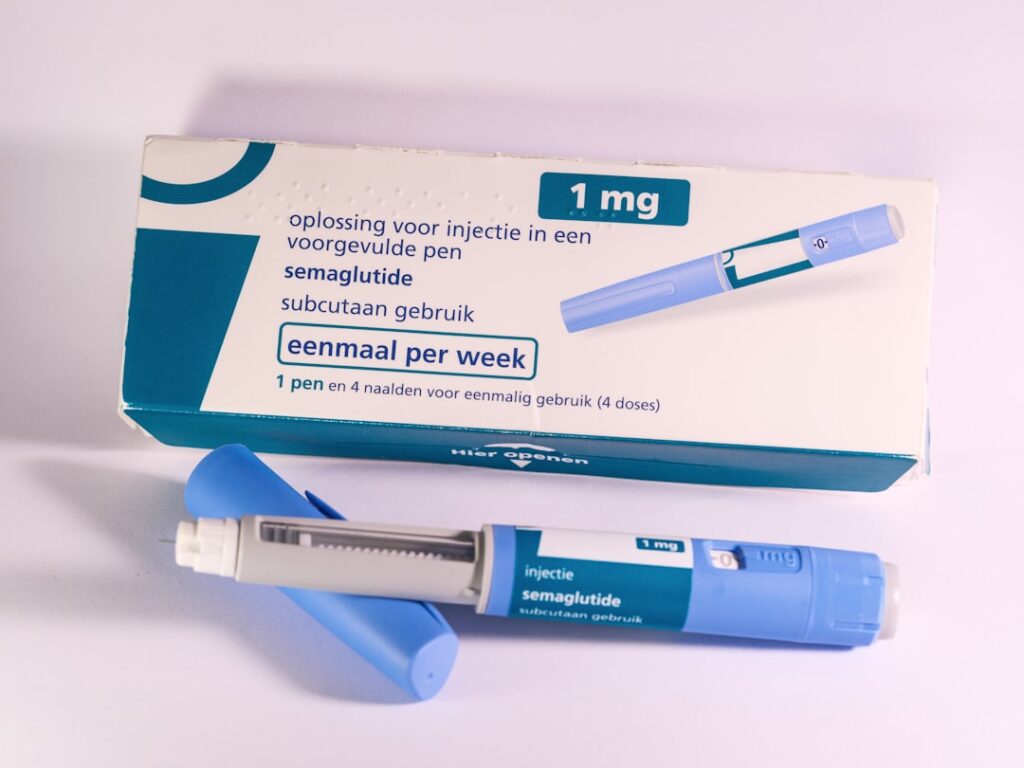
The term Ozempic penis emerged in social media and tabloid coverage to describe a phenomenon some male patients notice after significant weight loss on GLP-1 drugs: the appearance of a longer or more visible penis. This is not a pharmacological effect of semaglutide and not a listed side effect in the drug’s prescribing information. It is an anatomical consequence of losing abdominal and suprapubic fat, which reveals penile length that was previously hidden beneath the fat pad. Understanding the actual mechanism — versus the sensationalized framing — helps patients set realistic expectations and avoid confusion. For a broader look at GLP-1 weight-loss results, see our GLP-1 weight loss guide.
When to seek medical care: The phenomenon described as “Ozempic penis” is anatomical and not dangerous in itself. But any new genital symptoms — persistent pain, swelling, redness or discoloration, sores, or urinary problems — warrant prompt evaluation by a healthcare provider. Semaglutide and tirzepatide are prescription-only medications, and this article does not provide dosing; work with your prescriber for any GLP-1 treatment.
What the Term Actually Describes
Urologists and plastic surgeons have long recognized what is clinically called a “buried penis” or “hidden penis” — a condition in which excess abdominal and suprapubic fat covers a portion of the penile shaft, making the penis appear smaller than it actually is. When a patient loses significant weight, especially from the lower abdomen and suprapubic region, previously hidden penile length becomes visible again. The result: the penis looks longer, even though no actual tissue growth has occurred.
“Ozempic penis” is simply the colloquial term for this visible-length increase that occurs as GLP-1 drugs produce substantial weight loss. Because medications such as Wegovy and Zepbound can reduce body weight meaningfully — often in the mid-teens to low-20s percent range of body weight in clinical trials, depending on the drug and dose — the abdominal fat loss can be dramatic enough to unveil penile length that a patient may not have seen in years.
The Anatomy Behind the Phenomenon
The penis attaches to the pelvis at the pubic symphysis by suspensory ligaments and extends forward through the suprapubic fat pad. The fat pad lies directly above and around the base of the penile shaft. In men with higher body fat, particularly around the abdomen and groin, the fat pad can effectively cover the first several centimeters of penile length, leaving only the distal portion visible externally.
Clinicians describe a rough relationship in which each additional band of excess lower-abdominal fat can conceal roughly a centimeter of penile length, so losing that weight can reveal length that was there all along. The peer-reviewed urology literature on buried penis documents this relationship, and surgical treatment of buried penis in men with obesity is a recognized urologic procedure. The key point is that the length is unveiled, not created.
Is It a Real Effect of Ozempic?
Yes and no. It is real in the sense that patients losing weight on semaglutide or tirzepatide do experience this anatomical change. It is not real in the sense of being a direct pharmacological effect of the drug — it would happen with any weight-loss intervention, including bariatric surgery, sustained caloric restriction, or any other approach that produces similar weight reductions.
Calling it “Ozempic penis” creates the misleading impression that semaglutide is doing something specific to genital tissue. It is not. The drug produces weight loss, weight loss reduces the suprapubic fat pad, and the fat pad reduction reveals hidden penile length. The same phenomenon has been described for decades in bariatric-surgery patients; it simply didn’t have a catchy name until GLP-1 drugs became culturally prominent.
What Changes and What Doesn’t
What changes with weight loss: the visible length of the penis when flaccid, the ease of accessing the base for hygiene, sexual function in some patients (through improved mobility and reduced mechanical obstruction), and self-confidence around body image. What does not change: actual erect penile length, which is generally unaffected by weight loss because an erect penis extends out of the suprapubic fat pad regardless of body weight.
Some patients report improved sexual function following significant weight loss, though this is usually attributable to multiple factors: better cardiovascular health, improved blood flow, hormonal shifts, and the psychological effects of weight loss rather than any direct anatomical change to the penis itself. For broader weight-loss context, see our Zepbound weight loss article.
Weight Loss and Testosterone
A related but distinct phenomenon is the improvement in testosterone levels that some men experience with significant weight loss. Obesity is associated with lower total and free testosterone through several mechanisms, including increased conversion (aromatization) of testosterone to estradiol in adipose tissue and suppression of the hypothalamic-pituitary-gonadal axis. Losing weight — whether through GLP-1 drugs, bariatric surgery, or lifestyle change — is often associated with rising testosterone levels.
Higher testosterone may contribute to improved libido, energy, and sexual function. These effects are sometimes conflated with “Ozempic penis” in popular discussion but are a separate hormonal phenomenon. Importantly, testosterone improvement is not caused by semaglutide specifically; it is associated with the weight loss the drug helps produce. Testosterone therapy is its own clinical decision and should never be self-directed.
Other Genital and Sexual Changes in GLP-1 Users
Large clinical-trial and real-world data have not identified specific genital side effects from semaglutide or tirzepatide beyond those attributable to weight loss itself. Some men on GLP-1 drugs report improved erectile function, consistent with weight loss’s known positive impact on vascular health. Some people experience changes in libido, particularly during the early weeks of therapy; if this persists or is bothersome, it is worth discussing with the prescriber. The most commonly reported GLP-1 side effects overall are gastrointestinal — nausea, diarrhea, constipation, and reflux — and are not genital.
Persistent low libido, erectile dysfunction, or symptoms suggesting testosterone deficiency should be evaluated by a clinician, such as a primary care physician, endocrinologist, or urologist, regardless of GLP-1 use. The drugs themselves are not known to cause gonadal dysfunction, but a proper evaluation can identify other, treatable causes.
How to Talk to a Clinician About It
If body-composition changes in the genital area are on your mind, they are a reasonable thing to raise with your prescriber — clinicians who manage weight loss hear these questions routinely. Useful framing: describe what you are noticing (for example, changes in flaccid appearance, hygiene, or function), ask what is expected with continued weight loss, and ask what is worth monitoring. Do not adjust or stop a GLP-1 medication on your own to influence appearance; dosing and continuation are clinical decisions. And be wary of online products or “enhancement” schemes that piggyback on the “Ozempic penis” trend — the underlying change is simply fat loss, not something a supplement or device delivers.
What Patients Actually Notice
Men who have lost a substantial amount of weight on GLP-1 therapy frequently describe seeing penile length they had not seen in years. This can be psychologically significant — a source of renewed confidence — but it is important to understand it as an unveiling rather than a growth. Measuring from the pubic bone (rather than from the skin surface of the suprapubic fat pad) has always been the way urologists measure actual penile length, and that measurement typically does not change with weight loss.
For men considering GLP-1 therapy who wonder whether the effect is real: yes, significant weight loss can meaningfully change how the penis appears and functions in daily life. But it should not be a primary motivator for starting treatment, and it is not unique to any specific drug in the class. The actual clinical benefits — weight reduction, improved cardiovascular risk, better glucose control, and better quality of life — are the reasons to consider therapy, in partnership with a clinician.
Frequently Asked Questions
Does Ozempic actually make your penis bigger?
No. Semaglutide does not cause any growth of penile tissue. What patients observe is the unveiling of penile length previously hidden by suprapubic fat as they lose weight. The effect is anatomical, not pharmacological.
How much weight do you have to lose to see this effect?
It varies by individual and by where the body loses fat first. The change tends to become noticeable once weight loss meaningfully reduces the lower-abdominal and suprapubic fat pad. There is no precise threshold, and results differ from person to person.
Is this a real medical phenomenon?
Yes, but it is a long-recognized consequence of weight loss known in urology as reduction of a buried or hidden penis. It is not unique to Ozempic or semaglutide. Bariatric-surgery patients, people losing weight through diet and exercise, and patients on other weight-loss drugs all experience the same anatomical change.
Can Ozempic cause erectile dysfunction?
Semaglutide is not known to cause erectile dysfunction. In fact, significant weight loss and improved cardiovascular health typically improve erectile function. If you experience ED while taking a GLP-1 drug, discuss it with your prescriber to evaluate other potential causes.
Does this happen with all GLP-1 drugs or just Ozempic?
It happens with any weight-loss intervention that produces substantial weight loss, including GLP-1 class drugs (such as Wegovy, Ozempic, Zepbound, and Mounjaro), bariatric surgery, and non-pharmacological weight loss. The name “Ozempic penis” stuck because of social-media timing, not because it is a unique Ozempic effect.
TL;DR: “Ozempic Penis” Explained
- What it is: the penis looking longer after major weight loss on a GLP-1 drug.
- Why it happens: losing suprapubic fat unveils length the fat pad hid — no tissue grows.
- Not drug-specific: any large weight loss (diet, bariatric surgery, other drugs) does the same thing.
- What actually changes: visible flaccid length, hygiene, and sometimes function and confidence; erect length is generally unchanged.
- Safety: GLP-1s are prescription-only and clinician-monitored; report any new genital pain, swelling, or urinary symptoms to a provider.
The Bottom Line on “Ozempic Penis”
The term describes a real anatomical phenomenon — the visible unveiling of penile length hidden by the suprapubic fat pad as patients lose significant weight on GLP-1 therapy. It is not a drug-specific effect, not a sign of actual tissue growth, and not unique to semaglutide. Weight loss of any kind can produce the same change, and the underlying urologic concept of buried penis has been recognized for decades. If you’re a man starting GLP-1 therapy, know that this change may happen as you lose weight, but let the real clinical benefits — weight reduction, cardiovascular improvements, and overall health gains — be the reasons you pursue treatment. Any new genital symptoms beyond anatomical changes warrant evaluation by your healthcare provider.
Sources
- U.S. Food & Drug Administration — GLP-1 drug safety information
- Peer-reviewed urology literature on buried/hidden penis (PubMed Central)
- MedlinePlus — obesity, testosterone, and related endocrine topics
- Prescribing information for FDA-approved semaglutide (Wegovy/Ozempic) and tirzepatide (Zepbound/Mounjaro) products.