
Whether you want to reduce acne scars, fine lines, or uneven skin texture, the cost of microneedling is an important factor in your decision. As of 2026, a single standard microneedling session typically costs somewhere in the range of $200 to $700, and most patients need three to six sessions for optimal results. Prices vary widely, so treat any figure here as a ballpark and confirm your own quote with a provider.
Microneedling, also known as collagen induction therapy, has become one of the most popular minimally invasive cosmetic procedures in the United States. Understanding the full cost of microneedling means looking beyond the per-session price to consider the total treatment plan, provider qualifications, add-on treatments, and your region — all of which can move the number significantly.
What Is Microneedling?
Microneedling uses a device fitted with tiny, sterile needles to create controlled micro-injuries in the skin’s surface. These micro-injuries stimulate the body’s natural wound-healing process, boosting collagen and elastin production. According to the American Academy of Dermatology, microneedling can improve the appearance of acne scars, wrinkles, stretch marks, and large pores — though results are gradual and vary from person to person.
The procedure is performed by dermatologists, plastic surgeons, licensed estheticians, and medical-spa professionals. Sessions typically last 30 to 60 minutes, and most patients experience mild redness for one to three days afterward. If you have a specific skin condition or a history of scarring or pigmentation issues, a board-certified dermatologist is the right person to advise whether microneedling is appropriate for you.
Average Microneedling Cost Per Session (2026)
The cost of microneedling varies based on several factors, but here are the typical 2026 price ranges you can expect. These are estimates that vary by market:
Basic (standard) microneedling: roughly $200 to $700 per session, with a national average often cited around $300 to $450. This covers standard treatment using a professional-grade automated pen. Microneedling with PRP (platelet-rich plasma): commonly $500 to $1,200 or more per session. Often nicknamed a “vampire facial,” this adds your own concentrated blood platelets. Microneedling with radiofrequency (RF): generally $800 to $1,500 per session, with branded devices such as Morpheus8 often running $800 to $2,500 per session for the face (and more for body areas). RF combines microneedling with radiofrequency energy for deeper skin tightening. At-home microneedling devices: roughly $20 to $200 for the device, though results are far more modest than professional treatments (see the caution below).
Most providers recommend a series of three to six sessions spaced about four to six weeks apart. That means the total cost of a full treatment plan commonly ranges from about $600 to $4,800 or more, and RF-device series can run higher still. For context on how this fits into broader medical expenses, see our healthcare costs guide.
Factors That Affect the Price
Geographic location plays a significant role. Treatments in major metropolitan areas such as New York, Los Angeles, or Miami tend to cost noticeably more than in smaller cities and rural areas. Provider credentials also matter: a board-certified dermatologist or plastic surgeon typically charges more than a licensed esthetician, but you are also paying for a higher level of medical training and safety oversight — which can matter if a complication arises.
The treatment area affects cost as well. A full-face treatment is the standard, but adding the neck, chest, or hands increases the total. Some clinics charge per area, while others offer package deals. The depth and intensity of treatment matters too: deeper needle penetration and more aggressive settings require more skill, more numbing cream, and more recovery time, all of which can raise the price. Because so many variables are in play, the only reliable number is a written quote from your chosen provider.
Does Insurance or an FSA/HSA Cover Microneedling?
In the vast majority of cases, insurance does not cover microneedling. Most insurers classify it as a cosmetic procedure, so you are generally responsible for the full cost out of pocket. There are rare exceptions when microneedling is performed to treat certain medical conditions — for example, functionally impairing scarring from burns or trauma — but even then, coverage is not guaranteed and typically requires documentation.
The same logic applies to tax-advantaged accounts. Cosmetic microneedling is generally not eligible for reimbursement through a health savings account (HSA) or flexible spending account (FSA), because purely cosmetic treatments do not qualify under IRS rules. The exception is when a treatment is medically necessary for a diagnosed condition and your provider supplies a Letter of Medical Necessity — in that narrower situation, some plans may allow FSA/HSA funds. Rules and plan administrators vary, so always confirm eligibility with your specific plan before assuming you can use pre-tax dollars.
At-Home vs. Professional Microneedling
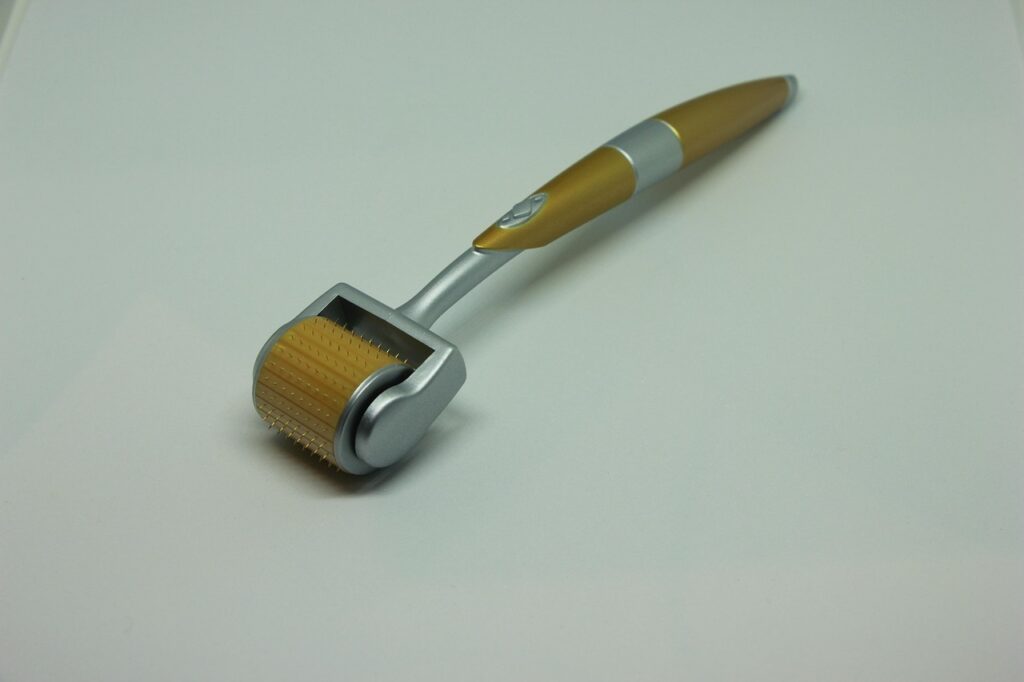
At-home dermarollers and pens are far cheaper, but they are not equivalent to a professional treatment — and used incorrectly they carry real risks. Home devices use much shorter needles (often around 0.25 mm) compared with the longer depths used in professional settings, so they cannot produce the same collagen remodeling. A published review indexed by the NIH notes that meaningful collagen induction generally requires deeper needle penetration than home rollers provide.
Just as important, at-home rolling can cause infection, irritation, hyperpigmentation, or scarring if the device is not sterile, is used too aggressively, or is used on active acne, eczema, or infections. If you are considering any at-home device, ask a licensed clinician first, follow the manufacturer’s hygiene instructions exactly, and route any medical or safety questions to a board-certified dermatologist rather than social-media advice.
How to Save on Microneedling
Package deals: Most clinics offer discounts when you buy a series of three to six sessions upfront — savings often in the 10% to 25% range compared with paying per session. Ask about bundled pricing before committing.
Seasonal promotions: Medical spas frequently run specials during slower months (such as January and February) and around holidays. Joining a clinic’s email list or following them on social media can surface limited-time offers. Membership programs: Some med spas offer monthly plans that include discounted treatments, complimentary skincare products, and priority booking, which can add value if you plan on regular sessions.
Training clinics: Dermatology residency programs and esthetician training schools sometimes offer microneedling at reduced rates, performed by supervised trainees or residents. Skip the add-ons you do not need: PRP and radiofrequency add significant cost. For mild concerns like fine lines or minor texture issues, standard microneedling may deliver the results you want at a fraction of the price — a point worth discussing candidly with your provider so your plan matches your goals and budget.
Microneedling vs. Other Skin Treatments: Cost Comparison
When evaluating the cost of microneedling, it helps to compare it with similar skin-rejuvenation treatments. Chemical peels commonly range from about $150 to $600 per session but may require more sessions for comparable results. Laser resurfacing often costs $1,000 to $3,000 or more per session but can deliver faster results with fewer total treatments. As with microneedling, these are broad estimates that vary by provider and region.
Microneedling sits in a middle ground. It is usually more affordable than laser resurfacing, works across a wider range of skin tones (since it does not rely on light energy), and produces gradual results over a treatment series. For patients seeking improvement without the downtime or expense of laser resurfacing, it remains a popular option — but a clinician can help you weigh which approach best fits your skin type and concerns.
Setting Realistic Expectations
Microneedling is not a one-and-done miracle. Results build gradually over a series of sessions and over the weeks to months it takes new collagen to form, and outcomes vary based on your skin, the concern being treated, the device, and the provider’s skill. It tends to work best for mild-to-moderate texture issues and certain acne scars, and it is not a substitute for treatments aimed at deeper wrinkles or significant skin laxity. If you have active acne, rosacea flares, eczema, a skin infection, keloid-prone skin, or are pregnant, tell your provider — microneedling may not be appropriate. A board-certified dermatologist can give you a realistic, individualized sense of what to expect before you pay for a package.
Frequently Asked Questions
How many microneedling sessions do I need?
Most providers recommend three to six sessions spaced four to six weeks apart for optimal results, though the exact number depends on your concern. Mild texture issues may improve in about three sessions, while deeper acne scars often require five or six. Maintenance sessions every six to twelve months can help sustain results. Your provider will tailor this to you.
Is at-home microneedling worth the money?
At-home rollers and pens cost roughly $20 to $200 but use much shorter needles than professional devices. They may help with product absorption and a mild glow, but they cannot achieve the collagen remodeling of professional treatments — and, used improperly, they can cause infection or scarring. For anything beyond a superficial device, professional treatment is safer and more effective.
Does microneedling hurt?
Most providers apply a topical numbing cream 20 to 30 minutes before the procedure. Patients typically describe the sensation as a mild prickling or vibrating feeling. Discomfort varies by treatment area and needle depth, but most people tolerate it well.
Are there any risks or side effects?
Common side effects include redness, mild swelling, and skin sensitivity for one to three days. Serious complications are uncommon when the procedure is performed by a qualified professional, but they can include infection, scarring, or hyperpigmentation if aftercare is not followed. Choose a licensed, experienced provider, and take any concerning reaction to a clinician promptly.
Can I use my FSA or HSA to pay for it?
Usually not — purely cosmetic microneedling is generally not FSA/HSA-eligible. The narrow exception is treatment that is medically necessary for a diagnosed condition and documented with a Letter of Medical Necessity. Always confirm with your plan administrator first.
Final Thoughts on Microneedling Costs
The cost of microneedling is reasonable compared with many cosmetic procedures, especially when you consider the cumulative benefits of a full treatment series — but expect prices to vary, and expect to pay out of pocket, since it is rarely covered by insurance or eligible for FSA/HSA funds. Package deals, seasonal promotions, and smart provider selection can keep costs manageable. Before committing, schedule a consultation with a qualified provider — ideally a board-certified dermatologist for medical or safety questions — to get a personalized quote, realistic expectations, and a treatment plan tailored to your skin goals and budget.
TL;DR & medical disclaimer: In 2026, standard microneedling commonly runs about $200-$700 per session, with PRP and RF (like Morpheus8) costing more and most people needing a series of 3-6 sessions; prices vary widely, and cosmetic microneedling is generally not covered by insurance or eligible for FSA/HSA. This article is general information, not medical advice. It cannot tell you whether microneedling is safe or suitable for your skin — a board-certified dermatologist can. Individual results and risks vary; choose a licensed provider and follow their aftercare instructions.
Sources
- American Academy of Dermatology (AAD) — Microneedling: overview and what it can treat
- FSA Store / HSA Store / GoodRx — FSA and HSA eligibility guidance for cosmetic skin procedures
- CareCredit and 2026 cosmetic-pricing industry guides — microneedling, PRP, and RF (Morpheus8) per-session ranges
- NIH / PMC — review of microneedling and needle-depth requirements for collagen induction