
—————————————————————-
A mammogram is one of the most important screening tools for detecting breast cancer early, yet many women delay or skip this test because of concerns about mammogram cost. Without insurance, a screening mammogram in 2026 typically costs somewhere between $100 and $300, while a diagnostic mammogram can run $250 to $1,000 or more once additional views and imaging are added. These are broad estimates, and actual prices vary widely by facility, region, and the type of imaging used.
Understanding what a mammogram cost includes, and knowing your options for free or reduced-price screenings, can remove a major barrier to this potentially life-saving test. This guide explains what drives pricing, how insurance coverage works in 2026, what recent policy changes mean for follow-up imaging, and where to find affordable mammograms. Prices and coverage rules change, so always verify current numbers with the facility and your health plan before scheduling.
Screening vs. Diagnostic Mammogram Costs
There are two main types of mammograms, and they come with different price tags:
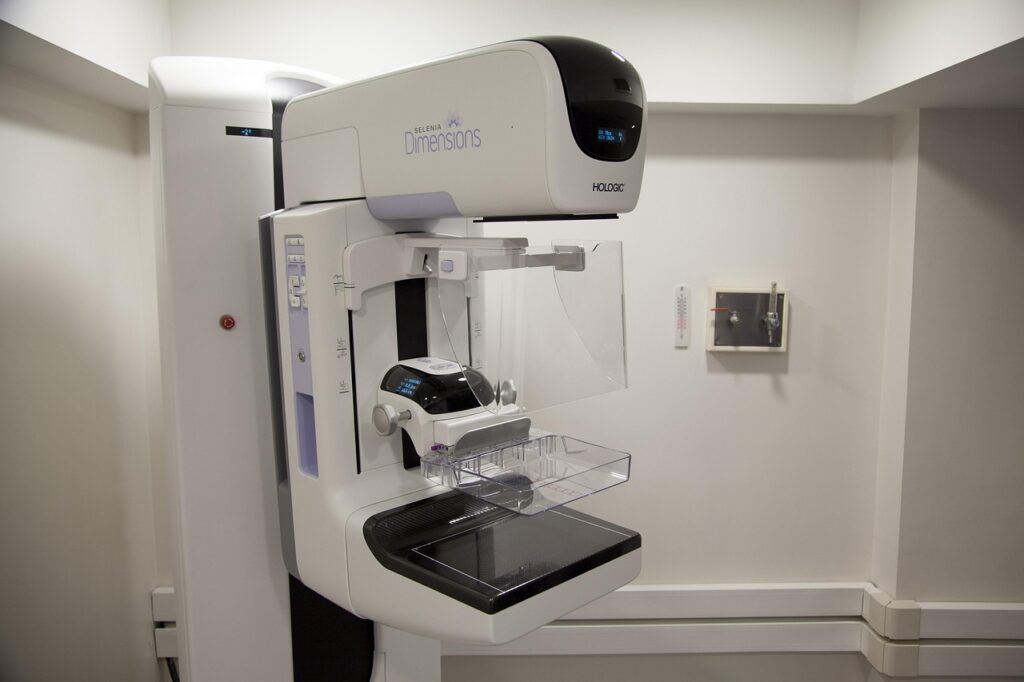
Screening mammogram: roughly $100 to $300 without insurance for a standard 2D exam. This is a routine test for women with no symptoms, typically performed annually or biennially depending on age and risk factors, and it includes standard images of each breast. 3D screening mammogram (tomosynthesis): roughly $200 to $400 without insurance, or about $50 to $150 more than a 2D exam at many centers. This newer technology takes multiple images at different angles for a more detailed view. The National Cancer Institute notes that 3D mammography may reduce the need for follow-up imaging and can detect more cancers, especially in women with dense breast tissue, though it may also expose patients to slightly more radiation than a standard 2D exam.
Diagnostic mammogram: commonly $250 to $600 without insurance, and sometimes $1,000 or more when several additional views or a second imaging test are needed. A diagnostic mammogram is ordered when a screening mammogram shows something that needs a closer look, when you have symptoms such as a lump, or when you have a personal history of breast cancer. Diagnostic mammograms involve more images and closer examination of specific areas. Breast ultrasound (often paired with a mammogram): roughly $200 to $500 without insurance. Ultrasound is frequently ordered alongside a diagnostic mammogram to further evaluate an abnormality, particularly in dense breasts.
If you are also researching cosmetic breast procedures, our guide on breast implants cost provides related pricing information.
Mammogram Cost With Insurance
Under the Affordable Care Act, screening mammograms are covered as preventive care with no cost-sharing in most private plans for women who meet the recommended screening guidelines, generally those age 40 and older. In practice, this means you should pay $0 out of pocket for a routine, in-network screening mammogram if you have a non-grandfathered plan, including most marketplace plans, employer-sponsored plans, and Medicare. Grandfathered plans and certain short-term policies are exceptions, so it is worth confirming your specific benefits.
Medicare Part B covers one screening mammogram every 12 months for women age 40 and over at no cost if your provider accepts Medicare assignment, and it also covers one baseline mammogram for women ages 35 to 39. Diagnostic mammograms under Medicare are subject to the Part B deductible and 20% coinsurance, so a diagnostic exam is not free even for beneficiaries.
Diagnostic mammograms may not be fully covered, even with private insurance. Because they are classified as diagnostic rather than preventive, your deductible and coinsurance can apply. This catches many women by surprise, because a screening mammogram that gets reclassified as diagnostic during the same visit can result in unexpected charges. For more on managing healthcare expenses, see our healthcare costs guide.
What’s Changing for Follow-Up Imaging in 2026
The gap between “free screening” and “you owe a bill for the follow-up” has drawn growing attention, and the rules are shifting. Under updated Women’s Preventive Services Initiative guidance, a number of ACA-compliant plans are moving to cover follow-up imaging and related evaluation after an abnormal screening result, such as additional mammogram views, ultrasound, or MRI, with no cost-sharing. In parallel, more than 20 states have passed laws requiring state-regulated plans to cover diagnostic and supplemental breast imaging with little or no out-of-pocket cost, with additional state laws taking effect around 2026 and beyond.
Two important caveats: these state laws generally apply only to state-regulated (fully insured) plans and not to self-funded employer plans, which fall under federal ERISA rules, and implementation timelines differ from state to state. Because coverage now depends on the type of plan you have and where you live, the single best step is to call your insurer before a diagnostic exam and ask specifically how follow-up breast imaging is covered. Verify with your plan rather than assuming.
Factors That Affect Mammogram Pricing
The facility type is one of the biggest pricing variables. Hospital-based breast centers tend to charge more than freestanding imaging centers because of facility fees. The difference can be $100 to $300 or more for the same type of mammogram.
Geographic location matters as well, with prices generally higher in major metropolitan areas and lower in rural markets. Whether you need 2D or 3D imaging affects cost, though many facilities now include 3D at no additional charge. The radiologist’s interpretation fee may be billed separately from the facility fee, so ask for the all-in total upfront. Finally, any additional views or follow-up imaging add to your total bill, which is why a self-pay estimate should always be treated as a starting point rather than a guaranteed final price.
How to Get a Free or Low-Cost Mammogram
CDC’s National Breast and Cervical Cancer Early Detection Program: The NBCCEDP provides free or low-cost mammograms to uninsured and underinsured women who meet income and age requirements. Contact your state health department to see if you qualify.
Planned Parenthood: Many Planned Parenthood locations offer clinical breast exams and can refer you to free or low-cost mammogram services. Susan G. Komen Foundation: Komen provides grants to local organizations that offer free mammograms and runs a helpline that can point you to resources. Visit their website to find help in your area.
Free screening events: During Breast Cancer Awareness Month (October) and throughout the year, hospitals and clinics often host free mammogram events. Watch for announcements from local healthcare providers. Federally Qualified Health Centers: FQHCs offer services on a sliding fee scale based on income and can help connect you with free mammogram programs. Use the HRSA Health Center Finder to locate one near you. Negotiate cash-pay pricing: If you are uninsured, ask imaging centers for their self-pay or cash rate, and ask whether paying at the time of service earns a discount. Cash pricing is often well below the standard billed rate.
When Should You Get a Mammogram?
Screening recommendations vary by organization, and they have been updated in recent years, so it is worth confirming the current guidance with your own clinician. The U.S. Preventive Services Task Force now recommends that women at average risk begin screening mammograms at age 40 and continue every other year through age 74. The American Cancer Society recommends women have the option to start annual screening at 40, should begin annual screening by 45, and can transition to every other year at 55. Both frameworks agree that starting in your 40s is reasonable; they differ mainly on how often to screen.
Women with higher risk factors, such as a strong family history of breast cancer, a known BRCA or other high-risk gene mutation, dense breast tissue, or prior chest radiation, may need to start screening earlier and may benefit from supplemental MRI screening. Talk to your doctor about a personalized screening schedule that fits your individual risk.
Frequently Asked Questions
Why does a diagnostic mammogram cost more than a screening mammogram?
Diagnostic mammograms require more images, more time, and more detailed radiologist review than screening mammograms. They often include targeted views of specific areas and may be performed alongside additional imaging such as ultrasound. The increased complexity is reflected in the higher price and in different insurance cost-sharing.
Can my screening mammogram be reclassified as diagnostic?
Yes, and this is a common source of billing confusion. If the radiologist identifies something that requires additional images during what started as a screening mammogram, the visit may be coded as diagnostic. That can change your cost-sharing responsibilities. Ask your facility about their billing policies beforehand, and ask your insurer how follow-up imaging is covered.
Is a 3D mammogram worth the extra cost?
Research suggests 3D mammography detects more cancers and reduces the chance of being called back for follow-up imaging, particularly in women with dense breast tissue. Many facilities now include 3D imaging at no additional charge. If there is an upcharge, the typical added cost of roughly $50 to $150 may be worthwhile for the improved detection, but this is a decision worth discussing with your clinician.
How long does a mammogram take?
A screening mammogram takes about 20 minutes from start to finish, with the actual compression and imaging portion lasting only a few minutes per breast. Diagnostic mammograms may take 30 to 60 minutes because of additional views and possible ultrasound.
Are mammograms painful?
Mammograms involve brief breast compression, which can be uncomfortable but usually lasts only a few seconds per image. Scheduling your mammogram for one to two weeks after your period, when breasts tend to be less tender, can reduce discomfort. Taking an over-the-counter pain reliever beforehand may also help; ask your clinician if that is appropriate for you.
Do Not Let Cost Delay Your Screening
Mammogram cost should never be the reason to skip this essential screening. Between insurance coverage mandates, government programs, and charity care options, most women can access mammograms at little or no cost. Early detection through regular screening saves lives and can reduce the need for more aggressive and expensive treatment later. Contact your doctor or local health center to schedule your mammogram, and confirm your out-of-pocket cost in advance so there are no surprises.
TL;DR: In 2026, a screening mammogram without insurance usually costs about $100-$300 and a diagnostic mammogram about $250-$1,000+. Most private plans and Medicare cover screening mammograms for women 40+ at no cost, while diagnostic exams may involve cost-sharing, though updated federal guidance and 20+ state laws are expanding no-cost follow-up imaging. Free and low-cost options exist through the CDC’s NBCCEDP, FQHCs, and charities. Prices and coverage vary; verify with the facility and your health plan.
This article is for general educational purposes only and is not medical advice. Screening recommendations and costs vary by individual, insurer, and location. Talk with your own clinician about the right screening schedule for you, and confirm coverage and pricing with your health plan and imaging facility.
Sources
- National Cancer Institute — Mammograms Fact Sheet
- Medicare.gov — Mammogram Coverage
- U.S. Preventive Services Task Force — Breast Cancer Screening
- CDC — National Breast and Cervical Cancer Early Detection Program
- HRSA — Find a Health Center
- American College of Radiology — State breast-imaging legislation updates