
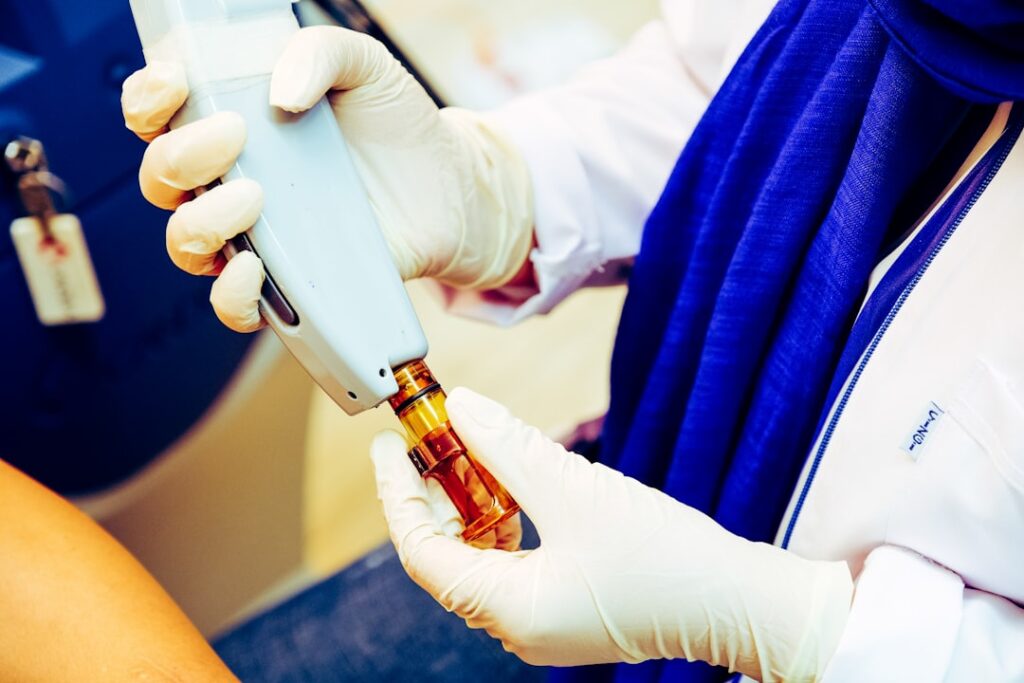
Acne scars can linger long after breakouts have cleared, affecting both appearance and self-confidence. Laser treatment for acne scars has become one of the most popular options for improving skin texture, softening scar depth, and restoring a smoother complexion. It is important to be clear from the start, though: laser treatment is not a magic eraser. Modern lasers can deliver meaningful, lasting improvement for many types of acne scarring, but the realistic goal is improvement, not perfection.
According to the American Academy of Dermatology (AAD), laser treatment for acne scars works by removing damaged skin at the surface, heating deeper layers, and stimulating the skin to build new collagen. One key distinction to keep in mind throughout: these treatments are for acne scars, the textural or discolored marks left behind, not for active, inflamed acne. The wide range of laser types, price points, and expected outcomes can make it hard to know where to start, so this guide walks through the options, what to expect, and how to think about cost.
Treat Active Acne First
Before any discussion of lasers, dermatologists emphasize a sequence: get active acne under control first. Treating scars while breakouts are still flaring can be counterproductive, since new lesions create new scars and inflamed skin tolerates procedures poorly. A clinician will usually want your acne stable before starting scar treatment, and there may be a waiting period after certain oral acne medications. Starting in the right order protects your results and lowers the risk of complications.
Types of Acne Scars Treated by Lasers
Not all acne scars are the same, and the type of scarring you have influences which laser (and often which combination of treatments) will help most. Dermatologists generally classify acne scars into several categories:
- Ice pick scars: Deep, narrow, pit-like scars that extend into the dermis. These are among the most challenging to treat with lasers alone and often do better with combination approaches.
- Boxcar scars: Broad depressions with sharply defined edges. Lasers can be moderately to highly effective for these.
- Rolling scars: Wide, shallow indentations that give the skin a wavy, uneven look. Lasers can help by stimulating collagen to smooth the depressions.
- Hypertrophic or keloid scars: Raised, thickened scars from excess collagen. Certain lasers can help flatten and soften them, sometimes alongside other treatments.
- Post-inflammatory hyperpigmentation (PIH) and redness: Dark or red marks left after acne heals. These are not true scars, but certain lasers and light devices can help fade them.
Types of Laser Treatments for Acne Scars
Laser treatments fall into two main categories, each with distinct mechanisms, recovery times, and results:
Ablative Lasers
Ablative lasers remove thin layers of skin, in effect vaporizing damaged tissue and triggering a strong wound-healing response that builds new collagen and skin. These are the more aggressive option and tend to deliver the most noticeable results, but they come with longer recovery.
- CO2 (carbon dioxide) laser: Often described as a workhorse for deeper acne scars. CO2 lasers reach relatively deep into the skin, making them useful for moderate to severe scarring. Recovery commonly takes one to a few weeks, with redness that can linger for months. Research in the dermatology literature reports that fractional CO2 treatment can improve acne scars substantially, though individual results vary widely. For pricing considerations, see our article on CO2 laser cost.
- Erbium YAG laser: Removes thinner layers of skin than CO2, making it suitable for more superficial scars. Recovery is generally shorter, and there is often less risk of post-treatment pigment changes, which can make it a consideration for some darker skin tones when used by an experienced provider.
Non-Ablative Lasers
Non-ablative lasers heat the underlying tissue without removing the surface, stimulating collagen from within. They tend to offer more gradual results per session but with less downtime.
- Fractional non-ablative lasers: Create microscopic columns of controlled thermal injury while leaving surrounding tissue intact for faster healing. Multiple sessions are typically needed, and downtime is usually short.
- Nd:YAG laser (1064 nm): Penetrates deeper and is generally considered safer across a range of skin types, including darker complexions. It is used for both texture and pigment concerns.
- Pulsed dye laser (PDL): Targets blood vessels and is used mainly for red or discolored scars and post-inflammatory redness rather than textural indentations.
Fractional vs. Full-Field Lasers
Most modern laser resurfacing is fractional, meaning the beam is divided into many tiny treatment zones that affect only a fraction of the skin at a time. Fractional technology, whether ablative or non-ablative, generally reduces recovery time and side-effect risk compared with older full-field resurfacing, while still delivering meaningful improvement.
Other Options Often Used Alongside Lasers
Lasers are one tool among several, and dermatologists frequently combine treatments because different scar types respond to different techniques. Depending on your scars, a clinician might discuss:
- Microneedling: Fine needles create controlled micro-injuries that stimulate collagen; sometimes combined with radiofrequency.
- Subcision: A minor procedure that releases the fibrous bands tethering rolling scars, allowing the skin to lift.
- Dermal fillers: Can temporarily raise depressed scars; some are longer-lasting than others.
- Chemical peels: Can improve surface texture and pigmentation, from superficial to deeper peels.
- Punch techniques: Used for select ice pick or boxcar scars to excise or elevate them.
A tailored plan combining a couple of these approaches often outperforms any single treatment, which is another reason an in-person assessment matters.
What to Expect During Treatment
Understanding the process helps set realistic expectations:
Before Treatment
- An initial consultation with a board-certified dermatologist or qualified laser specialist to assess your scars, skin type, and goals
- You may need to pause certain medications or skincare products (such as retinoids or blood thinners) beforehand, on your clinician’s advice
- Some providers prescribe an antiviral if you have a history of cold sores
- Sun avoidance and diligent sun protection for several weeks before treatment
During Treatment
- A topical numbing cream is usually applied ahead of the procedure
- The laser is passed over the treatment area, which can take anywhere from about 15 to 45 minutes depending on the size of the area
- You may feel a warm, stinging, or snapping sensation
- For more aggressive ablative treatments, additional local anesthesia or light sedation may be offered
After Treatment
- Ablative lasers: Expect redness, swelling, oozing, and peeling for roughly one to a few weeks. The skin may look sunburned, and residual pinkness can persist for weeks to months. Diligent aftercare and sun protection are essential.
- Non-ablative lasers: Generally minimal downtime, often redness and mild swelling for a day or a few days, with most people returning to normal activities quickly.
Cost of Laser Treatment for Acne Scars
Cost is one of the most common questions, and the honest answer is that it varies widely, so treat any figure you see online as a rough starting point rather than a quote. The price of laser treatment for acne scars depends on the type of laser, the size of the area treated, how many sessions you need, the provider’s training and experience, and where you live. Generally speaking:
- Ablative resurfacing (such as fractional CO2 or erbium) tends to sit at the higher end per session because of the technology and the recovery involved, though fewer sessions may be needed.
- Non-ablative and fractional treatments are often lower per session but usually require a series of visits, so the total can add up.
- Light-based treatments aimed at redness or pigment are frequently among the less expensive options per session.
Because scar improvement is considered cosmetic, laser treatment for acne scars is usually not covered by health insurance. Many dermatology practices offer package pricing or financing, but the specifics differ by office. The most reliable way to know what you will pay is to book a consultation and ask for a written estimate that spells out the number of expected sessions, since a per-session price without a session count can be misleading. It is reasonable, and smart, to get more than one quote.
Expected Results and Realistic Expectations
Setting realistic expectations is essential for satisfaction with laser scar treatment:
- Improvement, not erasure: Lasers can noticeably improve the look of acne scars, but complete removal is rarely achievable. Think softening and smoothing rather than disappearing.
- Multiple sessions: Especially with non-ablative lasers, a series of treatments spaced weeks apart is typically needed for the best result.
- Gradual improvement: Collagen remodeling continues for months after treatment, so the final result is not visible right away.
- Maintenance: Some people benefit from occasional maintenance sessions over time.
- Combination approaches win: Many dermatologists pair lasers with microneedling, subcision, fillers, or peels for more comprehensive improvement than any single treatment provides.
Risks and Side Effects
When performed by a qualified provider, laser treatment for acne scars is generally safe, but no procedure is risk-free. Potential side effects include:
- Redness and swelling (expected and temporary)
- Post-inflammatory hyperpigmentation, a particular concern in darker skin tones
- Hypopigmentation (lightening of the skin), more common with aggressive ablative treatments
- Infection (uncommon, but possible especially with ablative lasers)
- Scarring (rare when treatment is done by an experienced provider, but not impossible)
- Reactivation of herpes simplex (cold sores) in susceptible people
Choosing a board-certified dermatologist or plastic surgeon experienced in laser scar treatment meaningfully reduces these risks, and it is worth asking specifically about their experience with your skin type. If you are exploring other acne treatment options, including prescription care for active breakouts, read our guide on the best telehealth services for acne.
Who Is a Good Candidate?
Good candidates for laser treatment of acne scars generally:
- Have their active acne under control, since breakouts should be stable before scar treatment
- Have realistic expectations about the degree of improvement
- Are in good overall health without conditions that impair wound healing
- Do not have an active skin infection in the treatment area
- Have discussed the timing of treatment with their clinician if they have recently used oral acne medication
- Are willing to follow pre- and post-treatment care, including strict sun protection
People with darker skin tones (Fitzpatrick types IV to VI) should specifically seek providers experienced in treating darker skin, since some lasers carry a higher risk of pigment changes in these skin types. Non-ablative fractional lasers and Nd:YAG lasers are often considered safer choices for darker complexions, but provider experience is the most important factor.
Frequently Asked Questions
How many laser sessions do I need for acne scars?
It depends on the laser and the severity of your scars. Ablative treatments may need only a small number of sessions, while non-ablative lasers commonly require a series spaced several weeks apart. Your dermatologist will map out a personalized plan after evaluating your scars in person, and that plan is what determines both your results and your total cost.
Is laser treatment for acne scars painful?
Most people describe it as moderate discomfort rather than severe pain. Topical numbing cream is typically applied beforehand, and for more aggressive ablative procedures additional anesthesia may be used. Non-ablative treatments are generally more comfortable, and any post-treatment soreness is often managed with cool compresses and simple over-the-counter measures your provider recommends.
How long does it take to see results?
Some improvement may be visible within a couple of weeks after ablative treatment as the skin heals, but collagen remodeling continues for months, so the fuller result develops over that longer window. With non-ablative treatments, improvement is more gradual and builds with each session.
Can laser treatment make acne scars worse?
When performed by an experienced, qualified provider, laser treatment rarely makes scars worse. But wrong settings, treating skin that is not ready, or poor aftercare can lead to complications such as new scarring or pigment changes. This is exactly why choosing a board-certified dermatologist or plastic surgeon with specific experience in laser scar treatment, and with your skin type, matters so much.
Is laser scar treatment covered by insurance?
Usually not. Because improving the appearance of scars is considered cosmetic, most health plans do not cover it. Confirm directly with your provider and, if you have any doubt about coverage for your particular situation, with your insurer, before committing.
Practical Takeaway
Laser treatment for acne scars is one of the more effective ways to improve skin texture and appearance after acne, as long as your expectations are realistic. The right approach depends on your scar type, skin tone, budget, and tolerance for downtime, and it often combines a laser with other techniques. Ablative lasers offer stronger results with more recovery, while non-ablative options provide gradual improvement with less disruption. Get active acne under control first, consult a board-certified dermatologist to build a plan, ask for a clear written cost estimate since this is typically not covered by insurance, and remember that meaningful improvement, not flawless erasure, is the realistic and worthwhile goal. For more on skin conditions and treatments, visit our medical conditions guide.
This article is general education and is not medical advice. Laser suitability, results, and risks depend on your skin type and scars. Consult a board-certified dermatologist or qualified provider, and treat any prices you see as estimates that vary by provider and region rather than quotes.
Sources
- American Academy of Dermatology, “Lasers and lights: How well do they treat acne scars?”
- Mayo Clinic, “Laser resurfacing”
- Cleveland Clinic, “Laser Skin Resurfacing”
- American Society for Dermatologic Surgery, patient resources on acne scar treatment