
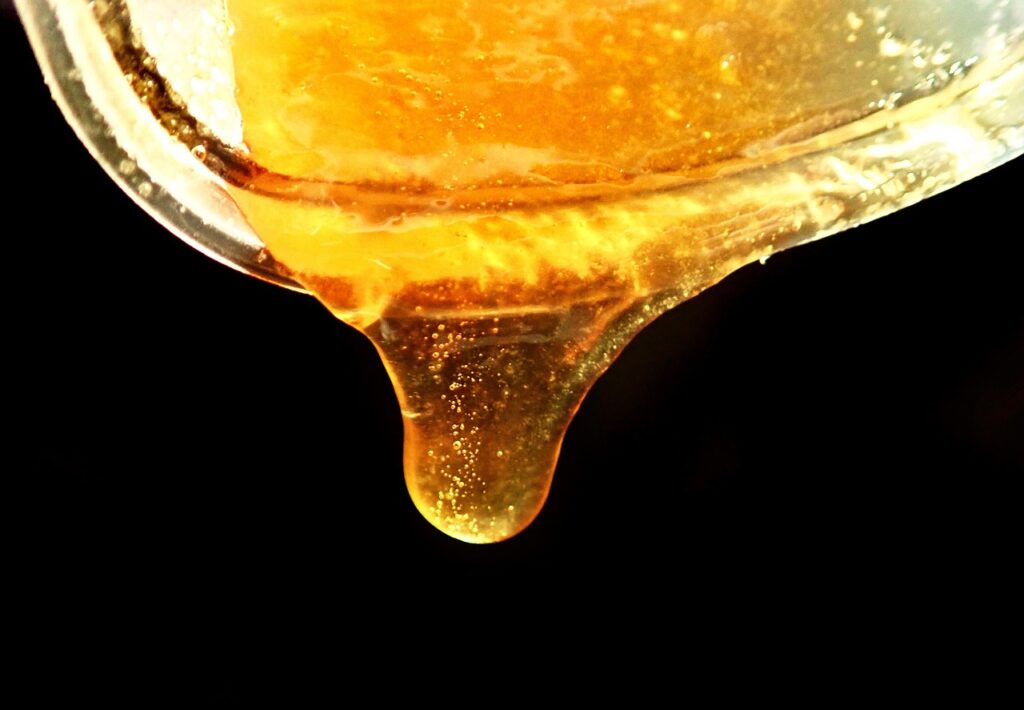
- Honey is roughly 80 percent sugar by weight, so it counts as an added sugar and fits inside the same daily limits as table sugar, not on top of them.
- Honey does have real benefits table sugar lacks: antioxidants, a well-supported role as a cough remedy in children over one, and FDA-cleared medical-grade dressings for wounds.
- Never give honey — raw or processed — to an infant under 12 months, because of the risk of infant botulism.
- Honey's glycemic index is moderate (around 45 to 64 depending on the honey), so people with diabetes should count it as a carbohydrate and treat it like any other added sugar.
- For most adults, a sensible ceiling is about 1 to 2 tablespoons a day, used to replace other sugar rather than add to it.
- Raw or minimally processed honey keeps more of its beneficial compounds, but no honey is a health "free pass."
Honey has been used as both a food and a medicine for thousands of years, but modern shoppers still ask a simple question: is honey healthy? The honest answer is “it depends” — on how much you use, what you are replacing it with, and what you expect it to do for you. Honey genuinely contains antioxidants and has documented antimicrobial properties, but it is still a concentrated source of sugar and calories that can nudge up your weight and your blood sugar when you overdo it. This article is general nutrition education, not medical advice.
Below is an evidence-based look at honey’s nutritional profile, its legitimate health benefits, its real risks, and practical ways to fit it into a balanced diet without falling for the “health halo.” For more on making better everyday food choices, visit our wellness guide.
Honey Nutrition Facts
According to the USDA FoodData Central database, one tablespoon (about 21 grams) of honey contains approximately:
- Calories: 64
- Total carbohydrates: 17.3 g
- Sugars: 17.2 g (primarily fructose and glucose)
- Protein: 0.1 g
- Fat: 0 g
- Fiber: 0 g
Honey also contains trace amounts of vitamins and minerals, including small quantities of vitamin C, calcium, iron, potassium, and B vitamins. However, these amounts are nutritionally insignificant at normal serving sizes. You would have to eat an impractical amount of honey to meet even a small fraction of your daily micronutrient needs — and you would consume a great deal of sugar getting there.
What makes honey nutritionally distinct from plain table sugar is its bioactive content: flavonoids, phenolic acids, and enzymes contributed by the bees and the nectar sources. Those compounds, not the vitamins, are responsible for most of the health properties attributed to honey. It is worth being clear-eyed, though: honey is still roughly 80 percent sugar by weight, and no amount of antioxidant content changes that.
Proven Health Benefits of Honey
Antioxidant Activity
Honey contains a range of antioxidants, including flavonoids (such as pinocembrin, chrysin, and galangin) and phenolic acids. In general, darker honeys — such as buckwheat and manuka — tend to have higher measured antioxidant activity than lighter varieties like clover or acacia. Antioxidants help neutralize free radicals, which are implicated in chronic conditions including cardiovascular disease. That said, the amount of antioxidants you get from a realistic serving of honey is modest, and you can get far more from fruits, vegetables, tea, and coffee without the sugar load.
Cough Suppression
One of the best-supported uses of honey is as a cough remedy, particularly in children older than 12 months. A Cochrane review found that honey was more effective than no treatment and at least as effective as some over-the-counter cough preparations for reducing cough frequency and severity in upper respiratory infections. The American Academy of Pediatrics recognizes honey as a reasonable home remedy for coughs in children over one year old — a useful option given that most OTC cough and cold products are not recommended for young children. Honey should never be used this way in infants under 12 months (see the botulism section below).
Wound Healing
Medical-grade honey, particularly manuka honey, has been studied extensively for wound care. Its high sugar concentration, low pH, and slow release of hydrogen peroxide create an antimicrobial environment that can support healing. The FDA has cleared honey-based wound dressings for clinical use, and research has found that honey dressings may accelerate healing in certain partial-thickness burns and wounds compared with some conventional treatments. Important caveat: this refers to sterile, medical-grade honey applied by or with guidance from a clinician — not the jar in your pantry smeared on an open wound.
Cardiovascular and Metabolic Markers
Some clinical studies suggest that swapping refined sugar for honey may modestly improve certain cardiovascular and metabolic markers. Reviews have reported that, compared with sugar or syrup controls, honey was associated with slightly lower fasting blood glucose and improved cholesterol and triglyceride numbers in some trials. The effects were small, however, and the researchers were careful to say honey should not be viewed as a treatment for heart disease or diabetes. The takeaway is narrow: if you are going to use a sweetener anyway, honey is a marginally better choice than refined sugar — not that adding honey to your diet improves your heart.
Potential Risks and Downsides
High Sugar Content
Despite its health halo, honey is approximately 80 percent sugar by weight. The American Heart Association recommends limiting added sugars to no more than about 6 teaspoons (25 grams) per day for most women and 9 teaspoons (36 grams) per day for most men. A single tablespoon of honey contains more than 17 grams of sugar — a large share of that daily budget in one spoonful. Honey counts as an added sugar, and it should fit inside those limits, not sit on top of them.
Blood Sugar Impact
Honey has a glycemic index in the moderate range — commonly cited around 45 to 64 depending on the specific honey and how it is measured, which is roughly comparable to or slightly below table sugar. That is still high enough to raise blood sugar meaningfully, especially in people with diabetes or insulin resistance. The Cleveland Clinic and other authorities advise that people with diabetes treat honey the same as any other added sugar and count it toward their carbohydrate intake rather than viewing it as a “safe” alternative.
Infant Botulism Risk
Honey should never be given to infants under 12 months of age — raw or processed, and not even a taste on a pacifier. Honey can contain Clostridium botulinum spores that an infant’s immature digestive system cannot neutralize. In a baby, those spores can germinate and produce a toxin, leading to infant botulism — a serious and potentially life-threatening illness whose signs include constipation, weak crying, poor feeding, and floppy muscle tone. The CDC and the AAP are unambiguous on this point. If you suspect botulism in a baby, seek emergency care immediately. Pasteurization and processing do not reliably destroy the spores, so “cooked into” foods for infants are not a safe workaround.
Calorie Density
At about 64 calories per tablespoon, honey is calorically similar to table sugar and slightly more calorie-dense per gram because of its lower water content. Regular consumption beyond modest amounts can contribute to weight gain just like any other caloric sweetener. The “natural” label does not change the calorie math.
Allergies and “Local Honey” Claims
Honey allergy is uncommon but possible, particularly in people with pollen or bee-product sensitivities. The popular idea that eating local honey builds tolerance and cures seasonal allergies is not well supported by controlled research; the pollen that triggers hay fever is mostly wind-blown pollen that rarely ends up in honey. Enjoy local honey for its flavor, but do not rely on it as an allergy treatment.
Raw Honey vs. Processed Honey
Raw honey is extracted from the hive and strained to remove debris but is not pasteurized or ultrafiltered. Processed (commercial) honey is heated and finely filtered, which produces a clearer, smoother product with a longer shelf life but may reduce some of the beneficial compounds and pollen content.
- Raw honey: Retains more pollen, enzymes, and antioxidants. May crystallize faster. Often found at farmers’ markets and specialty stores. Still unsafe for infants under 12 months.
- Processed honey: Consistent texture and flavor and a longer shelf life, but generally lower bioactive-compound levels. Found at most grocery stores.
If you are choosing honey partly for its health properties, raw or minimally processed varieties are generally a better pick. Look for honey labeled as raw and, ideally, from a single floral source for the highest bioactive content. Be aware that adulteration — honey cut with cheaper syrups — does exist in the global supply chain, so buying from reputable producers is worthwhile.
How Much Honey Is Too Much?
There is no official recommended daily intake for honey specifically. But given the added-sugar guidance from the American Heart Association and the World Health Organization — the WHO recommends keeping free sugars under 10 percent of daily calories, and ideally under 5 percent — a reasonable ceiling for most adults is roughly 1 to 2 tablespoons per day, and only as part of a diet that keeps other added sugars low.
For people with diabetes, even small amounts should be counted as carbohydrates and worked into the day’s plan, ideally with input from a healthcare provider or registered dietitian. For anyone trying to lose weight, the simplest move is to minimize all caloric sweeteners — honey included — rather than swapping one for another.
Healthier Ways to Enjoy Honey
If you want honey in your diet without overdoing the sugar, these approaches help:
- As a replacement, not an addition: Use honey to replace refined sugar in a recipe rather than adding it on top of your current sugar intake. Because honey is sweeter by volume, you can often use a bit less than the sugar it replaces.
- In tea or warm water: A teaspoon of honey in tea adds flavor with a modest sugar load and is a practical way to soothe a sore throat.
- As a light drizzle: A thin drizzle over plain Greek yogurt, oatmeal, or roasted vegetables adds sweetness without the volume of a heavy pour.
- In salad dressings: A teaspoon of honey balances an acidic homemade vinaigrette while keeping added sugar minimal.
- Paired with nutrient-dense foods: Combining honey with foods rich in fiber, protein, or healthy fats (nuts, whole grains, yogurt) slows sugar absorption and blunts the blood-sugar spike.
For more on evaluating popular “healthy” foods, see our article on whether dark chocolate is healthy.
Frequently Asked Questions
Is honey healthier than sugar?
Marginally. Honey contains antioxidants and trace nutrients that table sugar does not, and some studies show modest benefits when honey replaces sugar. But both are concentrated simple sugars, and the calorie difference is small. The health edge of honey over sugar is real but minor, and it disappears if you simply use more honey because it “seems healthy.”
Can people with diabetes eat honey?
In limited amounts, and with careful carbohydrate counting. Honey’s glycemic index is roughly similar to table sugar, and it still raises blood glucose. Major clinical sources recommend treating honey as an added sugar and accounting for it in your meal plan. Talk with your provider or a dietitian about how it fits your targets.
Is manuka honey worth the price?
Manuka honey has stronger antimicrobial properties than most other honeys because of its methylglyoxal (MGO) content. For topical, medical-grade wound care the evidence is meaningful. For ordinary dietary use, the extra benefit over regular raw honey is much less clear, and manuka can cost several times more per ounce. For most people, standard raw honey is fine.
Does honey expire?
Honey is one of the most shelf-stable foods, thanks to its low moisture, low pH, and natural hydrogen peroxide. Properly stored honey can stay safe to eat for a very long time, though it may crystallize. Crystallization is not spoilage — gently warming the jar in warm water restores a liquid consistency. Discard honey only if it shows signs of fermentation, mold, or an off smell.
Is honey safe during pregnancy?
Yes. Honey is considered safe for pregnant and breastfeeding adults. The botulism concern applies only to infants under 12 months, whose digestive systems cannot yet handle potential spores. An adult’s digestive tract neutralizes these spores without issue.
At what age can a child have honey?
After 12 months. Once a baby is over one year old, their digestive system has matured enough to handle the spores that cause infant botulism, and honey can be introduced like any other sweet food — in moderation, since it is still sugar.
The Bottom Line
So, is honey healthy? It can be a modestly better choice than refined sugar when used sparingly, thanks to its antioxidant content and its documented value for coughs and, in medical-grade form, wounds. But it is still a concentrated source of sugar and calories, best kept to roughly 1 to 2 tablespoons a day and counted toward your added-sugar budget rather than treated as a free pass. Choose raw or minimally processed varieties for the most bioactive benefit, never give honey to a baby under 12 months, and treat it as a carbohydrate if you have diabetes. For more evidence-based nutrition guidance, explore our wellness guide.
This article is general nutrition education, not medical advice. Individual needs vary with your age, health conditions (including diabetes), pregnancy status, and medications. Never give honey to an infant under 12 months of age. If you have questions about honey and your health, talk with a qualified clinician or registered dietitian.
Sources
- USDA FoodData Central — Honey nutrient profile
- U.S. Centers for Disease Control and Prevention (CDC) — Infant botulism; honey and infants under 12 months
- American Academy of Pediatrics (AAP) / HealthyChildren.org — Honey for cough in children over 1 year
- Cochrane Database of Systematic Reviews — Honey for acute cough in children
- American Heart Association (AHA) — Added-sugar recommendations for adults
- World Health Organization (WHO) — Guideline: sugars intake for adults and children (free sugars)
- U.S. Food and Drug Administration (FDA) — Cleared honey-based wound dressings
- Mayo Clinic and Cleveland Clinic — Honey, glycemic impact, and diabetes guidance