
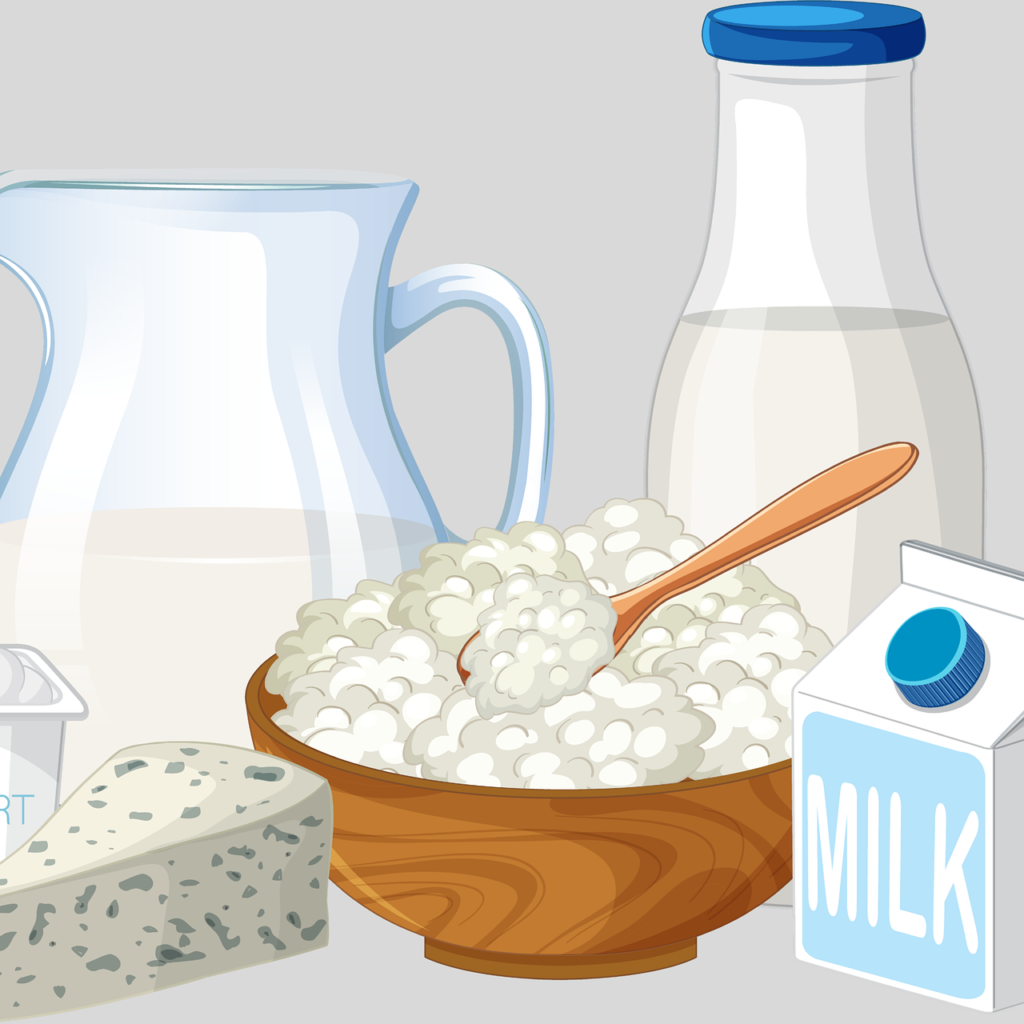
Cottage cheese has staged a remarkable comeback, surging across social media and health-focused communities after decades of being dismissed as a bland diet food. But the question remains: is cottage cheese healthy, or is its reputation inflated by trendy recipes and viral posts? The short answer is that cottage cheese ranks among the most nutrient-dense dairy products available, offering an impressive protein-to-calorie ratio that few other whole foods can match.
With more people paying attention to protein intake for muscle maintenance, satiety, and metabolic health, cottage cheese deserves a closer look. Its nutritional profile, versatility, and affordability make it a practical addition to most diets, though it is not without limitations that certain individuals should consider. Below, we break down what the science actually says, where the hype outruns the evidence, and how to choose a version that fits your goals.
Cottage Cheese Nutrition Facts
According to the USDA FoodData Central, one cup (about 226 grams) of low-fat (2% milkfat) cottage cheese provides roughly the following. Exact figures vary by brand, fat level, and whether the product is salted, so always confirm against the label on the container you buy:
| Nutrient | Approx. amount per 1 cup (226g) | % Daily Value |
|---|---|---|
| Calories | ~183 | — |
| Protein | ~24 g | ~48% |
| Total Fat | ~5 g | ~6% |
| Carbohydrates | ~9.5 g | ~3% |
| Sodium | ~700 mg | ~30% |
| Calcium | ~227 mg | ~17% |
| Phosphorus | ~340 mg | ~27% |
| Selenium | ~29 mcg | ~53% |
| Vitamin B12 | ~1.4 mcg | ~58% |
| Riboflavin (B2) | ~0.45 mg | ~35% |
The standout number is protein. At roughly 24 grams per cup for under 200 calories, cottage cheese delivers more protein per calorie than most other whole-food sources. It contains all nine essential amino acids and is particularly rich in casein, a slow-digesting milk protein that releases amino acids gradually. That property has made it a staple among athletes and older adults focused on preserving muscle for decades.
It is worth noting that the fat and calorie figures shift with the style you choose. Full-fat (4%) versions run higher in calories and saturated fat, while nonfat versions trim calories further but can taste noticeably less creamy. Dry-curd (unsalted) cottage cheese is the lowest in sodium of all.
Health Benefits of Cottage Cheese
High-Quality Protein for Muscle and Satiety
Cottage cheese’s protein content is its most celebrated nutritional advantage. Higher-protein foods tend to increase satiety and blunt appetite, helping many people naturally eat less at later meals. The casein in cottage cheese is especially effective for prolonged fullness because it forms a gel in the stomach and releases amino acids slowly over several hours rather than all at once.
For older adults, adequate protein is essential for preserving muscle mass and helping prevent age-related muscle loss (sarcopenia). Casein consumed before bed has been studied for its overnight muscle-protein-synthesis benefits, with several small trials suggesting a pre-sleep serving may support recovery and muscle maintenance in physically active people. Cottage cheese is a convenient, whole-food way to get that slow-release protein without a shake.
Bone Health Support
With meaningful amounts of calcium and phosphorus per cup, cottage cheese contributes to bone health. These two minerals work together to maintain bone structure, and getting them from food (rather than supplements alone) may support better overall balance. Some fortified varieties also add vitamin D, which aids calcium absorption. Cottage cheese also supplies B12, riboflavin, and selenium, rounding out its micronutrient value beyond just protein.
Blood Sugar Management
Cottage cheese has a relatively low glycemic impact, making it a reasonable choice for people watching blood sugar. The combination of protein and fat slows absorption of its modest carbohydrate content, which can help temper the glucose response of a meal. Pairing cottage cheese with higher-carbohydrate foods, such as fruit or toast, may help flatten the overall spike compared with eating those carbohydrates alone.
Weight Management
The protein density and satiety benefits of cottage cheese make it a practical tool for weight management. Swapping a higher-calorie, lower-protein snack for cottage cheese can reduce overall intake without leaving you hungry. A cup as an afternoon snack provides substantial protein for roughly the calories of a granola bar, but with far greater staying power. As always, the total pattern of your diet matters more than any single food.
Probiotics in Some Varieties
Not all cottage cheese contains live cultures, but some brands add probiotics or use cultured cream dressings. If gut health is a priority, check the label for “live and active cultures.” Even without probiotics, cottage cheese remains a nutrient-dense choice; the cultures are a bonus rather than the main reason to eat it.
Potential Downsides
Sodium Content
Sodium is cottage cheese’s most notable nutritional drawback. A single cup can contain around 700 mg of sodium, which is roughly a third of the commonly cited 2,300 mg daily limit for adults. For individuals with hypertension, heart failure, or chronic kidney disease, that is a meaningful amount. Low-sodium and dry-curd versions are widely available and contain substantially less. Briefly rinsing the curds under water can also lower sodium, though it changes the texture. If you take blood pressure medication, it is worth reviewing our guide on foods to avoid with losartan and other medication-diet interactions.
Lactose Content
Cottage cheese contains more lactose than aged cheeses like cheddar or Parmesan, which lose most of their lactose during aging. People with lactose intolerance may notice bloating, gas, cramping, or diarrhea after eating it. Lactose-free cottage cheese is increasingly available and offers the same protein and mineral benefits without the digestive discomfort.
Added Ingredients in Flavored Varieties
Flavored cottage cheese products, especially those with fruit, honey, or dessert-inspired flavors, can carry substantial added sugar, which undercuts many of the metabolic benefits. Plain cottage cheese with your own fresh fruit is almost always the better choice. Read the nutrition label and ingredient list, looking specifically for added sugars and, if you prefer to avoid them, thickeners and stabilizers such as guar gum or carrageenan.
How Cottage Cheese Compares to Other Proteins
To answer whether cottage cheese is healthy in context, it helps to compare it with similar foods. Greek yogurt is its closest competitor, offering comparable protein per cup but often in a more calorie-dense package if you choose full-fat versions. Cottage cheese generally wins on protein-per-calorie in its low-fat form. Eggs provide about 6 grams of protein each with more fat relative to protein. Tofu offers a plant-based option with a different amino-acid profile; for more on that, see our article on whether tofu is healthy.
Among dairy products, cottage cheese stands out for being high in protein and relatively low in fat in its reduced-fat form, making it especially useful for people tracking macronutrients or trying to raise protein intake without adding many calories.
Who Should Be Careful
While cottage cheese is a healthy choice for most people, certain groups should exercise caution. Individuals with a dairy allergy (to casein or whey) must avoid it entirely, as this is an immune-mediated reaction and not the same as lactose intolerance. People on sodium-restricted diets should choose low-sodium or dry-curd varieties or limit portion sizes. Those with chronic kidney disease may need to moderate intake because of both the protein and phosphorus content, since impaired kidneys can struggle to clear excess amounts. As always, personalized guidance from your own clinician or a registered dietitian should override general advice.
For broader nutritional guidance and evidence-based wellness strategies, our wellness guide covers dietary principles for a range of health goals.
Easy Ways to Include Cottage Cheese in Your Diet
Cottage cheese’s mild flavor and creamy texture make it surprisingly versatile. Blend it into smoothies for a protein boost without the chalky taste of protein powder. Use it as a base for savory bowls topped with cherry tomatoes, cucumber, everything-bagel seasoning, and a drizzle of olive oil. Mix it with fruit and a sprinkle of granola for a balanced breakfast. Substitute it for ricotta in lasagna or stuffed shells. Spread it on toast with sliced avocado and a pinch of pepper. Stir it into scrambled eggs for extra creaminess and protein.
The viral cottage cheese recipes flooding social media, from cottage cheese flatbread to blended cottage cheese “ice cream,” are often worth trying, though the health benefits ultimately depend on what other ingredients you add. Starting from a plain, low-sodium base gives you the most control over the final result.
Frequently Asked Questions
Is cottage cheese good for weight loss?
Yes, cottage cheese can support weight loss thanks to its high protein content, which promotes fullness and helps preserve muscle during calorie restriction. Its low calorie density means you get substantial nutrition without excessive energy intake. Choosing low-fat or 2% varieties keeps calories in check while maintaining good flavor and texture.
Is full-fat or low-fat cottage cheese healthier?
Both have merits. Low-fat (2%) cottage cheese is lower in calories and saturated fat, which suits people watching caloric intake. Full-fat (4%) versions provide more fat-soluble nutrients and may be more satiating for some people. Research has softened the older blanket stance against full-fat dairy, so the best choice depends on your overall dietary pattern and goals rather than a single rule.
Can I eat cottage cheese every day?
For most healthy adults, daily cottage cheese is perfectly reasonable and can be beneficial. The main consideration is sodium; if you eat it daily, account for its contribution and lean toward low-sodium versions. Variety still matters, so rotate protein sources to ensure a broad nutrient intake across your week.
Is cottage cheese a good bedtime snack?
Cottage cheese is widely considered one of the better bedtime snack options because its casein digests slowly, providing a steady stream of amino acids overnight to support muscle repair. A half-cup to one-cup serving is a sensible nighttime portion. If you are watching sodium, choose a low-sodium version.
What kind of cottage cheese has the least sodium?
Dry-curd cottage cheese, which is made without a salted cream dressing, is typically the lowest in sodium, followed by products explicitly labeled “low sodium” or “no salt added.” Rinsing regular curds under water before eating can also reduce sodium somewhat. Always compare labels, since sodium varies widely between brands.
Sources
- USDA FoodData Central — nutrient values for cottage cheese by fat level
- National Institutes of Health, Office of Dietary Supplements — calcium, vitamin B12, and selenium reference intakes
- Cleveland Clinic — dietary protein, dairy, and sodium guidance
- Mayo Clinic — sodium, blood pressure, and healthy-diet recommendations
The Bottom Line
So, is cottage cheese healthy? For most people, yes. Its exceptional protein density, slow-release casein, bone-supporting minerals, and kitchen versatility make it one of the best dairy options available. The main caveats are its sodium content and lactose, both of which you can manage by choosing low-sodium, dry-curd, or lactose-free varieties and reading labels. Pick plain over heavily sweetened versions, account for sodium in your overall diet, and cottage cheese earns its place as a nutritional workhorse worth eating regularly.
This article is for general education and is not a substitute for personalized medical or nutrition advice. If you have high blood pressure, heart or kidney disease, a dairy allergy, or other health conditions, talk with your doctor or a registered dietitian about how cottage cheese fits your individual needs.