
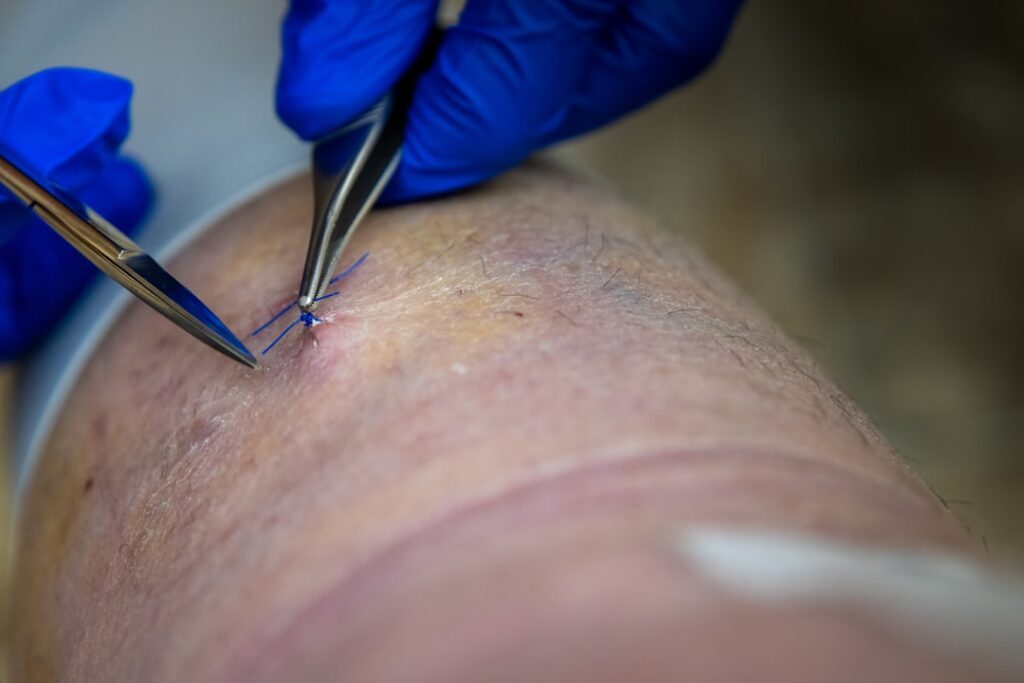
A boil starts as a tender, red lump about the size of a pea – and within days, it can swell into a painful, pus-filled abscess. Knowing how to treat a boil correctly can mean the difference between a minor nuisance that resolves in a week and a spreading infection that requires antibiotics or a clinician-performed drainage. Boils (also called furuncles) are extremely common, affecting many people each year. Most can be treated safely at home with nothing more than warm compresses and patience, but some require medical care. This guide from our medical conditions guide explains exactly what to do – and, just as importantly, what not to do.
What Causes Boils
Boils are caused by bacterial infections of hair follicles. The most common culprit is Staphylococcus aureus (staph), a bacterium that lives harmlessly on the skin or in the nose of a substantial share of healthy adults. According to StatPearls (National Library of Medicine), a boil develops when staph bacteria enter through a break in the skin – a nick from shaving, an insect bite, or even a scratch – and infect the hair follicle and surrounding tissue.
Your body’s immune system responds by sending white blood cells to fight the infection. The resulting battle creates pus – a mixture of dead bacteria, dead white blood cells, and tissue debris. As pus accumulates, the boil grows larger, becomes more painful, and eventually develops a white or yellow “head” as the pus pushes toward the skin surface. Risk factors for developing boils include diabetes, obesity, a weakened immune system, close contact with someone who carries staph, breaks in the skin, and friction from tight clothing. Having a risk factor does not mean you will get boils, but it can make them more likely or slower to heal.
Home Treatment: Warm Compresses
The primary home treatment for a simple boil is applying warm, moist compresses. This is not folk medicine – it is the standard first-line recommendation from the Mayo Clinic, Cleveland Clinic, and most dermatology resources.
Soak a clean washcloth in warm (not scalding) water, wring it out, and apply it to the boil for about 10 to 15 minutes. Repeat this three or four times a day. The heat increases blood circulation to the area, bringing more infection-fighting white blood cells to the site. It also helps the pus accumulate near the surface, encouraging the boil to come to a head and drain on its own. Many small boils will drain naturally within about a week to ten days of consistent warm-compress treatment.
Some people add Epsom salts (magnesium sulfate) to the warm water, which may have a mild drying effect. If you try this, dissolve the salts in warm water, soak the washcloth, and apply as described above. Use a fresh, clean cloth each time, and launder used cloths in hot water so you do not reintroduce bacteria.
What NOT to Do: Never Squeeze or Lance a Boil Yourself
This is the most important rule when learning how to treat a boil: do not squeeze, pop, or attempt to lance the boil with a needle, pin, or any other sharp object. Squeezing a boil can push bacteria deeper into the tissue and force them into the bloodstream, potentially causing a more serious, spreading, or systemic infection. Draining a boil is a procedure that should be done by a clinician under sterile conditions – not something to attempt at home. As StatPearls notes, improper self-drainage increases the risk of complications including cellulitis (a spreading skin infection) and deeper abscess formation.
If the boil drains on its own, let it. Keep the area clean by gently washing with soap and water, then cover it with a clean, dry bandage. Change the bandage whenever it becomes soiled or wet. Wash your hands thoroughly before and after touching the boil or changing the bandage to avoid spreading the bacteria to other parts of your body or to other people. Do not reuse dressings, and dispose of them carefully.
Over-the-Counter Treatments
While warm compresses are the mainstay of home treatment, a few over-the-counter products can support comfort and hygiene. Topical antibacterial ointments such as bacitracin can be applied to the skin around the boil (not forced into it) to help keep the surrounding area clean, though they will not cure a deep boil on their own. Drawing salves containing ichthammol are sometimes used to help a boil come to a head, but the clinical evidence for them is limited, so do not rely on them in place of medical care when it is needed.
Over-the-counter pain relievers such as ibuprofen or acetaminophen can help manage the throbbing pain that often accompanies a boil, and ibuprofen may also reduce inflammation. Follow the label dosing, and if you take other medications or have conditions such as kidney disease, stomach ulcers, or high blood pressure, check with a pharmacist or clinician before using NSAIDs.
When a Boil Needs Medical Attention
While most small boils resolve with home care, certain situations call for a doctor. The Mayo Clinic recommends seeing a healthcare provider if the boil is very large or extremely painful, if it has not improved after about a week of warm-compress treatment, if it is on the face (particularly near the nose or eyes) or along the spine, if you develop a fever, if red streaks or spreading redness radiate outward from the boil, if you have several boils clustered together (a carbuncle), if boils keep coming back, or if you have diabetes or a weakened immune system. People with those conditions should have a lower threshold for getting a boil checked, because infections can progress faster.
Medical Drainage (Incision and Drainage)
When a boil is too large or deep to drain on its own, a clinician can perform an incision and drainage (often abbreviated I&D). This is a minor procedure typically done in the office with local anesthesia. The clinician makes a small incision, drains the pus, and may pack the cavity with sterile gauze to keep it open for continued drainage. Pain often eases quickly once the pressure is released. This is the only appropriate way to have a boil drained – it should never be attempted at home.
Antibiotics
Antibiotics are not always necessary for a simple boil. In fact, antibiotics alone often cannot penetrate the wall of an abscess effectively, which is why drainage is usually the key treatment. However, a clinician may prescribe oral antibiotics if the infection is spreading (cellulitis), if there are multiple boils, if you have a weakened immune system, or if the boil is caused by MRSA (methicillin-resistant Staphylococcus aureus). The choice of antibiotic is a clinical decision based on your situation and, sometimes, a culture of the pus – so follow your prescriber’s guidance rather than trying to source antibiotics on your own.
When to seek emergency care: Call 911 or go to the nearest emergency room if you develop a high fever with chills alongside a boil, if redness is spreading rapidly from the boil, if you feel very unwell or confused, or if a boil is on or near the eye. A boil on the central face – especially in the area between the nose and upper lip sometimes called the “danger triangle” – carries a small but serious risk of the infection spreading toward the brain, so facial boils with worsening symptoms need urgent evaluation.
Preventing Boils From Recurring
Some people are prone to recurrent boils, which can be frustrating. The CDC recommends several everyday strategies for prevention. Wash your hands frequently with soap and water. Shower regularly, including after exercise. Do not share towels, razors, or other personal hygiene items. Keep any cuts, scrapes, or insect bites clean and covered until they heal. Wash bedding, towels, and workout clothes in hot water, and clean high-touch surfaces if someone in the household has had a staph infection.
For people with repeated staph boils, a clinician may recommend a “decolonization” protocol – for example, an antibiotic ointment applied inside the nostrils and antiseptic body washes over a set period, sometimes extended to household members who may be carriers. These regimens should be prescribed and supervised by a clinician rather than improvised, because the specific products, dosing, and duration matter, and overusing antibiotics can drive resistance.
Frequently Asked Questions
How long does a boil take to heal?
A small boil typically comes to a head and drains within about a week to ten days of onset, with complete healing taking one to three weeks. Larger boils or those needing medical drainage may take longer to fully heal. If a boil has not shown any improvement after roughly a week of warm-compress treatment, see a doctor.
Are boils contagious?
The boil itself is not “contagious” the way a cold is, but the staph bacteria causing it can spread through direct skin-to-skin contact or through shared items like towels and razors. If a boil is draining, keep it covered, wash your hands after touching the area, and do not share personal items. Staph can also spread to other areas of your own body if you touch the boil and then touch broken skin elsewhere.
Can I put hydrogen peroxide on a boil?
Hydrogen peroxide is generally not recommended for treating boils. While it has antimicrobial properties, it can also irritate and damage healthy tissue and may slow healing. Gentle cleansing with warm water and mild soap is usually sufficient. If you want an antiseptic wash, ask your clinician or pharmacist which product is appropriate for you.
What does a MRSA boil look like?
MRSA boils often look identical to boils caused by ordinary staph – red, swollen, painful, and filled with pus. According to the CDC, MRSA skin infections are sometimes mistaken for spider bites because of their appearance. The only way to confirm MRSA is a laboratory culture of the pus. If a boil is not responding to standard care, a clinician can culture it to check for MRSA and choose the right treatment.
Should I ever drain a boil myself if it is really painful?
No. However tempting it is, do not lance or squeeze a painful boil at home. Warm compresses and over-the-counter pain relief are the safe home measures. If the pain is severe or the boil is large, see a clinician, who can drain it properly and safely if needed.
TL;DR: Treat a simple boil with warm, moist compresses several times a day, keep it clean, cover it if it drains, and wash your hands. Never squeeze or lance a boil yourself – draining is a clinician’s job. See a doctor if it is large, on the face or spine, not improving after about a week, recurrent, or comes with fever or spreading redness, and especially if you have diabetes or a weakened immune system. Seek emergency care for a high fever, rapidly spreading redness, or a boil near the eye.
This article is for general education only and is not medical advice. It cannot diagnose your condition or replace care from a qualified clinician. When in doubt, contact a healthcare professional; in an emergency, call 911 or go to the nearest emergency department.
The Bottom Line
Learning how to treat a boil effectively comes down to two principles: apply warm compresses consistently, and do not squeeze or lance it yourself. Most boils drain on their own within a week or two of home care. Watch for signs the infection is worsening – growing size, spreading redness, fever, or no improvement – and see a doctor promptly if any of these develop. If you are prone to recurrent boils, ask your clinician about a decolonization plan that can help break the cycle. For more on common conditions and when to seek care, see our medical conditions guide.