
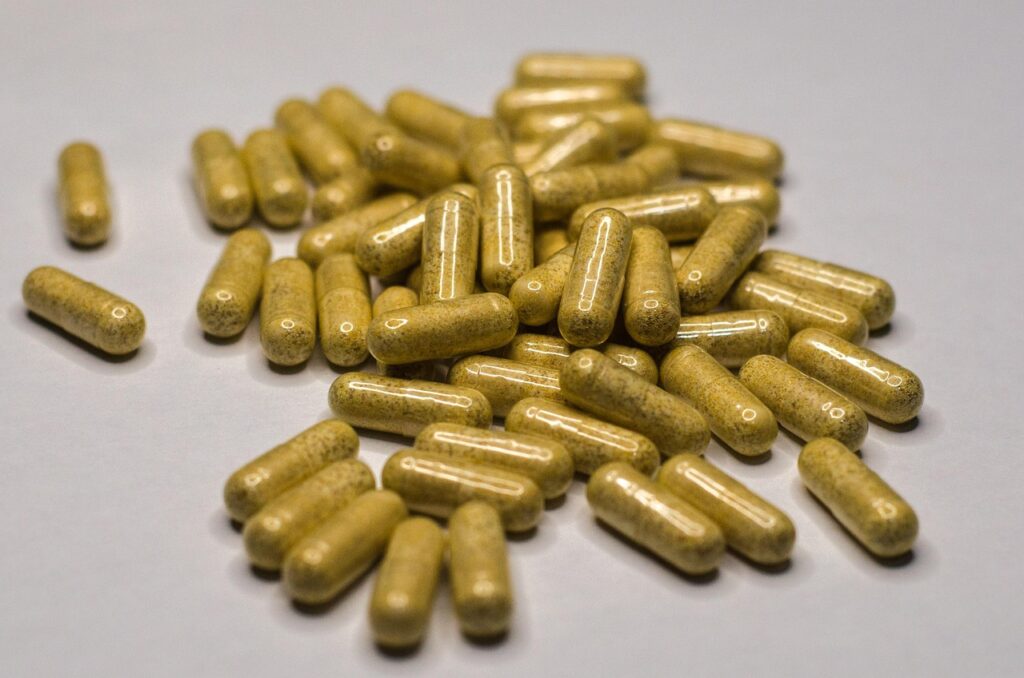
- Tramadol is unusual because it acts both as an opioid and on serotonin and norepinephrine, so stopping it can cause typical opioid withdrawal plus antidepressant-like discontinuation symptoms.
- Because of that dual action, and a known seizure risk, tramadol is generally tapered slowly under the prescriber who manages your care rather than stopped abruptly.
- There is no single taper that fits everyone; the pace depends on your dose, how long you have taken it, and how you respond.
- Stopping suddenly can trigger distressing withdrawal, so any change should be planned with your clinician rather than made on your own.
- This is general education only. It is not a schedule to follow alone, and it is not a substitute for personalized medical care.
Tramadol is a prescription pain medicine that is often thought of as a “milder” opioid, but its pharmacology is unusual and worth understanding before anyone considers stopping it. Alongside acting on opioid receptors, tramadol also increases levels of serotonin and norepinephrine in the brain, much like some antidepressants do. That dual action shapes both how the medicine works and what can happen when it is reduced. If you have taken tramadol regularly, your body can become physically dependent on it, which is a normal, expected effect and not the same as addiction. Because of that, coming off tramadol should be planned carefully and slowly, always with the prescriber who manages your care. This article explains the general principles. It is education only, not a plan to follow on your own.
Why people taper off tramadol
People reduce or stop tramadol for many reasons: their pain has improved, they are managing side effects, they are concerned about long-term use, or they and their clinician are moving toward a different approach to pain. Whatever the reason, stopping tramadol is different from simply skipping doses. After regular use, the nervous system adapts to the drug, and it needs time to readjust when the dose comes down. That readjustment is why the exit has to be gradual rather than sudden.
Why tapering must be prescriber-supervised
There is no single taper that fits everyone. The right pace depends on your dose, how long you have taken tramadol, your other health conditions, other medicines you take, and how your body responds as the dose falls. MedlinePlus, the National Library of Medicine’s consumer drug resource, is explicit that you should not stop taking tramadol without talking to your doctor, and that a doctor will probably decrease your dose gradually. A prescriber can weigh all of this, adjust the plan if withdrawal appears, and watch for the specific problems tramadol can cause. Trying to design or shortcut this alone removes the safety net that makes tapering work. This is also why you should never start, stop, or change tramadol on your own. If cost, access, or side effects are pushing you toward stopping, tell your prescriber; there are almost always safer options than an abrupt halt.
The danger of stopping abruptly
Stopping tramadol suddenly can be genuinely distressing, and because of the drug’s dual action the withdrawal can look different from other opioids. Clinical descriptions in the National Library of Medicine’s resources note that abrupt discontinuation can produce the familiar opioid withdrawal picture, such as muscle aches, sweating, nausea, diarrhea, and a runny nose, alongside symptoms that resemble stopping an antidepressant, such as anxiety, agitation, confusion, unusual sensory sensations, and rarely hallucinations. Separately, tramadol carries a recognized seizure risk, and that risk is higher at high doses, with certain other medicines, or in people with a seizure history. There is also a risk of serotonin syndrome when tramadol is combined with other serotonin-raising drugs. All of these are reasons a taper is planned and monitored rather than improvised.
General principles of a safe taper
While the details belong to you and your clinician, the underlying principles are consistent across authoritative sources, including the CDC’s 2022 Clinical Practice Guideline for Prescribing Opioids: a taper is slow, gradual, individualized, and, wherever possible, agreed through shared decision-making rather than imposed abruptly. The CDC guidance specifically advises against abrupt discontinuation or rapid dose reductions for people on long-term opioid therapy, except when there is a life-threatening concern. In practice, the dose comes down in small steps, with time between reductions for the body to settle before the next step. If symptoms flare, a good plan slows down or pauses rather than pushing ahead. Because of tramadol’s serotonergic effects, clinicians also pay attention to how a taper interacts with any antidepressants you take. Importantly, none of this is a set of doses to copy; the pace and method are medical decisions your prescriber makes with you.
What withdrawal can feel like, and how long
Withdrawal or rebound symptoms can begin within a day or so of a missed or lowered dose, since tramadol leaves the body relatively quickly. Common experiences during a reduction include restlessness, anxiety, trouble sleeping, sweating, chills, muscle aches, stomach upset, and low mood, and some people notice the atypical, antidepressant-like features described above. The timeline is individual: for many people the more intense physical symptoms ease over one to two weeks, while mood, sleep, and energy can take longer to settle. This variability is exactly why the timeline cannot be predicted precisely and why having a clinician to adjust the plan matters. Most tapers are managed as an outpatient with regular check-ins, and the pace is set by how you respond, not by a fixed calendar.
Coping and support during a taper
Tapering is easier with support. Practical steps many people find helpful include keeping regular sleep and meals, staying hydrated, gentle exercise, limiting alcohol, stress-reduction techniques, and leaning on trusted friends or family. Non-opioid strategies for managing pain, from physical therapy to other medicines, can be planned with your clinician so pain control does not fall away as the dose drops. If you are struggling with dependence or want confidential help finding treatment and support, the SAMHSA National Helpline at 1-800-662-4357 is free, confidential, and available 24 hours a day, every day. If you ever feel unsafe or have thoughts of harming yourself, call or text 988, the Suicide and Crisis Lifeline, and call 911 in an emergency.
Frequently asked questions
Can I just stop tramadol if my dose is low?
Not on your own. Even lower doses can cause withdrawal after regular use, and tramadol carries a seizure risk. Ask your prescriber to plan any change.
Why is tramadol withdrawal different from other opioids?
Because tramadol also raises serotonin and norepinephrine, stopping it can add antidepressant-like symptoms, such as anxiety and unusual sensations, on top of ordinary opioid withdrawal.
How long does tapering off tramadol take?
It varies widely, from weeks to longer, depending on your dose, how long you have taken it, and how you respond. A slower taper is generally gentler, and there is no benefit to rushing.
Is there a seizure risk when coming off tramadol?
Tramadol is associated with seizures, particularly at high doses or with certain other drugs. This is one reason a taper should be prescriber-supervised. Seek emergency care for a seizure.
What if withdrawal feels severe?
Contact your prescriber promptly so the plan can be adjusted. For seizures, severe agitation, high fever with muscle stiffness, or thoughts of self-harm, seek emergency care by calling 911, or call or text 988.
Does taking an antidepressant change my taper?
It can. Because tramadol affects serotonin, your clinician will consider your other medicines when planning a taper and watch for interactions. Do not adjust either medicine yourself.
This article is general education, not medical advice, and must not be used to start, stop, adjust, or taper any medication on your own. Suddenly stopping some medicines can be dangerous. Always work with the prescriber who manages your care. In an emergency call 911; for mental-health crisis call or text 988.
Sources
- MedlinePlus, National Library of Medicine — Tramadol drug information
- StatPearls, NCBI Bookshelf, National Library of Medicine — Tramadol
- CDC — 2022 Clinical Practice Guideline for Prescribing Opioids for Pain
- Peer-reviewed research on tramadol’s pharmacology and withdrawal syndrome (PMC, National Library of Medicine)
- SAMHSA — National Helpline (1-800-662-4357)