
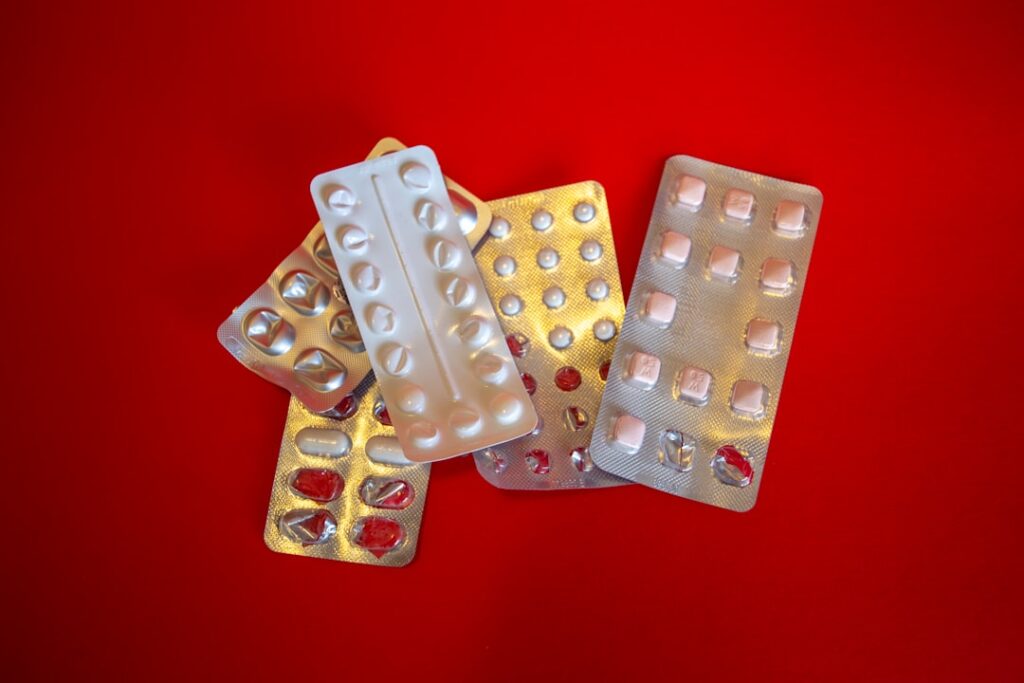
- No treatment reliably cures a vaginal yeast infection in 24 hours; even "1-day" products start relief in a day or two, with full clearing over several days.
- OTC antifungals (miconazole or clotrimazole in 1-, 3-, or 7-day forms) and prescription single-dose fluconazole are the proven treatments for an uncomplicated infection.
- See a doctor rather than self-treating if this is your first suspected yeast infection, you are pregnant, symptoms are severe or recurrent (4+ a year), or you have fever or pelvic pain.
- Not all itching and discharge is yeast — bacterial vaginosis, STIs, and irritation mimic it, and self-diagnosis is right only about a third of the time.
- Skip unproven DIY remedies; boric acid is used medically for recurrent cases but is toxic if swallowed and is not for use in pregnancy.
- This article is general education, not medical advice — confirm a first-time or unusual infection with a clinician.
When the burning and itching of a vaginal yeast infection strikes, fast relief becomes the only thing on your mind. If you are searching for how to get rid of a yeast infection fast — ideally in 24 hours — it helps to start with an honest expectation. Roughly 75 percent of women have at least one vaginal yeast infection in their lifetime, according to the CDC, and nearly half have two or more, so this is common and very treatable. But “gone in a day” is a promise no real treatment can keep.
The honest answer is that a full cure in a single day is unlikely for most infections. What is realistic: with the right antifungal, symptom relief usually begins within a day or two, and the infection fully clears over several days. This guide covers the treatments that actually work, sets realistic timelines, explains why not every itch is a yeast infection, and — most importantly for a first-time or unusual case — points you toward getting the diagnosis confirmed rather than guessing. It is general education, not medical advice.
Why “24 Hours” Is the Wrong Goal
Marketing around “1-day” products creates the impression that a yeast infection can be switched off overnight. It cannot. Even single-dose treatments deliver the medicine quickly, but your inflamed tissue still needs time to calm down and the fungal overgrowth needs time to clear. Most people notice their itching and burning easing within 24 to 48 hours, while complete resolution typically takes several days. Chasing a 24-hour cure often leads people to stop treatment too soon or to pile on unproven home remedies that irritate already-sensitive skin. A better goal is prompt, correct treatment plus steady relief measures — and knowing when the smarter move is to see a clinician instead of self-treating.
Understanding Yeast Infections
Vaginal yeast infections are caused by an overgrowth of Candida fungi, most commonly Candida albicans. Small amounts of yeast naturally live in the vagina alongside beneficial bacteria, primarily Lactobacillus species. When this balance is disrupted, yeast can multiply, causing the characteristic burning, itching, swelling, and a thick, white discharge often described as resembling cottage cheese.
Common triggers that disrupt vaginal flora include antibiotic use, which kills beneficial bacteria along with the targeted infection; hormonal changes from pregnancy, birth control, or menstruation; elevated blood sugar in people with diabetes; a weakened immune system; and douches, scented products, or other vaginal irritants. Understanding these triggers matters for both treatment and prevention.
The Cleveland Clinic classifies yeast infections as either uncomplicated or complicated. Uncomplicated infections are mild to moderate, occur less than four times per year, and are caused by Candida albicans in people with normal immune function. Complicated infections are severe, recurrent, caused by non-albicans species, or occur in people with diabetes, immune suppression, or pregnancy. The treatment approach and timeline differ significantly between these categories, which is one reason a confirmed diagnosis is so useful.
Not Every Itch Is a Yeast Infection
This is the single most important point in this article. Itching, burning, and discharge are not unique to yeast — they overlap heavily with bacterial vaginosis (BV), sexually transmitted infections such as trichomoniasis, chlamydia, or gonorrhea, and simple contact irritation from soaps, wipes, or new products. According to the CDC, self-diagnosis of yeast infections is accurate only about one-third of the time. That means most people who assume they have “another yeast infection” and treat it themselves may actually have something an antifungal will not fix. Treating the wrong condition wastes days, delays the correct treatment, and can let a more serious infection go unaddressed. When in doubt, get tested rather than guessing at the pharmacy shelf.
Fastest Proven Treatments
The fastest reliable route to relief involves over-the-counter antifungal treatments or a prescription antifungal. Follow the product label or your clinician’s instructions for dosing — the notes below are general descriptions, not personal dosing advice.
Miconazole (Monistat) and clotrimazole (Gyne-Lotrimin). These over-the-counter vaginal antifungals come in 1-day, 3-day, and 7-day formulations. Shorter courses use a higher concentration per dose; longer courses spread it out. All are effective for uncomplicated infections, with cure rates commonly cited in the range of roughly 80 to 90 percent. Most kits include an external cream to soothe the vulva while the internal medication works. Even the 1-day version does not clear symptoms within 24 hours — relief builds over the following days.
Tioconazole (Vagistat-1). Another over-the-counter single-dose vaginal ointment. Many people report noticeable improvement over the next day or two, with complete resolution taking several days.
Fluconazole (Diflucan). This prescription oral antifungal is a single pill that many people find convenient. According to the Mayo Clinic, it typically begins easing symptoms within a day or so, though it can take up to a week for the infection to fully clear, and a second dose is sometimes prescribed for stubborn cases. Fluconazole is generally not recommended during pregnancy, which is one reason pregnant people should be treated under a clinician’s guidance rather than self-medicating.
For steady relief, many clinicians suggest pairing an internal antifungal with the external anti-itch cream included in most kits, and giving the treatment the full time it needs to work.
Home Remedies: What the Evidence Says
Many people look into home remedies for yeast infections as a complement to treatment. Here is an evidence-based reality check — and a caution to avoid unproven DIY approaches that can do more harm than good.
Probiotics. Some evidence suggests Lactobacillus probiotics may help restore healthy vaginal flora and, used alongside conventional antifungals, may modestly improve outcomes for some people. On their own, they are unlikely to clear an active infection quickly.
Yogurt. Plain, unsweetened yogurt with live cultures is a long-standing folk remedy, but authoritative sources note the evidence is insufficient to recommend it as a primary treatment. If used at all, it should be plain and unsweetened, since sugar can feed yeast.
Boric acid. Boric acid vaginal suppositories are used medically, under a clinician’s direction, for recurrent or treatment-resistant infections — particularly those caused by non-albicans species — and appear in CDC treatment guidance for recurrent vulvovaginal candidiasis. Two safety points are non-negotiable: boric acid is toxic if swallowed and must be kept away from children and pets, and it should not be used during pregnancy. It is not a casual first-line home remedy.
Garlic, tea tree oil, and coconut oil. Inserting garlic, applying undiluted essential oils, or relying on coconut oil are popular online but are not supported by good clinical evidence and can irritate or burn delicate tissue. Skip these unproven DIY treatments.
Sensible Steps for Fast, Steady Relief
While the antifungal does its job, these measures can improve comfort in the first day or two:
- Start the correct antifungal promptly — but only if you are confident this is a recurrence of a previously confirmed yeast infection. If it is your first time or anything seems different, see a clinician first.
- Use the external anti-itch cream included in most OTC kits for surface relief.
- Take cool or lukewarm baths without added bubbles or fragrances; hot water can worsen irritation.
- Wear loose, breathable cotton underwear. Tight synthetic fabrics trap heat and moisture that yeast thrives in.
- Avoid sex until symptoms resolve, as friction worsens irritation and can reduce the effectiveness of vaginal medications.
- Stay hydrated and avoid douching and scented products, which further disrupt vaginal flora.
Common Mistakes That Delay Healing
- Assuming every itch is yeast. As above, most self-diagnoses are wrong. Treating the wrong condition delays real relief.
- Stopping treatment early. Even when symptoms fade quickly, finish the full course so the infection does not rebound.
- Douching. It disrupts the vaginal ecosystem and can push organisms deeper.
- Using scented pads, sprays, or soaps that irritate inflamed tissue.
- Sitting in wet swimsuits or sweaty workout clothes, which creates the warm, moist environment yeast prefers.
When to See a Doctor Instead of Self-Treating
Self-treatment with an OTC antifungal is only appropriate for someone who has had a clinician-confirmed yeast infection before and clearly recognizes the same symptoms. See a healthcare provider — do not self-treat — if:
- This is your first suspected yeast infection. Get the diagnosis confirmed so you are not treating BV, an STI, or irritation by mistake.
- You are pregnant. Treatment should be chosen and supervised by a clinician.
- Symptoms are severe — extensive redness, swelling, or skin cracking — or you have fever, pelvic or lower-abdominal pain, or an unusual or foul-smelling discharge, which can point to a different or more serious infection.
- Symptoms are not improving after OTC treatment, or return soon after finishing it.
- You get four or more infections a year (recurrent vulvovaginal candidiasis), which warrants a workup for underlying causes.
- You have diabetes or a weakened immune system, which can complicate treatment.
- You are unsure what is causing your symptoms. When in doubt, get checked.
Recurrent infections may call for a longer, clinician-directed regimen and testing for contributing conditions such as diabetes. For more plain-language explainers, see our medical conditions guide.
You develop a high fever, pelvic or abdominal pain, severe swelling, or feel very unwell along with vaginal symptoms — these are not typical of a simple yeast infection and need evaluation. Call 911 for any medical emergency. If boric acid or another product is swallowed, contact Poison Control at 1-800-222-1222 right away.
Frequently Asked Questions
Can a yeast infection really go away in 24 hours?
Not completely. No proven treatment fully clears a yeast infection within 24 hours. What is realistic is that itching and burning usually start easing within a day or two of the right antifungal, while the infection itself clears over several days. Even so-called “1-day” products work this way — the single dose is delivered fast, but healing takes time. Keep using the treatment for the full recommended course even after you feel better.
Can I treat a yeast infection without medication?
Very mild cases occasionally settle as the body restores balance, but that is unpredictable and can take a week or more. For a symptomatic infection, an antifungal is faster and more reliable. More important than the “no-medication” question is confirming that yeast is actually the cause — if it is your first infection, or symptoms are unusual, see a clinician rather than experimenting with home remedies.
Why does my yeast infection keep coming back?
Recurrent infections — four or more a year — affect a minority of women and can stem from repeated antibiotic use, uncontrolled diabetes, immune suppression, genetic susceptibility, hormonal factors, or non-albicans Candida species that resist standard treatment. Recurrence deserves a proper workup rather than repeated self-treatment; your clinician may prescribe a longer maintenance regimen and look for underlying causes.
Is a yeast infection contagious?
Yeast infections are not classed as sexually transmitted infections, but sexual activity can sometimes contribute by disrupting vaginal flora, and male partners can occasionally develop yeast on the penis. Routine partner treatment is not usually recommended. It is generally sensible to avoid intercourse until the infection resolves, both for comfort and to avoid further irritation.
Getting rid of a yeast infection “fast” is really about doing it right: confirm that yeast is the cause, use a proven antifungal for its full course, add sensible relief measures, and set a realistic expectation that comfort returns over a couple of days rather than overnight. And when it is your first infection, you are pregnant, or something seems off, the fastest safe path is a clinician who can confirm the diagnosis.
This article is general education and is not medical advice. It does not replace diagnosis or treatment by a qualified clinician. Talk to a healthcare provider about your specific situation, especially for a first-time, severe, recurrent, or pregnancy-related infection.
Sources
- Centers for Disease Control and Prevention (CDC) — Vaginal Candidiasis; STI Treatment Guidelines (vulvovaginal candidiasis, including recurrent-case guidance)
- Mayo Clinic — Yeast infection (vaginal): symptoms, causes, diagnosis, and treatment
- Cleveland Clinic — Vaginal Yeast Infection: uncomplicated vs. complicated
- Office on Women’s Health / MedlinePlus (U.S. National Library of Medicine) — Vaginal yeast infections
- American College of Obstetricians and Gynecologists (ACOG) — Vaginitis and vaginal yeast infections