
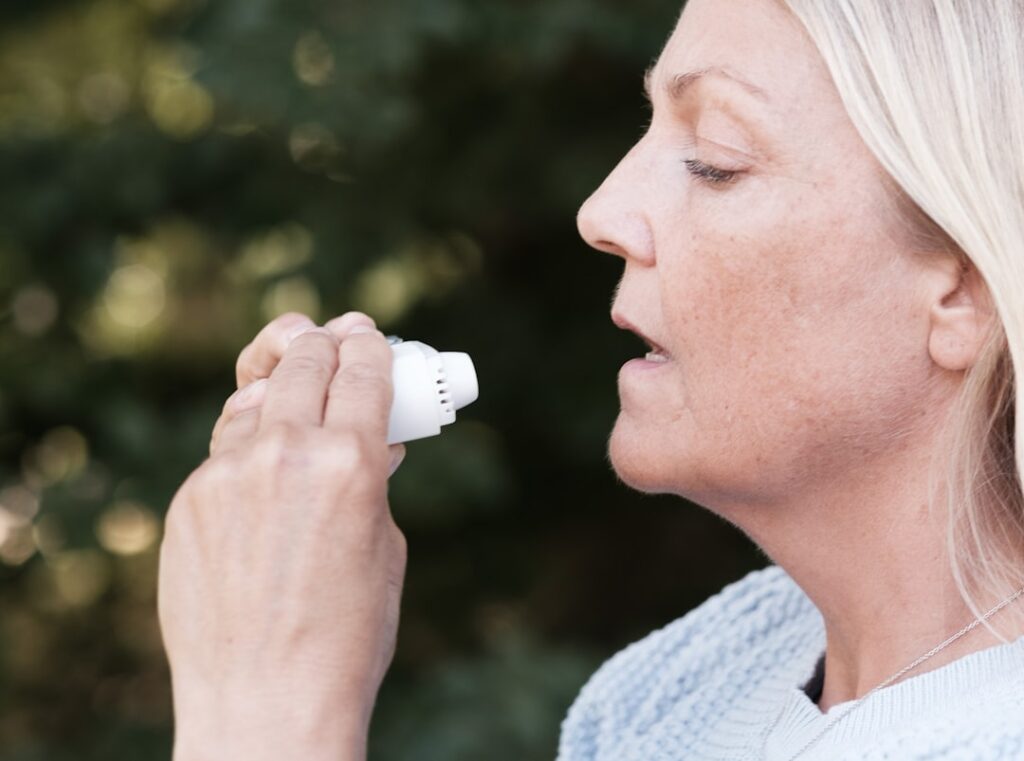
Most people with COVID-19 experience mild to moderate symptoms and can recover at home without hospitalization. If you have tested positive, knowing effective home remedies for COVID can help you manage symptoms, stay comfortable, and support your recovery. These home remedies for COVID focus on evidence-based symptom relief in line with guidance from the CDC and leading medical organizations. They are supportive measures, not a cure, and they do not replace medical care.
While home care is appropriate for most mild cases, it is essential to recognize the warning signs that require immediate medical attention. This guide covers what works, what to avoid, when antiviral treatment may be appropriate, and when to call your doctor or 911. For information about current symptoms and variants, see our article on symptoms of COVID in 2026. Always follow the directions on any medication label and check with your doctor or pharmacist before combining medicines, especially if you are pregnant, have chronic conditions, or take other prescriptions.
Call 911 or Go to the ER Immediately If You Have
- Trouble breathing or shortness of breath that does not ease with rest
- Persistent pain or pressure in the chest
- New confusion, or an inability to wake or stay awake
- Pale, gray, or blue-colored skin, lips, or nail beds
- A pulse-oximeter reading that is persistently low, especially below 90%
This list is not exhaustive. If a symptom feels severe or frightening, seek emergency care. Tell the operator or medical staff that the person has or may have COVID-19.
Rest and Recovery Basics
Rest is the most fundamental home remedy for COVID recovery. Your immune system requires significant energy to fight the virus, and pushing through with physical exertion can worsen symptoms and delay recovery. Current CDC respiratory-virus guidance advises staying home and away from others until, at a minimum, your symptoms have been improving overall for at least 24 hours and you have been fever-free for at least 24 hours without the use of fever-reducing medication. After that, the CDC recommends taking added precautions for the next several days, such as wearing a well-fitting mask, improving ventilation, distancing, and testing before being around others.
Sleep is particularly important. Research on acute viral infections has linked adequate sleep with better immune response, so aim for plenty of rest and take naps during the day as needed. Elevating your head with an extra pillow can help if congestion or coughing makes lying flat uncomfortable.
Isolate from other household members to reduce the chance of spreading the virus. Stay in a separate room if possible, use a separate bathroom, and wear a well-fitting mask when you must share space. Opening windows or running an air purifier improves ventilation in your recovery area, which further lowers transmission risk.
Hydration and Nutrition
Staying well hydrated is critical during any viral illness, and COVID is no exception. Fever, sweating, and reduced appetite can all lead to dehydration, which can worsen symptoms such as fatigue, headache, and dizziness. Health authorities recommend drinking plenty of fluids, including water, clear broths, herbal teas, and oral rehydration or electrolyte beverages if you are losing fluids.
Warm liquids can be especially soothing. Hot tea with honey can help calm a sore throat and cough, and reviews of upper-respiratory symptoms have found honey helpful for cough relief in adults and older children. Important safety note: never give honey to a child under 12 months of age because of the risk of infant botulism. Try to limit caffeinated and alcoholic beverages, which can contribute to dehydration.
Even if your appetite is reduced, try to eat nourishing foods when you can. Chicken soup, a time-honored comfort, provides fluids, sodium, and protein. A generally balanced diet with fruits, vegetables, and adequate protein supports your body while it recovers. Supplements are not a substitute for a balanced diet, and megadoses are not recommended (see below).
Over-the-Counter Medications
Several OTC medications can help manage specific COVID symptoms when used according to their labels. Acetaminophen (Tylenol) and ibuprofen (Advil, Motrin) can reduce fever and relieve body aches and headaches. Early in the pandemic there were concerns that ibuprofen might worsen COVID outcomes, but health authorities including the WHO have stated there is no good evidence supporting that concern, and both medicines are considered acceptable for symptom relief when used as directed. Do not exceed the maximum daily dose on the label, be aware that acetaminophen is present in many combination products, and check with a pharmacist if you take other medications or have liver, kidney, stomach, or heart conditions.
For cough and congestion, cough suppressants containing dextromethorphan may help a dry cough, while an expectorant such as guaifenesin can help loosen mucus. Nasal saline sprays and rinses relieve sinus congestion without medication and are gentle to use. Decongestant nasal sprays containing oxymetazoline (Afrin) can provide temporary relief but should not be used for more than three consecutive days to avoid rebound congestion.
Sore-throat measures include throat lozenges, warm salt-water gargles, and honey (for those over 12 months of age). Some people find that an antihistamine helps with post-nasal drip or nighttime symptoms. Always follow the label, and be cautious with combination cold-and-flu products so you do not unknowingly double up on the same active ingredient, such as acetaminophen.
Breathing and Respiratory Support
COVID can cause coughing, chest tightness, and shortness of breath. For mild respiratory symptoms, a few home strategies can help you stay comfortable, but they do not replace medical evaluation if you are struggling to breathe. Changing positions, including sitting upright or resting on your side, can ease breathing for some people. Some patients find that lying face down (prone positioning) feels easier, and it has been studied in hospital settings; if you try resting positions at home, stop and seek care if breathing does not improve.
Steam inhalation from a warm shower can help loosen mucus and soothe irritated airways, and a clean cool-mist humidifier can add moisture to dry indoor air, easing cough and throat irritation. Clean any humidifier regularly to prevent mold and bacterial growth. Take care with hot water and steam to avoid burns, and keep humidifiers away from young children.
If you have a pulse oximeter, you can monitor your blood-oxygen saturation at rest and during light activity. Readings around 95% or above are generally considered normal for most healthy adults, though pulse oximeters can be less accurate in some circumstances. Readings that are persistently below normal warrant a call to your healthcare provider, and readings below 90% are a medical emergency requiring immediate attention. Use the oximeter as one data point alongside how you actually feel, and never ignore severe breathing difficulty just because a reading looks acceptable.
Supplements and Natural Remedies
Several supplements have been studied in the context of COVID-19, with varying and often limited evidence. Vitamin D deficiency has been associated with worse outcomes in some observational studies, but supplementation has not been proven to treat COVID; maintaining adequate vitamin D for general health is reasonable, ideally guided by your clinician rather than by high-dose self-treatment.
Zinc has shown some antiviral activity in laboratory studies, and clinical trials in COVID have had mixed results; health authorities do not recommend zinc specifically to treat COVID. Very high zinc intake over time can cause side effects, including copper deficiency, so avoid megadoses. Vitamin C is widely used during viral illnesses and is generally considered safe in moderate amounts, though strong evidence of benefit specifically for COVID is lacking. Elderberry, echinacea, and other herbal remedies have not been studied enough in COVID to recommend, and some can interact with medications. In short, supplements should complement, not replace, proven care and clinician guidance, and you should not rely on unproven treatments.
Prescription Antiviral Treatment From Your Doctor
While this guide focuses on home symptom relief, it is important to know that prescription antiviral treatments exist for COVID-19 and can be very helpful for the right patients. Paxlovid (nirmatrelvir/ritonavir) is an oral antiviral that, for eligible higher-risk people, has been shown in clinical trials to substantially reduce the risk of hospitalization when started early after symptom onset; the real-world benefit varies and is greatest in those at higher risk. Other options your clinician may consider include molnupiravir (Lagevrio) and, in some settings, remdesivir (Veklury). We are intentionally not listing doses here, because antivirals must be prescribed and dosed by a clinician, who will check for drug interactions and other factors.
These treatments are generally intended for people at higher risk of severe COVID, which can include older adults and those with certain chronic conditions (such as diabetes, heart disease, lung disease, obesity, or immunocompromising conditions), as well as some who are unvaccinated or under-vaccinated. Timing matters: antivirals work best when started soon after symptoms begin, so if you test positive and think you may be higher risk, contact your doctor or a telehealth provider promptly rather than waiting to see how the illness unfolds. Only a clinician can determine whether an antiviral is appropriate and safe for you, including reviewing your other medications for interactions.
When to Contact a Doctor
Beyond the emergency red flags listed above, several situations warrant a call to your healthcare provider even if you are not in immediate danger. Contact a doctor if you have a high fever that does not respond to medication, if your symptoms worsen after initially improving (which can signal a secondary infection), if you have signs of significant dehydration such as very dark urine or dizziness when standing, or if your symptoms last beyond about 10 days without improvement.
High-risk individuals, including older adults and people with chronic or immunocompromising conditions, should contact their healthcare provider early in the illness even if symptoms seem mild, because early evaluation and possible antiviral treatment can help prevent complications. If you are pregnant, discuss any symptoms and medications with your clinician. For more health and wellness information, visit our wellness guide.
Frequently Asked Questions
How long does it take to recover from COVID at home?
Many people with mild to moderate COVID feel meaningfully better within one to two weeks, and some recover faster. Fatigue and cough can linger for several weeks after other symptoms resolve. If symptoms persist or new symptoms appear beyond about four weeks, talk with your doctor about the possibility of long COVID.
Can I take Tylenol and ibuprofen for COVID symptoms?
Acetaminophen (Tylenol) and ibuprofen work through different mechanisms, and some people use them for fever and pain. However, do not exceed the maximum daily dose of either, watch for acetaminophen hidden in combination products, and check with your pharmacist or doctor before combining them or if you take other medications or have underlying conditions. When in doubt, ask a professional rather than guessing at a schedule.
Should I exercise while recovering from COVID?
Avoid strenuous exercise during the acute phase of illness. Once your fever has resolved and symptoms are improving, you can gradually resume light activity as tolerated. If you experienced chest pain, unusual shortness of breath, or heart palpitations during your illness, talk with a doctor before returning to intense exercise, and stop and seek care if such symptoms recur.
Do home COVID tests still work with current variants?
Rapid antigen tests generally remain useful for detecting current COVID variants, though sensitivity can vary with timing and viral load. The FDA continues to monitor test performance. For the most accurate results, test after symptoms begin, follow the kit’s instructions, and repeat testing after an interval (commonly around 48 hours) if your first result is negative but symptoms persist. Check the expiration date, as many tests have had their shelf life extended.
Focus on What Works
Home remedies for COVID center on proven, supportive strategies: rest, hydration, sensible over-the-counter symptom relief, isolation to protect others, and vigilant monitoring for warning signs. Skip unproven “cures” and put your energy into approaches backed by medical evidence. If you are at higher risk for severe illness, contact your healthcare provider promptly to discuss antiviral treatment, and never hesitate to call 911 for the emergency symptoms described above. With appropriate care, most people recover fully at home.
The Bottom Line
- Supportive care, not a cure: rest, fluids, and label-directed OTC relief manage most mild cases at home.
- Emergency signs (call 911): trouble breathing, persistent chest pain/pressure, new confusion, inability to stay awake, or bluish lips/face.
- Antivirals: Paxlovid and others can help higher-risk people but must be started early and prescribed by a clinician; no self-dosing.
- Monitor and isolate: follow current CDC guidance, watch oxygen levels if you have a pulse oximeter, and contact a doctor if you are high-risk or symptoms worsen or return.
This article is for general educational purposes only and is not medical advice or a substitute for care from a qualified clinician. It does not include medication dosing. Guidance and treatments change; verify current recommendations at CDC.gov and consult your doctor, pharmacist, or 911 for emergencies about your specific situation.
Sources
- Centers for Disease Control and Prevention (cdc.gov) — COVID-19 prevention, treatment, and respiratory-virus guidance
- National Institutes of Health / MedlinePlus — COVID-19 information and supplements
- Mayo Clinic — COVID-19 self-care and when to seek emergency care
- U.S. Food and Drug Administration (FDA) — COVID-19 tests and authorized/approved treatments