
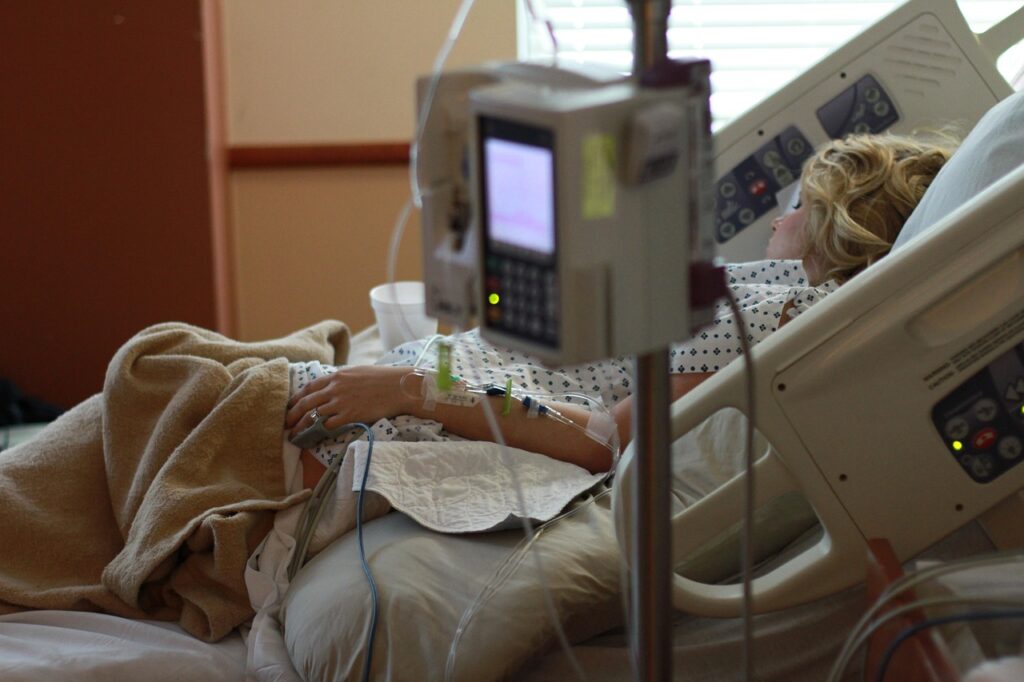
- South Dakotans can access affordable care through five main channels: FQHCs (sliding-scale), charitable free clinics, Indian Health Service and tribal health, hospital charity care, and Medicaid.
- Every FQHC must offer a sliding fee scale tied to the federal poverty level, and no one is turned away for inability to pay.
- South Dakota expanded Medicaid to adults up to 138% of the poverty level (effective July 2023); coverage is active now, though the state has begun preparing community-engagement/work requirements expected in 2027.
- Nonprofit hospitals must publish financial-assistance (charity care) policies — apply before paying a hospital bill, and you generally have at least 240 days to apply.
- Hours, services, and eligibility vary by site and change often — call ahead to confirm current hours, services, and eligibility before you go.
- For a medical emergency, call 911 or go to the nearest ER regardless of ability to pay; for a mental-health crisis, call or text 988.
——————————————————————————–
South Dakota’s healthcare safety net changed materially in July 2023, when the state’s voter-approved Medicaid expansion took effect, opening coverage to adults up to 138% of the federal poverty level. The state remains predominantly rural, with long distances between clinics, but the expansion — combined with a strong Indian Health Service presence — has improved access measurably. Free clinics in South Dakota — including federally qualified health centers, charitable volunteer clinics, and tribal health programs — help fill the gaps for the uninsured, the self- and gig-employed, and those still navigating enrollment. This guide explains each layer of the system and how to use it with little or no out-of-pocket cost. Because hours, services, and eligibility differ by site and change often, treat the specifics below as a starting point and call ahead to confirm current hours, services, and eligibility.
Types of free and low-cost clinics in South Dakota
South Dakotans typically access affordable care through five channels: FQHCs and FQHC look-alikes (sliding-scale), charitable free clinics (often affiliated with the NAFC), the Indian Health Service and tribal health programs, hospital charity care under ACA §501(r), and South Dakota Medicaid (expanded in 2023). Many residents use more than one — for example, an FQHC primary care visit followed by a charity-care application at a Sanford, Avera, or Monument hospital for downstream imaging or specialty care.
The healthcare costs guide compares these public options with cash-pay primary care and high-deductible insurance plans.
FQHCs in South Dakota
South Dakota has a small but important network of HRSA-funded FQHCs — including Falls Community Health, Horizon Health Care, and other community health centers — operating dozens of delivery sites across the state. Federal rules require every FQHC to charge on a sliding scale tied to the HHS Poverty Guidelines. For 2026, the federal poverty level is about $15,960 for a single person and $33,000 for a family of four in the 48 contiguous states; sliding-fee tiers are calculated as percentages of these figures. The simplest national locator is HRSA’s findahealthcenter.hrsa.gov.
FQHCs in South Dakota generally offer primary care, behavioral health, prenatal care, pediatrics, dental, and 340B-discounted pharmacy, though the exact services vary by location. Visit fees in the lowest income tier are often modest — commonly in the range of $0 to $35 — but the current fee schedule and available services differ by site, so call the specific center to confirm.
NAFC and free volunteer-staffed clinics in South Dakota
South Dakota has a smaller charitable free-clinic network than many states, but several volunteer clinics in Sioux Falls, Rapid City, and other communities serve uninsured adults, often up to around 200% FPL. The National Association of Free & Charitable Clinics directory at nafcclinics.org lists member clinics nationwide.
These clinics typically operate on volunteer-physician hours and may offer primary care, chronic disease management, basic labs, and sometimes dental or behavioral health. Hours are often limited and eligibility rules vary, so call ahead to confirm current hours, services, and eligibility before making a trip.
IHS and tribal health
South Dakota is home to nine federally recognized tribes, and the Indian Health Service operates facilities serving the Pine Ridge, Rosebud, Standing Rock, Cheyenne River, and other reservations. Many tribes have moved to self-governance compacts and run their own clinics. Care at IHS or tribal facilities is generally available at no cost to eligible enrolled tribal members. Some sites also operate FQHC programs that can serve non-Native residents on a sliding scale — confirm eligibility with the specific facility, as arrangements differ from site to site.
Hospital charity care under ACA §501(r)
Every nonprofit hospital in South Dakota — including Sanford Health, Avera Health, and Monument Health — must publish a financial-assistance (charity care) policy under Section 501(r). Many South Dakota nonprofit hospitals offer free care up to around 200% FPL and discounted care up to roughly 400% FPL, though the exact thresholds vary by hospital, so check each hospital’s current policy. The IRS rules are summarized on the 501(r) page.
Apply for charity care before paying any hospital bill. Under federal rules, hospitals generally must accept financial-assistance applications for at least 240 days after the first post-discharge billing statement.
South Dakota Medicaid and CHIP
South Dakota Medicaid covers adults up to 138% FPL (expansion took effect July 1, 2023, following voter approval in November 2022), along with children through CHIP, pregnant women, seniors, and people with disabilities. Children’s coverage extends to higher income levels than adult coverage, but the exact CHIP income limit changes over time — verify the current threshold when you apply. Apply at dss.sd.gov/medicaid or by phone through the Department of Social Services.
One change to watch: in November 2024, South Dakota voters approved a constitutional amendment (Amendment F) allowing the state to impose work or “community engagement” requirements on the Medicaid expansion population. As of the date shown, there are no active work requirements — coverage is available now — but South Dakota’s Department of Social Services has indicated it expects to begin community-engagement requirements for some expansion enrollees around January 1, 2027, with notices to affected enrollees beginning in 2026. Any requirement must be approved federally and would include exemptions (for example, for pregnancy, caregiving, or disability). Check dss.sd.gov for the current status before assuming a requirement applies to you.
If your income exceeds the Medicaid limit, the federal Marketplace at healthcare.gov offers subsidized plans, and low- or $0-premium silver plans are common for many lower-income enrollees. Marketplace subsidy amounts depend on income and can change year to year, so compare plans during open enrollment or a qualifying special enrollment period.
How to find a clinic near you
Three searches cover most cases: HRSA’s findahealthcenter.hrsa.gov, the NAFC directory, and 211 (which covers most US ZIP codes) by dialing 2-1-1 or visiting 211.org. For tribal residents, the IHS Great Plains Area office can direct you to the nearest IHS or tribally operated facility. Whichever you use, call the clinic directly to confirm current hours, services, and eligibility before you go — directory information can lag behind real-world changes.
For predictable primary care outside the safety net, some South Dakotans use direct primary care memberships — flat monthly fees (often roughly $50–$90) for unlimited visits and discounted labs. Availability is limited in rural areas, so check what exists near you.
What to bring to a visit
Bring a photo ID, proof of South Dakota residency (a utility bill or lease), proof of household income (pay stubs, a Social Security or unemployment letter, or a self-attestation if you have no documentation), a list of your medications, and any prior records. At an FQHC, ask for the sliding-fee schedule and a South Dakota Medicaid application — many clinics have certified application counselors on site who can help you enroll.
When to seek emergency care: Free clinics, FQHCs, and sliding-scale clinics are not equipped to handle medical emergencies. Call 911 or go to the nearest emergency room if you experience chest pain, signs of stroke, severe difficulty breathing, severe bleeding, a head injury with loss of consciousness, or a mental-health crisis (call or text 988). Federal law (EMTALA) requires emergency rooms to provide a screening exam and stabilize emergency conditions regardless of your ability to pay, and ACA §501(r) charity care can apply to ER bills at nonprofit hospitals.
Frequently asked questions
Are free clinics in South Dakota really free?
NAFC charitable clinics typically charge nothing for qualifying uninsured patients, though eligibility rules vary by clinic. FQHCs use a sliding scale with the lowest tier often as low as $0 to $35, and no one is turned away for inability to pay. IHS facilities are generally free for eligible enrolled tribal members. Call any specific clinic to confirm its current fees and eligibility.
Did South Dakota expand Medicaid?
Yes. Voters approved expansion in November 2022, and it took effect July 1, 2023. Adults up to 138% FPL now qualify for South Dakota Medicaid regardless of whether they have children at home. Note that a 2024 amendment allows the state to add community-engagement/work requirements in the future; check dss.sd.gov for the current rules.
What if I live near North Dakota, Minnesota, Wyoming, Montana, Iowa, or Nebraska?
FQHCs serve patients across state lines, though Medicaid is state-specific. See our guides to North Dakota, Minnesota, and Nebraska free clinics for neighboring options.
Can non-Native patients use IHS or tribal clinics?
IHS facilities primarily serve eligible enrolled tribal members. Some tribally operated clinics that hold FQHC status can serve non-Native patients on a sliding scale — confirm with the specific facility, since policies differ.
Does South Dakota Medicaid cover dental?
South Dakota Medicaid covers comprehensive pediatric dental and limited adult dental; covered adult services can change, so verify current benefits. FQHCs often help fill the gap on a sliding scale.
Quick summary: South Dakota offers several paths to affordable care — sliding-scale FQHCs, charitable free clinics, Indian Health Service and tribal health, nonprofit-hospital charity care, and Medicaid (expanded to 138% of the poverty level in 2023 and active now, with community-engagement requirements expected around 2027). Sliding fees are tied to the federal poverty level, which for 2026 is about $15,960 for one person and $33,000 for a family of four. Hours, services, and eligibility vary by site and change often, so always call ahead to confirm current hours, services, and eligibility. This article is general information, not medical, legal, or benefits advice; for emergencies, call 911, and for a mental-health crisis, call or text 988.
Getting care you can afford in South Dakota
South Dakota’s expanded Medicaid program changed the landscape, but the rural geography still makes access uneven. If you might qualify for Medicaid (under 138% FPL), start at dss.sd.gov. If you are above the limit or in transition, contact the nearest FQHC and ask about a sliding-scale visit plus an enrollment check. If you are an eligible tribal member, your local IHS or tribal clinic is usually the best starting point. And for hospital bills, always request the §501(r) charity-care application before paying. The system rewards persistence — and calling ahead to confirm hours, services, and eligibility saves wasted trips. Most South Dakotans who push for the right paperwork can get care with little or no out-of-pocket cost.
Sources
- HHS ASPE — 2026 HHS Poverty Guidelines (federal poverty level amounts).
- HRSA — Find a Health Center; FQHC sliding-fee-scale requirements.
- South Dakota Department of Social Services — Medicaid eligibility, expansion, and community-engagement requirements timeline (dss.sd.gov/medicaid).
- KFF and healthinsurance.org — South Dakota Medicaid expansion status and the 2024 Amendment F.
- IRS — Section 501(r) charitable-hospital requirements; National Association of Free & Charitable Clinics (nafcclinics.org).
This article is general information, not medical, legal, or benefits advice. Programs, income limits, hours, and eligibility change; confirm current details with each clinic or agency before relying on them.