
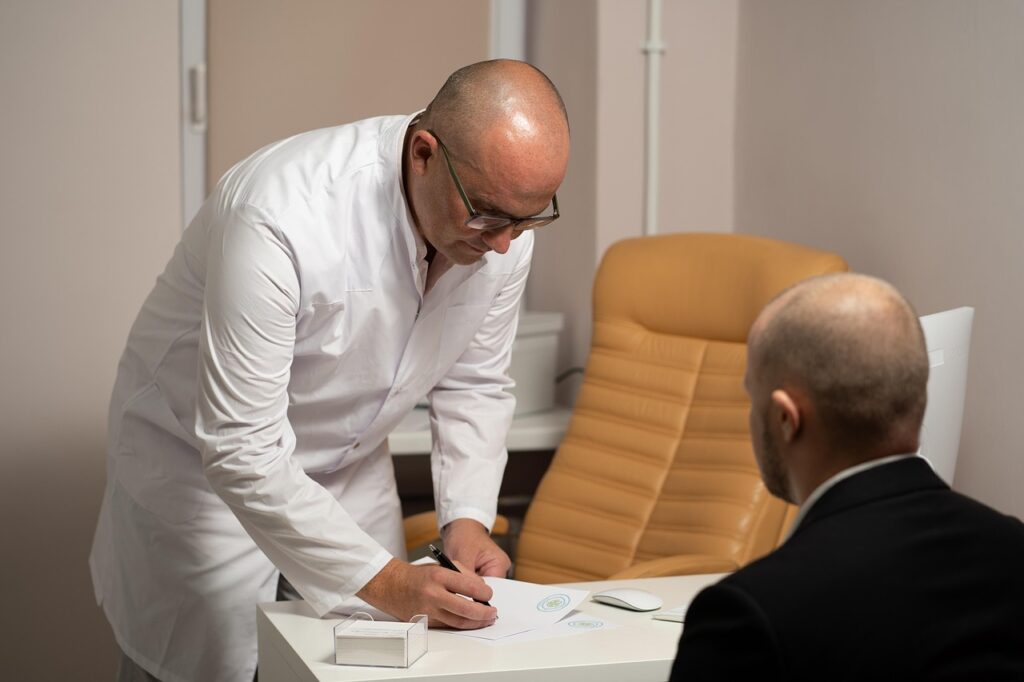
Iowa expanded Medicaid in 2014 under the Iowa Health and Wellness Plan, later transitioning to the broader IA Health Link managed care system. Combined with hawk-i (the state’s CHIP program) and a strong rural FQHC network, Iowa keeps its uninsured rate below the national average. Even so, plenty of Iowans face affordability gaps — between jobs, in remote rural counties, or when sudden bills outpace a paycheck. Free clinics in Iowa, federally qualified health centers, sliding-scale practices, and hospital charity care all help fill the gap. This guide walks through each option for residents from Des Moines to the Quad Cities to the rural west, and it is general information rather than medical, legal, or benefits advice — verify current eligibility and hours directly with the programs before you rely on any figure here.
When to seek emergency care: Free clinics, FQHCs, and sliding-scale clinics are not equipped to handle medical emergencies. Call 911 or go to the nearest emergency room if you experience chest pain, signs of stroke, severe difficulty breathing, severe bleeding, head injury with loss of consciousness, or a mental health crisis (call or text 988). Federal law (EMTALA) requires emergency rooms to stabilize you regardless of your ability to pay, and ACA §501(r) charity care can apply to ER bills at nonprofit hospitals.
Types of free and low-cost clinics in Iowa
Iowa’s safety-net providers fall into four categories. FQHCs are HRSA-funded community health centers that serve everyone on a sliding scale. Volunteer-run free clinics affiliated with the National Association of Free & Charitable Clinics serve uninsured patients below specific income limits. Sliding-scale and faith-based primary care clinics charge based on what you can afford. Nonprofit hospitals must provide charity care under ACA §501(r).
Each lane has its own paperwork and eligibility rules, and the right starting point depends on whether you are uninsured, between plans, or simply facing a bill you cannot pay. A quick rule of thumb: if you might qualify for Medicaid or hawk-i, apply there first because it is the broadest coverage; if you are uninsured and need ongoing primary care, an FQHC is usually the most reliable option statewide; and if you need a specific service like dental or chronic-disease management for free, a volunteer charitable clinic may be the best fit. Our healthcare costs guide covers the broader landscape of paying for care without insurance.
Federally Qualified Health Centers (FQHCs) in Iowa
Iowa has a robust FQHC network, particularly important in rural counties where private practice access is limited. Major systems serve Des Moines, Cedar Rapids, the Quad Cities, Sioux City, and rural communities. By federal rule, FQHCs must accept all patients regardless of insurance status and charge on a sliding scale tied to the HHS Poverty Guidelines. For 2026, the federal poverty level is $15,960 for a single adult and $33,000 for a family of four in the 48 contiguous states, with sliding-scale discounts typically extending up to 200 percent of FPL. (These thresholds are updated every January, so confirm the current figure when you apply.)
Services include adult and pediatric primary care, prenatal care, dental, behavioral health, substance use counseling, and 340B pharmacy programs that can sharply lower prescription costs. The Iowa Primary Care Association represents the state’s community health centers and can help you find a member site. Telehealth is widely available — particularly important for the state’s many rural patients who may be an hour or more from the nearest clinic. Because an FQHC bills a sliding-scale fee rather than turning uninsured patients away, it is often the single most dependable option for continuous primary care in Iowa.
NAFC and free volunteer-staffed clinics in Iowa
Iowa has a meaningful free clinic network, with volunteer clinics in Des Moines, Iowa City, Cedar Rapids, Davenport, Sioux City, and many smaller communities. They typically serve uninsured adults below 200 percent of FPL using volunteer physicians, nurses, dentists, and pharmacists. Some focus on dental care or chronic disease management, and many can help patients enroll in prescription assistance programs for insulin, blood-pressure, and other maintenance medicines.
Faith-based clinics and student-run clinics affiliated with the University of Iowa Carver College of Medicine and Des Moines University also serve uninsured patients. The NAFC clinic locator lists accredited member clinics. Hours vary; many free clinics open only one or two evenings a week and may require an appointment or a brief eligibility screening, so call ahead before visiting rather than assuming walk-in availability.
Hospital charity care under ACA §501(r)
Hospital bills are a major driver of medical debt in Iowa, particularly in rural counties where critical-access hospitals serve large catchment areas. Under ACA §501(r), every nonprofit hospital must publish a written financial assistance policy and limit charges for charity-eligible patients to amounts generally billed to insured patients. Most Iowa nonprofit hospitals set their thresholds between 200 and 400 percent of FPL, and many offer partial discounts on a sliding scale above the free-care line.
Apply by requesting a financial assistance application from the hospital’s billing office, providing proof of income, residency, and household size. UnityPoint Health, MercyOne, and University of Iowa Hospitals & Clinics all publish financial assistance policies online. Apply early — most policies allow retroactive applications, but some have time limits, and submitting before a bill goes to collections protects your credit. If a bill is already in collections, you can still ask the hospital to reconsider you for charity care; the deadline is set by the policy, not by the collection agency.
Iowa Medicaid (IA Health Link) and hawk-i
Iowa’s Medicaid program operates through IA Health Link, the state’s managed care delivery system. Because Iowa is a Medicaid-expansion state (the expansion originally ran as the Iowa Health and Wellness Plan), it covers adults up to 138 percent of FPL, plus children, pregnant women, parents, seniors, and people with disabilities. hawk-i is the state’s CHIP program, covering children in households that earn too much for Medicaid up to roughly 300 percent of FPL. Income limits are indexed and can change, so use the official eligibility screener rather than a rule of thumb.
You can apply through the Iowa HHS online portal, by phone, or in person at a local office. Coverage typically includes primary care, hospital care, prescriptions, behavioral health, and dental for children. If you are just above the Medicaid limits, note an important 2026 change: the enhanced ACA marketplace subsidies enacted in 2021 were scheduled to expire at the end of 2025 and, as of early 2026, had not been extended at the federal level (verify the current rules on HealthCare.gov, since this remains a moving policy target). If that expiry stands, marketplace premiums for many Iowans are higher than in recent years, which makes FQHC sliding-scale care and free clinics more valuable while you sort out coverage. A direct primary care membership can also pair well with a higher-deductible plan for predictable primary-care costs.
How to find a clinic near you in Iowa
HRSA’s Find a Health Center tool maps every federally funded health center in Iowa — enter your ZIP code to see the nearest FQHC and satellite sites. The NAFC directory lists volunteer free and charitable clinics. Calling or texting 211 Iowa connects you to local social services and clinic referrals, including help with food, housing, and utility assistance that often accompany a health crisis. The Iowa Department of Health and Human Services and county public health departments provide immunizations, family planning, STI testing, and other public health services on a sliding scale.
When you call, confirm three things before you go: whether the clinic is currently accepting new patients, what income documentation the intake staff need, and whether you need an appointment. Hours and eligibility rules change, and a two-minute call saves a wasted trip. For neighboring states, see our guides to free clinics in Illinois, free clinics in Missouri, free clinics in Nebraska, and free clinics in Minnesota.
What to bring to a free or low-cost clinic visit
Bring a photo ID, proof of household income (pay stubs, a recent tax return, or a self-attestation if no documentation exists), proof of Iowa residency, and any insurance cards. Have a written list of current medications with dosages and any prior medical records — labs, imaging, and discharge summaries help at intake. For dependents, bring birth certificates and immunization records. If you are applying for a sliding-scale fee, the more complete your income documentation, the more likely you land in the lowest fee tier.
FQHCs are required to provide interpreter services at no charge under federal civil rights rules. Spanish-language access is widely available; many clinics also serve Bosnian, Burmese, Vietnamese, Swahili, and other languages depending on the community. If you need an interpreter, say so when you schedule so the clinic can arrange one for your visit.
Prescription and dental help through the safety net
Cost of care does not end at the exam-room door. Many Iowa FQHCs run 340B pharmacies that discount medications for eligible patients, and clinic staff can often connect you to manufacturer patient-assistance programs for expensive drugs like insulin and inhalers. For dental care — one of the hardest services to find for free — FQHC dental clinics, dental-school clinics at the University of Iowa, and select charitable clinics offer cleanings, fillings, and extractions on a sliding scale. Ask specifically about dental when you call, because not every site offers it, and dental slots often book out further than medical ones.
Frequently Asked Questions
Are FQHCs really free in Iowa?
FQHCs charge on a sliding scale rather than free across the board. Patients well below the federal poverty level may pay a nominal fee of $20 to $35 per visit, and some sites waive the fee entirely for the lowest income tier. Bring income documentation to intake so the clinic can place you in the correct fee bracket.
Can undocumented immigrants use FQHCs and free clinics in Iowa?
Yes. FQHCs serve patients regardless of immigration status, do not require a Social Security number, and are focused on providing care rather than checking immigration paperwork. Most NAFC free clinics do the same. IA Health Link (Medicaid), by contrast, generally requires a qualifying immigration status, so for many undocumented residents an FQHC or free clinic is the primary option.
What’s the difference between IA Health Link and the Iowa Health and Wellness Plan?
The Iowa Health and Wellness Plan was the original Medicaid expansion program, with separate rules for the expansion population. It has since been folded into IA Health Link, the unified managed care delivery system, though some legacy program rules persist. Day to day, most enrollees just need to know they’re in IA Health Link and which managed care organization runs their plan.
Does Iowa have Medicaid expansion?
Yes. Iowa expanded Medicaid in 2014, originally as the Iowa Health and Wellness Plan and now within IA Health Link, covering adults up to 138 percent of FPL. Per KFF, expansion has reduced Iowa’s uninsured rate substantially. Because expansion is in place, many working Iowans qualify for Medicaid without realizing it — it is worth running the eligibility screener even if you were denied years ago.
What about Iowa’s rural areas without a nearby FQHC?
Most Iowa FQHCs operate satellite or seasonal sites and offer telehealth visits for routine concerns. Rural Health Clinics (a separate HRSA designation) also operate in many rural counties under cost-based Medicare reimbursement. Critical-access hospitals often have outpatient sliding-scale services as well. Check the HRSA locator for both FQHC and RHC sites near you, and ask about telehealth to avoid a long drive for follow-ups.
I earn too much for Medicaid but can’t afford a marketplace plan. What now?
This is a common gap in 2026, especially if the enhanced marketplace subsidies expired as scheduled. First, still check HealthCare.gov — even the standard (non-enhanced) premium tax credit may make a plan affordable, and eligibility rules can change. In the meantime, an FQHC sliding-scale visit usually costs far less than an unsubsidized office visit, and free clinics can cover specific needs. Do not skip needed care while you sort out coverage; the safety net exists precisely for this situation.
Getting care you can afford in Iowa
Iowa’s Medicaid expansion through IA Health Link, hawk-i for kids, and a strong rural FQHC network give residents real options for affordable care. Start with IA Health Link or hawk-i eligibility — many people who think they’re outside the limits actually qualify. If you’re above Medicaid, an FQHC sliding-scale visit usually beats an unsubsidized marketplace plan for occasional primary care, and free clinics fill specific dental and chronic-disease needs. Apply for hospital charity care before bills hit collections; §501(r) protections work, but only if you submit the paperwork. And with the enhanced ACA subsidies set to lapse for 2026, it is worth re-checking every option this year rather than assuming last year’s answer still holds.
Iowa expanded Medicaid, so check IA Health Link and hawk-i first — many people qualify without realizing it. If you are uninsured, an FQHC serves everyone on a sliding scale regardless of immigration status; volunteer free and charitable clinics cover specific needs; and nonprofit hospitals must offer charity care under ACA §501(r). Find care through HRSA Find a Health Center, the NAFC locator, or 211 Iowa. This article is general information, not medical, legal, or benefits advice. Eligibility rules, income limits, and the status of enhanced ACA subsidies change — verify current details with Iowa HHS and HealthCare.gov before you rely on any figure here.