
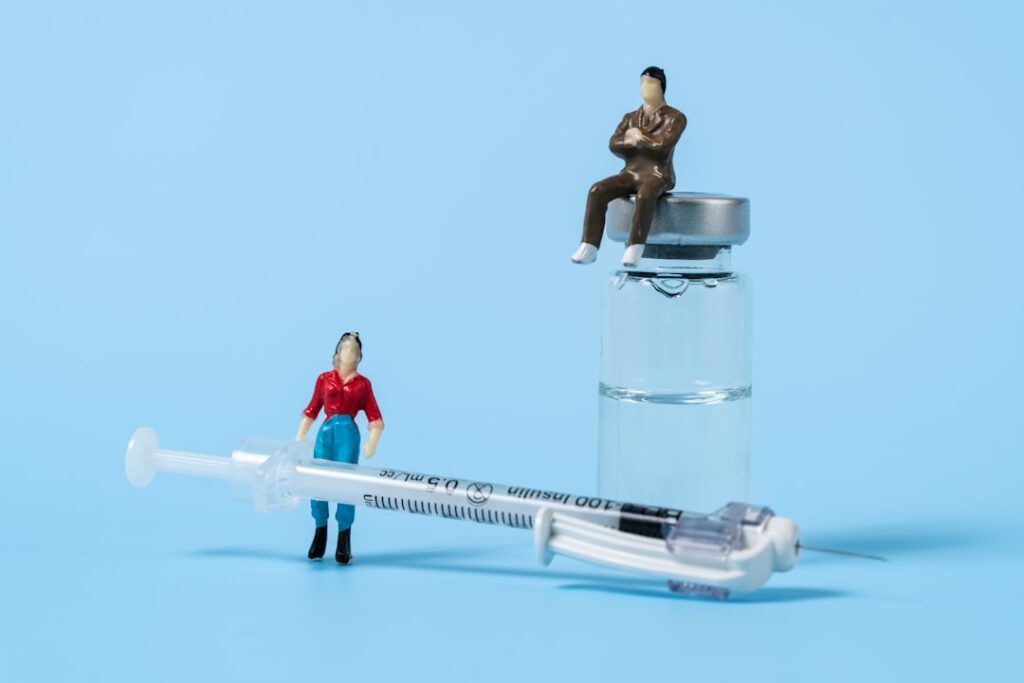
Mounjaro (tirzepatide) has become one of the most talked-about medications in the incretin class, and many people who take it discover that what they eat matters almost as much as the injection itself. Knowing the foods to avoid when taking Mounjaro can meaningfully reduce the nausea, bloating, and gastrointestinal distress that lead some patients to struggle through dose increases. Just as important, understanding a few core safety warnings can help you recognize when a symptom is more than an ordinary side effect.
A note on names and uses: Mounjaro is the brand of tirzepatide approved to improve blood sugar in adults with type 2 diabetes. The same active ingredient is sold under the brand Zepbound for chronic weight management. Both work by activating GIP and GLP-1 receptors, which slows gastric emptying, increases fullness, and improves how the body handles glucose. That slowed digestion is central to how the medication works — but it also means food sits in your stomach longer than usual, making certain dietary choices far more likely to trigger discomfort. This article is general education, not medical advice, and it does not cover drug dosing; follow the instructions from your own prescriber.
How Mounjaro Affects Your Digestion
Understanding the mechanism behind Mounjaro’s gastrointestinal effects helps explain why certain foods become problematic. Tirzepatide slows the rate at which food moves from your stomach into your small intestine. According to the FDA prescribing information available through DailyMed, this delayed gastric emptying is closely tied to both the medication’s appetite-reducing effect and its most common side effects: nausea, vomiting, diarrhea, constipation, and abdominal pain.
When your stomach empties more slowly, foods that are already hard to digest — fatty meals, large portions, fried items — become even more challenging. They can linger in the stomach for extended periods, generating gas and a heavy, over-full feeling. This is why dietary adjustments are not just helpful but often practical necessities for tolerating the medication, particularly during the dose-escalation phase when side effects tend to peak.
Foods and Drinks to Avoid or Limit
High-Fat and Fried Foods
Greasy, fatty foods are among the biggest triggers for nausea and vomiting on Mounjaro. Fat is already the slowest macronutrient to digest, and when combined with tirzepatide’s gastric-slowing effect, the result is food that lingers in your stomach for hours. Fried chicken, French fries, pizza, creamy pasta sauces, fatty cuts of red meat, and typical fast-food meals are among the most common offenders. Many patients report that a single high-fat meal can trigger nausea that lasts well into the next day.
This does not mean you must eliminate all fat. Healthy fats in moderate portions — a little olive oil, a few slices of avocado, a small handful of nuts — are usually well tolerated. The issue is volume and type. A meal where fat is the dominant component is far more likely to cause problems than one where fat plays a supporting role.
Very Sugary Foods and Drinks
Because Mounjaro is prescribed to help manage type 2 diabetes, very high-sugar foods are counterproductive from both a metabolic and a digestive standpoint. Sugary desserts, candy, regular soda, sweetened juices, pastries, and ice cream can drive blood-sugar swings that the medication is working to smooth out. They can also worsen nausea and, in some people, contribute to dumping-syndrome-like symptoms, where a rapid rush of sugar into the gut triggers cramping, diarrhea, and sweating.
Carbonated Beverages
Sodas, sparkling water, and other carbonated drinks introduce gas into a digestive system that is already moving slowly. That extra gas has nowhere to go quickly, leading to bloating, belching, and abdominal distension. Many Mounjaro users find that switching mostly to still water, herbal tea, or fruit-infused water noticeably reduces discomfort. If you enjoy carbonation, try small amounts and avoid drinking it with meals.
Spicy Foods
Capsaicin and other spicy compounds can irritate the stomach lining, and when the stomach is emptying slowly, that irritation is prolonged. Hot peppers, spicy sauces, and heavily seasoned dishes may trigger or worsen nausea, heartburn, and stomach pain for some people. Milder seasoning with herbs like basil, oregano, and thyme is a gentler alternative during dose escalation.
Large Meal Portions
Portion size matters as much as food selection. One of the most important foods to avoid when taking Mounjaro might be better described as “meals to avoid” — specifically, large ones. Since your stomach empties more slowly, it fills up faster and stays full longer. Eating past the point of comfortable fullness almost guarantees nausea. Many patients find that eating smaller meals more frequently through the day, rather than a few large ones, reduces side effects considerably. Eat slowly, and stop when you feel satisfied rather than stuffed.
Alcohol
Alcohol poses several concerns for Mounjaro users. It can worsen nausea and other GI side effects, and it can lower blood sugar — a particular risk if you also take insulin or a sulfonylurea, combinations that raise the chance of hypoglycemia. Alcohol adds empty calories and can cloud judgment around food choices. Because Mounjaro slows gastric emptying, alcohol may also be absorbed less predictably. The National Institute of Diabetes and Digestive and Kidney Diseases advises caution with alcohol for people managing diabetes; if you drink, do so in moderation and discuss it with your care team.
Important Safety Warnings to Know
Diet can ease everyday side effects, but a few symptoms are not ordinary and deserve prompt attention. None of this replaces your prescriber’s guidance — it is here so you can recognize red flags early.
Pancreatitis: A Symptom That Warrants Urgent Care
Inflammation of the pancreas (pancreatitis) has been reported with medications in this class. The classic warning sign is severe, persistent abdominal pain — often felt in the upper belly and radiating through to the back — that may come with nausea and vomiting. This is different from the mild, food-related nausea most people experience. If you develop severe or unrelenting stomach pain, stop taking the medication and seek medical care right away; if symptoms are severe or you feel very unwell, call 911 or go to the nearest emergency room. Do not “wait it out.”
Thyroid Tumor Boxed Warning
Tirzepatide carries an FDA boxed warning — the agency’s most serious — based on animal studies showing thyroid C-cell tumors. It should not be used by people who have a personal or family history of medullary thyroid carcinoma (MTC) or the genetic condition multiple endocrine neoplasia syndrome type 2 (MEN 2). Tell your prescriber if you notice a lump or swelling in the neck, hoarseness, trouble swallowing, or shortness of breath.
Low Blood Sugar and Gallbladder Issues
By itself, Mounjaro has a lower risk of causing hypoglycemia, but the risk rises when it is combined with insulin or sulfonylureas; your prescriber may adjust those other medications. Medications in this class have also been associated with gallbladder problems. Seek care for symptoms such as sustained upper-right abdominal pain, fever, yellowing of the skin or eyes, or pale stools.
Foods That Are Safe and Recommended
A Mounjaro-friendly eating pattern emphasizes lean proteins, non-starchy vegetables, whole grains in moderate portions, and steady hydration. These foods are easier to digest, less likely to trigger nausea, and supportive of the metabolic improvements the medication provides.
Lean proteins are particularly important because Mounjaro’s appetite suppression can inadvertently reduce protein intake, which may contribute to muscle loss during rapid weight change. Good options include chicken breast, turkey, fish, shrimp, eggs, Greek yogurt, and cottage cheese. Non-starchy vegetables — salads, steamed broccoli, roasted zucchini, cucumbers, green beans, and bell peppers — provide fiber and nutrients without adding much digestive burden.
Complex carbohydrates like brown rice, quinoa, oatmeal, and sweet potatoes in reasonable portions are generally well tolerated and provide steady energy. Staying well hydrated is critical: nausea, vomiting, and diarrhea can lead to dehydration, which in turn worsens nausea and constipation. Sip fluids throughout the day, and increase your intake if you have been vomiting or have loose stools. For broader dietary strategies, our wellness guide provides additional evidence-based nutrition information.
Tips for Managing GI Side Effects Through Diet
Beyond avoiding specific foods, a few practical eating strategies can make a noticeable difference. Eat slowly and chew thoroughly — rushing increases the amount of air you swallow and makes it harder for your stomach to process food. Stop eating when you feel satisfied, not full; that distinction becomes much more important when gastric emptying is delayed.
Keep bland, easy-to-digest foods on hand for days when nausea is challenging. Crackers, plain toast, broth-based soups, applesauce, and plain rice are gentle on the stomach. Ginger — as ginger tea or ginger chews — has some evidence for easing nausea and is a favorite fallback for many patients.
If side effects are severe, persistent, or keeping you from eating and drinking, contact your prescriber rather than changing your dose on your own. Side effects are typically most noticeable during the first weeks at each new dose level and often ease as your body adjusts.
Nutritional Considerations for Long-Term Use
As Mounjaro reduces appetite, getting adequate nutrition from smaller volumes of food becomes a priority. Protein is the most important macronutrient to protect, since low intake during rapid weight loss can contribute to muscle loss, hair thinning, and fatigue. General guidance often cites a baseline of about 0.8 grams of protein per kilogram of body weight per day, though many clinicians suggest higher targets for people losing weight on incretin medications; your dietitian or physician can personalize this.
Vitamin and mineral gaps can also develop when overall intake drops. Many people benefit from a daily multivitamin, with particular attention to vitamin D, calcium, iron, and B12 depending on lab results. Note that any “mg” or “gram” figures here refer to nutrients and food, not to drug dosing — medication dosing is set only by your prescriber. If you are managing diabetes alongside weight change, our article on direct primary care for diabetes covers how DPC membership can support more consistent monitoring.
Frequently Asked Questions
How long do food-related side effects last on Mounjaro?
Many patients notice the most GI side effects during the first weeks at each dose level. As the body adjusts, nausea and digestive discomfort often diminish. Trigger foods — especially high-fat and fried items — may continue to cause problems throughout treatment, so most people keep some dietary habits long term. If side effects stay severe, talk with your prescriber.
Can I eat dairy while taking Mounjaro?
Many people tolerate dairy in moderate amounts. Lower-fat options like Greek yogurt, cottage cheese, and skim milk are often well received and provide protein. Full-fat dairy such as heavy cream, whole milk, and rich cheeses is more likely to trigger nausea because of the higher fat content. Start with small portions and see how your body responds.
Should I eat before or after my Mounjaro injection?
Mounjaro can be taken with or without food, and there is no strict timing requirement relative to meals. Some patients find that a light, protein-rich meal helps them feel steadier, and many prefer to avoid large or fatty meals around injection day. Follow the specific directions your prescriber gives you.
Why does Mounjaro make me feel so full after eating small amounts?
This is a direct result of delayed gastric emptying, which is part of how the medication curbs appetite. Your stomach passes food through more slowly, so it stays fuller for longer after even modest meals. Eating smaller, more frequent meals is the most effective way to adapt.
The Bottom Line
The most important foods to avoid when taking Mounjaro are high-fat and fried foods, very sugary items, carbonated drinks, excessively spicy dishes, and oversized meal portions. Alcohol should be approached with caution, especially alongside insulin or sulfonylureas. Focusing on lean proteins, non-starchy vegetables, moderate whole grains, and consistent hydration supports both the medication’s effectiveness and your day-to-day comfort. Side effects tend to improve over time, and smart dietary choices can ease that adjustment. Work with your prescribing doctor or a registered dietitian to build an eating plan that fits you.
TL;DR: To feel better on Mounjaro (tirzepatide), limit high-fat/fried foods, very sugary foods and drinks, carbonation, and large portions; eat smaller, slower meals; go easy on alcohol; and stay hydrated. Lean protein and non-starchy vegetables are your friends. Diet supports the medication but never replaces your prescriber’s instructions, and this article does not provide drug dosing.
This content is for general education only and is not medical advice. Mounjaro is a prescription medication; do not start, stop, or change your dose based on this article. Talk with your prescriber or pharmacist about your specific situation.
When to get emergency help: Call 911 or go to the nearest emergency room for severe, persistent abdominal pain that spreads to your back with nausea or vomiting (possible pancreatitis), signs of a severe allergic reaction (trouble breathing, swelling of the face or throat), or symptoms of dangerously low blood sugar such as confusion, fainting, or seizures. Do not delay care to “wait out” severe symptoms.
Sources
- FDA Prescribing Information / DailyMed — tirzepatide (Mounjaro), including boxed warning, pancreatitis, hypoglycemia, and gallbladder warnings
- Mayo Clinic — tirzepatide drug information and type 2 diabetes diet guidance
- Cleveland Clinic — GLP-1/incretin medications and pancreatitis
- National Institute of Diabetes and Digestive and Kidney Diseases (NIDDK) — diabetes, diet, and alcohol guidance