
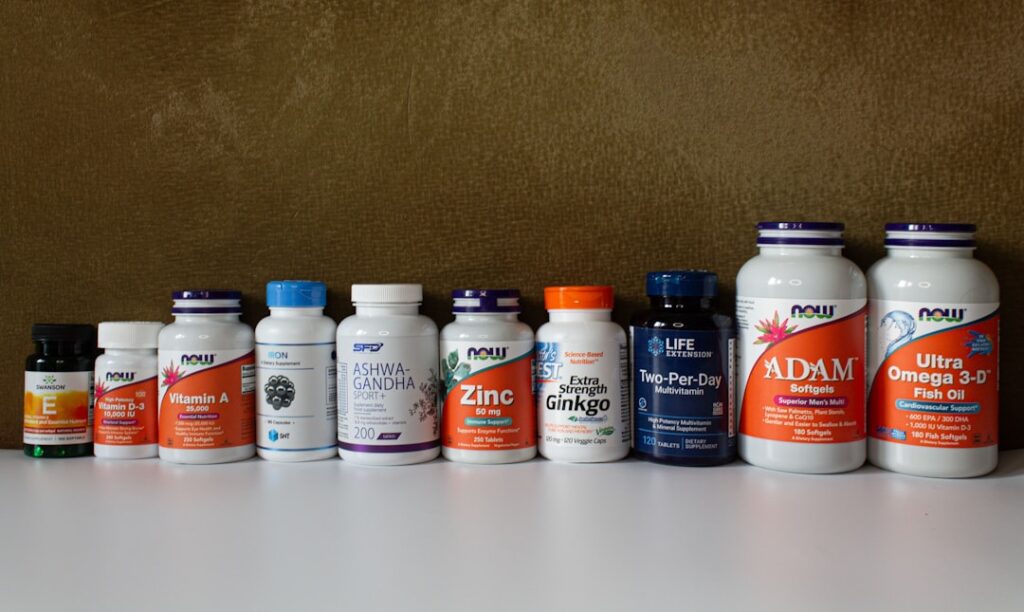
Many Americans fall short of the recommended intake of magnesium from diet alone, which is one reason magnesium supplements are among the most commonly purchased products in the wellness aisle. But taking a capsule is only part of the equation. Knowing the foods to avoid when taking magnesium — and which medications to keep separate from it — can mean the difference between absorbing a meaningful amount and flushing most of it through your system. Certain foods and drugs contain compounds that bind magnesium or compete for the same absorption pathways, reducing how much your body actually uses. This wellness guide explains what to watch out for, why it interferes, how to time things, and when to check with your doctor first.
How Magnesium Absorption Works
Magnesium is absorbed primarily in the small intestine through both passive diffusion and active transport channels. According to the National Institutes of Health Office of Dietary Supplements, the share of dietary magnesium that is absorbed generally ranges from roughly 30 to 40 percent, but this varies with your current magnesium status, the form of supplement you take, and what you eat alongside it.
When magnesium levels in the body are low, absorption efficiency increases. When levels are adequate, healthy kidneys excrete the excess. This means the foods and medications you take around the same time as your supplement have an outsized impact on how much of each dose actually enters your bloodstream. For guidance on timing your dose, our article on the best time to take magnesium provides additional detail.
High-Calcium Foods Taken at the Same Time
Calcium and magnesium compete for some of the same absorption pathways in the intestine. When you consume a large amount of calcium at the same time as your magnesium supplement, the two minerals can crowd each other out. Nutrition research has found that high calcium intake taken together with magnesium can measurably reduce magnesium absorption compared with taking them apart.
This does not mean you need to avoid calcium-rich foods entirely. Instead, separate high-calcium foods and supplements from your magnesium dose by at least two hours. Common high-calcium foods to time separately include milk, cheese, yogurt, fortified orange juice, sardines, and calcium-fortified cereals. If you take a separate calcium supplement, take it at a different meal than your magnesium.
High-Phytate Foods
Phytic acid, found in whole grains, legumes, nuts, and seeds, is one of the most significant foods to avoid when taking magnesium at the same time. Phytates bind magnesium and other minerals in the digestive tract, forming complexes that pass through the body without being absorbed. The NIH Office of Dietary Supplements notes that diets very high in phytate are associated with lower mineral absorption.
The main high-phytate foods include raw wheat bran, unsoaked beans and lentils, brown rice, corn tortillas, and sesame seeds. Soaking, sprouting, or fermenting these foods can meaningfully reduce their phytate content; soaking beans overnight, for example, cuts a substantial portion of their phytate. If you eat a diet rich in whole grains and legumes, consider taking your magnesium supplement between meals or at bedtime rather than alongside these foods.
High-Oxalate Foods
Oxalates are naturally occurring compounds found in many otherwise healthy foods. Like phytates, oxalates bind minerals in the gut and reduce absorption. Spinach, rhubarb, beet greens, Swiss chard, and cocoa powder are particularly high in oxalates. While these foods offer genuine nutritional value, eating a large serving alongside your magnesium supplement can reduce the amount your body absorbs.
The interaction is straightforward: oxalic acid combines with magnesium to form magnesium oxalate, which is poorly absorbed by the intestine. According to the Mayo Clinic, cooking high-oxalate foods and discarding the cooking water can reduce oxalate content somewhat, but the most effective strategy is simply to take your magnesium at a different time than your spinach salad or chocolate smoothie.
Excessive Fiber Intake
Dietary fiber is essential for digestive health, but a very high-fiber meal taken at the same time as magnesium can reduce absorption. Fiber speeds the passage of food through the intestine, giving magnesium less time to be absorbed, and some types — particularly insoluble fiber from wheat bran — also bind minerals directly.
A very high-fiber meal (a large salad with beans, whole-grain bread, and raw vegetables) is better separated from your magnesium supplement by taking the two at different times. This does not mean fiber is bad; a moderate amount of fiber at mealtime is unlikely to cause a meaningful problem, and fiber has clear health benefits of its own.
Alcohol and Caffeine
Both alcohol and caffeine can undermine your magnesium status, through different mechanisms. Alcohol acts as a magnesium diuretic, increasing urinary excretion of magnesium, and chronic alcohol use is one of the most common causes of clinical magnesium deficiency, according to the NIH Office of Dietary Supplements. Drinking alcohol around the time you take your supplement can offset much of the benefit.
Caffeine has a milder but still relevant effect, modestly increasing urinary magnesium loss. Moderate coffee consumption (two to three cups daily) is unlikely to cause a significant problem, but if you are supplementing specifically because your levels are low, consider spacing your magnesium dose at least an hour away from your morning coffee.
Processed Foods and Soft Drinks
Highly processed foods and phosphoric-acid-containing soft drinks (particularly dark colas) can interfere with magnesium balance. Phosphoric acid binds magnesium in the digestive tract, and the high sodium content of processed foods can increase urinary magnesium loss. A diet heavy in fast food, frozen meals, chips, and soda tends to work against your magnesium stores, making supplementation less effective even when you take it consistently.
Switching from processed foods to whole-food sources naturally improves your magnesium status. Foods like almonds, avocados, dark chocolate (in moderation), bananas, and leafy greens provide dietary magnesium that complements your supplement. If you are curious about healthful beverage alternatives, our article on whether coconut water is healthy explores one option that contains a modest amount of magnesium.
Medications to Separate From Magnesium
Foods are not the only thing that interacts with magnesium. Magnesium supplements (and magnesium-containing antacids and laxatives) can bind certain medications in the gut, reducing how well those drugs are absorbed, or in a few cases add to their effects. This is about timing and safety, not dosing — do not change any prescription on your own, and ask your pharmacist how far apart to space each medication. According to the Mayo Clinic and the NIH Office of Dietary Supplements, common examples include:
- Certain antibiotics: tetracyclines (such as doxycycline) and fluoroquinolones (such as ciprofloxacin and levofloxacin) can bind magnesium and become less effective. These are usually taken a few hours before or after magnesium — your pharmacist can tell you the exact spacing for your prescription.
- Bisphosphonates: osteoporosis medications such as alendronate are absorbed poorly if taken with magnesium, so they are separated by several hours.
- Thyroid medication: levothyroxine should be separated from magnesium (and from calcium and iron), because minerals can reduce its absorption.
- Certain diuretics: some “water pills” affect how much magnesium your body keeps or loses — loop and thiazide diuretics can increase magnesium loss, while potassium-sparing diuretics can raise magnesium levels — so magnesium supplements should be used under medical guidance if you take one.
- Other medications can interact as well, including some used for heartburn and certain heart or blood pressure drugs. Give your pharmacist a full list of what you take.
The simplest rule of thumb: if you take prescription medication, ask your pharmacist about the best time to take magnesium relative to each drug, and read your medication labels for any “avoid antacids or minerals” instructions. Never adjust a prescribed medicine to accommodate a supplement without your prescriber’s input.
Safety: High Doses, Digestive Effects, and Kidney Disease
Magnesium from food is not a concern for healthy people, because the kidneys clear any excess. Supplements are different. High doses of supplemental magnesium commonly cause loose stools, diarrhea, and abdominal cramping — in fact, that laxative effect is exactly why some magnesium products are marketed for constipation. If your supplement upsets your stomach, using a smaller amount or a gentler form usually helps, and you should not exceed the amount your product or clinician recommends.
Kidney disease is the most important safety exception. Because the kidneys are responsible for removing excess magnesium, people with chronic kidney disease or reduced kidney function can accumulate magnesium to unsafe levels (a condition called hypermagnesemia), which can cause symptoms ranging from nausea and weakness to dangerous heart rhythm and breathing problems. The Cleveland Clinic and NIH note that hypermagnesemia is most often seen in people with impaired kidney function, sometimes from magnesium-containing laxatives or antacids. If you have kidney disease or are on dialysis, do not start a magnesium supplement (or a magnesium-containing antacid or laxative) without first talking to your doctor. Anyone who is pregnant, has a heart condition, or takes regular medication should also check with a clinician or pharmacist before supplementing.
What to Eat with Magnesium for Better Absorption
Several nutrients can support magnesium status. Adequate vitamin D helps the body use magnesium, so a meal that includes vitamin D-rich foods like salmon, eggs, or fortified milk (timed a couple of hours away from large calcium loads) can be a reasonable pairing. Healthy fats from olive oil or avocado make a balanced meal that supports overall nutrient absorption.
Fermented foods like sauerkraut and kimchi support a healthy gut microbiome, which emerging research links to mineral absorption, and prebiotic fibers from garlic, onions, and bananas feed beneficial gut bacteria. The key is balance: eat a varied whole-food diet, be strategic about timing your supplement relative to high-interference foods and medications, and stay consistent.
Frequently Asked Questions
Can I take magnesium with milk?
Milk is high in calcium, which competes with magnesium for absorption, so taking your supplement with a large glass of milk may reduce how much magnesium you absorb. It is better to separate the two by at least two hours — for example, taking magnesium at bedtime and having milk earlier in the evening.
Does coffee cancel out magnesium supplements?
Coffee does not completely cancel out magnesium, but caffeine modestly increases urinary excretion of the mineral. Moderate coffee intake is generally fine, especially if you space it an hour or more from your magnesium dose. If you drink several cups of coffee daily and are supplementing because your levels are low, mention it to your clinician.
Can magnesium affect my medications?
Yes. Magnesium can reduce the absorption of some antibiotics (tetracyclines and fluoroquinolones), bisphosphonates for osteoporosis, and thyroid medication such as levothyroxine, and it interacts with certain diuretics. The fix is usually timing — taking them several hours apart — but you should confirm the right spacing with your pharmacist and never stop or change a prescription on your own.
Is it better to take magnesium on an empty stomach?
It depends on the form and on your stomach. Some well-absorbed forms are tolerated on an empty stomach and may absorb slightly better without competing food compounds, while forms that are already poorly absorbed can cause more stomach upset when taken without food. If your supplement bothers your stomach, take it with a light meal that is low in calcium, phytates, and oxalates.
Should I avoid all whole grains while taking magnesium?
No. Whole grains are nutritious and should stay in a healthy diet. The key is timing: take your magnesium at a time when you are not eating a large serving of whole grains or raw bran. For most people, taking magnesium at bedtime or between meals avoids the phytate interaction without any dietary restriction.
The bottom line: Getting the most from a magnesium supplement takes a little planning. Separate your dose from high-calcium foods, high-phytate grains and legumes, high-oxalate greens, and very high-fiber meals by about two hours, and keep it apart from medications like certain antibiotics, bisphosphonates, and thyroid drugs — ask your pharmacist about the right timing. High doses commonly cause diarrhea, so use the least you need, and if you have kidney disease, talk to your doctor before supplementing at all. This article is general educational information, not medical advice; check with your clinician or pharmacist before starting magnesium, especially if you have a health condition or take regular medication.