
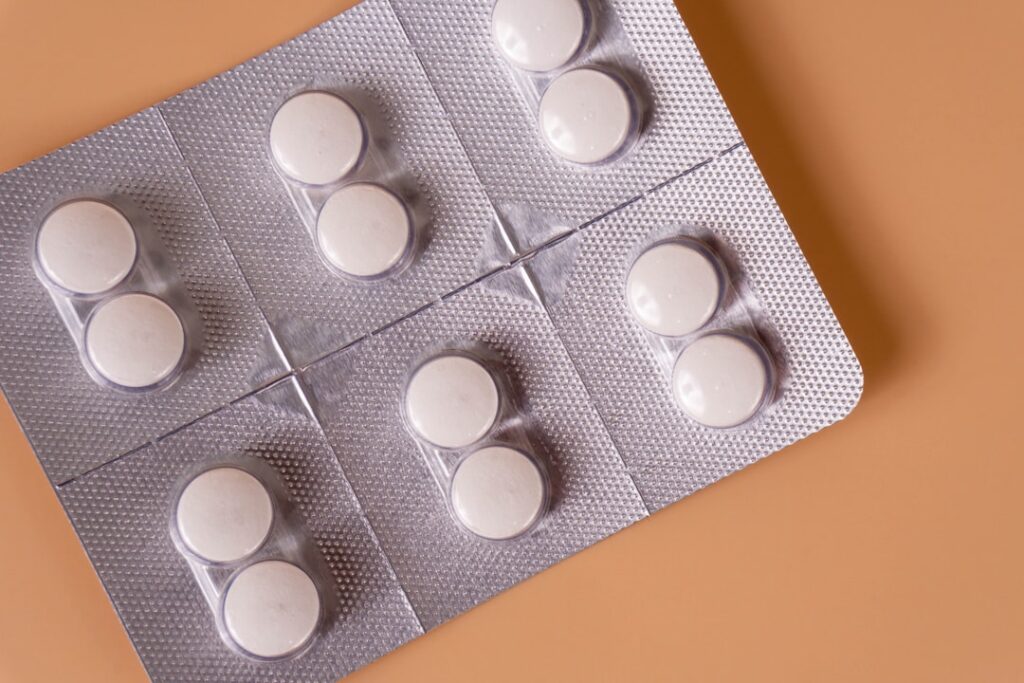
- Grapefruit and grapefruit juice are the key foods to avoid on atorvastatin: their furanocoumarins block the CYP3A4 enzyme, raising drug levels and the risk of muscle side effects.
- Related citrus — pomelos, Seville (bitter) oranges, and tangelos — can cause the same interaction; ordinary sweet oranges, lemons, and limes generally do not.
- Limit alcohol, since both alcohol and atorvastatin are processed by the liver, and heavy drinking raises the risk of liver problems and can worsen triglycerides.
- A diet high in saturated fat, trans fat, and added sugar works against the drug's purpose; a heart-healthy pattern helps atorvastatin do its job.
- Unexplained muscle pain, tenderness, or weakness — especially with dark, cola-colored urine — can signal rare but serious rhabdomyolysis; contact your doctor or seek urgent care.
- Never start, stop, or change your statin on your own, and tell your prescriber and pharmacist about every medication and supplement you take, including red yeast rice and high-dose niacin.
Atorvastatin, sold under the brand name Lipitor, is one of the most widely prescribed medications in the United States, used by millions of people to lower LDL (“bad”) cholesterol and reduce cardiovascular risk. The drug does its job well, but certain foods and drinks can interfere with how your body handles it — in some cases raising the risk of side effects, in others working against the very reason you are taking it. Knowing which foods to avoid when taking atorvastatin helps you get the most benefit from your medication while minimizing problems. This is general information, not a substitute for your prescriber’s or pharmacist’s advice about your specific situation. For the bigger picture, see our medical conditions guide.
How Atorvastatin Works
Atorvastatin belongs to a class of drugs called HMG-CoA reductase inhibitors, better known as statins. It works by blocking an enzyme in the liver (HMG-CoA reductase) that the body uses to make cholesterol. By inhibiting that enzyme, atorvastatin lowers the amount of LDL cholesterol the liver produces and increases the liver’s ability to clear existing LDL from the bloodstream.
Atorvastatin is largely metabolized by a liver and intestinal enzyme called cytochrome P450 3A4 (CYP3A4), and this is where food interactions become relevant. Substances that inhibit CYP3A4 slow the breakdown of atorvastatin, which raises drug levels in the blood. Higher levels mean a greater chance of side effects — including the muscle problems statin users worry about most. The FDA prescribing information specifically flags certain food and drug interactions with atorvastatin for exactly this reason. Note that this article does not provide a dosing schedule for atorvastatin; how much you take and when is a decision for your prescriber.
Grapefruit and Grapefruit Juice
Grapefruit is the best-known food interaction with atorvastatin, and the warning is not exaggerated. Grapefruit contains compounds called furanocoumarins (such as bergamottin and 6′,7′-dihydroxybergamottin) that inhibit the CYP3A4 enzyme in the intestinal wall. When that enzyme is blocked, more atorvastatin passes into the bloodstream intact, effectively increasing your exposure to the drug beyond what was intended — and with it, the risk of muscle-related side effects.
The effect is not brief: furanocoumarins can affect CYP3A4 activity for many hours after you consume grapefruit, which is why separating the timing of grapefruit and your statin does not reliably eliminate the interaction. Because the size of the effect varies from person to person and with how much grapefruit is consumed, most clinicians take a cautious approach. If you take atorvastatin and enjoy grapefruit, the safest move is to talk with your pharmacist or prescriber about whether — and how much — is acceptable for you, rather than assuming a small amount is fine.
The interaction extends beyond grapefruit itself. Pomelos, Seville (bitter) oranges used in marmalade, and tangelos contain similar furanocoumarins. Regular sweet oranges, lemons, and limes generally do not cause this interaction and are usually fine to enjoy. When in doubt about a specific citrus product or juice blend, check with your pharmacist.
Muscle Symptoms: What to Watch For
The most important safety issue on any statin is muscle-related side effects, and it deserves its own section. Mild muscle aches are relatively common and often harmless, but certain patterns are warning signs you should not ignore. Contact your doctor if you develop unexplained muscle pain, tenderness, or weakness, particularly if it is widespread, does not have an obvious cause like a new workout, or is getting worse.
Rarely, statins can cause a serious condition called rhabdomyolysis, in which muscle tissue breaks down and releases substances that can injure the kidneys. Warning signs can include severe or worsening muscle pain and weakness together with dark, cola- or tea-colored urine, and sometimes fever or feeling generally unwell. Anything that inhibits CYP3A4 — grapefruit, certain medications — can raise atorvastatin levels and, in turn, this risk. Rhabdomyolysis is uncommon, but it is a medical emergency: if you have these symptoms, stop and get medical help promptly rather than waiting to see if they pass.
When to seek urgent care: Seek prompt medical attention for severe, unexplained muscle pain or weakness, especially with dark urine, reduced urination, nausea, or fever. If you feel very unwell or symptoms are severe, call your doctor, go to urgent care or the emergency room, or call 911. For a suspected overdose or accidental ingestion, call the Poison Help line at 1-800-222-1222.
Excessive Alcohol
Moderate alcohol is generally considered acceptable for many people taking atorvastatin, but heavy or binge drinking creates a genuine risk. Both atorvastatin and alcohol are processed by the liver, and combining heavy drinking with statin therapy increases the risk of liver injury. The Mayo Clinic advises that people who drink substantial amounts of alcohol should discuss this with their doctor before or during statin therapy, and your prescriber may want to monitor liver health.
Alcohol can also raise triglyceride levels, working against the lipid-lowering aim of atorvastatin. If you are taking a statin partly to address high triglycerides alongside elevated LDL, excessive alcohol can undermine that goal. General guidance frames moderate drinking as up to one drink a day for women and up to two for men, but “how much is safe for me” depends on your liver health, other medications, and overall risk — so make it a conversation with your clinician rather than a fixed rule.
High-Fat and High-Cholesterol Foods
High-fat foods do not chemically interact with atorvastatin the way grapefruit does, but a diet heavy in unhealthy fat works against the purpose of taking it. Loading up on saturated fat from fatty red meat, full-fat dairy, fried foods, and processed snacks pushes your cholesterol in the wrong direction, effectively asking atorvastatin to work harder to keep your numbers in range.
Trans fats deserve special attention. Found in some older-style margarines, certain commercially baked goods, and some deep-fried foods, artificial trans fats raise LDL while lowering HDL (“good”) cholesterol — a doubly harmful combination. U.S. regulators have largely removed artificial (partially hydrogenated) trans fats from the food supply, but it is still worth scanning labels for “partially hydrogenated oils” on older or imported products.
This does not mean you should adopt an extremely low-fat diet. Healthy fats from olive oil, avocados, nuts, and fatty fish actually support cardiovascular health and complement statin therapy. The goal is to replace unhealthy fats with healthy ones, not to eliminate fat entirely.
Foods High in Added Sugar
Excess added sugar contributes to elevated triglycerides, insulin resistance, and weight gain — all of which add to cardiovascular risk. Sugary drinks, candy, pastries, and heavily processed foods can work against the benefits of statin therapy. Research summarized by the National Institutes of Health links high added-sugar intake to greater production of very-low-density lipoprotein (VLDL) in the liver, a precursor to the LDL particles atorvastatin is trying to reduce.
Refined carbohydrates such as white bread, white rice, and sugary cereals behave similarly, spiking blood sugar and prompting insulin responses that encourage lipid production. Choosing whole grains, legumes, and higher-fiber, complex carbohydrates helps keep blood sugar steadier and supports the cholesterol-lowering effect of your medication.
Foods That Are Safe to Eat
The list of foods to genuinely avoid on atorvastatin is short compared with a medication like warfarin, which requires careful attention to vitamin K. Most foods are perfectly safe on a statin, and many actively support your cardiovascular goals.
Fatty fish such as salmon, mackerel, and sardines provide omega-3 fatty acids that complement statin therapy by lowering triglycerides and reducing inflammation. Vegetables, fruits (aside from grapefruit and its close relatives), whole grains, legumes, nuts, and seeds all support heart health. Olive oil and avocados supply healthy monounsaturated fats, and oats and barley contain a soluble fiber called beta-glucan that helps lower LDL. Lean proteins — chicken breast, turkey, fish, tofu, and legumes — provide nutrition without the saturated-fat load of fatty red meats, and low-fat dairy and plant-based milks are generally fine. A comprehensive approach that combines the right medication with diet and activity typically produces the best results.
Supplements, Herbal Products, and Drug Interactions to Watch
Several supplements and medications interact with atorvastatin, sometimes in ways similar to grapefruit. St. John’s wort, used for low mood, induces CYP3A4 and can reduce atorvastatin’s effectiveness. Red yeast rice contains monacolin K, which is chemically the same as the statin lovastatin, so combining it with atorvastatin can add to the risk of muscle injury. High-dose niacin (vitamin B3) taken with a statin can also raise the risk of muscle problems (myopathy and, rarely, rhabdomyolysis). Coenzyme Q10 is generally considered safe, and some people take it for statin-related muscle complaints, but it is still worth mentioning to your clinician.
Beyond supplements, tell your prescriber and pharmacist about all your medications, because some can raise atorvastatin levels or the risk of muscle side effects. These include certain antibiotics (such as clarithromycin) and antifungal medications, some HIV/hepatitis C antiviral drugs, gemfibrozil and some other fibrates, cyclosporine, and colchicine, among others. Never assume a new prescription or over-the-counter product is compatible — if you are exploring, say, the best vitamins for energy, run it by your pharmacist first. And never start, stop, or change your statin dose on your own; stopping a statin without medical advice can raise your cardiovascular risk, so any change should be a decision you make with your prescriber.
Tips for Managing Your Diet on Atorvastatin
Taking atorvastatin at the same time each day helps keep steady blood levels, and because it has a long half-life it can generally be taken at any time of day, with or without food — but always follow the specific instructions on your prescription. Building your meals around vegetables, whole grains, lean proteins, and healthy fats gives the medication the best chance to work.
If you notice possible side effects, keeping a brief food-and-symptom diary for a few weeks can help you and your doctor spot patterns — for instance, whether muscle aches, digestive upset, or fatigue line up with particular foods, activities, or supplements. Share that information at your follow-up appointments, and do not stop the medication on your own while you investigate; discuss it with your prescriber first.
Frequently Asked Questions
Can I ever eat grapefruit while taking atorvastatin?
Many clinicians advise avoiding grapefruit and grapefruit juice while on atorvastatin because the interaction can meaningfully raise drug levels and lasts for many hours. Whether an occasional small amount is acceptable depends on your situation, so ask your pharmacist or prescriber rather than guessing. A simple workaround is to choose other citrus — sweet oranges, lemons, or limes — which do not contain the problematic furanocoumarins.
What should I do if I get muscle pain on atorvastatin?
Do not ignore new, unexplained muscle pain, tenderness, or weakness, especially if it is widespread, worsening, or comes with dark, cola-colored urine. Contact your doctor promptly, and seek urgent care for severe symptoms, because in rare cases these can signal rhabdomyolysis. Do not simply stop your statin without advice, but do report the symptoms so your clinician can evaluate them and decide on any changes.
Does atorvastatin work better with a specific diet?
Atorvastatin works regardless of your diet, but a heart-healthy eating pattern amplifies its benefits. The Mediterranean and DASH diets both have strong evidence for reducing cardiovascular risk and work well alongside statin therapy. Emphasizing fruits, vegetables, whole grains, lean proteins, and healthy fats while limiting saturated fat, trans fat, and added sugar gives you the best overall outcome.
Can I drink coffee while taking atorvastatin?
Coffee is generally fine with atorvastatin. Some research suggests unfiltered coffee (French press, espresso, Turkish coffee) contains cafestol and kahweol, which can modestly raise LDL, while filtered coffee does not have this effect. Moderate coffee consumption is not considered a problem for most statin users, but discuss it with your clinician if you have questions about your cholesterol goals.
Should I take atorvastatin with food or on an empty stomach?
Atorvastatin can be taken with or without food, and its long half-life makes timing flexible. The most important thing is consistency — taking it at the same time each day helps keep steady blood levels and makes it easier to remember. Follow the exact directions on your prescription and ask your pharmacist if you are unsure.
The Bottom Line
The foods to avoid when taking atorvastatin are mainly grapefruit and its close citrus relatives, plus excessive alcohol and a diet heavy in saturated fat, trans fat, and added sugar that works against your cholesterol goals. The good news is that most foods — including many that actively support heart health — are perfectly compatible with your medication. Watch for warning signs like unexplained muscle pain or dark urine, tell your prescriber and pharmacist about every medication and supplement you take, and never start, stop, or change your statin on your own. Treat atorvastatin as one part of a broader cardiovascular strategy that includes diet, exercise, and regular monitoring.
Sources
- FDA / DailyMed — atorvastatin (Lipitor) prescribing information: CYP3A4 metabolism, grapefruit and drug interactions, and myopathy/rhabdomyolysis warnings
- Mayo Clinic — atorvastatin (oral route); statins and grapefruit juice; alcohol use and statin therapy
- Cleveland Clinic — statins, statin side effects, and grapefruit-drug interactions
- MedlinePlus, U.S. National Library of Medicine — atorvastatin drug information
- National Institutes of Health (NIH) / NHLBI — dietary fat, added sugar, and cardiovascular risk
- American Association of Poison Control Centers — Poison Help line, 1-800-222-1222
Medical disclaimer: This article is for general education only and is not medical advice, and it intentionally does not provide a dosing schedule for atorvastatin. Atorvastatin is a prescription-only medication that must be dosed and monitored by a licensed clinician — do not start, stop, or change it on your own, because stopping a statin can raise your cardiovascular risk. Report unexplained muscle pain, tenderness, or weakness (especially with dark urine) to your doctor promptly, and ask your prescriber or pharmacist before changing your diet or adding any supplement. For a suspected overdose, call Poison Control at 1-800-222-1222; for an emergency, call 911.