
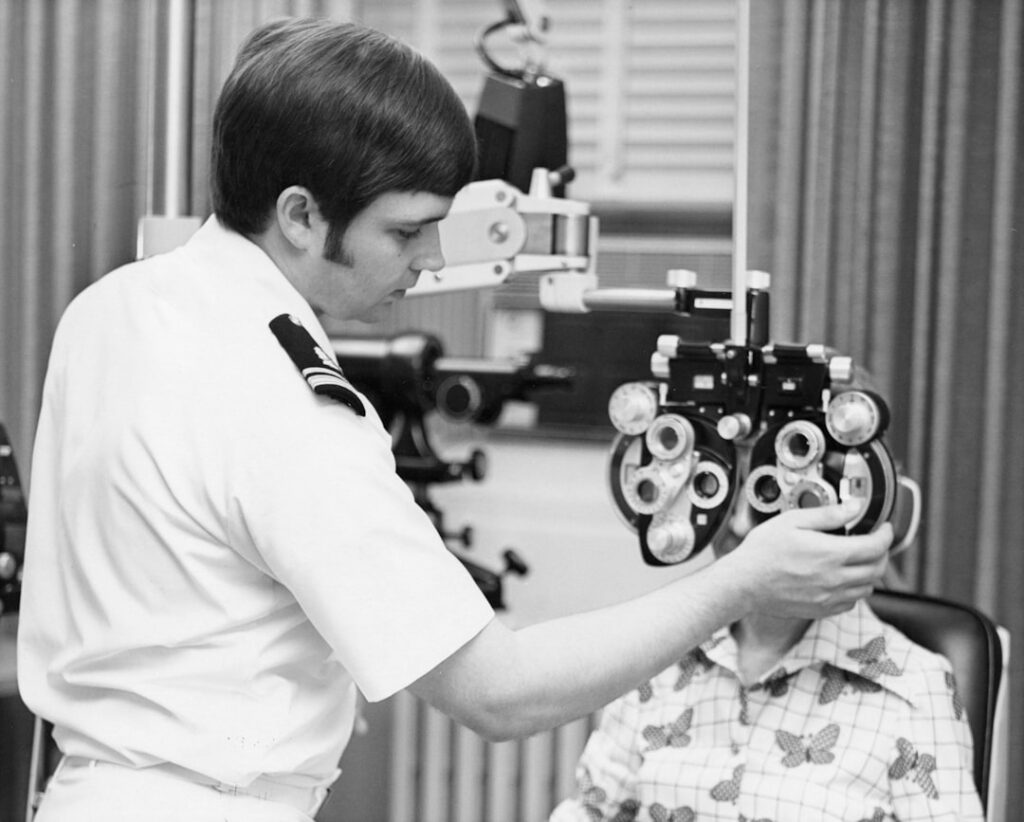
- A pediatric eye doctor is either a pediatric ophthalmologist (a surgeon-physician) or a pediatric optometrist; both are trained to examine infants and children, but only ophthalmologists perform eye surgery.
- A white or cloudy pupil (leukocoria) or an abnormal red reflex is a red flag that needs urgent evaluation, because it can be a sign of retinoblastoma, a childhood eye cancer.
- Conditions like amblyopia (lazy eye) and strabismus (eye misalignment) are most treatable when caught early, so a failed screening or persistent eye turn should not be "watched and waited" indefinitely.
- Pediatric groups (AAP, AAPOS, AAO) recommend periodic vision screening starting in infancy, with a full eye exam when screening is failed or risk factors are present; confirm the current schedule with your pediatrician.
- Find a specialist through your pediatrician's referral, your insurer's directory, or professional locators from AAPOS and the American Optometric Association.
- Early detection and treatment of childhood eye conditions protect vision and support learning; do not delay if you notice warning signs.
If you are searching for a pediatric eye doctor near me, you are taking an important step in protecting your child’s vision and overall development. Children’s eyes are still developing, and vision problems caught early often have far better outcomes than those found later in life. A pediatric eye doctor near me search connects you with specialists trained to diagnose and treat eye conditions in infants, children, and adolescents. This article is general education, not medical advice.
Major pediatric and eye-care organizations recommend that children’s vision be checked periodically starting in infancy, with follow-up as they grow. Despite these recommendations, many children do not receive regular eye care, and estimates suggest roughly one in four school-age children has an undiagnosed vision problem that can affect learning and development. Knowing when to seek a specialist — and how to recognize a genuine red flag — is the goal of this guide.
A white, cloudy, or “glowing” pupil (called leukocoria) — sometimes first noticed in a flash photograph, where one pupil looks white instead of the normal red-eye — or an abnormal or absent red reflex is a medical red flag that needs prompt evaluation. It can be a sign of retinoblastoma, a childhood eye cancer, as well as cataracts or other serious conditions. Do not wait for a routine appointment: contact your pediatrician or a pediatric eye specialist right away, and seek urgent care if you cannot reach one quickly.
What Is a Pediatric Eye Doctor?
A pediatric eye doctor is either a pediatric ophthalmologist or a pediatric optometrist. Pediatric ophthalmologists are medical doctors (MD or DO) who have completed medical school, a residency in ophthalmology, and an additional fellowship in pediatric ophthalmology and strabismus. They can diagnose and treat all eye conditions in children, prescribe glasses and medications, and perform eye surgery.
Pediatric optometrists are doctors of optometry (OD) who focus on children’s vision care. They perform comprehensive eye exams, prescribe glasses and contact lenses, diagnose many conditions, and provide vision therapy. They do not perform eye surgery, and they refer to an ophthalmologist when surgical or complex medical management is needed. Both types of providers are trained to work with children of all ages, including infants and toddlers who cannot yet read an eye chart or describe symptoms.
The key difference from a general adult eye doctor is that pediatric specialists understand the unique anatomy and development of children’s eyes, can identify conditions specific to or more common in children, and have the equipment, techniques, and patience to examine young patients effectively (American Association for Pediatric Ophthalmology and Strabismus).
Screening Schedule: What the Guidelines Say
Pediatric and eye-care organizations — including the American Academy of Pediatrics (AAP), the American Association for Pediatric Ophthalmology and Strabismus (AAPOS), and the American Academy of Ophthalmology (AAO) — recommend periodic vision assessment beginning in infancy rather than a single one-time exam. In broad terms, that typically includes:
- Newborn and infancy: a red reflex check and external eye inspection at newborn exams and well-child visits, to catch cataracts, retinoblastoma, and other structural problems early.
- Around ages 3–5 and up: age-appropriate visual acuity screening (or instrument-based screening for children too young to read a chart) at well-child visits and often at school.
- Any age with risk factors or a failed screen: referral for a full eye exam with a pediatric eye specialist.
The optometric profession’s InfantSEE program also offers a one-time comprehensive assessment for infants between 6 and 12 months of age, often at no out-of-pocket cost. Exact ages and intervals vary between organizations and are updated over time, so confirm the current recommended schedule with your child’s pediatrician or eye doctor. The consistent theme across all of them is simple: screen early, screen periodically, and get a full exam whenever screening is failed or a risk factor is present.
When Does Your Child Need a Pediatric Eye Doctor?
Beyond routine screening, several signs and symptoms should prompt a visit to a pediatric eye doctor. In infants, watch for eyes that are consistently crossed or misaligned after about four months of age (persistent strabismus), a white or cloudy pupil (leukocoria — see the red-flag box above), excessive tearing, extreme light sensitivity, or a lack of eye contact by around three months.
In toddlers and preschoolers, warning signs include sitting very close to the television, holding books close to the face, frequent eye rubbing, squinting, tilting or turning the head to see, and difficulty with age-appropriate hand-eye coordination. School-age children may report headaches, blurry vision, or trouble seeing the board. Poor academic performance, avoidance of reading, and difficulty with sports can also point to an undetected vision problem.
Two conditions deserve special mention because timing matters. Amblyopia (“lazy eye”) and strabismus (eye misalignment) respond best to treatment when addressed early in childhood, while the visual system is still developing. Delaying care can allow reduced vision to become permanent. A persistent eye turn or a failed screening should be evaluated promptly rather than simply watched and waited on.
Children with a family history of strabismus, amblyopia, high refractive errors, or childhood eye disease should be monitored more closely. Premature infants, children with developmental delays, and those with systemic conditions such as juvenile arthritis or diabetes are also at higher risk for eye problems and benefit from regular specialist evaluation (Mayo Clinic; AAPOS).
How to Find a Pediatric Eye Doctor Near You
Start by asking your child’s pediatrician for a referral. Pediatricians work regularly with pediatric eye specialists and can recommend trusted providers in your area. Your health insurer’s provider directory is another valuable resource, letting you search specifically for in-network pediatric ophthalmologists or optometrists.
Professional organizations offer searchable directories. The American Association for Pediatric Ophthalmology and Strabismus maintains a “Find a Doctor” locator on its website. The American Optometric Association’s doctor locator lets you filter for pediatric specialists. Children’s hospitals in your region typically have pediatric ophthalmology departments with several fellowship-trained specialists.
When comparing providers, consider their experience with your child’s specific condition (if one has been identified), how child-friendly the office environment is, appointment availability and wait times, and proximity to your home or school. Reading reviews from other parents can offer insight into a provider’s communication style, patience with children, and overall quality of care.
Average Cost of Pediatric Eye Care
The cost of a pediatric eye exam varies with the type of provider, location, and insurance coverage, so treat any figure as a rough estimate to verify locally. A comprehensive pediatric eye exam with an optometrist commonly falls in the low hundreds of dollars without insurance, and a pediatric ophthalmologist’s initial evaluation may run somewhat higher. Get a written estimate before the visit if cost is a concern.
Most health insurance plans cover well-child and medically necessary eye care, and many states mandate children’s vision coverage through Medicaid and CHIP. Separate vision insurance plans (such as VSP or EyeMed) may add coverage for glasses and contact lenses. Children’s eyeglasses typically cost from around one hundred to a few hundred dollars for frames and lenses, though prices vary widely by retailer.
If your child needs surgery — for example, to correct strabismus — costs can be substantial and depend heavily on the procedure and facility. Medical insurance (as opposed to vision insurance) typically covers medically necessary surgical procedures. Always verify coverage and get an itemized estimate before scheduling any procedure.
Questions to Ask Your Pediatric Eye Doctor
Preparing a list of questions helps you get the most from the visit. Useful questions include what specific tests will be performed, whether your child’s vision is developing normally for their age, whether your child needs glasses and what happens if they do not wear them consistently, and how often follow-up exams are recommended.
If a condition is diagnosed, ask about the full range of treatment options, the expected timeline for improvement, potential complications of both the condition and the treatment, and what to monitor at home between visits. For conditions like amblyopia, ask about current treatment approaches (such as patching or atropine) and the expected outcome with consistent treatment.
Do not hesitate to ask about the provider’s experience with your child’s specific condition, their outcomes for recommended procedures, and whether they coordinate with other specialists when needed. A good pediatric eye doctor welcomes questions and explains things in terms you can understand.
Frequently Asked Questions
At what age should my child first have their eyes checked?
Vision screening generally begins in infancy — including a red reflex check at newborn and well-child visits — with age-appropriate acuity screening added in the preschool years. A full exam with a pediatric eye specialist is recommended when a screening is failed or when risk factors are present. Confirm the current recommended schedule with your pediatrician, since organizations phrase it slightly differently.
What is the difference between a vision screening and a comprehensive eye exam?
A vision screening — done at a pediatrician’s office or school — is a brief check meant to flag children who may have a problem and need further evaluation. A comprehensive eye exam is a detailed assessment by an eye doctor that evaluates visual acuity, eye alignment, eye movement, focusing, and the health of the eye’s internal and external structures.
What is leukocoria and why is it urgent?
Leukocoria is a white or cloudy appearance of the pupil, sometimes first noticed as a white reflection in a flash photo. It can be a sign of retinoblastoma (a childhood eye cancer), cataract, or other serious conditions and should be evaluated urgently — not at the next routine visit. Contact your pediatrician or a pediatric eye specialist right away.
Can my child wear contact lenses instead of glasses?
Many children can successfully wear contact lenses, though the right age depends on maturity and the ability to handle lenses responsibly. Some pediatric eye doctors fit contacts for older children for sports or cosmetic reasons, and younger children for specific medical conditions such as high anisometropia or after cataract surgery. Discuss the options with your child’s eye doctor.
Will my child outgrow their eye condition?
Some conditions, such as mild farsightedness, may improve as a child grows. Others, like amblyopia and strabismus, require active treatment and generally will not resolve on their own — and delaying treatment can make the vision loss permanent. Your pediatric eye doctor can give a realistic prognosis based on the specific diagnosis and your child’s age at the start of treatment.
Practical Takeaway
Finding a qualified pediatric eye doctor near you is one of the most impactful steps you can take for your child’s vision health. Early detection and treatment of childhood eye conditions can prevent long-term vision loss and support learning and development. Use referrals from your pediatrician, your insurer’s directory, and professional-organization locators to find a specialist — and act promptly, especially for a white pupil, an eye that turns, or a failed screening. Most childhood eye conditions respond well to treatment when caught early.
This article is general education and is not medical advice. It cannot diagnose your child or replace an evaluation by a qualified eye-care professional. Screening ages and recommendations change over time, so confirm the current schedule with your pediatrician. Seek prompt care for any warning sign, and treat a white or cloudy pupil, an abnormal red reflex, or a sudden change in vision or eye alignment as urgent.
Sources
- American Association for Pediatric Ophthalmology and Strabismus (AAPOS) — vision screening recommendations; amblyopia, strabismus, leukocoria and retinoblastoma information; “Find a Doctor” locator
- American Academy of Pediatrics (AAP) — visual system assessment / vision screening policy and red reflex testing guidance
- American Academy of Ophthalmology (AAO) — pediatric eye screening and children’s eye health guidance
- American Optometric Association (AOA) — doctor locator; InfantSEE program (comprehensive infant assessment at 6–12 months)