
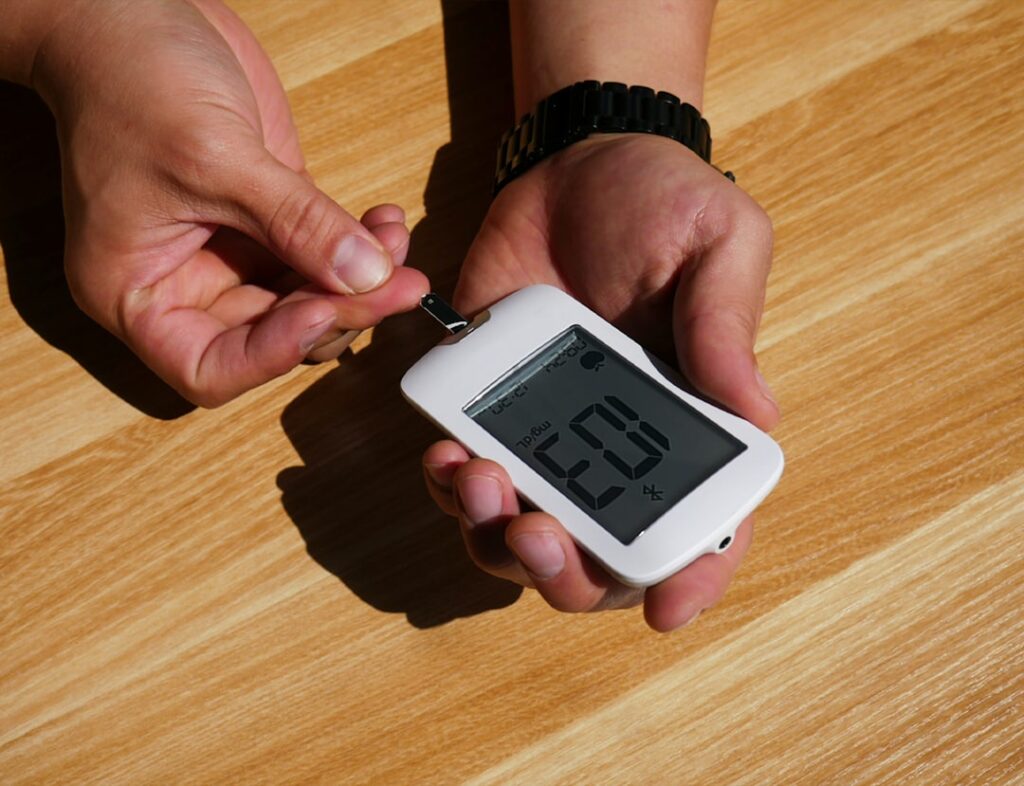
- A fasting glucose test measures blood sugar after at least 8 hours without food or drink (water is fine).
- It is one of the common ways clinicians screen for prediabetes and diabetes.
- Widely used thresholds are under 100 mg/dL (normal), 100–125 mg/dL (prediabetes), and 126 mg/dL or higher (diabetes), usually confirmed on a repeat test.
- Reference ranges and units can differ between labs, so the range printed on your own report is what applies to you.
- A single number is a snapshot; a clinician interprets it alongside your history and other tests.
- Do not diagnose yourself or change medication based on one reading.
A fasting glucose test is one of the simplest and most common blood tests in routine care. It reports how much sugar (glucose) is circulating in your blood after you have gone without food for several hours. Because that number helps flag prediabetes and diabetes early, it often shows up on a standard checkup panel. This article explains what the test measures, why a clinician might order it, and how to read the ranges without jumping to conclusions.
What a fasting glucose test measures
Glucose is your body’s main source of energy, and your blood carries it to cells throughout the day. Levels naturally rise after you eat and fall between meals as hormones such as insulin move sugar out of the bloodstream and into tissues. A fasting glucose test (sometimes called fasting plasma glucose, or FPG) captures your baseline after that after-meal rise has settled, which makes it easier to compare against standard reference points.
The sample is usually drawn from a vein in your arm. To count as “fasting,” most labs ask you to avoid food and drinks other than water for at least eight hours beforehand, which is why the test is often scheduled first thing in the morning.
Why a clinician might order it
According to MedlinePlus, a glucose test may be used to screen for prediabetes and diabetes, to help explain symptoms of high or low blood sugar, to monitor a known condition, to check for effects of certain medicines, or to screen during pregnancy. Your clinician may order it as part of a general checkup or because of symptoms such as increased thirst, frequent urination, unexplained fatigue, or blurry vision. On its own, the result is a clue rather than a verdict.
Typical ranges and what they suggest
The thresholds below reflect widely used cutoffs from the American Diabetes Association for non-pregnant adults. A result in the prediabetes or diabetes range is usually confirmed with a second test on another day before any diagnosis is made.
| Fasting glucose result | General interpretation |
|---|---|
| Below 100 mg/dL | Typically considered normal |
| 100–125 mg/dL | Prediabetes range |
| 126 mg/dL or higher | Diabetes range (usually confirmed on a repeat test) |
Two cautions matter here. First, ranges and units vary. Many US labs report in mg/dL, while others report in mmol/L, and cutoffs can differ slightly between laboratories and for special groups such as pregnant patients. The reference range printed on your own report is the one that applies to your result. Second, thresholds are guides, not hard walls; a value of 99 versus 101 mg/dL is not a bright line for your health.
What a higher-than-normal result may mean
A fasting glucose above the normal range most often points toward prediabetes or diabetes, but it is not the only explanation. MedlinePlus notes that stress, certain thyroid, pancreatic, or adrenal conditions, and some medicines can also raise blood sugar. A single elevated reading can also reflect illness, poor sleep, or an incomplete fast. That is why clinicians look for a pattern and confirm before diagnosing.
What a lower-than-normal result may mean
Low blood sugar (hypoglycemia) is less common on a routine fasting test but can occur. Possible contributors include diabetes medicines or insulin, not eating enough, and liver, kidney, or hormone conditions. Symptoms such as shakiness, sweating, confusion, or lightheadedness deserve prompt attention, and severe low blood sugar can be a medical emergency.
What can affect a reading
A fasting glucose number is sensitive to more than just diabetes risk. An incomplete fast is the most common issue: coffee with milk, juice, gum, or a snack can nudge the result up. Acute stress, an infection, poor sleep, or a recent burst of intense exercise can also shift blood sugar temporarily. Some medicines, including steroids and certain diuretics, tend to raise glucose, while diabetes medicines lower it. Even the timing of the draw matters, since your body’s rhythms change blood sugar across the day. None of this means the test is unreliable; it means a single value is best read as one data point, and clinicians often repeat it or add other tests before drawing conclusions.
What to expect during the test
The test itself is quick. After confirming you have fasted, a health care professional cleans a spot on your arm and draws a small blood sample from a vein, which usually takes a minute or two. You may feel a brief sting or see slight bruising afterward. Once the sample reaches the lab, results are often available within a day. Bring a list of your medicines and supplements, and tell the staff if you did not manage a full fast so the result can be interpreted correctly.
Why a clinician interprets the result
Your fasting glucose is one snapshot in time. A clinician reads it alongside your medical history, symptoms, and other tests such as an A1c (a longer-term average) or an oral glucose tolerance test. They also weigh factors like recent illness, medicines, and whether you actually fasted. This context is exactly why the same number can mean different things for different people, and why self-diagnosis or changing your treatment based on one result is not a good idea.
Frequently asked questions
How long do I need to fast? Most labs ask for at least eight hours with nothing but water. Check the instructions from your provider or lab, and mention any medicines you take.
Can I drink water before the test? Yes. Plain water is generally allowed and staying hydrated can make the blood draw easier. Avoid coffee, tea, juice, and gum unless your provider says otherwise.
Is one high reading enough to diagnose diabetes? Usually not. A result in the diabetes range is typically confirmed with a repeat test on another day, or paired with other tests, before a diagnosis is made.
What is the difference between fasting glucose and A1c? Fasting glucose is a point-in-time measurement, while A1c estimates your average blood sugar over roughly the past two to three months. Clinicians often use them together.
Why is my “normal” range different from a friend’s report? Labs use different equipment and methods, and may report in mg/dL or mmol/L. Compare your value only to the range printed on your own report.
My result was slightly high. What should I do? Do not panic or change medicines on your own. Share the result with your clinician, who can decide whether to repeat the test or add others.
This article is general education and is not medical advice. Talk to a qualified clinician about your situation.
Sources
- MedlinePlus, National Library of Medicine — Blood Glucose Test; Glucose Tolerance Test
- American Diabetes Association (ADA) — Diagnosis & Tests; Standards of Care in Diabetes