
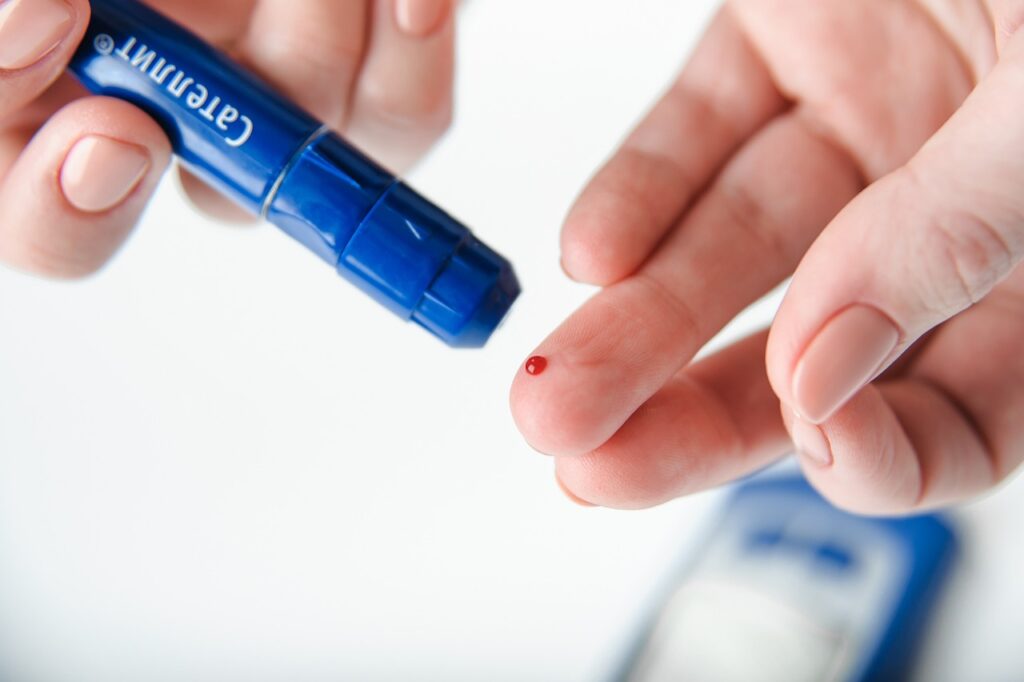
The short answer is: usually yes for diabetes, but it depends on your state and on why you are taking it. Does Medicaid cover Ozempic comes down largely to whether you have type 2 diabetes and which state’s Medicaid program you are enrolled in. Ozempic is FDA-approved only for type 2 diabetes (and to reduce certain cardiovascular and kidney risks in adults with type 2 diabetes), and Medicaid coverage generally follows that label. Coverage for weight loss is a separate, much narrower category. This guide explains the coverage rules, the approval process, and the state-level differences that actually matter. It is general information, not medical or insurance advice — confirm your own coverage with your state Medicaid program.
Federal Medicaid Rules for Ozempic
Medicaid is a joint federal and state program, but prescription drug coverage operates under federal minimums with state-level flexibility. Under federal rules, state Medicaid programs that participate in the Medicaid Drug Rebate Program generally must cover FDA-approved drugs from participating manufacturers when used for a medically accepted indication. Ozempic’s FDA-approved indication is type 2 diabetes in adults, which is why it is broadly covered for diabetes across state Medicaid programs.
However, federal Medicaid law places “agents when used for weight loss” in a small group of drug categories that states are permitted to exclude from required coverage. The Centers for Medicare & Medicaid Services (CMS) and Medicaid.gov set out these rules. Because Ozempic is labeled only for diabetes, this weight-loss exclusion does not directly block diabetes coverage — but using Ozempic off-label purely for weight loss is almost never covered.
Coverage for Type 2 Diabetes
If you have type 2 diabetes and are enrolled in Medicaid, Ozempic is generally covered in your state, subject to prior authorization. Essentially all state Medicaid programs include semaglutide (Ozempic) on their preferred or non-preferred drug lists for the treatment of type 2 diabetes, though the specific tier and requirements vary. According to KFF, Ozempic accounts for the single largest share of Medicaid GLP-1 prescriptions and spending, reflecting how widely it is used for diabetes.
Prior authorization typically requires documentation of the diabetes diagnosis (such as an A1c result, often 6.5% or higher), a history of first-line therapy such as metformin, and a prescribing clinician attesting that Ozempic is medically necessary. Some state Medicaid programs additionally use step therapy, requiring that certain other agents be tried first. These criteria differ by state, so check the details before you assume coverage.
Coverage for Weight Loss: Very Limited
Medicaid coverage of GLP-1s specifically for weight loss is limited, and Ozempic itself is not FDA-approved for weight management — only Wegovy (also semaglutide) carries that indication. Because covering anti-obesity drugs is optional for states, most state Medicaid programs do not cover GLP-1s for obesity, and Ozempic prescribed off-label for weight loss is almost universally excluded.
According to KFF, roughly a dozen state Medicaid programs cover a GLP-1 for obesity under fee-for-service, and the number has recently been declining rather than growing — as of early 2026 it was around 13 states, down from about 16 in late 2025, after several states (including California, Pennsylvania, and South Carolina) ended obesity coverage while at least one (North Carolina) reinstated it. Because this list changes frequently, do not rely on any single roster; check your own state’s current policy. Where obesity coverage does exist, it typically comes with strict criteria — a qualifying BMI, documented comorbidities, prior lifestyle intervention, and utilization controls. Related reading: is Wegovy covered by insurance.
What Changed in 2025 and 2026
Federal policy on obesity-drug coverage shifted notably. A proposed rule floated in late 2024 would have reinterpreted the statute so that Medicare and Medicaid could cover anti-obesity medications; in 2025, federal officials declined to finalize that proposal, meaning weight-loss coverage remains optional for states and is not federally required. Separately, in late 2025 the administration announced arrangements with GLP-1 manufacturers aimed at lowering prices for public programs, and CMS introduced a voluntary demonstration model intended to test expanded obesity-drug access in Medicaid and Medicare with standardized criteria. A time-limited Medicare pathway offering certain GLP-1s at a reduced monthly cost was also announced to begin in 2026. These developments are evolving, are partly Medicare-focused, and do not change the core point for most readers: whether your state Medicaid covers Ozempic depends on the indication and your state’s rules. Verify the current status with your state Medicaid agency.
State-by-State Variation
Each state administers its own Medicaid drug program, so the answer to “does Medicaid cover Ozempic” varies. For type 2 diabetes, large states such as Texas, Florida, Georgia, New York, and California generally cover Ozempic with prior authorization, though the exact PA criteria differ. Some states apply more restrictive step-therapy requirements, asking for documented failure of one or more older diabetes medications before covering Ozempic. Patients in restrictive states may need to work with their prescriber on step-therapy exceptions or appeals. Check your state’s Medicaid preferred drug list (PDL) online for the current rules, because formularies are updated regularly.
Prior Authorization: What You Need
Prior authorization for Ozempic on Medicaid typically requires documentation of a type 2 diabetes diagnosis, a recent A1c result, a list of diabetes medications previously tried, current weight and height, and a statement from the prescribing clinician about medical necessity. Some states require the PA to be submitted through a specific electronic portal; others accept fax or paper.
Approval timelines vary by state. Many Medicaid PA decisions come back within roughly 24 to 72 hours of a complete submission, though this is not guaranteed. If denied, the state must provide written notice explaining the reason and how to appeal. Appeals are filed through the state’s Medicaid fair-hearing process — a formal administrative review that often succeeds when supported with additional medical documentation.
Managed Care Medicaid Plans
Many Medicaid beneficiaries are enrolled in managed care plans — private insurers contracted to administer Medicaid benefits. Examples include Molina Healthcare, Centene/WellCare, Elevance (Amerigroup), and UnitedHealthcare Community Plan. These plans generally must cover the same medically necessary drugs as fee-for-service Medicaid in their state, but may use different prior authorization procedures and formularies.
Check your specific managed care plan’s formulary through your member portal or the directory mailed to you after enrollment. The plan’s pharmacy benefit manager (often a national PBM such as CVS Caremark, Express Scripts, or OptumRx) typically processes the authorization rather than the state directly.
What to Do If Medicaid Denies Your Ozempic
First, understand why. Denial letters are required to state the reason — missing documentation, failure to meet step therapy, or ineligibility for the indication. Each reason has a different fix. Missing documentation usually needs a resubmission with additional records. Step-therapy denials may require your prescriber to document contraindications or prior failures with earlier medications.
If the clinical basis is solid, file a formal appeal through your state’s Medicaid process. Appeal deadlines vary but are often relatively short (commonly measured in weeks from the denial date), so act promptly. An appeal with a supporting letter from your prescriber — explaining exactly why Ozempic is medically necessary for you — generally has a higher success rate than a patient-filed appeal alone.
Frequently Asked Questions
Does Medicaid cover Ozempic in every state?
For type 2 diabetes, it is covered broadly across states, generally with prior authorization, because that is Ozempic’s FDA-approved use. For weight loss, it is usually not covered, since Ozempic is not FDA-approved for that indication and obesity-drug coverage is optional for states. Specific rules vary by state and by managed care plan.
How much does Ozempic cost with Medicaid?
Medicaid prescription copays are typically minimal — often in the range of $0 to a few dollars per prescription, depending on the state. If Ozempic is approved through prior authorization, you generally pay your plan’s standard copay rather than the list price, which can exceed $1,000 per month.
Can my doctor help me get Medicaid coverage for Ozempic?
Yes. Your prescriber’s office generally submits the prior authorization paperwork and responds to Medicaid’s documentation requests. Many clinics have staff who handle PA processes. Ask at your appointment whether they will submit it and follow up on any requests.
Does Medicaid cover Wegovy instead of Ozempic for weight loss?
A minority of state Medicaid programs cover Wegovy for obesity, usually with strict eligibility criteria, and the number has been changing. This is separate from Ozempic coverage. See our Wegovy insurance coverage guide for more detail.
What if I have dual Medicare and Medicaid eligibility?
Medicare Part D generally becomes your primary prescription drug coverage, with Medicaid as secondary. Medicare Part D plans commonly cover Ozempic for diabetes, and Medicaid may help with remaining costs. See our Wegovy Medicare guide for related context.
TL;DR: Medicaid coverage of Ozempic varies by state. For type 2 diabetes — its FDA-approved use — it is broadly covered, usually with prior authorization. For weight loss, coverage is optional for states and limited; only about a dozen state Medicaid programs cover any GLP-1 for obesity, and in 2025 federal officials declined to require Medicare or Medicaid to cover anti-obesity drugs. Check your own state Medicaid preferred drug list and work with your prescriber.
This article is general educational information, not medical, legal, or insurance advice. Coverage rules change frequently and differ by state and plan. Confirm current details with your state Medicaid program and your prescriber before making decisions about treatment.
Your Next Step With Medicaid and Ozempic
Check your state Medicaid program’s preferred drug list for semaglutide (Ozempic) to confirm current coverage rules. If you have type 2 diabetes, ask your prescriber to submit a prior authorization. If you have been denied, gather your medical records and file an appeal within the deadline — do not give up after the first no.
For broader context on public insurance coverage of GLP-1 therapies, the healthcare policy pillar page and our Medicare Wegovy guide cover the federal programs in more detail. Understanding your coverage options before you need the medication saves time, frustration, and money.
Sources
- KFF — Medicaid Coverage of and Spending on GLP-1s (updated January 2026)
- CMS.gov and Medicaid.gov — Medicaid Drug Rebate Program and optional-exclusion rules
- GoodRx — Does Medicaid Cover Ozempic, Wegovy, and Other GLP-1 Medications?
- FDA — Ozempic (semaglutide) prescribing information / approved indications
- News reporting on the 2025 federal decision not to require Medicare/Medicaid anti-obesity drug coverage