
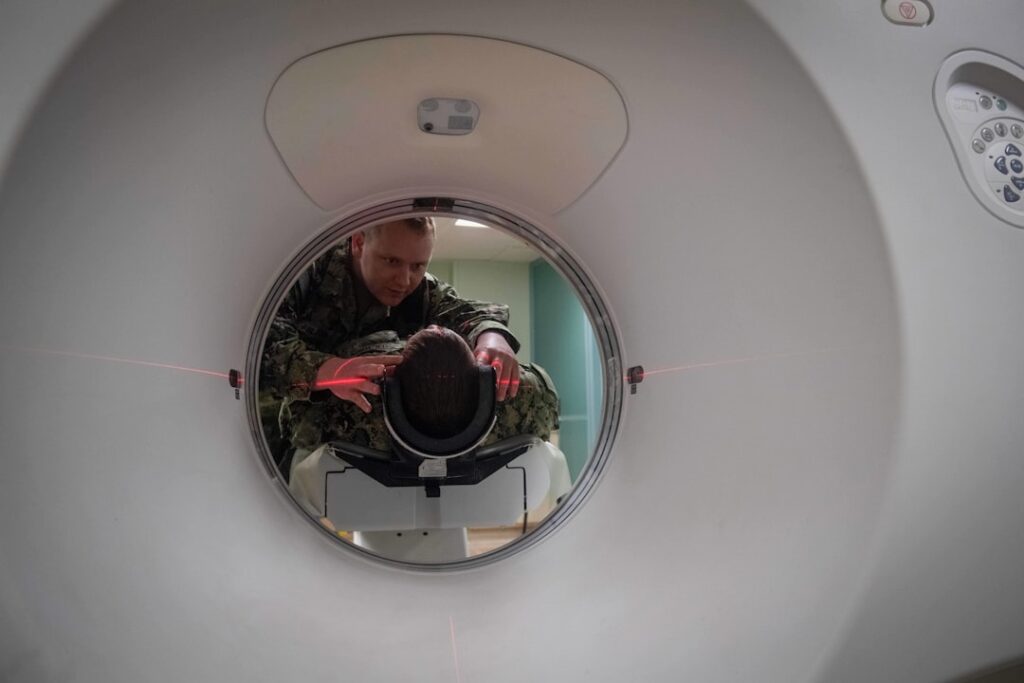
- This article is about buying and owning an MRI machine, not the price a patient pays for a scan — those are two very different questions.
- The scanner itself is the biggest line item: new systems commonly run into the seven figures, while refurbished or used systems are widely cited in the low-to-mid hundreds of thousands.
- Field strength drives price: higher-strength 3T systems typically cost meaningfully more than 1.5T systems, both new and used.
- The machine price is only the start — site preparation, RF shielding, rigging, installation, and a cryogen/helium fill add substantial cost.
- Ongoing costs matter too, including annual service contracts often quoted as a share of the equipment's value, plus coils and accessories.
- Every figure here is a broad industry estimate that varies by model, condition, vendor, and site — a real quote from an equipment supplier is the only reliable number.
PASTE BELOW THIS LINE INTO THE WORDPRESS EDITOR
— (everything below is the HTML body) —
If you are pricing out imaging equipment for a clinic, hospital, or independent center, the question “how much does an MRI machine cost in the USA?” has no single answer. Prices swing enormously by field strength, whether the system is new or refurbished, and everything it takes to get it installed and running. First, an important clarification: this article is about buying and owning the MRI machine itself, a business purchase — not the price a patient pays for a single scan. If you are here as a patient, see our separate explainer on what an MRI scan costs. Everything below is a set of broad industry estimates to frame a budget, not a quote.
What actually goes into the price
The sticker on an MRI system is only part of what you will spend. Several layers stack on top of each other: the scanner itself, its field strength and configuration, whether it is new or refurbished, the coils and accessories, and then the substantial work of siting and installing it. Because these factors combine differently for every project, two buyers can pay very different totals for what looks like the same machine. That is why equipment suppliers quote by the specific system and site rather than a flat price.
The scanner: new vs. refurbished
The machine is the largest line item. Industry sources put new clinical MRI systems well into the seven figures. Cassling notes that for a 1.5T or 3T system you are “likely looking at $900,000 or more for the system alone,” with options and construction pushing the total “well over a million dollars and even approaching or surpassing $2 million,” and a research-grade 7T system a far larger investment again.
The refurbished or used market is where many independent centers shop. Block Imaging describes refurbished 1.5T systems trading roughly in the $150,000 to $500,000 range, tiered by model — entry-level and older systems at the low end, and premium platforms toward the top. Buying used can cut the machine cost substantially versus new, though older platforms can carry a trade-off in parts availability and service.
Field strength drives cost
The magnet’s strength, measured in tesla (T), is one of the biggest price levers. Higher-strength systems generally cost more to buy and to run:
- 1.5T systems are the workhorse of general clinical imaging and anchor the mid-range of both new and used pricing.
- 3T systems deliver higher-resolution images for certain applications and carry a notably higher cost than lower-strength options, per Cassling — both new and refurbished.
- 7T and research-grade systems sit far above the clinical range and are specialized purchases.
Lower-strength or extremity/open systems can come in below the figures above, so the right field strength depends on the clinical work you plan to do, not price alone.
| Category | Commonly cited estimate | Notes |
|---|---|---|
| New 1.5T / 3T system (scanner) | ~$900,000 and up | Options and construction can push totals past $2M |
| Refurbished 1.5T system | ~$150,000–$500,000+ | Tiered by model and condition |
| 3T vs 1.5T | Notably higher for 3T | Applies to both new and used |
| Coils (refurbished) | ~$8,000–$25,000 each | Accessories priced separately |
| 7T / research systems | Multiple millions | Specialized, far above clinical range |
Every figure above is a broad industry estimate that varies by model, vendor, condition, and configuration. Treat it as a starting point, not a quote.
Beyond the machine: siting and installation
An MRI cannot simply be wheeled into a spare room. The building has to be prepared for a powerful magnet, and that work is a major budget item in its own right. Typical additions include:
- Site preparation and construction to support the system’s weight and layout.
- RF (radiofrequency) shielding of the scan room so the magnet’s environment stays controlled and outside signals are kept out.
- Rigging, delivery, and installation — moving a multi-ton magnet into place is a specialist job, sometimes requiring wall or roof openings.
- Cryogen / helium fill to cool the superconducting magnet, an ongoing consideration as well as an install-time cost.
Cassling and Block Imaging both flag these as significant components of the final delivered cost, which is why a “budget” refurbished machine can still turn into a project measured in the high hundreds of thousands once it is fully installed and operational.
Ongoing costs of ownership
The purchase is not the end of the spending. Owners typically budget for an annual service and maintenance contract — often quoted as a percentage of the equipment’s value — plus coils and accessories (refurbished coils commonly cited around $8,000 to $25,000 each, per Block Imaging), software, accreditation, and the energy and helium to keep the magnet cold. Downtime is costly too, so many centers treat a solid service agreement as part of the true cost of the machine rather than an optional add-on.
How to get a real number
Because so much depends on the specific system and site, the only reliable figure is a written quote from an equipment supplier for the exact model, field strength, and condition you want, at your location. Ask for the price broken out into the scanner, coils and accessories, delivery and rigging, site prep and RF shielding, cryogen fill, and the first year of service — and confirm what is and is not included. Comparing itemized quotes from more than one vendor is the practical way to understand what an MRI machine will really cost you.
Frequently asked questions
Is this the cost of an MRI scan or the machine? The machine. This article is about purchasing and installing MRI equipment. For the price of a single scan, see our separate patient-focused explainer.
How much does a new MRI machine cost? Industry sources commonly cite new clinical systems from roughly $900,000 into the millions once options and construction are included — verify with a supplier quote.
How much cheaper is a used MRI machine? Refurbished 1.5T systems are widely cited around $150,000 to $500,000-plus, well below new, though parts availability and service can differ on older platforms.
Why does 3T cost more than 1.5T? Higher field strength means a more powerful, more complex system, which raises both the purchase price and some running costs.
What hidden costs should I plan for? Site preparation, RF shielding, rigging and installation, a cryogen/helium fill, coils and accessories, and an annual service contract all add to the machine price.
What is the single biggest variable? Whether the system is new or refurbished, and its field strength, together drive most of the spread — with siting and installation close behind.
This article is general education and is not medical advice. Talk to a qualified clinician about your situation.
For more on how healthcare prices are set and why they vary, see our healthcare costs guide.
Sources
- Block Imaging — “1.5T MRI Machine Cost: Price Guide” (refurbished system tiers, coil pricing, site and service components)
- Cassling — “How Much Does an MRI Scanner Cost?” (new 1.5T/3T and 7T system estimates, field-strength cost differences, installation factors)