
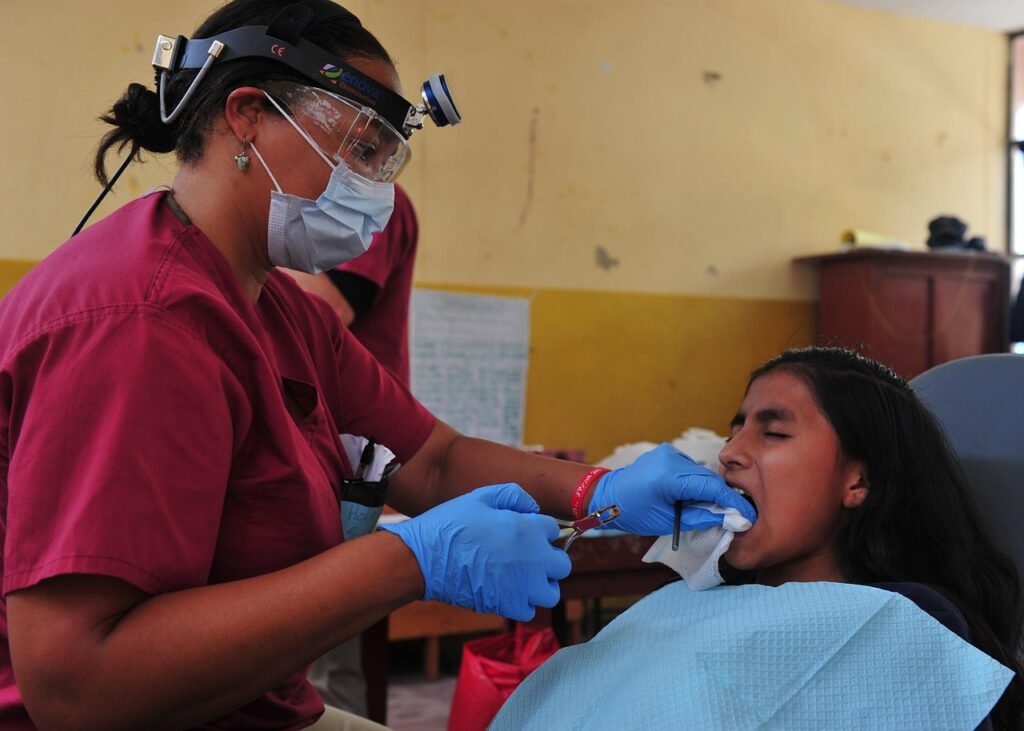
Whether you have cracked a molar, need protection after a root canal, or want to restore a badly decayed tooth, a dental crown is one of the most common restorative procedures in dentistry. The dental crown cost typically ranges from about $800 to $3,000 or more per tooth without insurance, depending on the crown material, your dentist’s location, the specific tooth, and whether additional procedures are needed. Those figures are broad estimates, not a quote – prices vary widely by region and practice, so always confirm current pricing with a local dentist. Millions of Americans receive crowns each year, which makes cost transparency worth pursuing. For a wider look at healthcare procedure costs, visit our healthcare costs guide. This article is general information, not dental or financial advice.
Crown Types and What They Cost
Not all dental crowns are the same. The material your dentist recommends depends on the tooth’s location, the biting forces it will bear, your appearance preferences, and your budget. The ranges below are typical estimates only and vary widely – verify pricing with your dentist.
Porcelain-Fused-to-Metal (PFM)
PFM crowns combine a metal base with a porcelain overlay, offering both strength and a tooth-colored appearance. They often fall in the range of roughly $800 to $1,400 per crown and work well for back teeth, where strength matters and the metal edge near the gum line is less visible. Over time, the gum line can recede to reveal a thin dark line at the crown’s base.
All-Ceramic or All-Porcelain
These crowns provide the most natural appearance, making them a common choice for front teeth. Estimates commonly range from about $1,000 to $2,000 or more per crown. Materials like lithium disilicate (often known by the brand e.max) and zirconia offer strong aesthetics and durability. Zirconia crowns in particular have gained popularity for combining strength with a tooth-like look.
Gold or Metal Alloy
Gold and base-metal alloy crowns are among the most durable options and can last a very long time with good care. They often range from about $800 to $2,500 or more, with the price influenced by metal-market prices. Their metallic color usually limits their use to back teeth where appearance is less of a concern.
Same-Day (CEREC) Crowns
Using CAD/CAM technology, some offices mill ceramic crowns on-site in a single appointment. Same-day crowns can eliminate the temporary crown and a second visit. They typically fall in the range of roughly $1,000 to $2,500 or more per crown – broadly comparable to lab-fabricated all-ceramic crowns, though pricing depends on the office.
Dental Crown Cost Without Insurance
The total out-of-pocket dental crown cost includes more than the crown itself. A typical crown procedure may involve several line items – and, again, these are estimates that vary by practice:
- Crown (material and fabrication): roughly $800 to $3,000+
- Dental exam and X-rays: roughly $50 to $300
- Tooth preparation and temporary crown: often included in the crown fee
- Core buildup (if needed): roughly $200 to $500
- Root canal (if required before crowning): often several hundred to well over $1,000 additional, depending on the tooth
A core buildup is needed when the remaining tooth structure is not enough to support a crown. If the tooth needs a root canal first, that is a separate procedure with its own fee, and the combined “all-in” total can be substantially higher than the crown alone. Ask for an itemized treatment plan so you can see each fee – and remember that costs vary widely by geography and provider, so verify current pricing before you commit.
Dental Crown Cost With Insurance
Many dental insurance plans classify crowns as a “major” procedure and cover a share of the cost – commonly around 50% after you meet your annual deductible – but the details vary by plan, so confirm yours. For a crown estimated at $1,200, a plan covering half might pay roughly $600, leaving you responsible for the balance plus any remaining deductible.
Keep these common insurance limitations in mind:
- Annual maximums: Many dental plans cap total coverage per year (often somewhere around $1,000 to $2,000), and a single crown can consume much of that.
- Waiting periods: New plans often require several months to a year of enrollment before covering major procedures like crowns.
- Frequency limitations: Insurers may cover replacement of a given crown only once every several years.
- Material downgrades: Some plans reimburse only up to the cost of a basic crown and require you to pay the difference for a premium material.
If you need multiple crowns, spreading the work across two benefit years can help you use two annual maximums instead of one. Confirm your plan’s specific coverage, exclusions, and any pre-authorization requirement before treatment.
Paying Without Dental Insurance: Lower-Cost Options
If you do not have dental coverage, several legitimate options can reduce your cost. The federal government’s own dental agencies point people toward these:
- Dental schools and dental hygiene schools. University clinics let supervised students provide care at reduced cost. NIDCR notes dental schools “often have clinics that allow dental students to gain experience treating patients while providing care at a reduced cost.” Expect longer appointment times, but all work is overseen by licensed faculty.
- Community health centers (FQHCs). Federally Qualified Health Centers offer care on an income-based sliding-fee scale and serve patients regardless of insurance status. You can find one through the HRSA “Find a Health Center” tool at findahealthcenter.hrsa.gov.
- Medicaid and CHIP. Children receive dental benefits under Medicaid and CHIP; adult dental coverage varies by state. Check your state’s program to see what is covered.
- Dental discount plans. These are not insurance but membership programs that provide reduced rates at participating dentists, often for a modest annual fee. Savings vary, so compare the plan’s fee against the discount before joining.
- 2-1-1 and United Way. Dialing 2-1-1 or contacting your local United Way can connect you to free or reduced-cost dental resources in your area.
- Clinical trials. Research studies sometimes provide limited free or low-cost dental treatment to participants; you can search ClinicalTrials.gov and NIH studies.
- Cash-pay discounts. Some dentists offer a discount for paying in full at the time of service – ask.
You may also see very low crown prices advertised through dental tourism abroad. Costs can be lower, but quality, materials, follow-up care, and recourse if something goes wrong vary considerably. If you consider it, research the dentist’s credentials and the lab carefully and weigh the cost of any travel and follow-up – verify before you commit.
Are Dental Crowns FSA- or HSA-Eligible?
Generally, yes – a crown placed to restore or protect a damaged tooth is a qualifying medical/dental expense, so you can typically use pre-tax funds from a Flexible Spending Account (FSA) or Health Savings Account (HSA) to pay for it. Purely cosmetic dental work usually is not eligible. Rules are set by the IRS (see Publication 502), and your plan administrator makes the final call, so confirm eligibility – and keep your itemized receipt – before assuming a crown will be reimbursed.
Dental Crowns vs Other Restorations
Depending on your situation, a crown may not be the only option. Understanding the alternatives can help you weigh both cost and longevity. If you are missing a tooth entirely rather than restoring a damaged one, a dental bridge or dentures might be more appropriate. Typical estimated ranges (which vary widely) include:
- Dental filling: roughly $150 to $400. Appropriate for small to moderate cavities; much cheaper but not suitable for severely damaged or weakened teeth.
- Inlay or onlay: roughly $600 to $1,200. A middle ground between a filling and a full crown that preserves more natural tooth structure.
- Dental veneer: roughly $800 to $2,500. Covers the front surface only and is primarily cosmetic – not a substitute for a structural crown.
- Extraction plus implant: roughly $3,000 to $6,000 or more. Sometimes a better long-term investment than crowning a severely compromised tooth.
Your dentist can advise which restoration best fits the tooth, and a second opinion is reasonable for expensive or borderline cases.
How to Save Money on Dental Crowns
Dental work is an area where informed patients can reduce costs through smart planning:
- Ask about material choices. Zirconia and lithium disilicate are both strong all-ceramic options; ask which is appropriate and whether one is less expensive to fabricate for your case.
- Consider a dental school. University clinics generally charge less than private practices, with work supervised by licensed faculty; the tradeoff is longer appointments.
- Get multiple itemized quotes. Crown pricing can vary widely between dentists in the same city. Request a treatment plan with itemized fees from two or three offices.
- Use a dental discount plan or FQHC. Either can lower costs; an FQHC’s sliding-fee scale is based on income.
- Time the work across benefit years if you have insurance and need multiple crowns.
- Ask about cash-pay discounts and payment plans before scheduling.
How Long Do Dental Crowns Last?
A well-made crown often lasts many years – commonly a decade or more, and frequently longer with good care. Gold crowns are often the longest-lasting, and modern all-ceramic crowns have improved substantially in durability. Longevity depends heavily on your habits and oral health rather than a fixed number.
Factors that can shorten crown lifespan include teeth grinding (bruxism), poor oral hygiene, chewing ice or hard objects, and gum disease. If you grind your teeth, your dentist may recommend a night guard to protect both the crown and your natural teeth.
Frequently Asked Questions
Why are dental crowns expensive?
The cost reflects materials (especially gold and high-quality ceramics), laboratory fees for custom fabrication, the dentist’s time across typically two appointments (preparation and placement), and practice overhead. Same-day CEREC crowns skip the lab fee but require costly milling equipment, which is reflected in the price.
Does dental insurance cover crowns?
Many dental plans cover a share of the crown cost (often around 50%) after your deductible, classifying it as a major procedure. Annual maximums, waiting periods, frequency limits, and material downgrades all affect what you actually pay, so check your specific plan and ask for a pre-treatment estimate.
Are same-day crowns as good as lab-made crowns?
For many applications, modern CEREC same-day crowns are comparable in fit, function, and durability to lab-fabricated crowns, with the convenience of a single appointment. For highly visible front teeth or complex cases, some dentists still prefer lab-fabricated crowns for optimal aesthetics. Ask your dentist which is better for your specific tooth.
How much does a crown cost on a front tooth?
Front-tooth crowns often land toward the higher end of the all-ceramic range because they require careful color matching and precise fitting for a natural appearance. As with any crown, get an itemized estimate, since prices vary widely by practice and region.
Can I use my HSA or FSA to pay for a crown?
Usually yes, because a crown that restores or protects a tooth is a qualifying dental expense under IRS rules. Purely cosmetic work may not qualify. Confirm eligibility with your plan administrator and keep your itemized receipt.
The Bottom Line
A dental crown cost in the neighborhood of $800 to $3,000 or more per tooth is a significant expense, but it can be an investment in preserving a tooth that might otherwise need extraction and a costlier implant later. Compare crown materials, get itemized quotes from multiple dentists, and – if you have insurance – time the work to maximize your annual benefits. If you are uninsured, dental schools, FQHC sliding-fee clinics, discount plans, and 2-1-1 referrals can all help. Most importantly, do not delay needed crown work: waiting can raise the odds the tooth will need a root canal or extraction, both of which add substantially to the final bill. Because prices and coverage vary so much, verify current pricing and your own benefits before you commit.
TL;DR: Dental crown cost runs roughly $800 to $3,000+ per tooth without insurance, driven mainly by material (metal, PFM, all-ceramic/zirconia) and lab vs same-day (CEREC). Insurance often covers about half after a deductible but caps out at an annual maximum. Uninsured? Dental schools, FQHC sliding-fee clinics, discount plans, and 2-1-1 referrals can lower the cost, and crowns are usually FSA/HSA-eligible. Prices vary widely – get itemized quotes and verify current pricing.
Disclaimer: This article is general educational information, not dental, financial, or tax advice. All prices are estimates that vary by region, provider, and year – confirm current pricing with a dentist and coverage with your insurer, and check FSA/HSA eligibility with your plan administrator and IRS Publication 502.
Sources
- American Dental Association / MouthHealthy — Dental crowns
- National Institute of Dental and Craniofacial Research (NIDCR) — Finding Low-Cost Dental Care (dental schools, community health centers, Medicaid/CHIP, 2-1-1, clinical trials)
- Health Resources and Services Administration (HRSA) — Find a Health Center (FQHC income-based sliding-fee scale)
- MedlinePlus (U.S. National Library of Medicine) — Dental Health
- IRS — Publication 502, Medical and Dental Expenses (FSA/HSA eligibility)