
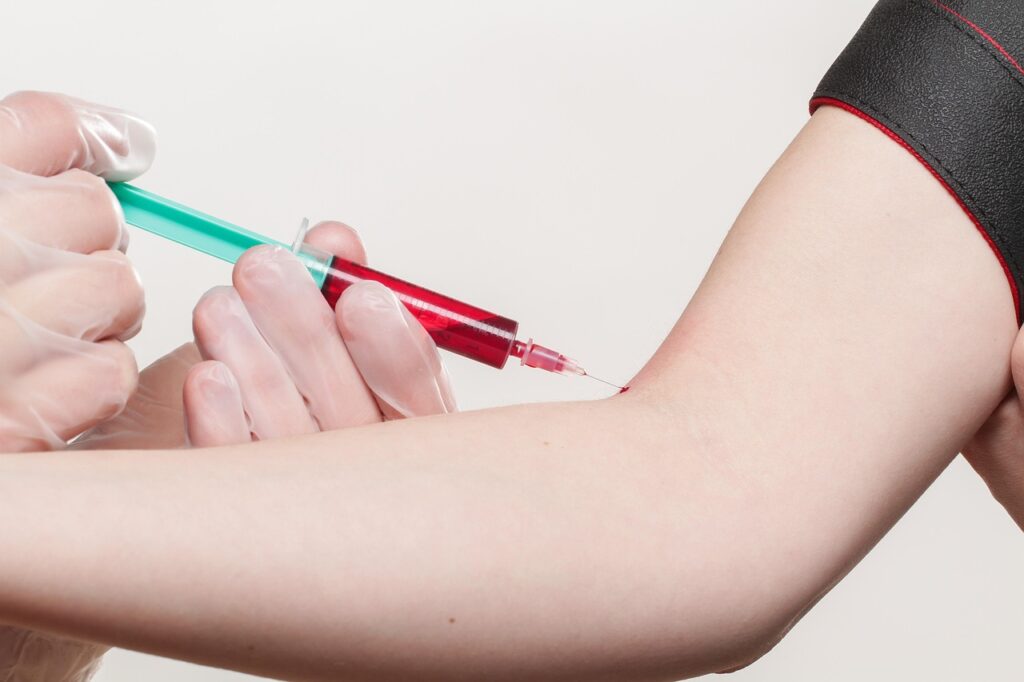
A cortisone injection cost typically ranges from about $100 to $300 without insurance for a standard office-based injection, though image-guided procedures and hospital-based treatments can push the total to $500 or more per injection. These are general estimates for 2026 — actual prices vary widely by region, provider, and how the visit is coded, so always confirm the price with your specific clinic before your appointment. Corticosteroid injections are one of the most widely used interventional treatments in orthopedics, rheumatology, sports medicine, and pain management — the National Institute of Arthritis and Musculoskeletal and Skin Diseases notes they remain a cornerstone of inflammatory joint and soft tissue care for conditions ranging from osteoarthritis and bursitis to tendinitis and plantar fasciitis. Whether you are dealing with a painful knee, frozen shoulder, tennis elbow, or heel pain, knowing the price breakdown by setting and body area prevents billing surprises. For a broader look at treatment costs across the healthcare system, visit our healthcare costs guide.
Good to know: The prices in this guide are general estimates that change over time and differ from clinic to clinic; treat them as a starting point, not a quote. A cortisone injection treats inflammation and pain but does not cure the underlying condition, and there are limits on how often it can be given safely. This article is educational and is not medical advice — your doctor should decide whether an injection is appropriate for you and how it fits your overall treatment plan.
Average Cortisone Injection Cost by Setting
Where and how the injection is performed matters more than most patients realize — and it is often the largest determinant of what you will pay beyond your insurance copay.
Office-Based Injection (No Imaging Guidance)
A cortisone injection performed by palpation — where the doctor locates the injection site by feel and anatomical landmarks — commonly costs $100 to $250 without insurance. This price generally includes the office visit (or a portion of it, depending on coding), the corticosteroid medication itself (which costs the practice only a few dollars), and the injection procedure fee. It is the most common and most affordable approach for large, easily accessible joints and soft tissue structures like the knee, shoulder (subacromial space), elbow (lateral epicondyle), and heel (plantar fascia). The injection takes only seconds to perform, though the entire visit including evaluation, preparation, and post-injection observation typically lasts 15 to 25 minutes.
Ultrasound-Guided Injection
When precision matters — for smaller joints, deeper structures, tendons, or areas where landmark-based injection accuracy is poor — ultrasound guidance can improve placement accuracy and outcomes. The cost typically rises to $200 to $500 without insurance because of the additional imaging fee (CPT code 76942). The ultrasound machine allows the provider to visualize the needle entering the target in real time, confirming accurate delivery of the medication. Studies in journals such as the Journal of Bone and Joint Surgery and Annals of the Rheumatic Diseases have found that ultrasound guidance improves accuracy for hip, wrist, ankle, and small joint injections — landmark-based (“blind”) hip injections in particular can miss the joint capsule a substantial share of the time compared with near-complete accuracy under ultrasound.
Fluoroscopy-Guided Injection
For certain deep joint or spinal-adjacent injections, fluoroscopy (live X-ray) guidance provides the imaging necessary for safe, accurate needle placement. These injections generally cost $300 to $700 without insurance and are typically performed in a procedure suite, pain management clinic, or outpatient center rather than a standard exam room. Spinal facet joint injections, sacroiliac joint injections, and hip injections in patients with complex anatomy often use fluoroscopy. While the technique provides excellent visualization of bony landmarks, it involves radiation exposure and requires more equipment and staffing than ultrasound, contributing to the higher cost. For epidural-level spinal injections, see our separate guide on epidural steroid injection cost.
Cortisone Injection Cost by Body Area
The specific joint or soft tissue structure being treated affects cost primarily because some areas require imaging guidance while others do not — and because the evaluation and management complexity varies by anatomic region. The ranges below are typical self-pay estimates and can vary by market.
- Knee: $100 to $300 — one of the most common injection sites, usually performed by palpation with good accuracy due to the large joint space
- Shoulder (subacromial bursa or glenohumeral joint): $150 to $350 — subacromial injections are typically landmark-guided, while glenohumeral injections may benefit from ultrasound guidance for improved accuracy
- Hip: $200 to $500 — almost always performed with ultrasound or fluoroscopic guidance due to the joint’s depth beneath layers of muscle and soft tissue
- Wrist and hand joints: $150 to $350 — smaller joints often benefit from ultrasound to avoid tendons and neurovascular structures
- Foot and heel (plantar fasciitis): $100 to $300 — typically landmark-guided for plantar fascia injections, though ultrasound can improve accuracy and help avoid fat pad atrophy
- Elbow (lateral epicondyle for tennis elbow): $100 to $250 — a superficial target that is easily accessed by palpation
- Trigger finger (flexor tendon sheath): $100 to $250 — a targeted injection into the A1 pulley area of the affected finger
- Sacroiliac joint: $250 to $500 — typically fluoroscopy-guided due to the complex anatomy
- Trochanteric bursa (hip bursitis): $150 to $350 — can be performed by palpation or with ultrasound for greater accuracy
Cortisone Injection Cost With Insurance vs Without Insurance
With insurance, a cortisone injection in your doctor’s office often costs $20 to $75 out of pocket — your standard specialist copay covers the visit, and the injection procedure fee is subject to your plan’s cost-sharing rules. If you have not yet met your deductible, you may owe the full negotiated rate for the injection procedure, which is commonly $80 to $200 for an office-based injection without imaging guidance. Ultrasound-guided injections have a separate imaging charge that may be subject to its own coinsurance, adding roughly $50 to $150 to your out-of-pocket share. Because plan designs differ, ask your insurer or the clinic’s billing office for an estimate based on your specific coverage.
Medicare Part B covers medically necessary cortisone injections and generally pays 80% of the Medicare-approved amount after the annual deductible, leaving the beneficiary responsible for the remaining 20% (often covered in part by a Medigap or supplemental plan). Because Medicare’s fee schedule sets tight reimbursement limits, out-of-pocket costs for beneficiaries tend to be relatively predictable and consistent across providers. Confirm current coverage details at Medicare.gov or with your plan.
Without insurance, the $100 to $500 range applies depending on setting and technique. Some primary care and orthopedic offices offer cash-pay pricing that bundles the evaluation, medication, and injection procedure for a flat fee — often in the range of $125 to $200 for a straightforward knee, shoulder, or elbow injection without imaging. This bundled approach provides cost certainty and is frequently the best deal for self-pay patients. Ask for the cash-pay price before your appointment, as it may be significantly lower than the itemized charges would total.
How Many Cortisone Injections Can You Get?
Most orthopedic and rheumatology guidelines suggest limiting cortisone injections to about three to four per joint per year, with a minimum interval commonly cited as six to twelve weeks between injections in the same joint. This limitation exists because repeated corticosteroid exposure can weaken cartilage, thin surrounding tissues, and potentially accelerate degenerative changes over time, according to research reviewed by the Mayo Clinic. Your own doctor may recommend a different limit based on your joint, diagnosis, and response.
Because of these limits, your annual cortisone injection cost for managing a single joint is typically capped in the range of $300 to $1,200 without insurance (three to four injections per year), or roughly $60 to $300 with insurance (three to four copays). While this makes cortisone one of the more affordable interventional treatments available, the frequency limit means you may need to plan strategically — saving injections for the worst flares rather than using them at the first sign of discomfort. Remember that cortisone manages symptoms; it does not repair the joint or cure the underlying condition.
If cortisone injections provide only short-lived relief (less than four weeks) or diminishing returns with each successive injection, your doctor may recommend alternative treatments. PRP (platelet-rich plasma) injections offer a regenerative approach that may provide longer-lasting relief for certain conditions, though evidence is still evolving and the per-treatment cost is higher. Hyaluronic acid viscosupplementation (used mainly for knee osteoarthritis) is another alternative, costing several hundred dollars per injection series and covered by some insurance plans. Physical therapy addresses the underlying biomechanical or strength deficits that contribute to the painful condition and can reduce or eliminate the need for ongoing injections.
How to Save Money on Cortisone Injections
Have it done in a primary care or orthopedic office, not a hospital outpatient department. The same injection that costs about $150 in a doctor’s office may cost $400 to $600 at a hospital outpatient clinic due to the facility fee that hospitals add to every outpatient encounter. This facility fee — which can add a few hundred dollars per visit — provides no clinical benefit for a routine cortisone injection. Unless you specifically need fluoroscopic guidance available only in a hospital or procedure center setting, a freestanding physician’s office is usually the most affordable option.
Ask whether imaging guidance is truly necessary for your injection. For large, superficial joints like the knee, landmark-based (palpation) injections are highly accurate when done by experienced providers. Choosing a landmark-guided injection over an ultrasound-guided one can save $100 to $250 per injection. Reserve image guidance for smaller or deeper joints (hip, sacroiliac, small hand and foot joints) where accuracy by palpation alone is demonstrably lower. Follow your clinician’s judgment on when guidance genuinely improves safety or accuracy.
Combine the injection with physical therapy for longer-lasting results. A cortisone injection can provide a window of reduced pain, often two to four weeks, during which physical therapy may be substantially more effective because you can move and exercise with less discomfort. This strategic pairing — injection followed by focused rehab during the lower-pain window — may reduce the total number of injections you need over the year, producing better outcomes and lower cumulative cost.
Use your HSA or FSA. Cortisone injections are eligible expenses for Health Savings Accounts and Flexible Spending Accounts. Paying with pre-tax dollars effectively reduces your net cost, with the savings depending on your marginal tax bracket. This applies to the office visit, injection procedure, and any imaging guidance charges.
Compare cost-effectiveness against alternative injection therapies. A single PRP injection can cost several hundred to a couple thousand dollars, which may seem expensive next to a cortisone shot. But if you need three to four cortisone injections per year and they provide only temporary relief, while a single PRP injection provides longer-lasting improvement for you, the annual cost comparison can narrow. Discuss the realistic evidence and the long-term cost picture with your treating physician before choosing.
Ask about different corticosteroid formulations. Some formulations (such as triamcinolone or methylprednisolone) are marginally more expensive than others (such as betamethasone or dexamethasone), but the medication cost is a tiny fraction of the total charge — usually only a few dollars to a few tens of dollars for the drug itself. The choice should be based on clinical appropriateness rather than cost, but it is worth knowing that the steroid itself is not what makes injections expensive.
Frequently Asked Questions
How long does a cortisone injection last?
Relief from a cortisone injection typically lasts four to twelve weeks, though some patients experience benefits for several months, particularly with a first injection. The duration depends on the severity of the underlying inflammation, the joint or structure involved, the specific corticosteroid formulation used, and individual patient factors. First injections into a given joint tend to provide the longest relief, with diminishing duration on subsequent injections for some patients — a pattern that may signal progressive disease rather than reduced medication effectiveness.
Are cortisone injections painful?
Most patients describe a brief, moderate sting during the needle insertion followed by a sensation of pressure as the medication is injected — the injection portion itself usually takes only five to ten seconds. Many providers mix a local anesthetic (such as lidocaine or bupivacaine) with the corticosteroid to provide immediate numbing and reduce injection discomfort. A temporary “cortisone flare” — a painful inflammatory reaction at the injection site lasting 24 to 48 hours — occurs in a minority of patients and can usually be managed with ice and over-the-counter pain relievers. After the flare resolves, the anti-inflammatory effect of the cortisone begins.
Does insurance cover cortisone injections?
Generally, yes. Cortisone injections for documented inflammatory conditions, osteoarthritis, bursitis, tendinitis, and other musculoskeletal pain conditions are covered by most insurance plans, including Medicare and Medicaid, when they are medically necessary. You will typically owe your specialist copay or coinsurance for the office visit, plus any applicable cost-sharing for the injection procedure and imaging guidance if used. Coverage rules and prior-authorization requirements can vary by plan, so verify with your insurer.
Can cortisone injections damage your joints?
Evidence suggests that repeated, frequent corticosteroid injections into the same joint may accelerate cartilage loss over time. A widely cited randomized trial published in JAMA in 2017 found that patients receiving cortisone injections every three months for knee osteoarthritis had slightly more cartilage loss over two years compared with those receiving placebo injections, and pain relief was not significantly better. This is why most physicians limit injections to about three to four per joint per year and recommend complementing injections with exercise, physical therapy, and weight management to address the underlying condition. Occasional injections for acute flares are generally considered to carry low long-term risk, but this is a decision to make with your doctor.
Is a cortisone injection a cure?
No. A cortisone injection reduces inflammation and pain, which can create a valuable window for rehabilitation, but it does not repair damaged cartilage, tendons, or the underlying condition. It is best thought of as one tool within a broader plan that usually includes activity modification, strengthening, and, in some cases, surgery. If injections stop working or you need them more and more often, that is a signal to revisit the treatment plan with your clinician.
The Bottom Line
Cortisone injections are one of the more affordable and accessible interventional pain treatments available, typically costing about $100 to $300 without insurance and often $20 to $75 with standard coverage — though prices vary and are worth confirming in advance. The key cost variables are the injection setting (office versus hospital), whether imaging guidance is used (and whether it is clinically necessary for your specific joint), and the body area being treated. Choosing a freestanding physician’s office over a hospital, questioning the need for imaging guidance on large superficial joints, and strategically combining injections with physical therapy for lasting relief are among the smartest ways to manage both your pain and your expenses. Keep in mind that cortisone treats symptoms rather than curing the problem, and that frequency limits exist for good reason. If you find yourself needing frequent injections with diminishing returns, have a conversation with your doctor about longer-lasting alternatives like PRP therapy or, for spinal conditions, epidural steroid injections.
Sources
- National Institute of Arthritis and Musculoskeletal and Skin Diseases (NIAMS) — corticosteroid injections and musculoskeletal care
- Mayo Clinic — Cortisone shots (uses, risks, and frequency limits)
- Medicare.gov — Part B coverage and cost-sharing for injections
- JAMA (2017) — Effect of Intra-articular Triamcinolone vs Saline on Knee Cartilage and Pain in Osteoarthritis
- GoodRx and manufacturer pricing context — corticosteroid medication and injection cost estimates