
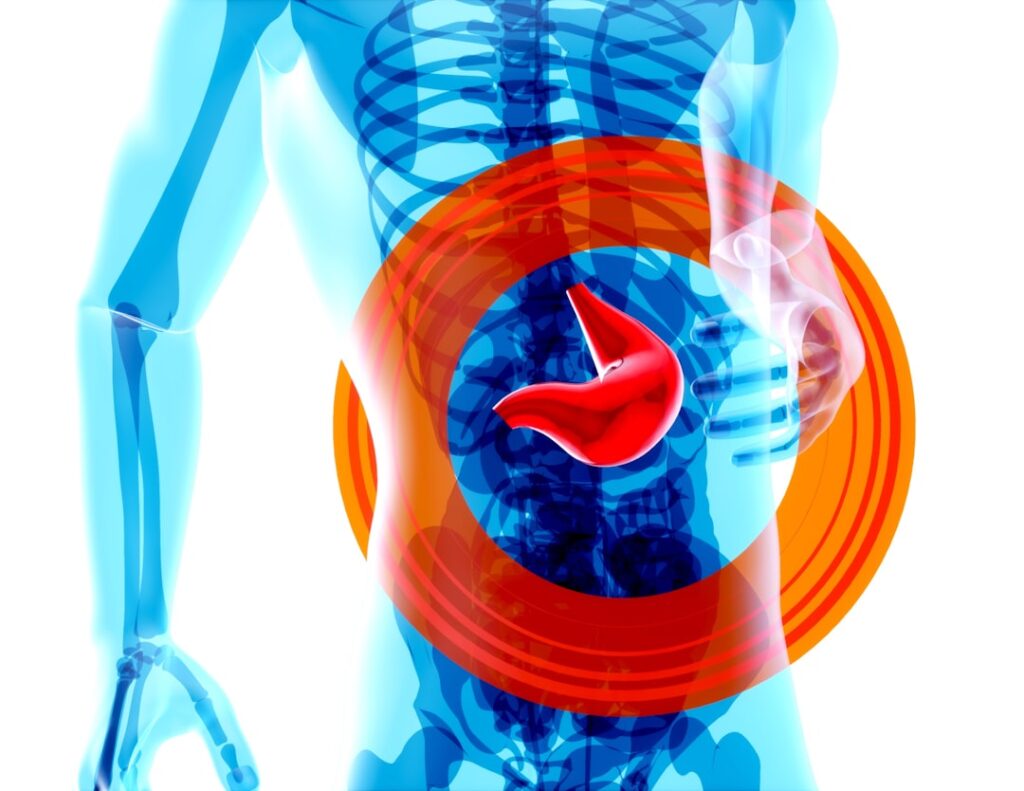
Feeling nauseous without actually throwing up can be just as miserable as vomiting itself, and sometimes even more frustrating because the discomfort lingers without resolution. The causes of nausea without vomiting are surprisingly diverse, ranging from benign digestive issues to conditions that require prompt medical attention.
Understanding the causes of nausea without vomiting can help you identify patterns, communicate more effectively with your healthcare provider, and take steps toward relief. As the Cleveland Clinic and other medical authorities describe it, nausea is not a disease itself but a symptom that can be triggered by dozens of different conditions affecting the brain, digestive system, inner ear, hormones, and other organ systems. That range is exactly why nausea should never be automatically assumed to be trivial: most cases are benign, but a minority are the first sign of something serious.
The short version: Nausea without vomiting usually comes from something manageable — reflux, a medication, anxiety, a migraine, inner-ear trouble, blood-sugar swings, or early pregnancy. But it can also be an early warning of a heart attack, dangerously high blood sugar, or a brain or abdominal emergency, so it is not safe to assume it is nothing. Note when it happens and what comes with it, use the red-flag list below, and see a clinician for anything persistent or alarming. This article is general information, not a diagnosis or medical advice for your situation.
Digestive System Causes
The gastrointestinal tract is the most common source of nausea. Several digestive conditions can produce persistent queasiness without progressing to vomiting:
Gastroesophageal reflux disease (GERD). When stomach acid flows back into the esophagus, it can cause a chronic feeling of nausea, particularly after meals or when lying down. GERD is common, affecting roughly one in five American adults by many estimates. Many people associate GERD primarily with heartburn, but nausea is one of its frequent symptoms. The nausea tends to worsen after eating large meals, consuming acidic or fatty foods, or bending over.
Gastroparesis. This condition involves delayed stomach emptying due to impaired nerve function. Food remains in the stomach longer than normal, causing nausea, bloating, and a feeling of fullness after eating only small amounts. According to the Mayo Clinic, gastroparesis is most commonly associated with diabetes but can also be caused by surgery, certain medications, and neurological conditions. The nausea is typically worse after meals and may be accompanied by visible abdominal distension.
Functional dyspepsia. Sometimes called “nervous stomach,” functional dyspepsia causes chronic upper abdominal discomfort and nausea without any identifiable structural or biochemical cause. Research in gastroenterology journals suggests functional dyspepsia affects a substantial share of the general population. The nausea may be constant or may come and go without a clear pattern.
Irritable bowel syndrome (IBS). While IBS is primarily known for causing abdominal pain, diarrhea, and constipation, nausea is a frequently reported symptom. A meaningful proportion of people with IBS report regular nausea. The exact mechanism is not fully understood but may involve visceral hypersensitivity, meaning the gut nerves are more reactive than normal.
Food intolerances. Lactose intolerance, gluten sensitivity, and other food intolerances can cause nausea after consuming trigger foods. Unlike food allergies, which involve the immune system and can cause severe reactions, food intolerances typically produce milder but uncomfortable digestive symptoms including nausea, bloating, and gas.
Gallbladder and liver problems. Gallstones, gallbladder inflammation, and liver conditions can cause nausea, often alongside pain in the upper-right abdomen, especially after fatty meals. Nausea paired with severe upper-abdominal pain, yellowing of the skin or eyes (jaundice), or a high fever needs prompt evaluation.
Medication and Substance-Related Causes
Many medications list nausea as a common side effect. In fact, nausea is one of the most frequently reported adverse effects across all drug classes. Medications known to cause nausea without necessarily leading to vomiting include:
- Antibiotics, particularly erythromycin, metronidazole, and fluoroquinolones
- Nonsteroidal anti-inflammatory drugs (NSAIDs) such as ibuprofen and naproxen, especially when taken on an empty stomach
- Selective serotonin reuptake inhibitors (SSRIs) and other antidepressants, particularly during the first few weeks of treatment
- Opioid pain medications including codeine, oxycodone, and morphine
- Iron supplements, which are notorious for causing gastrointestinal side effects
- Metformin and some other diabetes medications, especially when first started or increased
- GLP-1 medications (such as those used for type 2 diabetes and weight management), which commonly cause nausea, particularly early in treatment or after a dose increase
- Chemotherapy drugs, though these more commonly cause nausea with vomiting
- Birth control pills, especially during the first few months of use
Alcohol consumption, even in moderate amounts, can cause lingering nausea by irritating the stomach lining and triggering an inflammatory response. Caffeine withdrawal can also produce nausea in regular coffee drinkers who suddenly reduce their intake. If you suspect a medication is causing your nausea, do not stop a prescribed drug on your own — talk with your prescriber or pharmacist, who can advise on timing, food, or alternatives.
Psychological and Neurological Causes
The brain plays a central role in nausea, which is why psychological and neurological conditions are among the common causes of nausea without vomiting:
Anxiety and stress. The gut-brain connection is well established in medical literature. Anxiety activates the autonomic nervous system, which can alter gut motility, increase stomach acid production, and trigger nausea. Gastrointestinal symptoms including nausea are among the most common physical manifestations of anxiety disorders. The nausea may be chronic and low-grade or may spike during periods of acute anxiety.
Migraines. Nausea is one of the hallmark symptoms of migraine, affecting a large majority of people who get migraines according to the American Migraine Foundation. In some cases, nausea can occur as part of the migraine prodrome, appearing hours before the headache begins. Some people, especially children, experience nausea and abdominal pain as a primary feature, a pattern sometimes called “abdominal migraine.”
Vestibular disorders. Conditions affecting the inner ear and balance system, including benign paroxysmal positional vertigo (BPPV), Meniere’s disease, and vestibular neuritis, commonly cause nausea along with dizziness. The nausea occurs because the brain receives conflicting signals about body position and movement from the inner ear, eyes, and body sensors.
Concussion and traumatic brain injury. Nausea is a common symptom following head injuries. The CDC lists nausea among the warning signs of concussion and recommends medical evaluation for anyone experiencing persistent nausea after a head impact. Nausea that worsens after a head injury, or comes with repeated confusion, drowsiness, or a severe headache, needs urgent assessment.
Hormonal and Metabolic Causes
Hormonal fluctuations and metabolic imbalances can trigger nausea through various mechanisms:
Pregnancy. Nausea of pregnancy — often called morning sickness, though it can occur at any time of day — affects a large majority of pregnant people. It typically begins around the sixth week, peaks in the following weeks, and eases for most by around the end of the first trimester, though some experience it longer. It is thought to be driven by rising levels of human chorionic gonadotropin (hCG) and estrogen. In a severe form known as hyperemesis gravidarum, nausea and vomiting can become debilitating and may require medical treatment. In pregnancy, do not take any medication or supplement for nausea without checking with your obstetric provider first.
Menstrual cycle. Many people experience nausea around the time of their period due to prostaglandin release and hormonal shifts. Prostaglandins, which trigger uterine contractions, can also affect the gastrointestinal tract, causing nausea, diarrhea, and abdominal cramping.
Thyroid disorders. Both hyperthyroidism and hypothyroidism can cause nausea. Hyperthyroidism accelerates metabolism and can increase gut motility, while hypothyroidism slows digestion and can lead to constipation and nausea.
Blood sugar swings and diabetes. Both low blood sugar (hypoglycemia) and high blood sugar (hyperglycemia) can cause nausea. In people with diabetes, nausea can be an early sign of a dangerous emergency called diabetic ketoacidosis (DKA), especially when it comes with excessive thirst, frequent urination, a fruity smell on the breath, deep or rapid breathing, and confusion — see the red-flag box below.
Adrenal insufficiency. Low cortisol levels can cause chronic nausea along with fatigue, weakness, and low blood pressure. This condition requires medical diagnosis and treatment with hormone replacement.
Kidney disease. As kidney function declines, waste products accumulate in the blood, a condition called uremia. Nausea is one of the earliest symptoms of declining kidney function and becomes more pronounced as the disease progresses.
When Nausea Signals Something Serious
Call 911 or go to the emergency room if nausea comes with any of these — do not wait to see if it passes:
- Chest pain or pressure, shortness of breath, cold sweats, or pain spreading to the arm, jaw, or back. Nausea can be a warning sign of a heart attack, and it is more likely to be the main or only symptom in women, people with diabetes, and older adults — do not dismiss it.
- The sudden “worst headache of your life,” a stiff neck with fever, confusion, trouble speaking, weakness on one side, or a seizure (possible bleeding in the brain, meningitis, or stroke).
- Signs of very high blood sugar / diabetic ketoacidosis: excessive thirst, frequent urination, a fruity or acetone smell on the breath, deep or rapid breathing, drowsiness, or confusion — especially in someone with diabetes.
- Severe or sudden abdominal pain, a rigid or very tender belly, or nausea with blood in vomit or stool (which may look black or tarry).
- Signs of dehydration: very dark urine, little or no urination, dizziness or fainting, dry mouth, or rapid heartbeat.
- A recent head injury, or a high fever that will not come down.
- In pregnancy: severe or constant vomiting, signs of dehydration, abdominal pain, vaginal bleeding, a severe headache, vision changes, or swelling — contact your obstetric provider or seek urgent care.
Nausea can occasionally be a symptom of serious conditions including heart attack, appendicitis, pancreatitis, bowel obstruction, meningitis, or increased pressure in the brain. When in doubt, get evaluated — it is always reasonable to have alarming symptoms checked.
Even without these red flags, persistent or unexplained nausea should be evaluated by a healthcare provider. Nausea lasting more than a couple of days without a clear cause, nausea that keeps you from eating or drinking, or nausea that steadily worsens all warrant a medical assessment rather than continued waiting.
Practical Relief Strategies
While addressing the underlying cause is the most effective long-term solution, several general self-care strategies may provide symptomatic relief for mild nausea. These are not a substitute for diagnosis, and they are not appropriate if you have any of the emergency signs above:
- Ginger. Research supports ginger’s anti-nausea properties. Ginger tea, real-ginger ginger ale, ginger chews, or crystallized ginger are common options.
- Peppermint. Peppermint tea or peppermint-oil aromatherapy can help calm the stomach for some people. Note that peppermint can worsen reflux in people with GERD.
- Small, frequent meals. Eating small amounts every few hours can prevent the empty stomach that often worsens nausea.
- Bland foods. Gentle foods such as bananas, rice, applesauce, and toast are easy on the stomach during episodes of nausea.
- Stay hydrated. Sip clear fluids slowly throughout the day. Cool water, oral rehydration or electrolyte drinks, and clear broths are usually well tolerated.
- Acupressure. Pressing on the P6 point on the inner wrist has reduced nausea in some studies and is low-risk to try.
- Avoid triggers. Strong odors, heavy or greasy foods, and warm, stuffy environments can worsen nausea.
Some over-the-counter and prescription medications can help with certain types of nausea, but the right choice depends entirely on the cause, your other conditions, pregnancy status, and other medications you take — so they are best chosen with a pharmacist or clinician rather than by guesswork. Do not combine remedies or exceed label directions, and check before using any product in pregnancy or in children. For persistent nausea, your clinician can identify the cause and recommend appropriate treatment. Consult our medical conditions guide for information on related digestive conditions.
Frequently Asked Questions
Why do I feel nauseous every morning but never throw up?
Morning nausea that does not result in vomiting has several potential causes. Low blood sugar after an overnight fast, GERD exacerbated by lying flat during sleep, post-nasal drip, anxiety about the upcoming day, and early pregnancy are all common culprits. Eating a small snack before bed or keeping a few plain crackers by your bedside can help with blood-sugar-related morning nausea. If the symptom persists for more than a couple of weeks, or could be pregnancy, see your doctor to identify the cause.
Can dehydration cause nausea without vomiting?
Yes, dehydration is a common and often overlooked cause of nausea. When your body does not have enough fluid, blood volume decreases, blood pressure can drop, and digestion slows down, all of which can trigger nausea. The irony is that nausea itself can make it difficult to drink fluids, potentially worsening the dehydration. Sipping small amounts of water or an oral rehydration solution frequently is more effective than trying to drink large amounts at once. General guidance suggests roughly 11.5 cups of total daily fluids for women and 15.5 cups for men, though individual needs vary with activity, climate, and health conditions. Seek care if you have signs of significant dehydration such as very dark urine, dizziness, or little to no urination.
Is constant nausea a sign of cancer?
While persistent nausea can occasionally be a symptom of certain cancers, particularly those affecting the stomach, pancreas, liver, or brain, it is far more commonly caused by benign conditions. Cancer-related nausea is usually accompanied by other symptoms such as unexplained weight loss, loss of appetite, changes in bowel habits, abdominal pain, or jaundice. If you experience persistent, unexplained nausea lasting more than two weeks, especially with any of these additional symptoms, see your doctor for evaluation. In most cases, the cause will be something treatable and non-cancerous, but it is worth getting checked.
Can anxiety cause nausea that lasts all day?
Yes. Chronic anxiety can produce persistent, low-grade nausea that lasts throughout the day or for days at a time. This occurs because anxiety keeps the autonomic nervous system in a heightened state, continuously affecting gut function. The nausea may fluctuate in intensity but rarely fully resolves as long as the anxiety persists. Treating the underlying anxiety through therapy, stress management, and, when appropriate, medication typically improves the nausea as well. Cognitive behavioral therapy has been shown to reduce both psychological and physical symptoms of anxiety, including gastrointestinal complaints. That said, do not assume nausea is “just anxiety” if you also have any of the red-flag symptoms above.
How long should I wait before seeing a doctor for nausea?
Use symptoms as your guide, not just the clock. Seek care right away for any of the emergency signs listed above. Otherwise, see a clinician if nausea lasts more than a couple of days without a clear cause, keeps returning, prevents you from eating or drinking, could be related to pregnancy or a new medication, or interferes with daily life. Keeping a short log of when the nausea happens and what accompanies it will make that appointment far more productive.
The Bottom Line
The causes of nausea without vomiting are wide-ranging, and while most are identifiable and treatable with proper evaluation, a minority signal something urgent — so it is not safe to assume nausea is always harmless. Paying attention to when your nausea occurs, what triggers it, and what other symptoms accompany it provides valuable diagnostic clues. Act immediately on the red flags, especially nausea with chest pain, severe headache, confusion, signs of very high blood sugar, or pregnancy warning signs. And if nausea is interfering with your daily life or has persisted for more than a few days without a clear explanation, consult a healthcare provider for a thorough assessment.
Sources
- Cleveland Clinic — Nausea overview
- Mayo Clinic — Gastroparesis, GERD, and nausea and vomiting
- MedlinePlus / National Institutes of Health — nausea and related conditions
- American Migraine Foundation — migraine symptoms
- American College of Obstetricians and Gynecologists (ACOG) — nausea and vomiting of pregnancy
- Centers for Disease Control and Prevention — concussion warning signs
- American Diabetes Association — diabetic ketoacidosis (DKA) warning signs
- American Heart Association — heart attack symptoms, including atypical symptoms in women