
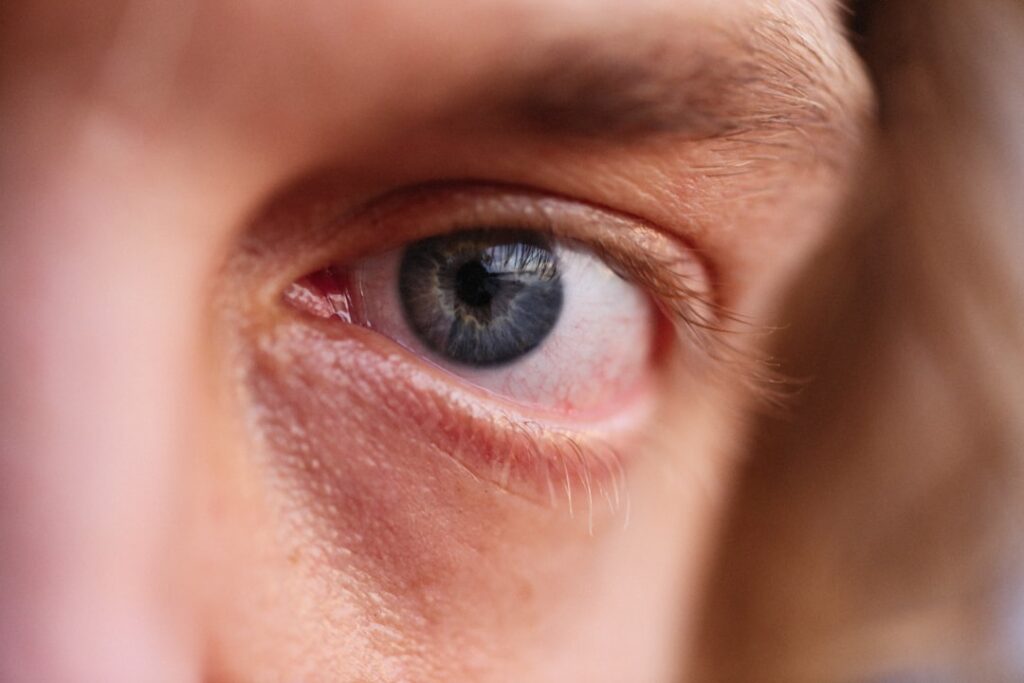
The causes of eye pressure pain range from common and harmless conditions like eye strain and sinus congestion to rare but serious threats to vision, such as acute angle-closure glaucoma. That uncomfortable feeling of pressure behind, around, or inside the eyes is one of the most frequent complaints seen by eye doctors and primary care providers alike, and the good news is that most cases are not dangerous.
Still, a small number of the causes of eye pressure pain are emergencies, and knowing how to tell them apart can protect your sight. Because treatment varies dramatically depending on the underlying condition, this guide leads with the warning signs that mean you should get help immediately, then covers the common, benign causes, how to distinguish between them, and when to see a doctor. For more health topics, visit our medical conditions guide.
Emergency First: When Eye Pressure Pain Means Call 911 or Go to the ER
Seek emergency care right away, call 911 or go to the nearest emergency room, if you have any of the following:
- Acute angle-closure glaucoma: sudden, severe eye pain and headache, plus nausea or vomiting, halos or rainbow rings around lights, blurred or hazy vision, and a red eye. This is a vision-threatening emergency; permanent vision loss can occur within hours without treatment.
- Sudden loss of vision or a sudden, significant change in vision in one or both eyes.
- Eye pain after trauma, a blow, or a chemical or foreign-body injury to the eye.
- Signs of orbital cellulitis: a bulging or displaced eye, fever, swelling and redness around the eye, pain with eye movement, or new double vision. This deep infection can spread and needs urgent hospital treatment.
- New severe headache with scalp tenderness or jaw pain in an adult over 50, which can signal giant cell (temporal) arteritis, a treatable cause of sudden blindness if caught early.
When in doubt with sudden, severe eye pain and vision changes, treat it as an emergency. It is always better to be evaluated and reassured than to lose vision to a delay.
Glaucoma and Intraocular Pressure
Glaucoma is the most serious potential cause of eye pressure pain and a leading cause of irreversible blindness worldwide. It occurs when fluid (aqueous humor) does not drain properly from the eye, raising intraocular pressure (IOP) and damaging the optic nerve. There are several forms, and they behave very differently.
Acute angle-closure glaucoma (the emergency form): This happens when the eye’s drainage angle is suddenly blocked, causing a rapid spike in intraocular pressure. It is the type described in the emergency box above. According to the American Academy of Ophthalmology and the National Eye Institute, symptoms include:
- Severe eye pain that comes on suddenly
- Intense pressure in or around the eye
- Blurred or hazy vision
- Halos or rainbow rings around lights
- Nausea and vomiting
- A red eye
- Headache on the affected side
Acute angle-closure glaucoma requires immediate emergency treatment with medications to lower eye pressure, usually followed by a laser procedure (iridotomy) that creates a new drainage pathway. Without prompt treatment, permanent vision loss can occur within hours, which is why this cause leads the list even though it is uncommon.
Open-angle glaucoma: The most common form, affecting roughly 3 million Americans according to the CDC. Open-angle glaucoma develops slowly and is often called the “silent thief of sight” because it usually causes no pain or symptoms until significant peripheral vision has already been lost. Elevated pressure may be found during a routine eye exam, but most people with open-angle glaucoma do not feel any sensation of eye pressure. This is precisely why regular eye exams matter.
Normal-tension glaucoma: Optic nerve damage occurs even though eye pressure measurements read as normal. The cause is not fully understood but may involve reduced blood flow to the optic nerve. This form does not typically produce a pressure sensation either.
Sinusitis and Sinus-Related Eye Pressure
Sinus inflammation is one of the most common and benign causes of eye pressure pain, especially pressure felt behind or around the eyes.
How sinuses cause eye pressure: The sinuses are air-filled cavities in the skull, and several sit close to the eyes. The frontal sinuses lie above the eyes, the ethmoid sinuses between the eyes, and the maxillary sinuses below the eyes. When these become inflamed and congested, the resulting pressure can radiate into the eye area, which is why a bad head cold can make the eyes feel achy and full.
Common signs of sinusitis include:
- Pressure or pain behind the eyes, forehead, or cheeks
- Nasal congestion and thick nasal discharge
- Reduced sense of smell
- Headache that worsens when bending forward
- Fever, more often with bacterial sinusitis
- Upper tooth pain
The CDC notes that sinus infections are extremely common in the United States each year. Most cases are viral and resolve within about 7 to 10 days without antibiotics; only a minority are bacterial and may need antibiotic treatment. Talk with a clinician if symptoms are severe, last beyond about ten days, or improve and then worsen again.
Self-care that may ease sinus-related eye pressure:
- Saline nasal irrigation (neti pot or squeeze bottle) using distilled, sterile, or previously boiled and cooled water
- Short-term decongestant nasal sprays (used only for a few days to avoid rebound congestion)
- Steam inhalation and warm compresses over the sinuses
- Over-the-counter pain relievers such as ibuprofen or acetaminophen, used as directed
- Nasal corticosteroid sprays for persistent symptoms
Always follow the product label and check with a pharmacist or clinician before combining medications, especially if you have high blood pressure or take other prescriptions.
Eye Strain and Digital Eye Fatigue
In a screen-heavy world, eye strain is an increasingly common and thoroughly benign cause of eye pressure and discomfort.
Computer vision syndrome (digital eye strain): Extended screen time makes the eyes work harder, leading to a sensation of pressure, tiredness, and discomfort. According to the American Academy of Ophthalmology, these symptoms are very common among people who spend long hours on computers and devices.
Symptoms of eye strain include:
- An aching or heavy feeling behind the eyes
- Difficulty focusing
- Dry, burning, or watery eyes
- Headache centered around the eyes or forehead
- Neck and shoulder tension
- Increased sensitivity to light
Prevention and relief:
- Follow the 20-20-20 rule: every 20 minutes, look at something about 20 feet away for 20 seconds
- Position screens at roughly arm’s length and slightly below eye level
- Reduce glare with adjusted room lighting or an anti-glare filter
- Blink frequently and use artificial tears to keep the eyes moist
- Get an updated glasses or contact lens prescription, since uncorrected vision problems worsen strain
- Consider computer glasses with an anti-reflective coating
Migraines and Headache-Related Eye Pressure
Several types of headaches cause pressure sensations in and around the eyes.
Migraine: Migraines frequently cause throbbing pain and pressure behind one eye, often with nausea and sensitivity to light and sound. Some migraines include a visual aura, such as flashing lights, zigzag lines, or brief vision changes, before the headache starts. Migraine is common, affecting a substantial share of the population, and is a well-recognized benign cause of eye pressure.
Tension headache: The most common headache type, tension headaches create a band-like pressure around the head that can extend to a feeling of pressure behind the eyes. The pain is usually on both sides and feels pressing or tightening rather than throbbing.
Cluster headache: Intense, one-sided pain centered around or behind one eye, often described as burning or stabbing. Cluster headaches come in cyclical bouts and are accompanied by eye redness, tearing, nasal congestion, and a drooping eyelid on the affected side. They are among the most painful conditions known and warrant medical evaluation for proper treatment.
Treatment approaches vary by headache type and should be guided by a clinician. Options range from over-the-counter or prescription pain relievers and migraine-specific medications to oxygen therapy for cluster headaches and preventive medications for frequent episodes. Do not start or combine prescription headache medications without medical guidance.
Other Causes of Eye Pressure Pain
Several additional conditions can produce eye pressure sensations, some of which need prompt professional care:
Optic neuritis: Inflammation of the optic nerve, sometimes associated with multiple sclerosis, causing pain with eye movement and vision changes. It needs prompt neurological and eye evaluation.
Uveitis and scleritis: Inflammation inside the eye (uveitis) or of the white wall of the eye (scleritis) can cause deep, aching eye pain, redness, light sensitivity, and blurred vision. These are sometimes linked to autoimmune conditions and require prompt care from an eye doctor to prevent complications.
Thyroid eye disease (Graves’ ophthalmopathy): An autoimmune condition associated with Graves’ disease that causes swelling of the muscles and tissues behind the eyes, producing a feeling of pressure and sometimes bulging eyes, double vision, and pain with eye movement.
Dry eye disease: Insufficient or poor-quality tears can create a sensation of pressure, grittiness, burning, and fatigue. It is very common and usually manageable, though persistent cases benefit from evaluation.
Orbital cellulitis: A deep infection of the tissues around the eye that causes a bulging eye, fever, severe pain, redness, and vision changes. As noted in the emergency box, this is a medical emergency requiring urgent hospital care.
Giant cell (temporal) arteritis: Inflammation of blood vessels near the temples that can cause severe headache, scalp tenderness, jaw pain, and sudden vision loss, most often in adults over 50. It is treatable but can cause permanent blindness if not addressed quickly, so suspected cases need immediate medical attention.
How to Tell the Common Causes Apart
Because so many of the causes of eye pressure pain overlap, a few patterns help point you in the right direction. Sinus pressure usually travels with nasal congestion and facial tenderness and worsens when you bend forward. Eye strain tends to build over a long day of screen use and eases with rest. Tension headaches feel like a band around the head. By contrast, the emergency picture, sudden severe pain with headache, nausea, halos, and blurred vision, is different in character and demands immediate care. When you cannot tell, an eye care professional can measure your intraocular pressure and examine the eye directly.
When to See a Doctor
Seek immediate care (as in the emergency box) for sudden severe eye pain, sudden vision loss, halos around lights with pain and nausea, eye pain after trauma, or a bulging eye with fever.
Schedule a routine appointment if:
- Eye pressure or discomfort persists for more than a few days
- You have not had an eye exam in over two years
- Eye strain is frequent and interfering with work or daily life
- You have a family history of glaucoma
- You notice gradual changes in your peripheral vision
Frequently Asked Questions
Can stress cause eye pressure pain?
Stress does not directly raise intraocular pressure in most people, but it can trigger tension headaches and eye strain that produce a pressure sensation around the eyes. Chronic stress also contributes to poor sleep, jaw clenching, and facial muscle tension, all of which can refer discomfort to the eye area.
Does high blood pressure cause eye pressure?
High blood pressure does not usually cause a sensation of eye pressure. However, long-standing hypertension can damage blood vessels in the retina and is relevant to overall eye health. Regular blood pressure monitoring and eye exams both matter for protecting your vision.
How can I tell if eye pressure is glaucoma or sinusitis?
Sinus-related pressure usually comes with nasal congestion and facial tenderness and worsens when bending forward. The emergency form of glaucoma (acute angle-closure) causes sudden severe pain, vision changes, halos around lights, and nausea, without nasal symptoms, and needs emergency care. Chronic open-angle glaucoma typically causes no pressure sensation at all. When in doubt, see an eye care professional for an intraocular pressure measurement.
Can eye pressure pain go away on its own?
Eye pressure from eye strain, sinus congestion, dry eye, or tension headaches often resolves on its own with rest, hydration, and symptom management. However, pressure from glaucoma, uveitis, or optic neuritis requires professional treatment and will not resolve on its own. If symptoms persist beyond a few days or include vision changes, get evaluated.
The Bottom Line
Understanding the causes of eye pressure pain helps you respond appropriately. Most cases stem from benign conditions like sinus congestion, eye strain, dry eye, or tension headaches, and they respond well to simple remedies. But a few causes are true emergencies. If you have sudden, severe eye pain with headache, nausea or vomiting, halos around lights, blurred vision, and a red eye, this can be acute angle-closure glaucoma; call 911 or go to the ER immediately, because sight can be lost within hours. The same urgency applies to sudden vision loss, eye pain after trauma, and a bulging eye with fever. For anything persistent, see an eye doctor, and keep up with regular comprehensive eye exams to catch glaucoma early. This article is for general education and is not a substitute for professional medical care.
Sources
- American Academy of Ophthalmology (AAO) — Glaucoma, digital eye strain, and eye pain patient resources
- National Eye Institute (National Institutes of Health) — Glaucoma types and treatment
- Mayo Clinic — Eye pain, sinusitis, giant cell arteritis, and glaucoma overviews
- Cleveland Clinic — Eye pressure, uveitis, and orbital cellulitis information
- Centers for Disease Control and Prevention (CDC) — Glaucoma and sinus infection data