
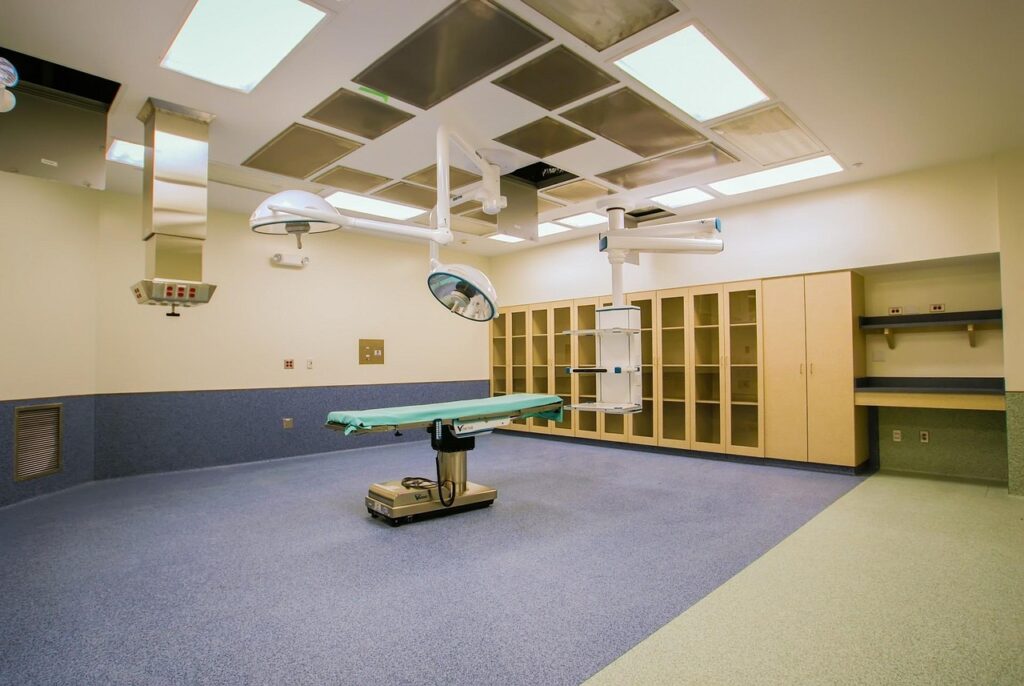
Carpal tunnel release is one of the most commonly performed surgeries in the United States, with hundreds of thousands of procedures done each year; commonly cited estimates range from roughly 400,000 to 600,000 annually, according to the National Institutes of Health and hand surgery organizations. If you are preparing for surgery or have just had it, understanding the carpal tunnel surgery recovery timeline helps you set realistic expectations, plan your time away from work, and recognize what is normal versus what warrants a call to your surgeon. Recovery is highly individual, but this guide outlines the typical milestones most patients experience.
TL;DR: What to Expect
- Total timeline: roughly three to six months for full functional recovery, though many daily tasks return much sooner.
- Return to activity: daily activities within about two to four weeks; work within about two to six weeks, or longer for heavy manual jobs.
- Phases: pain and swelling control (first 1 to 2 weeks), regaining motion (weeks 2 to 6), then strengthening and nerve recovery (weeks 6 to 12 and beyond).
- Follow your team: your surgeon’s and hand therapist’s protocol overrides any general schedule; open and endoscopic techniques recover slightly differently.
- Watch for red flags: signs of infection, worsening numbness or severe pain, or complex regional pain syndrome need prompt evaluation (see the box below).
This article is general education, not medical advice. Always follow the instructions of your own surgeon and hand therapist.
A Note on Protocols: Yours Comes First
The milestones below reflect common recovery patterns, but they are not a prescription. Surgeons individualize instructions based on the surgical technique, your anatomy, your job, and your overall health. If your surgeon’s or hand therapist’s guidance differs from any timeline you read online, follow your care team. Recovery is milestone-driven: you progress when your hand is ready, not simply because a certain number of weeks have passed.
Understanding the Surgery
Carpal tunnel release surgery involves cutting the transverse carpal ligament, a band of tissue that forms the “roof” of the carpal tunnel in your wrist. This ligament presses on the median nerve, causing the numbness, tingling, pain, and weakness that define carpal tunnel syndrome. Cutting the ligament relieves the pressure and allows the nerve to recover.
Two surgical approaches are commonly used. Open carpal tunnel release involves a one- to two-inch incision in the palm and direct visualization of the ligament. Endoscopic carpal tunnel release uses one or two smaller incisions and a camera to guide the surgery. According to the Mayo Clinic and the American Society for Surgery of the Hand, both approaches have similar long-term outcomes, though endoscopic surgery may offer slightly faster initial recovery with less scar tenderness. Your surgeon will recommend the best approach based on your anatomy and their experience.
The procedure itself typically takes about 15 to 30 minutes and is usually performed under local anesthesia, sometimes with mild sedation. Most patients go home within an hour or two of surgery. Understanding this context helps frame the recovery timeline that follows.
Day of Surgery and First 48 Hours
Immediately after surgery, your hand will be wrapped in a bandage or splint. The local anesthetic wears off within a few hours, at which point you will begin feeling pain at the surgical site. Most surgeons recommend managing pain with over-the-counter acetaminophen or an anti-inflammatory such as ibuprofen when appropriate, and some prescribe a short course of stronger medication; take any medication only as directed by your surgeon and according to the label.
Keep your hand elevated above your heart as much as possible during the first 48 hours. This reduces swelling and throbbing pain. Use pillows to prop your hand up while sleeping. Gentle finger movement is encouraged starting immediately after surgery, as wiggling your fingers helps prevent stiffness and promotes circulation. Avoid gripping, lifting, or any forceful hand use.
Expect moderate pain, swelling, and some bruising around the incision site and palm. Some patients also experience temporary worsening of their carpal tunnel symptoms, which can be alarming but is often normal. The nerve has been decompressed, but inflammation from surgery temporarily irritates it. Ice packs wrapped in a cloth, applied for 15 to 20 minutes at a time (keeping the dressing dry), can help manage swelling. Follow your surgeon’s specific instructions on icing and dressing care.
Week 1: Initial Healing
Pain levels typically peak on days two and three, then gradually decrease. By the end of the first week, many patients have transitioned from any prescription pain medication to over-the-counter options or no medication at all. Swelling remains significant but should be visibly reducing day by day.
Your surgeon will likely schedule a wound check at about 7 to 14 days post-surgery. During this visit, the bandage is changed or removed, sutures may be checked (dissolvable stitches are used in some cases), and range of motion is assessed. Follow your surgeon’s instructions about keeping the wound dry. Some surgeons allow showers with a waterproof covering after a few days, while others prefer the wound stay completely dry until the follow-up visit.
Light activities of daily living are usually possible by the end of week one: brushing your teeth, eating, and basic self-care, favoring the unaffected hand for anything demanding. Avoid getting the incision wet unless cleared by your surgeon, lifting anything heavier than a coffee cup, and any twisting or forceful gripping motions.
Weeks 2-3: Suture Removal and Early Mobility
Non-dissolvable sutures or staples are typically removed at about 10 to 14 days. Once sutures are out and the incision has closed, you can usually begin washing the hand normally. Scar management often begins at this stage, with gentle massage of the incision line using unscented lotion to keep the scar from adhering to underlying tissue, once your surgeon confirms the wound is healed.
Pillar pain, a deep ache in the fleshy parts of the palm on either side of the incision, is common during this phase and can persist for weeks to months. This pain occurs because the cut ligament is healing and the muscles of the palm are adjusting to the structural change. It is typically worsened by pressing on the palm, pushing off from surfaces, and gripping.
Range-of-motion exercises become more important during weeks two and three. Your surgeon or a hand therapist may prescribe specific exercises to improve finger bending, wrist flexion and extension, and grip initiation. Gentle stretching helps prevent scar tissue from limiting motion. The carpal tunnel surgery recovery timeline varies here depending on whether you had open or endoscopic surgery, with endoscopic patients typically progressing a bit faster through early rehabilitation.
Weeks 4-6: Functional Return
This period marks a significant transition for most patients. Light-duty work with minimal hand demands is often possible by week four. Typing, writing, and other fine-motor tasks may still be uncomfortable but are usually manageable with breaks. Grip strength is still noticeably reduced, often at roughly 50 to 70 percent of pre-surgical capacity.
The Cleveland Clinic notes that most patients who perform desk work or light-duty jobs return to work within a few weeks of surgery, with accommodations as needed. Patients whose jobs require heavy gripping, vibrating tools, or repetitive forceful hand movements typically need six to eight weeks or longer before returning.
Physical therapy or hand therapy may begin formally during this phase if not already started. A certified hand therapist (CHT) can guide progressive strengthening exercises, desensitization techniques for scar sensitivity, and activity-modification strategies. Not all patients need formal therapy; many recover well with home exercises alone, particularly after uncomplicated endoscopic surgery.
Numbness and tingling improvements are variable. If your pre-surgical symptoms were mild and of short duration, you may notice improvement within weeks. Long-standing, severe carpal tunnel syndrome may take months for nerve function to recover, and some permanent nerve changes may remain despite a successful ligament release. Nerve regeneration occurs slowly, on the order of about an inch per month, providing a rough framework for when distal fingertip sensation may return.
Weeks 6-12: Strengthening and Continued Recovery
Grip strength progressively returns during this period, with many patients reaching roughly 80 to 90 percent of their baseline by about eight to twelve weeks. Grip-intensive activities like opening jars, carrying groceries, and using hand tools become increasingly comfortable. Pillar pain usually diminishes significantly, though it may linger with certain activities like pushups or gripping a steering wheel.
Scar tissue continues to mature and remodel. The incision line, which may have been raised and pink, gradually flattens and fades. Continued scar massage and silicone-based scar treatments can improve cosmetic outcomes. Some patients find the scar tender to pressure even at this stage, which is common and gradually resolves.
Most patients can resume recreational activities including exercise, gardening, and sports during weeks six to twelve, with modifications as needed and with your surgeon’s clearance. Activities that load the palm, such as weightlifting involving barbells or pushups, may need additional time. Swimming is usually cleared once the incision is fully healed, often by around week four to six, but confirm with your surgeon.
If you are managing the recovery alongside other health conditions, maintaining your overall health management plan during this period is important. Post-surgical follow-up is also a good time to address any other musculoskeletal concerns with your physician.
Months 3-6: Full Recovery
Most patients achieve full functional recovery between three and six months after carpal tunnel surgery. Grip strength typically returns to pre-surgical levels or better by about month three to four. Scar tenderness resolves for the majority of patients. Sensory improvement continues, with many patients reporting ongoing nerve recovery throughout this window.
Research published in the Journal of Hand Surgery and summarized by hand surgery organizations shows that patient satisfaction with carpal tunnel release is high, with the large majority of patients reporting significant improvement in their symptoms by six months. Night-time numbness and tingling, often the most bothersome pre-surgical symptom, typically resolves fastest, with many patients reporting improved sleep within the first one to two weeks.
A small percentage of patients continue to experience residual symptoms at six months. Persistent weakness, ongoing numbness, or recurrent symptoms may indicate incomplete nerve recovery, scar tissue formation, or an additional site of nerve compression (such as the cervical spine or thoracic outlet). Your surgeon may recommend nerve conduction studies or further evaluation if symptoms plateau or worsen after initial improvement.
Factors That Affect Recovery Speed
Several variables influence your individual carpal tunnel surgery recovery timeline. The severity and duration of nerve compression before surgery is perhaps the most important factor. Patients with mild symptoms for less than a year typically recover faster and more completely than those with severe, longstanding compression that has caused measurable muscle wasting in the hand.
Age affects healing speed, though carpal tunnel release is successful across all adult age groups. Younger patients generally heal faster, but older patients still achieve excellent outcomes. Diabetes can slow nerve recovery and wound healing; research from the NIH shows that people with diabetes may take longer to regain grip strength and sensation but still benefit significantly from surgery.
Surgical technique matters to a degree. Endoscopic surgery generally produces less palm scar tenderness and faster return to grip-dependent activities, while open surgery may have a slight advantage in visibility and completeness of ligament release. Both produce equivalent long-term results in most studies.
Patient adherence to post-operative instructions significantly influences outcomes. Keeping follow-up appointments, performing prescribed exercises, managing scar tissue, and avoiding premature return to heavy hand use all contribute to optimal recovery. Patients interested in comprehensive recovery support may benefit from finding a DPC doctor who can provide ongoing follow-up and coordination.
Red Flags: When to Call Your Surgeon
Most recoveries proceed smoothly, but some symptoms need prompt attention. Contact your surgeon promptly (or seek urgent or emergency care if you cannot reach them) if you notice:
- Signs of infection: increasing redness spreading from the incision, warmth, swelling, pus or foul drainage, or a fever above 101°F (38.3°C)
- Worsening numbness or weakness, or loss of finger movement beyond what existed before surgery
- Severe pain not controlled by your prescribed or recommended medication
- Signs of complex regional pain syndrome (CRPS): pain that seems out of proportion to the surgery, along with color changes, temperature changes, swelling, or excessive sweating of the hand
- A wound that reopens, or stitches that come apart
Early evaluation of these problems leads to better outcomes, so do not wait to see if they resolve on their own.
Frequently Asked Questions
How long do I need to take off work after carpal tunnel surgery?
This depends on your job demands. Desk workers with minimal hand-intensive tasks can often return within about two to three weeks, possibly with modifications. Workers in light manual roles typically need four to six weeks. Heavy manual laborers, construction workers, and others performing repetitive forceful gripping may need six to twelve weeks. Discuss a specific return-to-work plan with your surgeon, who may provide a graduated return with restrictions.
Can I drive after carpal tunnel surgery?
Most surgeons advise waiting at least one to two weeks before driving, or until you can comfortably grip the steering wheel and react quickly in an emergency. If your dominant hand was operated on, you may need additional time. Driving with a bulky bandage or splint is not recommended. The decision should be based on your comfort, range of motion, and ability to safely control the vehicle; also confirm any restrictions related to pain medication.
Will I need physical therapy after carpal tunnel surgery?
Not all patients require formal physical therapy. Many recover fully with home exercises provided by their surgeon. However, patients with significant stiffness, persistent pillar pain, scar sensitivity, or slow grip-strength recovery benefit from working with a certified hand therapist. Your surgeon will assess your progress at follow-up appointments and recommend therapy if needed.
What is the success rate of carpal tunnel surgery?
Carpal tunnel release has one of the highest success rates of any surgical procedure. Roughly 85 to 95 percent of patients experience significant symptom relief, with most reporting improvement in numbness and nighttime symptoms within the first weeks. Grip strength recovery takes longer but reaches satisfactory levels for the large majority. Recurrence is uncommon.
Can carpal tunnel come back after surgery?
Recurrence after carpal tunnel release is relatively rare but possible. The transverse carpal ligament can reform with scar tissue over time, potentially recreating compression; true recurrence occurs in a small percentage of cases. More commonly, patients who experience returning symptoms may have a different site of nerve compression (double crush syndrome) or a new cause of wrist or hand pain. If symptoms recur, evaluation with nerve conduction studies can help determine whether re-intervention is appropriate.
How soon will the numbness and tingling go away?
It varies. Nighttime numbness and tingling often improve within the first one to two weeks, while daytime numbness and fine-touch sensation can take weeks to months to recover as the nerve heals, roughly on the order of an inch of nerve regeneration per month. Long-standing, severe compression may leave some residual numbness. If numbness worsens after surgery, contact your surgeon.
The Bottom Line
The carpal tunnel surgery recovery timeline spans roughly three to six months for full functional recovery, with most patients returning to daily activities within two to four weeks and to work within two to six weeks depending on job demands. The first one to two weeks involve managing pain and swelling, weeks two through six focus on regaining motion and beginning functional activities, and months two through six involve progressive strengthening and nerve recovery. Individual timelines vary based on symptom severity, surgical technique, age, and overall health. Stay patient with the process, follow your surgeon’s guidelines, perform your exercises consistently, and communicate any concerns promptly. Carpal tunnel release is a highly successful procedure, and understanding what to expect at each stage makes the recovery process more manageable.
This article is for general education and is not a substitute for professional medical advice, diagnosis, or treatment. Always follow the guidance of your own surgeon and hand therapist. Information is current as of 2026.
Sources
- American Academy of Orthopaedic Surgeons (OrthoInfo): Carpal Tunnel Syndrome and Carpal Tunnel Release Surgery
- American Society for Surgery of the Hand: Carpal Tunnel Release and Recovery
- National Institute of Neurological Disorders and Stroke (NIH): Carpal Tunnel Syndrome
- Mayo Clinic: Carpal Tunnel Surgery
- Cleveland Clinic: Carpal Tunnel Release Recovery
- Journal of Hand Surgery: Outcomes and patient satisfaction after carpal tunnel release