
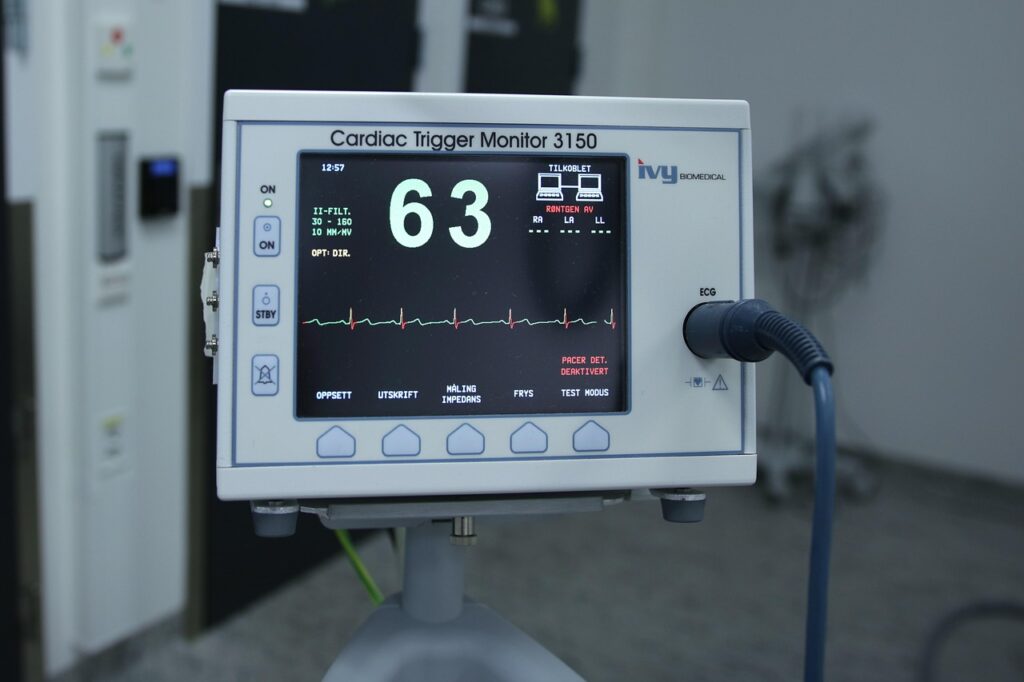
Hundreds of thousands of cardiac ablations are performed each year in the United States, and the number has grown as evidence has strengthened for rhythm control over rate control in many atrial fibrillation patients. Cardiac ablation uses catheter-delivered energy — radiofrequency heat, cryotherapy (cold), or newer pulsed field energy — to scar small areas of heart tissue that generate or sustain abnormal rhythms. For many people with symptomatic paroxysmal atrial fibrillation, ablation has become a preferred treatment, with single-procedure success commonly reported around 60 to 80 percent at one year. This guide explains how the procedure is performed, what recovery looks like, and how to weigh ablation against medications. It is general information, not medical advice; whether ablation is right for you is a decision your cardiologist or electrophysiologist makes with you, so see a doctor for an evaluation.
What Cardiac Ablation Is and Who Needs It
Cardiac ablation creates targeted scars that block abnormal electrical pathways in the heart. The most common indications are atrial fibrillation (AFib), atrial flutter, supraventricular tachycardia (SVT), and certain ventricular arrhythmias. For atrial fibrillation, pulmonary vein isolation is the cornerstone technique, because most AFib triggers originate near the pulmonary veins. SVT ablation typically targets a specific accessory pathway or an AV nodal reentry circuit. According to MedlinePlus, ablation is generally considered when arrhythmias cause bothersome symptoms — palpitations, chest discomfort, fainting, or an irregular heartbeat — and medications have not worked or are not well tolerated.
Guidance from the American Heart Association and the arrhythmia specialty societies supports catheter ablation for symptomatic AFib that has not responded to medications, for AFib in selected patients with heart failure (where ablation has shown benefit in some studies), and as a reasonable first-line option for certain patients — a choice your electrophysiologist individualizes. SVT ablation is highly effective and often curative. For broader background on heart rhythm conditions, see our comprehensive condition library. The bottom line is that ablation is one tool among several, and the decision is shared between you and your heart-rhythm specialist rather than driven by any single statistic.
How the Procedure Is Performed
Cardiac ablation typically takes two to four hours, and longer for complex AFib cases. General anesthesia or deep sedation is standard for AFib ablation, while moderate sedation suffices for many SVT cases. The electrophysiologist accesses the femoral veins (and sometimes the femoral artery), threads catheters under imaging guidance into the heart, and uses electrical mapping to identify the target tissue. Modern procedures increasingly rely on 3D electroanatomic mapping to reduce or minimize X-ray exposure.
For pulmonary vein isolation, the catheter crosses from the right atrium to the left atrium through a small puncture in the atrial septum. Radiofrequency catheters create point-by-point lesions encircling the pulmonary veins, while cryoballoon catheters deliver freezing energy in a single application around each vein. A newer approach, pulsed field ablation (PFA), uses short bursts of electrical energy to target heart tissue while largely sparing nearby structures such as the esophagus and phrenic nerve; per the Cleveland Clinic, this tissue selectivity is a key reason interest in PFA has grown rapidly. Availability of PFA varies by center and continues to expand, so ask your electrophysiologist which energy type they recommend for your specific arrhythmia and why. 3D mapping systems and contact-force sensing have improved precision and outcomes substantially over the past decade.
Preparation and What to Expect on the Day
Preoperative preparation includes lab work, an EKG, an echocardiogram, and often a cardiac CT or MRI to map the left atrial anatomy. A transesophageal echocardiogram is sometimes performed before ablation to rule out clots in the left atrial appendage. Anticoagulation is often continued uninterrupted through AFib ablation to reduce stroke risk, but practices differ, and some patients receive specific instructions to adjust a medication beforehand. This is exactly the kind of decision to leave to your team: do not stop, start, or change blood thinners on your own — follow the written instructions your electrophysiologist gives you, and call the office if anything is unclear. Patients typically fast for six to eight hours beforehand.
On the day, expect to be at the hospital for most of the day. For AFib ablation, patients are under deep sedation or general anesthesia and have no awareness during the procedure. After ablation, bed rest is required for several hours to allow the femoral access sites to seal. Most AFib ablation patients stay one night for monitoring; SVT ablation patients often go home the same day. A small percentage of patients have some residual chest achiness that typically resolves within a few days.
Recovery Timeline and Rehab
Recovery from cardiac ablation is generally straightforward. Most patients return to desk work within three to five days (some sources cite five to seven) and resume light activities within about a week. Heavy lifting, intense exercise, and saunas are typically avoided for one to two weeks because of the femoral access sites. Driving usually resumes within a day or two, per your team’s guidance. Follow the specific restrictions your clinic gives you, since these vary by patient and access site.
The first three months after ablation are called the “blanking period.” Atrial fibrillation episodes during this time are common while the heart tissue heals and do not necessarily indicate that the procedure failed. Antiarrhythmic medications and blood thinners are often continued during the blanking period and reassessed afterward — again, only on your clinician’s instruction. By around six months, the success of the ablation is usually reasonably clear. The NHLBI emphasizes the importance of risk-factor modification — weight management, blood pressure control, sleep apnea treatment, and reduced alcohol — for durable, long-term rhythm control.
Risks, Complications, and Outcomes
Cardiac ablation has a low but real complication rate. Major complications occur in roughly 1 to 5 percent of cases, depending on the arrhythmia and procedure. Risks include cardiac perforation with tamponade (about 1 to 2 percent), stroke (generally under 1 percent), pulmonary vein stenosis (under 1 percent), atrioesophageal fistula (rare but often fatal), groin vascular complications, and, after AV node ablation, the need for a pacemaker. Recurrence is common: a meaningful share of paroxysmal AFib patients — often cited around 20 to 40 percent — have a recurrence within one year, with higher rates for persistent AFib. Newer energy sources such as pulsed field ablation aim to reduce certain complications, but no procedure is risk-free.
When to seek emergency care: Call 911 or go to the nearest emergency room if you experience sudden chest pain or pressure, severe shortness of breath, signs of stroke (facial droop, arm weakness, speech difficulty), heavy bleeding or rapidly expanding swelling at the groin access site, fever above about 101°F (especially with chest or back pain, which can suggest atrioesophageal fistula), severe palpitations with fainting, or sudden severe back pain. Atrioesophageal fistula symptoms can appear weeks after ablation and are a true emergency, so take any new fever with chest or back pain seriously.
Alternatives and When Ablation May Not Be Needed
Many arrhythmias respond to medications or rate control alone. For AFib, antiarrhythmic medications (such as flecainide, propafenone, sotalol, dofetilide, or amiodarone) achieve rhythm control in a substantial share of patients, though each has its own risk profile and monitoring needs. Rate control with beta-blockers or calcium channel blockers is appropriate for many older patients with well-tolerated AFib. Importantly, the decision to use anticoagulation to prevent stroke is generally independent of the rhythm-versus-rate choice and depends on your personal stroke risk.
For SVT, daily medications can suppress most episodes, but ablation is curative in a high percentage of cases — often cited above 90 to 95 percent for typical AV nodal reentry and accessory-pathway tachycardias. Patients with concurrent structural heart disease may need procedures such as heart valve replacement first, and some patients with significant coronary disease may be evaluated for coronary bypass surgery. Patients whose primary issue is a slow heart rate may benefit from pacemaker implantation instead. Left atrial appendage closure (for example, the Watchman device) is an alternative to long-term anticoagulation in selected AFib patients who cannot tolerate blood thinners.
Cost Considerations
Cardiac ablation billed charges typically range from roughly $25,000 to $100,000 without insurance, with AFib ablation on the higher end; actual amounts vary widely by facility, region, and complexity. Medicare payments are often far lower than billed charges. Insured patients commonly pay somewhere in the range of $1,500 to $5,000 out of pocket after deductible and coinsurance, though this depends entirely on your plan. Much of the cost reflects the mapping systems and single-use ablation catheters. Treat every figure here as an estimate and ask for an itemized, good-faith cost estimate in advance. For broader cost-shopping advice, see our healthcare costs guide.
Frequently Asked Questions
What is the success rate of AFib ablation?
For paroxysmal AFib, single-procedure success at one year is commonly reported around 60 to 80 percent, with multi-procedure success closer to 80 to 90 percent. Persistent AFib has lower success rates, often cited around 40 to 60 percent. Outcomes tend to be better with shorter AFib duration, smaller atrial size, and aggressive risk-factor modification. Your electrophysiologist can estimate a realistic figure for your specific situation.
Will I still need blood thinners after AFib ablation?
Anticoagulation is typically continued for at least three months after ablation, and long-term use depends on your personal stroke-risk score (such as CHA2DS2-VASc), not on whether the ablation worked. Many patients with higher stroke risk continue anticoagulation indefinitely even after a successful ablation. Never stop blood thinners on your own — this is a decision for your clinician.
How long is recovery from cardiac ablation?
Most patients return to desk work in about three to seven days and to nearly all activities within one to two weeks. The first three months (the blanking period) may include short recurrent episodes that do not necessarily indicate failure. Final assessment of success is usually around six months.
Can AFib come back after ablation?
Yes. Recurrence is often cited around 20 to 40 percent for paroxysmal AFib and higher for persistent AFib. A second ablation procedure can improve long-term outcomes. Risk-factor modification — weight management, sleep apnea treatment, blood pressure control, and reduced alcohol — is critical for durable rhythm control.
What is pulsed field ablation?
Pulsed field ablation (PFA) is a newer energy source that uses short electrical bursts to scar heart tissue while largely sparing nearby structures such as the esophagus and phrenic nerve. Interest has grown quickly because of this tissue selectivity, though availability varies by center. Ask your electrophysiologist whether PFA, radiofrequency, or cryoablation is most appropriate for you.
What to Discuss With Your Electrophysiologist
Cardiac ablation can be one of the most rewarding procedures for the right patient, but the details matter. Bring questions about the type of ablation being recommended (radiofrequency, cryoballoon, or pulsed field), the expected single-procedure success rate for your specific arrhythmia, the operator’s annual volume, your exact anticoagulation plan before and after the procedure, and the importance of risk-factor modification. AFib ablation works best when paired with sustainable lifestyle changes, including weight management, sleep apnea treatment, and blood pressure control; without those changes, even a well-performed ablation often disappoints over time. Ultimately, your cardiologist or electrophysiologist decides whether and when ablation is appropriate — this guide is a starting point for that conversation, not a substitute for it.
Medical disclaimer: This article is for general informational purposes only and is not medical advice, a diagnosis, or a treatment recommendation. Whether to have cardiac ablation, which energy type to use, and how to manage medications are individualized decisions made with a qualified cardiologist or electrophysiologist. Never stop, start, or change blood thinners or antiarrhythmic medications on your own. Success rates, risks, and costs vary; figures here are estimates that can change. Call 911 for sudden chest pain, stroke symptoms, severe bleeding, or fainting.
Sources
- MedlinePlus (U.S. National Library of Medicine) — Cardiac ablation procedures (indications, technique, recovery, and blood-thinner guidance)
- Cleveland Clinic — Catheter ablation, including radiofrequency, cryoablation, and pulsed field ablation, plus success rates and the blanking period
- National Heart, Lung, and Blood Institute (NHLBI) — Atrial fibrillation and risk-factor modification
- American Heart Association and arrhythmia specialty-society guidance — Catheter ablation for AFib and SVT (verify current recommendations)