
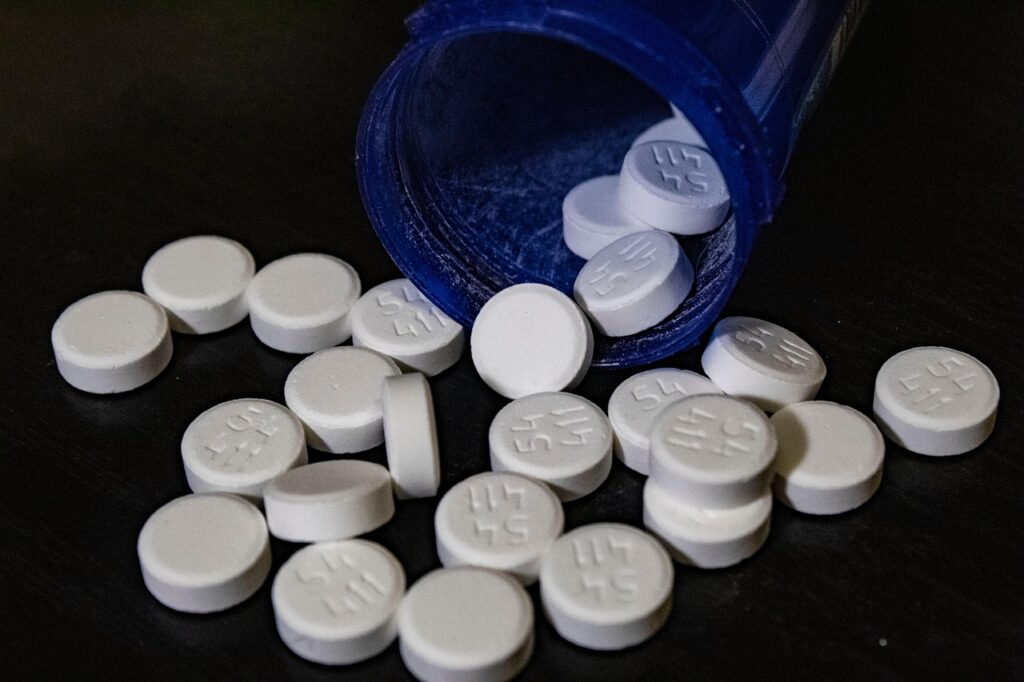
The short version: Most people recover from a laparoscopic appendectomy faster than they expect – feeling noticeably better within a week, back to light activity by week two, and back to full activity in four to six weeks. Open surgery and ruptured (complicated) cases take longer on the same trajectory. Walk early, eat well, stay hydrated, and rest when your body asks. Your surgeon’s specific instructions always override any general timeline, including for pain medication. Watch closely for the warning signs below.
Appendicitis strikes roughly 300,000 Americans each year, making appendectomy one of the most commonly performed emergency surgeries in the country. Despite its frequency, many patients leave the hospital with only a vague understanding of what the coming weeks will look like. A clear appendectomy recovery timeline helps you plan for time off work, understand what pain levels are normal, and recognize the milestones that signal healing is on track. For more on medical conditions, see our medical conditions guide.
Recovery speed depends heavily on whether you had a laparoscopic or open appendectomy. Laparoscopic surgery – performed through two to three small incisions using a camera and specialized instruments – accounts for the large majority of appendectomies today and allows significantly faster recovery. Open surgery, which requires a larger incision, is sometimes necessary for complicated cases involving a ruptured appendix or extensive infection. This guide covers both approaches. Keep in mind that the day-by-day ranges below are typical patterns, not rules – your own surgeon’s protocol is what matters.
Call your surgeon or seek emergency care if you develop:
- Signs of infection: fever (generally 101 F / 38.3 C or higher, or as your surgeon specifies), spreading redness or warmth around an incision, pus or foul-smelling drainage, or pain that is worsening rather than gradually improving.
- Signs of a bowel obstruction or ileus: inability to pass gas or stool along with a swollen, distended belly, or persistent vomiting that keeps you from holding down liquids.
- Signs of a blood clot (DVT/PE): calf pain, swelling, or redness in one leg; and especially sudden shortness of breath or chest pain – call 911 immediately.
- Any wound separation, or bleeding you cannot control.
Early treatment of a complication leads to far better outcomes than waiting. When in doubt, call your surgical team – they expect post-op questions.
Day of Surgery: What to Expect
Laparoscopic appendectomy is typically performed under general anesthesia and takes 30-60 minutes. According to the Mayo Clinic, many patients go home the same day or spend one night in the hospital for monitoring. Open appendectomy usually requires a two- to three-day hospital stay due to the larger surgical wound and more significant tissue disruption.
Immediately after surgery, you will wake up in a recovery room feeling groggy from anesthesia. Nausea is common – anti-nausea medication will be available. Pain will be managed with medications given and prescribed by your care team. Your surgical team will monitor vital signs, check incision sites, and ensure you can tolerate clear liquids before considering discharge. Gas pain from the carbon dioxide used to inflate the abdomen during laparoscopic surgery is a frequent complaint – it can cause shoulder-tip pain and abdominal bloating that may be more uncomfortable than the incision sites themselves.
Days 1-3: The Acute Recovery Phase
Pain is most intense during the first two to three days after an appendectomy. For laparoscopic patients, pain levels are typically moderate (roughly 4-6 out of 10) with medication, while open surgery patients often report somewhat higher levels (around 5-7 out of 10). Your surgeon will prescribe a pain-control plan – often a combination of non-opioid medications with a short course of a stronger medication if needed. Take all pain medication exactly as prescribed and do not exceed the labeled or prescribed dose; if your pain isn’t controlled, call your surgeon rather than adjusting doses on your own. The Cleveland Clinic recommends staying ahead of pain rather than waiting until it becomes severe, which makes a prescribed regimen more effective.
Activity during this phase should be limited to short walks around the house. Walking is actually encouraged starting on day one because it reduces the risk of blood clots, helps resolve gas pain, and promotes bowel function recovery. Aim for a few short walks of 5-10 minutes each, gradually increasing as tolerated. Do not lift anything heavier than about 10 pounds unless your surgeon says otherwise.
Diet progression varies by individual. Most patients start with clear liquids, advance to bland foods (crackers, toast, broth, bananas, rice, applesauce), and gradually return to a regular diet as tolerated. Constipation is common due to anesthesia and pain medications – adequate hydration and a stool softener, if your surgeon recommends one, can help prevent it. If gas pain from the laparoscopic procedure is bothersome, gentle walking and avoiding carbonated beverages speed its resolution.
Days 4-7: Turning the Corner
By the middle of the first week, most laparoscopic appendectomy patients notice a significant reduction in pain. Many can manage with over-the-counter pain relievers alone by days four to five – use these only as directed and within label limits. Open surgery patients typically still need prescription medication but at decreasing doses. The improvement in this period is often dramatic – each day feels noticeably better than the last.
Appetite begins to return, and most patients can eat a regular diet by the end of the first week. Focus on fiber-rich foods, adequate protein for wound healing, and plenty of fluids. Avoid very heavy, greasy, or spicy foods that might upset a still-recovering digestive system. Walking distances should increase – aim for 15-20 minutes at a time by day seven.
Incision care during this period involves keeping the sites clean and dry. Most laparoscopic incisions are closed with skin glue or small adhesive strips (Steri-Strips) that fall off on their own within one to two weeks. Open surgery incisions may have staples or sutures that are removed at the first follow-up appointment. Watch for signs of infection: increasing redness around incisions, warmth, spreading redness, foul-smelling discharge, or fever – and contact your surgeon promptly if they appear (see the warning-signs box above).
Week 2: Building Momentum
The second week of the appendectomy recovery timeline brings noticeable progress. Laparoscopic patients often feel close to normal for light daily activities, though fatigue may still come on faster than expected. Open surgery patients are experiencing meaningful pain reduction and increasing their activity levels but are further behind their laparoscopic counterparts.
Your first follow-up appointment typically occurs one to two weeks after surgery. The surgeon examines your incisions, reviews pathology results (confirming the diagnosis and checking for any unexpected findings), and assesses your overall recovery. This is the right time to discuss your timeline for returning to work, exercise, and other activities specific to your lifestyle.
Light household tasks – cooking, light cleaning, laundry – become manageable for most patients during week two. Driving is generally safe once you are off opioid pain medication and can perform an emergency stop without significant pain. For laparoscopic patients, this is often around days seven to ten. Open surgery patients may need two to three weeks before driving comfortably. Confirm with your surgeon before getting behind the wheel.
Weeks 3-4: Returning to Normal Activities
Most laparoscopic appendectomy patients can return to desk jobs and sedentary work within one to two weeks, and physically demanding jobs within three to four weeks. Open surgery patients typically need three to four weeks for desk work and four to six weeks for physical labor. These are general guidelines – your surgeon’s clearance should be the final word.
Light exercise can resume around the three-week mark for laparoscopic patients. Walking, stationary cycling, and gentle swimming (once incisions are fully healed and waterproof) are appropriate starting activities. Avoid core-intensive exercises, heavy lifting above roughly 15-20 pounds, and high-impact activities like running until your surgeon clears you – typically at the four- to six-week mark.
Digestive function should be fully normalized by this point for most patients. Some people report occasional bloating or irregular bowel habits for several weeks after abdominal surgery, which is normal and resolves on its own. If persistent digestive issues develop, mention them at your follow-up appointment.
Weeks 4-6: Full Recovery for Most Patients
By four to six weeks, the vast majority of laparoscopic appendectomy patients have returned to all normal activities without restrictions. Full exercise, including running, weight lifting, and contact sports, is typically cleared at this point. Open surgery patients may need an additional two to four weeks for complete recovery, depending on the extent of the procedure and individual healing speed.
Scars from laparoscopic surgery are small – typically 5-12 millimeters – and fade significantly over the following months. The open surgery scar is larger (usually 2-4 inches) and takes longer to mature. Silicone scar sheets and keeping the scar protected from direct sun exposure can improve cosmetic outcomes over time.
Appendectomy Recovery Timeline at a Glance
| Phase | Laparoscopic | Open / complicated |
|---|---|---|
| Hospital stay | Same day – 1 night | 2-7 days |
| Peak pain | Days 1-3 | Days 1-4 |
| Off prescription pain meds | ~Days 4-5 | ~Week 1-2 |
| Driving | ~Days 7-10 (off opioids) | ~2-3 weeks |
| Desk work | 1-2 weeks | 3-4 weeks |
| Physical labor / full exercise | 4-6 weeks | 6-10 weeks |
These are typical ranges only. Individual recovery varies with age, fitness, and how the surgery went – follow your surgeon’s specific guidance.
Complicated Appendectomy: A Different Timeline
If your appendix ruptured before or during surgery, recovery takes significantly longer. A ruptured appendix often requires a drain placement, a longer hospital stay (typically three to seven days), IV antibiotics for several days to weeks, and potentially a second surgical procedure. Pain and activity restrictions extend proportionally. Full recovery from a complicated appendectomy may take six to eight weeks or longer.
An abscess that forms around a ruptured appendix may need to be drained, sometimes requiring an additional procedure under CT guidance. Some surgeons perform an “interval appendectomy” – treating the infection first with antibiotics and drainage, then removing the appendix in a planned surgery six to eight weeks later. This approach can reduce complications compared to operating on a heavily inflamed area. The National Library of Medicine provides detailed information on complicated appendicitis management protocols.
Factors That Affect Recovery Speed
Several variables influence where you fall on the recovery spectrum. Surgical approach matters most – laparoscopic patients recover roughly twice as fast as open surgery patients. Age plays a role, with younger patients generally healing faster. Overall fitness level before surgery affects how quickly your body rebounds. Smoking impairs wound healing and increases infection risk; quitting before surgery (or as early as possible after) meaningfully improves outcomes.
Nutritional status influences recovery. Adequate protein (many surgeons suggest aiming for roughly 60-80 grams daily during recovery, unless you have a condition that limits protein) provides the building blocks for tissue repair. Vitamin C supports collagen formation. Hydration aids all healing processes. Compliance with post-operative instructions – particularly regarding activity restrictions and wound care – is arguably the most controllable factor in your recovery speed. For general health strategies that support recovery, visit our wellness guide.
When to Seek Emergency Care
While complications are uncommon after appendectomy, they do occur. Go to the emergency room or call your surgeon immediately if you develop a fever (generally 101.5 F / 38.6 C or higher, or as your surgeon specifies), experience severe or worsening abdominal pain (rather than gradually improving pain), notice redness or swelling spreading from an incision site, have persistent vomiting that prevents you from keeping liquids down, develop signs of a bowel obstruction (severe bloating, inability to pass gas or stool, vomiting), or notice any wound separation or drainage of pus. Call 911 for sudden shortness of breath or chest pain, which can signal a blood clot in the lungs (pulmonary embolism).
Early intervention for post-surgical complications leads to much better outcomes than delayed treatment. Do not hesitate to contact your surgical team with concerns – they expect post-operative questions and prefer to evaluate a patient unnecessarily than miss a genuine complication.
Frequently Asked Questions
How long does an appendectomy take?
A laparoscopic appendectomy typically takes 30-60 minutes. An open appendectomy may take 45-90 minutes. Complicated cases involving a ruptured appendix, abscess drainage, or extensive infection can take longer. These are operating room times – plan for several additional hours at the hospital for pre-operative preparation and post-anesthesia recovery.
When can I shower after an appendectomy?
Most surgeons allow showering 24-48 hours after laparoscopic surgery as long as incisions are closed with skin glue or waterproof bandages. Let water run over the incisions gently but do not scrub or soak them. Avoid baths, swimming pools, and hot tubs until incisions are fully healed – usually two to three weeks. Open surgery patients should follow their surgeon’s specific wound care instructions.
Can I go back to school or work after one week?
For laparoscopic appendectomy, returning to school or a desk job after one week is realistic for many patients, though some people need closer to two weeks. Open surgery patients typically need two to three weeks. Listen to your body – if you are still fatigued, experiencing significant pain, or unable to sit comfortably for extended periods, give yourself more time. A doctor’s note can help negotiate a gradual return if needed.
Will I gain weight after appendix removal?
Removing the appendix does not directly cause weight gain. Some patients gain a small amount of weight during the recovery period due to reduced activity and changes in eating habits, but this typically normalizes once regular exercise and normal eating patterns resume. There is no evidence that appendix removal affects long-term metabolism or weight.
Do I need to change my diet permanently after appendectomy?
No. Once fully recovered, there are no permanent dietary restrictions after appendectomy. The appendix plays a minor role in immune function and gut bacteria balance, but its removal does not require any long-term dietary modifications. You can return to your normal eating patterns once your digestive system has fully recovered from the surgery itself, which typically takes two to four weeks.
How do I manage pain safely at home?
Take pain medication exactly as your surgeon prescribed and never exceed the labeled or prescribed dose. Many patients transition to over-the-counter options within a few days; if you are combining medications, confirm the plan with your surgeon or pharmacist to avoid accidentally doubling up on the same ingredient. If your pain is worsening rather than improving, that is a reason to call your surgical team, not to take more medicine on your own.
The Bottom Line
The appendectomy recovery timeline is generally shorter than many patients expect, particularly with the laparoscopic approach. Most people feel significantly better within the first week, resume light activities by week two, return to work within one to three weeks, and are back to full activity by four to six weeks. Open surgery and complicated cases take longer but follow a similar trajectory at a slower pace. The keys to a smooth recovery are following your surgeon’s specific instructions, walking early and often, eating a nutritious diet, staying hydrated, and respecting your body’s signals when it tells you to rest. Appendectomy is a well-established procedure with excellent outcomes – and life without an appendix proceeds without any meaningful changes.
Disclaimer: This article is for general educational purposes only and is not medical advice. Every surgery and every patient is different – your surgeon’s specific post-operative instructions always take precedence over any general timeline here, including instructions about medication. If you have a medical emergency, call 911.