
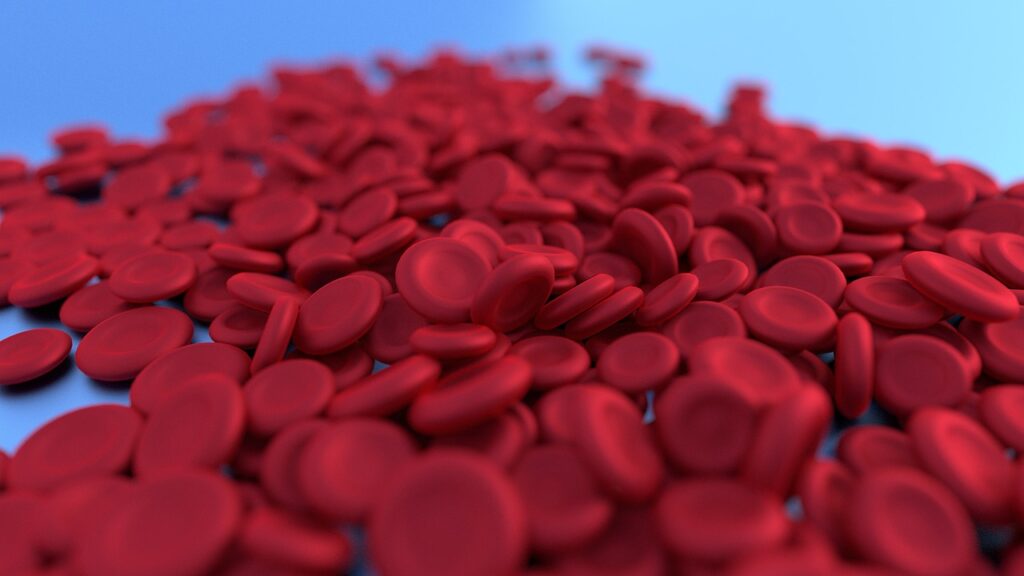
More than 3 million Americans are estimated to have anemia, and globally it affects roughly a quarter to a third of the world’s population, making it the most common blood disorder. Anemia is not a single disease but a sign that something has gone wrong with your body’s ability to produce, maintain, or hold on to red blood cells, the oxygen-carrying workhorses of your bloodstream. The causes range from simple nutritional deficiencies to serious bleeding and complex genetic conditions, and the treatment depends entirely on identifying the underlying problem. Dismissing symptoms like persistent fatigue as “just stress” can delay diagnosis of a condition that is often very treatable, and can occasionally delay diagnosis of a serious disease that the anemia is quietly signaling. For a broader look at health conditions and their interconnections, see our medical conditions guide.
The most important idea in this article: Anemia is a clue, not a diagnosis. Finding out why a person is anemic matters far more than the anemia number itself, because the same low hemoglobin can be caused by an easily corrected diet gap, by heavy periods, by a bleeding ulcer, or by colon cancer. That is why you should not simply start iron on your own to “fix” anemia; iron can mask a dangerous cause, is harmful in iron-overload conditions, and is a leading cause of poisoning in young children. See a clinician, get the right tests, and treat the cause. This article is general education, not medical advice.
What Is Anemia?
Anemia is defined as a reduction in hemoglobin concentration or red blood cell (RBC) mass below normal levels, resulting in decreased oxygen-carrying capacity of the blood. According to the World Health Organization, anemia is generally present when hemoglobin falls below about 13 g/dL in men and below about 12 g/dL in non-pregnant women, with a lower threshold (around 11 g/dL) commonly used in pregnancy due to normal physiologic hemodilution. Exact cutoffs can vary slightly by lab and by population.
Red blood cells are produced in the bone marrow through a process regulated by erythropoietin (EPO), a hormone made primarily by the kidneys. Mature RBCs circulate for about 120 days before being removed by the spleen and recycled. Anemia can result from any disruption in this cycle: insufficient production, excessive destruction, or blood loss. Each mechanism points to different underlying causes and requires different treatment approaches, which is why lumping all anemia together as “low iron” is a common and sometimes dangerous mistake.
The clinical significance of anemia ranges from trivial to life-threatening depending on its severity, how rapidly it develops, and the patient’s underlying health. Chronic, slowly developing anemia may be surprisingly well-tolerated as the body compensates. Acute blood-loss anemia can be immediately dangerous because of the sudden drop in oxygen delivery to vital organs.
Anemia Is Usually a Symptom, Not the Whole Story
This point deserves its own section because it is the single most important thing to understand. Iron-deficiency anemia, the most common type, is best thought of as a symptom: the body is short of iron because iron is being lost, not taken in, or not absorbed. The clinician’s job, and yours as a patient, is to ask why.
Common reasons the body runs low on iron or becomes anemic include:
- Gastrointestinal blood loss from ulcers, gastritis, inflammatory bowel disease, angiodysplasia, or colon polyps and colorectal cancer. This bleeding is often slow and invisible (occult), producing no obvious symptoms until anemia appears.
- Menstrual blood loss, especially with heavy or prolonged periods, a leading cause in menstruating people.
- Malabsorption from conditions such as celiac disease or after gastric bypass or other GI surgery.
- Inadequate dietary intake, which is a real cause but is often over-blamed; in adults it is frequently not the whole explanation.
- Increased demand, such as pregnancy or periods of rapid growth in children and teens.
- Vitamin deficiencies (B12 or folate), chronic disease, hemolysis, or inherited conditions, each with its own workup.
The reason this matters so much: in men and in postmenopausal women, new iron-deficiency anemia should be assumed to be from GI blood loss until proven otherwise, because it can be the first sign of a bleeding ulcer or a colon cancer that is curable if caught early. Treating the anemia with iron while ignoring the source can delay that diagnosis with serious consequences. This is exactly why “just take iron” is the wrong response to a lab result you do not understand.
Types of Anemia
Iron Deficiency Anemia
Iron deficiency anemia is the most common type worldwide, affecting an estimated 1 to 2 billion people globally. Iron is essential for hemoglobin synthesis; without adequate iron, the bone marrow produces smaller, paler red blood cells (microcytic, hypochromic anemia). According to the National Heart, Lung, and Blood Institute, common causes include chronic blood loss (heavy menstruation, GI bleeding from ulcers or colorectal cancer), inadequate dietary iron intake, increased iron demands (pregnancy, growth), and malabsorption (celiac disease, gastric bypass). Because iron deficiency so often reflects blood loss, finding the source is part of the diagnosis, not an optional extra.
Vitamin Deficiency Anemias
Vitamin B12 and folate are required for proper DNA synthesis during RBC production. Deficiency of either vitamin causes megaloblastic anemia, characterized by large, immature red blood cells (macrocytic anemia). B12 deficiency can result from pernicious anemia (an autoimmune condition that destroys the gastric cells needed for B12 absorption), strict vegan diets without supplementation, gastric surgery, certain medications, or malabsorption. Folate deficiency is more commonly caused by inadequate dietary intake, heavy alcohol use, certain medications (such as methotrexate or phenytoin), and increased demand during pregnancy.
Anemia of Chronic Disease
Also called anemia of inflammation, this is one of the most common types of anemia and develops in the setting of chronic infections, autoimmune diseases (such as rheumatoid arthritis), cancer, and chronic kidney disease. Inflammatory signals impair iron utilization, suppress erythropoietin production, and shorten red blood cell survival. Unlike iron deficiency anemia, iron stores are often normal or elevated; the iron is effectively “trapped” and unavailable for RBC production, which is one reason giving iron indiscriminately does not help and can even be counterproductive.
Hemolytic Anemias
In hemolytic anemias, red blood cells are destroyed faster than the bone marrow can replace them. Causes include autoimmune hemolytic anemia (antibodies attack the body’s own RBCs), hereditary conditions like sickle cell disease and thalassemia, enzyme deficiencies (such as G6PD deficiency), mechanical damage (heart valve prostheses, thrombotic microangiopathies), infections (such as malaria), and certain medications.
Aplastic Anemia
Aplastic anemia is a rare but serious condition in which the bone marrow fails to produce adequate blood cells, not just red blood cells but also white blood cells and platelets (pancytopenia). It can be acquired (autoimmune, drug-induced, viral, or idiopathic) or inherited (as in Fanconi anemia). According to the NHLBI, acquired aplastic anemia affects roughly 2 per million people annually in the United States and can be life-threatening without treatment.
Sickle Cell Disease and Thalassemia
Sickle cell disease is an inherited hemoglobin disorder in which abnormal hemoglobin S causes red blood cells to become rigid and sickle-shaped under certain conditions. These misshapen cells can block small blood vessels, causing pain crises, organ damage, stroke, and chronic hemolytic anemia. It primarily affects people of African, Mediterranean, Middle Eastern, and South Asian descent, and roughly 100,000 Americans are estimated to have it. Thalassemias are a related group of inherited disorders of hemoglobin production that range from mild (thalassemia trait, sometimes mistaken for iron deficiency) to severe forms requiring regular transfusions. Because thalassemia trait can look like iron deficiency on a blood count but does not improve with iron, distinguishing the two matters.
Symptoms of Anemia
The symptoms of anemia reflect reduced oxygen delivery to tissues and the body’s compensatory responses. Mild anemia may produce no noticeable symptoms. As severity increases, common symptoms include fatigue and weakness (the most frequent complaint), pale or sallow skin, shortness of breath during exertion, dizziness or lightheadedness, cold hands and feet, headache, rapid or irregular heartbeat, and chest pain.
Specific types of anemia may produce additional clues. Iron deficiency can cause pica (craving non-food substances like ice, dirt, or starch), restless legs syndrome, brittle or spoon-shaped nails, and a sore, swollen tongue. B12 deficiency may cause neurological symptoms including numbness and tingling in the hands and feet, difficulty with balance, cognitive changes, and mood changes; these can occur even before anemia develops and may become permanent if B12 deficiency goes untreated. Hemolytic anemia can cause jaundice (yellowing of the skin and eyes), dark urine, and an enlarged spleen.
When to seek emergency care. Call 911 or go to the nearest emergency room if you experience chest pain, severe shortness of breath, a racing heartbeat with lightheadedness, confusion, or fainting. Severe or rapidly developing anemia can precipitate heart failure or cardiovascular collapse, particularly in older adults or people with pre-existing heart disease. Also seek urgent care for signs of significant internal bleeding, which often drives anemia: black or tarry stools, visibly bloody or maroon stools, or vomiting blood or material that looks like coffee grounds. These can indicate serious gastrointestinal bleeding and should be evaluated right away, not watched at home.
Diagnosis
The initial diagnostic test is a complete blood count (CBC), which reveals hemoglobin level, hematocrit, RBC count, and RBC indices. The mean corpuscular volume (MCV) helps categorize anemia as microcytic (small cells, MCV below about 80 fL, suggesting iron deficiency or thalassemia), normocytic (normal-sized cells, roughly 80 to 100 fL, suggesting chronic disease, acute blood loss, or hemolysis), or macrocytic (large cells, above about 100 fL, suggesting B12 or folate deficiency, liver disease, or myelodysplasia).
Additional tests are guided by the MCV and clinical context. For suspected iron deficiency: serum ferritin (the most useful single test for iron stores), serum iron, total iron-binding capacity (TIBC), and transferrin saturation. A low ferritin strongly supports iron deficiency, though ferritin can be falsely normal or high when inflammation is present. For B12 or folate deficiency: serum B12 and folate levels, sometimes with methylmalonic acid and homocysteine. For hemolytic anemia: reticulocyte count (typically elevated, reflecting the marrow’s effort), lactate dehydrogenase (elevated), haptoglobin (low), bilirubin (elevated), and a direct antiglobulin (Coombs) test for autoimmune hemolysis.
According to the American Society of Hematology, identifying the underlying cause of anemia is always the priority; treating the anemia without addressing its cause is incomplete care. In particular, in men and postmenopausal women with iron-deficiency anemia, evaluation for GI blood loss, typically including both colonoscopy and upper endoscopy, is essential to rule out colon cancer, ulcers, or other significant pathology. This GI workup is a core part of managing new iron deficiency in these groups and should not be skipped simply because iron levels improve with supplements.
Treatment: Correcting the Cause, Under Clinical Guidance
Because anemia is a final common pathway for many different problems, treatment is directed at the specific type and cause, and is guided by a clinician who can monitor your response and safety. The overviews below describe the general approach; they are intentionally not dosing instructions, and you should not start, stop, or adjust any supplement or medication on your own.
Iron Deficiency Anemia
The foundation of treatment is twofold: replace iron and, just as importantly, find and treat the source of iron loss. Oral iron supplementation is the usual first-line approach when supplementation is appropriate, but the type of iron, the amount, and how often it is taken are decisions your clinician individualizes; recent research suggests that less frequent (for example, alternate-day) dosing may sometimes be absorbed better and tolerated more easily. Common side effects such as nausea, constipation, and dark stools can often be managed by adjusting the regimen. Intravenous iron is used when oral iron is poorly tolerated or absorbed, or when faster repletion is needed. Crucially, iron replacement is only half the job: if the cause is bleeding, the bleeding source must be identified and treated.
Vitamin Deficiency Anemias
B12 deficiency is treated with B12 replacement given by injection or by mouth depending on the cause and severity; pernicious anemia and some malabsorptive states require ongoing, often lifelong, replacement, and the route and schedule are set by your clinician. Folate deficiency is corrected with folic acid. One safety point matters here: B12 status should always be checked before treating a folate deficiency, because taking folate can improve the blood counts while allowing B12-related neurological damage to progress unnoticed.
Anemia of Chronic Disease
The primary treatment is addressing the underlying condition driving the inflammation. In chronic kidney disease, erythropoiesis-stimulating agents (such as epoetin alfa and darbepoetin) can stimulate RBC production when the body’s own EPO is deficient, sometimes alongside iron. For other chronic diseases, controlling the underlying inflammation is central. Transfusion is reserved for more severe or symptomatic cases and is a clinical decision.
Hemolytic and Aplastic Anemias
Treatment depends on the specific cause. Autoimmune hemolytic anemia may be treated with corticosteroids, rituximab, or splenectomy. Sickle cell disease management includes hydroxyurea (which raises fetal hemoglobin and reduces sickling), plus newer options such as L-glutamine, voxelotor, and crizanlizumab, along with transfusion and comprehensive supportive care; hematopoietic stem cell transplant can be curative for eligible patients. Gene therapies for sickle cell disease, including the FDA-approved products Casgevy (exagamglogene autotemcel) and Lyfgenia (lovotibeglogene autotemcel), which were approved in late 2023, represent a major advance and are being delivered at specialized centers, though access, eligibility, and cost remain significant considerations. Aplastic anemia may require immunosuppressive therapy, hematopoietic stem cell transplant, or agents such as eltrombopag. These are specialist-directed treatments.
Why You Should Not Self-Treat Anemia With Iron
It is tempting to buy iron pills and skip the doctor, but this is genuinely risky:
- It can mask a serious cause. Iron may nudge your blood count up while a bleeding ulcer or colon cancer continues undiagnosed. The improved number provides false reassurance.
- Not all anemia is iron deficiency. Taking iron when the real problem is B12 deficiency, thalassemia trait, chronic kidney disease, or anemia of inflammation delays proper treatment and does not fix the problem.
- Iron overload is dangerous. In hereditary hemochromatosis and some other conditions, the body already stores too much iron; unnecessary supplementation can worsen organ damage. Some people are genetically predisposed to iron overload without knowing it.
- Iron is a leading cause of poisoning in young children. Iron-containing supplements are among the most common causes of fatal poisoning in children under six. Keep all iron and multivitamins with iron in child-resistant containers, up high and locked away, and never refer to them as candy. If a child may have swallowed iron pills, contact Poison Control (in the U.S., 1-800-222-1222) or emergency services immediately.
Anemia in Special Populations
Pregnancy increases blood volume by about 50 percent but red blood cell mass by only about 25 percent, creating a degree of physiologic (dilutional) anemia. True iron deficiency anemia complicates a meaningful share of pregnancies (commonly cited around 15 to 25 percent) and is associated with preterm birth, low birth weight, and maternal complications. The American College of Obstetricians and Gynecologists recommends screening pregnant patients for anemia, typically at the first prenatal visit and again later in pregnancy, with supplementation guided by the clinician.
In older adults, anemia is common, affecting roughly 10 percent of those over 65 and a higher share of those over 85. Even mild anemia in older people is associated with increased falls, cognitive decline, hospitalization, and mortality. The causes are often multifactorial: chronic kidney disease, nutritional deficiencies, chronic inflammation, GI blood loss, and myelodysplastic syndromes all become more common with age. A thorough workup is particularly important in older adults because anemia may be the presenting sign of a serious underlying condition, including cancer.
Children and adolescents are susceptible to iron deficiency during periods of rapid growth. Toddlers who drink excessive cow’s milk (which is low in iron and can contribute to occult GI blood loss) and menstruating adolescents are at particular risk. Routine screening at well-child visits helps catch this early. Understanding healthcare costs for preventive screening reinforces the value of routine blood work when recommended.
Frequently Asked Questions
What foods are good for anemia?
For diet-related iron deficiency, iron-rich foods include red meat, poultry, fish, beans, lentils, fortified cereals, spinach, and tofu. Heme iron (from animal sources) is absorbed more efficiently than non-heme iron (from plants). Vitamin C enhances non-heme iron absorption, so pairing iron-rich plant foods with citrus, tomatoes, or peppers helps, while tea and coffee with meals can inhibit absorption. For B12, the best sources are meat, fish, dairy, and eggs; people following vegan diets should use fortified foods or supplements. Folate is abundant in leafy greens, legumes, fortified grains, and citrus. That said, diet alone does not fix anemia caused by bleeding or malabsorption, so food is a complement to, not a substitute for, proper diagnosis.
Can anemia be dangerous?
Yes. Mild anemia is usually not dangerous but can impair quality of life through fatigue and reduced exercise tolerance. Severe anemia, particularly when it develops rapidly, can be life-threatening, potentially causing heart failure, stroke, or organ damage from inadequate oxygen delivery. In older adults and those with cardiovascular disease, even moderate anemia can precipitate angina, heart failure, or falls. And beyond the anemia itself, the cause can be dangerous, which is why every case warrants evaluation.
How long does it take to recover from anemia?
Recovery time depends on the type and severity, and on treating the cause. With effective iron treatment, hemoglobin often begins to rise within a couple of weeks and normalizes over roughly 6 to 8 weeks, though it can take several months to fully replenish iron stores. B12 deficiency anemia typically responds within weeks, but neurological symptoms from B12 deficiency may take much longer to improve or may be permanent if treatment was delayed. Aplastic anemia and other bone marrow disorders may require months of specialist treatment. Your clinician will recheck your blood counts to confirm recovery.
Can you be anemic and not know it?
Absolutely. Chronic, slowly developing anemia allows the body to compensate by increasing heart rate, cardiac output, and oxygen extraction, so symptoms may be minimal until hemoglobin drops significantly. Many people attribute fatigue and mild breathlessness to aging, stress, or lack of sleep rather than anemia. This is one reason routine blood work, including a CBC, is valuable, and anemia is often detected incidentally during testing for something else.
Is anemia more common in women?
Yes, primarily due to menstruation and pregnancy. Premenopausal women lose iron with every menstrual cycle, and heavy periods raise the risk further. Pregnancy increases iron demands. After menopause, anemia rates in women move closer to those in men. Importantly, anemia in men and postmenopausal women should never be dismissed as “normal”; it warrants investigation for blood loss (especially from the GI tract), nutritional deficiency, or underlying disease.
Should I just take an iron supplement if I feel tired?
No. Fatigue has many causes, and taking iron without knowing whether you are actually iron deficient can be useless or harmful. Get a blood test first. If you are iron deficient, your clinician will treat you and, importantly, look for the reason you became deficient in the first place. Self-supplementing can mask serious disease and is dangerous in iron-overload conditions, and iron pills must be kept away from children.
What to Do If You Think You Might Be Anemic
If you are experiencing persistent fatigue, pallor, shortness of breath with activities that were previously easy, or any of the other symptoms described above, ask your doctor for a complete blood count. It is a simple, inexpensive blood test that provides quick answers. If anemia is confirmed, further testing to determine the type and cause is the essential next step, because “treat the anemia” really means “treat what is causing the anemia.”
Do not start iron supplements without a diagnosis. Self-treating with iron when the cause is something else, such as B12 deficiency, chronic kidney disease, thalassemia trait, or GI bleeding, delays proper treatment. In iron-overload conditions such as hemochromatosis, unnecessary iron can be harmful, and iron supplements are a serious poisoning hazard for young children and must be stored safely out of reach.
For those with confirmed iron deficiency, be patient and consistent with the treatment your clinician recommends. Iron stores take months to fully replenish, and stopping too early is a common cause of recurrence. Follow up to confirm that your hemoglobin and ferritin have normalized, and if the cause of iron loss is not obvious, especially in men or postmenopausal women, make sure appropriate evaluation, including a GI workup, is done. The answer matters, and sometimes it matters a great deal. For more on related conditions, see our medical conditions guide.
This article is for general educational purposes only and is not medical advice, and it deliberately does not provide dosing instructions. Talk with a qualified healthcare professional about diagnosis and treatment for your specific situation.
Sources
- World Health Organization (WHO) — Anaemia definitions and global prevalence
- National Heart, Lung, and Blood Institute (NHLBI) — Iron-deficiency anemia and aplastic anemia
- American Society of Hematology (ASH) — Anemia evaluation and the priority of identifying the underlying cause
- MedlinePlus / National Library of Medicine — Anemia types, B12 and folate deficiency, hemolytic anemia
- American College of Obstetricians and Gynecologists (ACOG) — Anemia screening in pregnancy
- U.S. Food and Drug Administration (FDA) — Approvals of Casgevy and Lyfgenia gene therapies for sickle cell disease (2023)
- American Association of Poison Control Centers — Iron poisoning in children (Poison Help: 1-800-222-1222)